Welcoming or caring for an infant who reaches or starts life around a 10 lb weight milestone brings unique physical milestones, clothing considerations, and nutritional requirements. Understanding what to expect helps parents and caregivers manage feeding routines, clothing transitions, physical growth velocity, and developmental milestones with confidence and appropriate pediatric guidance.
Understanding the 10 lb Milestone in Infancy
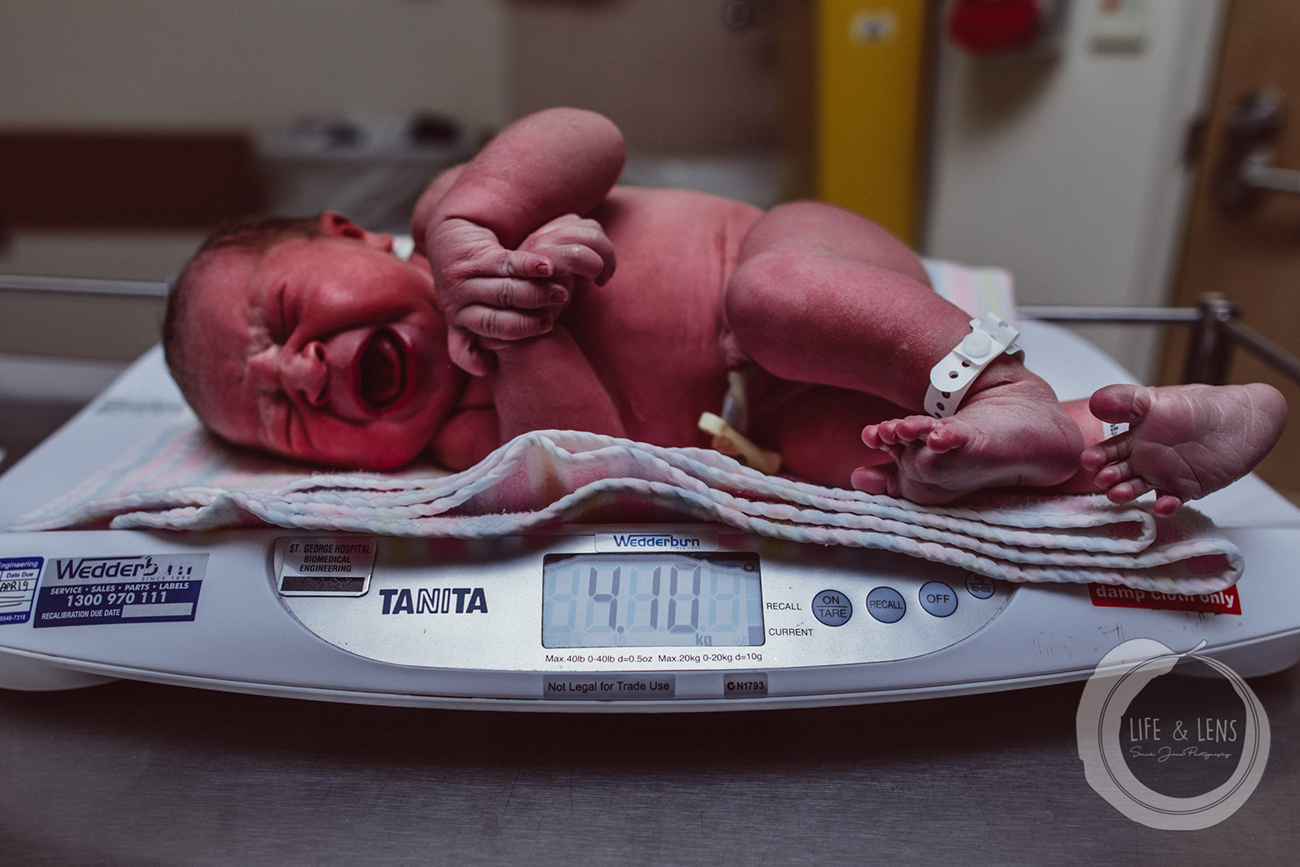
The 10 lb mark represents a significant transitional phase in early childhood development. Depending on whether an infant was born at this weight—which is medically classified as macrosomia if at birth—or reached this milestone at several weeks of age, the physical presentation and care strategies vary. For full-term newborns, an average birth weight typically ranges from 5.5 to 8.5 pounds, meaning a 10 lb birth weight sits above the 90th percentile for gestational age. Conversely, an infant born smaller who steadily gains weight to hit 10 lbs at around six to eight weeks of age is following a standard, healthy upward trajectory on pediatric growth charts maintained by organizations such as the World Health Organization (WHO) and the Centers for Disease Control and Prevention (CDC).
When assessing a 10 lb infant, healthcare providers evaluate weight-for-length ratios rather than weight in isolation. This ensures that the infant’s linear growth (length) and head circumference are proportional to their mass. Caregivers should note that infants at this size often have more robust fat stores, which can influence temperature regulation, physical handling, and the fit of standard newborn gear. Recognizing whether the 10 lb measurement is a starting point or a milestone achieved through steady postpartum growth sets the foundation for tailored nutritional and developmental care.
Nutritional Needs and Feeding Dynamics for a 10 lb Infant
Feeding a 10 lb baby requires an understanding of caloric density, stomach capacity, and metabolic demands. Infants require roughly 100 to 120 calories per kilogram of body weight daily during their first few months of life. For a 10 lb infant (approximately 4.5 kg), this translates to a daily intake of roughly 450 to 540 calories, whether sourced from breast milk, iron-fortified formula, or a combination of both.
Daily Feeding Volumes and Frequency
- Formula-Fed Infants: Typically consume about 2.5 ounces of formula per pound of body weight over a 24-hour period. For a 10 lb baby, this equals approximately 25 ounces total, divided across 6 to 8 feedings (roughly 3 to 4 ounces per feeding).
- Breastfed Infants: Feed on demand rather than strict volume measurement, usually nursing 8 to 12 times every 24 hours. Because breast milk composition adapts to infant needs, tracking wet diapers (at least 6 heavy wet diapers per day) and consistent weight gain serves as the primary indicator of adequate nutrition.
- Stomach Capacity: At 10 pounds, an infant's stomach can comfortably hold roughly 3 to 4 ounces at a time, making frequent feedings necessary to meet their high metabolic energy requirements for rapid brain and skeletal development.
Pediatricians generally advise against premature introduction of solid foods, even for larger or heavier infants, recommending exclusive human milk or formula feeding until approximately 6 months of age when developmental readiness signs—such as sitting upright with support and loss of the extrusion reflex—are clearly demonstrated.
Sizing, Clothing, and Gear Transitions
Reaching the 10 lb threshold frequently coincides with outgrowing standard newborn-sized garments and equipment. Newborn clothing (NB size) is typically rated for infants up to 7 or 8 pounds, meaning a 10 lb baby will rapidly transition into 0–3 month clothing sizes or larger weights defined by specific apparel brands.
Key Gear and Apparel Adjustments
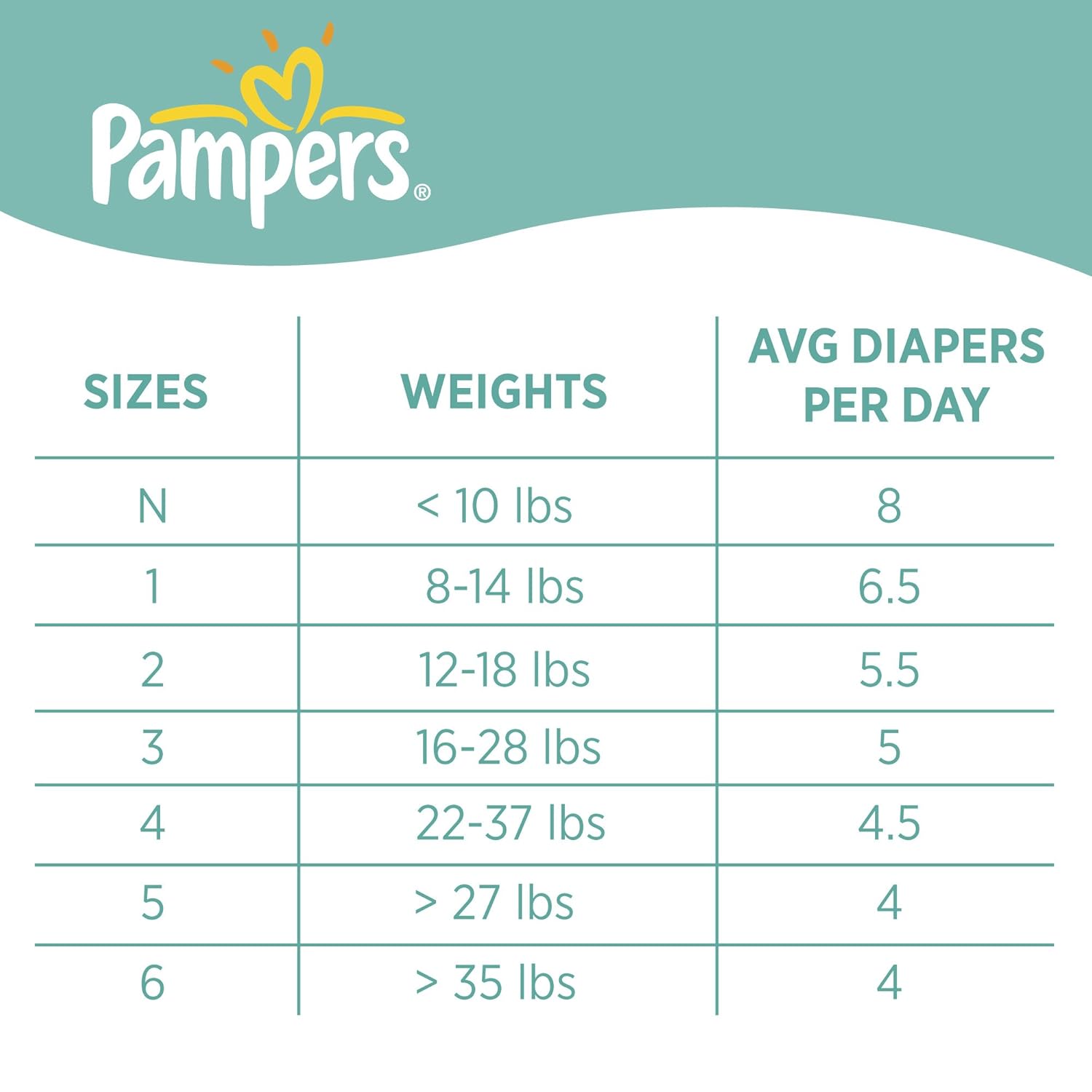
- Diapers: Most babies outgrow newborn diapers once they hit 10 pounds, transitioning to Size 1. Choosing a diaper with a secure fit around the legs and waist prevents leaks while accommodating an active, growing baby.
- Car Seats: Infant car seats feature strict weight and height minimums and maximums. A 10 lb baby safely fits within the lower limits of virtually all standard rear-facing infant car seats, but caregivers must verify that harness straps sit at or slightly below the infant's shoulders.
- Baby Carriers: Soft structured carriers and wraps have specific minimum weight requirements. While a 10 lb baby easily satisfies the weight threshold for many modern ergonomic carriers, ensuring proper airway clearance and an "M" shape for hip positioning remains essential.
| Item Category | Newborn (NB) Limit | 10 lb Baby Recommendation | Key Adjustment Factor |
|---|---|---|---|
| Apparel | Up to 7–8 lbs | 0–3 Months Size | Check length and chest tightness |
| Diapers | Up to 10 lbs (varies) | Size 1 | Prevent blowouts; check leak guards |
| Car Seat | 4–5 lbs minimum | Rear-Facing Infant Seat | Verify harness height at or below shoulders |
| Swaddle | Varies (often 7 lbs+) | Small/Medium or Transition Sack | Discontinue once rolling signs appear |
Growth Expectations and Physical Development
Growth velocity during the early months is rapid. A 10 lb infant—whether growing into this size or maintaining it—typically gains about 1.5 to 2 pounds per month and grows roughly 1 inch in length per month during their first three months.
Alongside physical mass, neurological and motor milestones begin to emerge. While a newborn may display mostly reflexive movements, an infant at the 10 lb mark (often aged 1 to 3 months) begins showing distinct developmental markers:
- Visual Tracking: Ability to track moving objects across their field of vision and recognize familiar parental faces.
- Social Smiling: Responding to human interaction and auditory stimuli with intentional smiles and cooing sounds.
- Neck Strength: Beginning to lift the head briefly during supervised tummy time, building foundational upper-body muscle control.
- Hand Exploration: Bringing hands into the field of vision and occasionally batting at hanging toys.
Parents should monitor regular pediatric checkups to plot these growth metrics against standardized pediatric charts, ensuring the infant tracks steadily along their personal growth curve.
Health Monitoring and Red Flags
While variations in growth patterns are normal, caregivers must remain vigilant regarding health indicators that require prompt medical evaluation. A 10 lb infant's immature immune system means certain symptoms warrant immediate attention from a pediatrician or emergency healthcare provider.
When to Contact a Healthcare Provider
- Feeding Difficulties: Persistent refusal to feed, lethargy during nursing or bottle-feeding, or fewer than 6 wet diapers in a 24-hour period.
- Temperature Changes: Any rectal temperature of 100.4°F (38°C) or higher in an infant under three months of age is considered a medical emergency.
- Respiratory Distress: Rapid breathing, chest retractions (skin pulling in around the ribs or neck during breaths), or grunting noises.
- Vomiting: Forceful, projectile vomiting occurring repeatedly after feedings, which can indicate structural gastrointestinal issues like pyloric stenosis.
Consulting qualified pediatric professionals ensures that any deviation from expected growth or sudden behavioral changes are addressed swiftly and safely.
Frequently Asked Questions
Is a 10 lb baby considered large for a newborn?
Yes, an infant weighing 10 lbs or more at birth is classified as macrosomic, which places them above the 90th percentile for gestational age. However, if an infant reaches 10 lbs at several weeks of age through normal postpartum development, it reflects a healthy and expected growth trajectory.
How many ounces should a 10 lb baby eat per feeding?
A 10 lb formula-fed baby typically consumes about 3 to 4 ounces per feeding, spread across 6 to 8 feedings over a 24-hour period. Breastfed infants should feed on demand, monitored by steady weight gain and adequate wet diaper output.
What clothing size does a 10 lb baby wear?
Most 10 lb babies have outgrown newborn (NB) clothing and comfortably fit into 0–3 month apparel. Because infant brands vary in sizing specifications, checking weight and height guidelines on clothing labels ensures a comfortable fit without restrictive pressure.
When should I transition my 10 lb baby from newborn diapers to Size 1?
Most newborn diapers are rated up to 10 pounds. When an infant approaches or reaches 10 lbs, red marks around the thighs or frequent leaks indicate it is time to transition to Size 1 diapers for better coverage and absorbency.
Do larger infants hit developmental milestones faster?
Physical size does not dictate the speed of cognitive or motor development. While a larger or heavier infant may appear physically robust, milestones such as rolling, sitting, and vocalizing depend on neurological maturation rather than body weight alone.
Practical Next Actions for Caregivers
To ensure optimal care for a 10 lb infant, establish a consistent routine centered around responsive feeding, regular weight tracking at scheduled pediatric appointments, and updating wardrobe and safety gear as physical dimensions change. Maintain open communication with pediatric healthcare providers regarding any concerns about feeding efficiency, sleep patterns, or growth velocity.