Reaching the top 1% of net worth requires a disciplined, multi-decade strategy that transitions an individual from earned income dependence to capital-driven wealth accumulation. By combining high savings rates, aggressive equity ownership, strategic tax minimization, and prudent leverage, high-earning individuals can systematically ascend to the highest tier of financial standing.
The journey to the upper echelon of personal wealth is rarely accidental. While popular culture often attributes extreme wealth to overnight entrepreneurial luck or lottery-style startup exits, empirical financial data demonstrates that the path to top 1% net worth is typically built on predictable macroeconomic and behavioral principles. Understanding this singular path requires dismantling common misconceptions about money and examining the mechanical steps necessary to compound wealth significantly faster than the general population.
Financial stratification is measured in net worth—the total value of all assets minus liabilities. To reach the top 1% threshold globally or within major economies like the United States, an individual must navigate shifting economic landscapes, inflationary pressures, and complex tax jurisdictions. This guide outlines the verified frameworks, asset allocation models, and behavioral disciplines required to travel the path to top 1% net worth.
Defining the Target: What Does "Top 1%" Net Worth Mean?
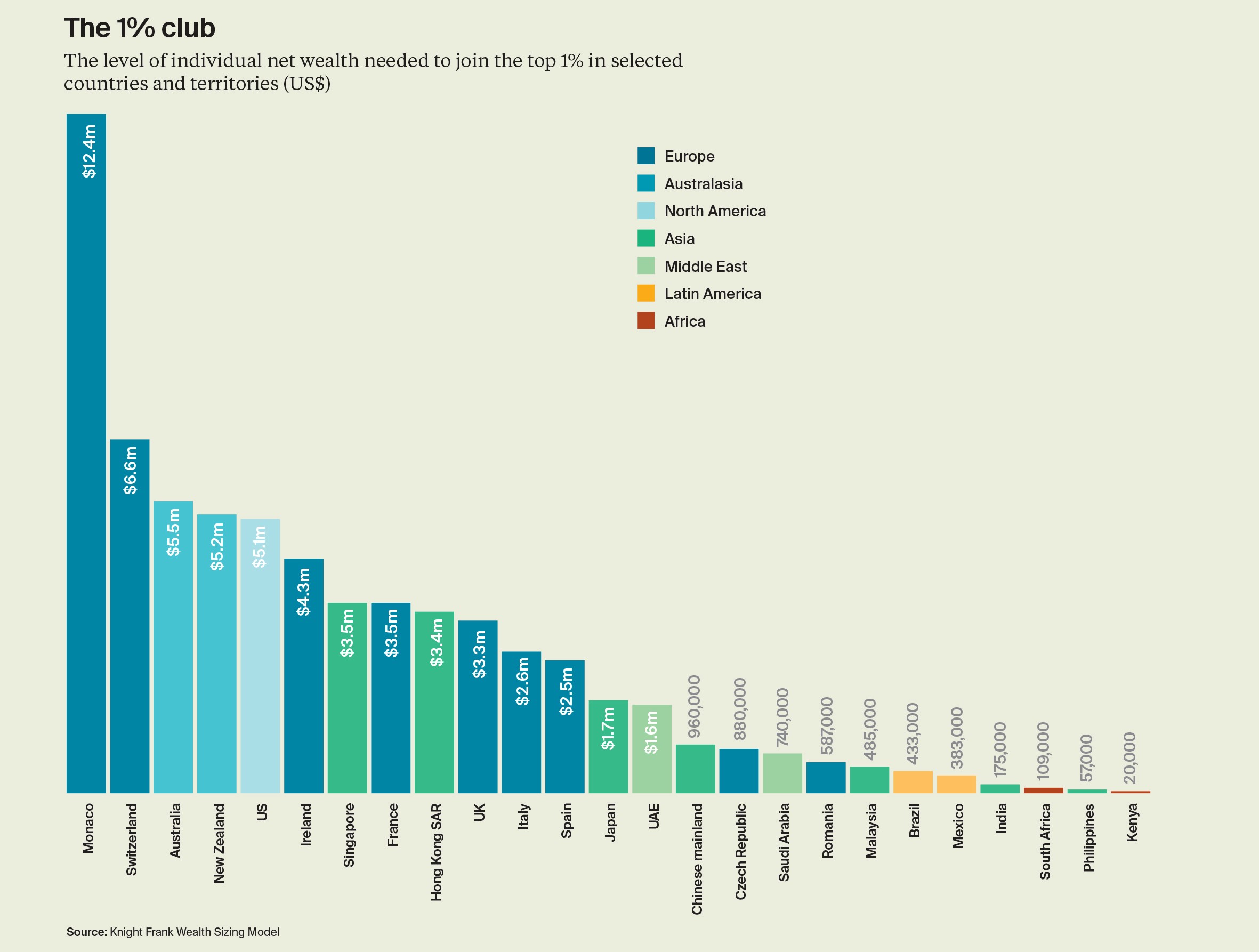
Before embarking on any financial journey, defining the destination is essential. The threshold for the top 1% of net worth varies significantly by geography, age, and economic cycle. According to Federal Reserve data from the Survey of Consumer Finances, the entry threshold for the top 1% of net worth in the United States sits significantly higher than the median household wealth, typically crossing well into the multi-million-dollar mark.
However, absolute figures fluctuate based on inflation and asset price valuations. More important than the nominal dollar amount is the functional definition of top 1% status: achieving a level of capital accumulation where investment returns permanently outpace personal living expenses, rendering traditional labor income optional.
Global vs. Regional Disparities
When evaluating wealth tiers, context matters immensely:
- Global Top 1%: According to Credit Suisse (now part of UBS) Global Wealth Reports, entering the global top 1% requires a lower absolute net worth compared to the United States or Western Europe due to global wealth distribution disparities.
- Domestic Top 1%: In developed economies, the threshold demands sophisticated capital deployment. Relying solely on a high W-2 salary is mathematically insufficient due to progressive income tax structures.
| Wealth Percentile | Approximate Net Worth Range (US Benchmark) | Primary Wealth Drivers |
|---|---|---|
| Top 50% | $0 – $200,000 | Primary residence equity, retirement accounts (401k/IRA) |
| Top 10% | $1,200,000 – $2,000,000 | Diversified equities, real estate portfolios, maxed retirement vehicles |
| Top 1% | $11,000,000+ | Business equity, private equity, concentrated stock, commercial real estate |
Phase 1: The Accumulation Foundation (0 to $1M)
The initial phase of the path to top 1% net worth is fundamentally behavioral rather than investment-sophisticated. During this stage, investment returns matter far less than the absolute savings rate and human capital optimization.
Maximizing Human Capital and Active Income
The engine of early wealth accumulation is active income. To accelerate the journey to the top tier, individuals must treat their earning capacity as their primary asset. This involves:
- Skill Specialization: Developing rare, high-value skills in sectors experiencing structural labor deficits (e.g., specialized engineering, advanced medicine, corporate law, or executive leadership).
- Geographic and Institutional Arbitrage: Positioning oneself in high-paying job markets or industries with asymmetric compensation upside, such as technology, finance, or entrepreneurial ventures.
- Side-Enterprise Development: Cultivating secondary income streams that can be funneled directly into investment vehicles without inflating lifestyle expenses.
The Power of the Savings Rate
Mathematical simulations of wealth accumulation consistently prove that savings rate outweighs investment return during the first decade of wealth-building. Saving 10% of a $100,000 salary yields $10,000 per year, whereas saving 50% yields $50,000.
Avoiding lifestyle creep—the tendency to increase spending proportionally with income increases—is the single greatest predictor of whether an earner transitions from the middle class to the upper wealth deciles. Every dollar saved at this stage bypasses consumption taxes and enters the compounding pipeline.
Phase 2: The Acceleration Engine ($1M to $5M)
Once an individual crosses the initial seven-figure threshold, the mechanics of wealth generation shift. Personal labor is no longer the primary driver; instead, capital begins to generate wealth independently.
Transitioning from Earned Income to Asset Ownership
The fundamental difference between high earners and the true wealthy lies in asset ownership. High-income professionals (doctors, lawyers, corporate executives) trade time for money. The top 1% own systems, businesses, and appreciating property that generate revenue independently of their physical labor.
- Equity in Growth Companies: Securing equity stakes in early-to-growth-stage companies through stock options, founder shares, or private equity investments provides asymmetric upside.
- Real Estate Portfolios: Moving beyond a primary residence into multi-family residential or commercial real estate syndications allows investors to leverage debt, capture cash flow, and benefit from tax depreciation.
The Role of Intelligent Leverage
Leverage is a double-edged sword that separates moderate accumulators from the top 1%. Used recklessly (such as consumer debt or credit card balances), leverage destroys wealth. Used strategically (such as low-interest mortgages on cash-flowing real estate or business acquisition loans), it accelerates net worth expansion exponentially.
Top-tier wealth builders master the art of utilizing other people's money (OPM) to acquire assets that appreciate faster than the cost of servicing the debt.
Phase 3: Institutionalization and Preservation ($5M to Top 1%)
As net worth scales into the multi-million-dollar range, the focus pivots from aggressive growth to risk management, asset protection, and tax optimization. At this stage, a mistake that costs a middle-class earner a few thousand dollars can cost an elite wealth builder millions.
Advanced Tax Strategy
Taxes represent the single largest drag on wealth accumulation. Individuals on the path to the top 1% must transition from passive tax compliance to proactive tax engineering:
- Entity Structuring: Utilizing S-Corporations, Limited Liability Companies (LLCs), and holding companies to optimize self-employment taxes and deduct legitimate business expenses.
- Tax-Advantaged Accounts: Maximizing backdoor Roth IRAs, mega-backdoor Roth 401(k)s, and health savings accounts (HSAs).
- Capital Gains Management: Leveraging techniques like tax-loss harvesting, 1031 exchanges for real estate, and charitable remainder trusts (CRTs) to defer or eliminate capital gains liabilities.
Asset Protection and Estate Planning
Protecting accumulated wealth from litigation, market shocks, and generational wealth erosion requires robust legal architecture. This includes umbrella insurance policies, domestic asset protection trusts (DAPTs), and comprehensive estate planning documents to minimize probate costs and estate taxes.
Common Pitfalls on the Path to Top 1% Net Worth
Even high-achieving individuals frequently stall out before reaching the top 1% tier due to recurring behavioral and strategic errors.
1. Over-Diversification into Low-Yield Assets
While diversification is essential for capital preservation, hyper-diversification into low-yield, high-fee mutual products can severely stunt growth during the accumulation phase. Elite wealth is rarely built on index funds alone; it requires calculated concentration in high-conviction assets like businesses and real estate.
2. Failing to Scale Up Businesses
Many successful entrepreneurs build lifestyle businesses that rely entirely on their daily management. To enter the top 1%, an enterprise must be scalable, operating effectively through hired management systems rather than founder dependence.
3. Ignoring Macroeconomic and Currency Risk
Concentrating all assets in a single geographic currency or domestic market exposes wealth to localized inflation, regulatory shifts, and geopolitical instability. True top-tier portfolios often incorporate international diversification.
Frequently Asked Questions
How long does it typically take to reach the top 1% net worth?
Data indicates that building a top 1% net worth from scratch typically takes between 15 and 30 years of consistent, disciplined saving, investing, and business building. Rare exceptions exist in high-growth startup sectors, but compounding requires time to work effectively.
Is a high salary enough to reach the top 1%?
Generally, no. Progressive income taxes and high consumption costs mean that relying solely on W-2 earned income makes reaching multi-million-dollar thresholds mathematically difficult. Asset accumulation, equity ownership, and capital gains are required.
What is the ideal asset allocation for wealth acceleration?
Asset allocation depends on individual risk tolerance and market cycles, but wealth-building phases typically favor heavy exposure to productive equities and real estate, gradually shifting toward fixed-income and cash-equivalent buffers as capital preservation becomes paramount.
How do taxes impact the path to top 1% net worth?
Taxes can consume up to 40% to 50% of high active incomes when combining federal, state, and payroll taxes. Implementing legal tax-deferral and reduction strategies is a mandatory operational requirement for reaching elite wealth tiers.
Can you reach the top 1% net worth through real estate alone?
Yes. Countless individuals have built multi-million-dollar net worths exclusively through residential and commercial real estate portfolios by utilizing leverage, amortization, cash flow reinvestment, and tax depreciation shelters.
Conclusion and Next Actions
The path to top 1% net worth is a disciplined journey of transformation—moving from an employee trading time for money to an owner of appreciating assets. Success demands ruthless protection of savings rates during early years, strategic pivot to equity and real estate ownership during mid-career, and meticulous tax and risk management at the summit.
To begin executing this path today, audit your current financial standing: calculate your precise net worth, evaluate your true savings rate, identify structural leaks in your tax strategy, and commit to acquiring or building at least one high-yielding asset outside of your primary employment.