Whole life insurance is a permanent life insurance policy that provides a guaranteed death benefit and includes a cash value component that grows over time. For homeowners, it serves as a dual-purpose financial tool: it provides long-term protection for survivors while simultaneously building a liquid asset that can be leveraged to address mortgage obligations, home maintenance costs, or other unforeseen financial needs during the policyholder’s lifetime.
Understanding the Mechanics of Whole Life Insurance
Unlike term life insurance, which covers you for a specific period, such as 10, 20, or 30 years, whole life insurance is designed to remain in effect for your entire life, provided the premiums are paid. The policy consists of two fundamental pillars: the death benefit and the cash value account.
The death benefit is the guaranteed amount paid to your beneficiaries upon your passing. For a homeowner, this is often the most critical feature, as it ensures that your family has the necessary funds to settle the remaining mortgage balance, property taxes, or ongoing household expenses, effectively preventing the need for a forced sale of the property.
The cash value component functions like a tax-deferred savings vehicle. Each premium payment you make is split: a portion covers the cost of the insurance and administrative fees, while the remainder is directed into the cash value account. This account grows at a rate determined by the insurance carrier. In many cases, these policies are issued by mutual companies, where policyholders may receive dividends, further enhancing the cash value accumulation.
Why Homeowners Consider Whole Life Coverage
Homeownership is typically the largest debt a person carries. While term life insurance is a common choice for covering a mortgage because it is inexpensive, homeowners often look toward whole life insurance for long-term stability and supplementary financial planning.
- Estate Liquidity: When a homeowner passes, property is an illiquid asset. If your heirs are left with a home but no cash to pay the mortgage or maintenance, they may be forced to sell the house quickly under unfavorable market conditions. A whole life policy provides immediate cash to bridge this gap.
- Predictable Costs: Premium payments for whole life insurance are fixed for the life of the policy. Unlike homeowners' insurance, which may fluctuate based on market risk or climate factors, your life insurance premium is locked in at the time of purchase.
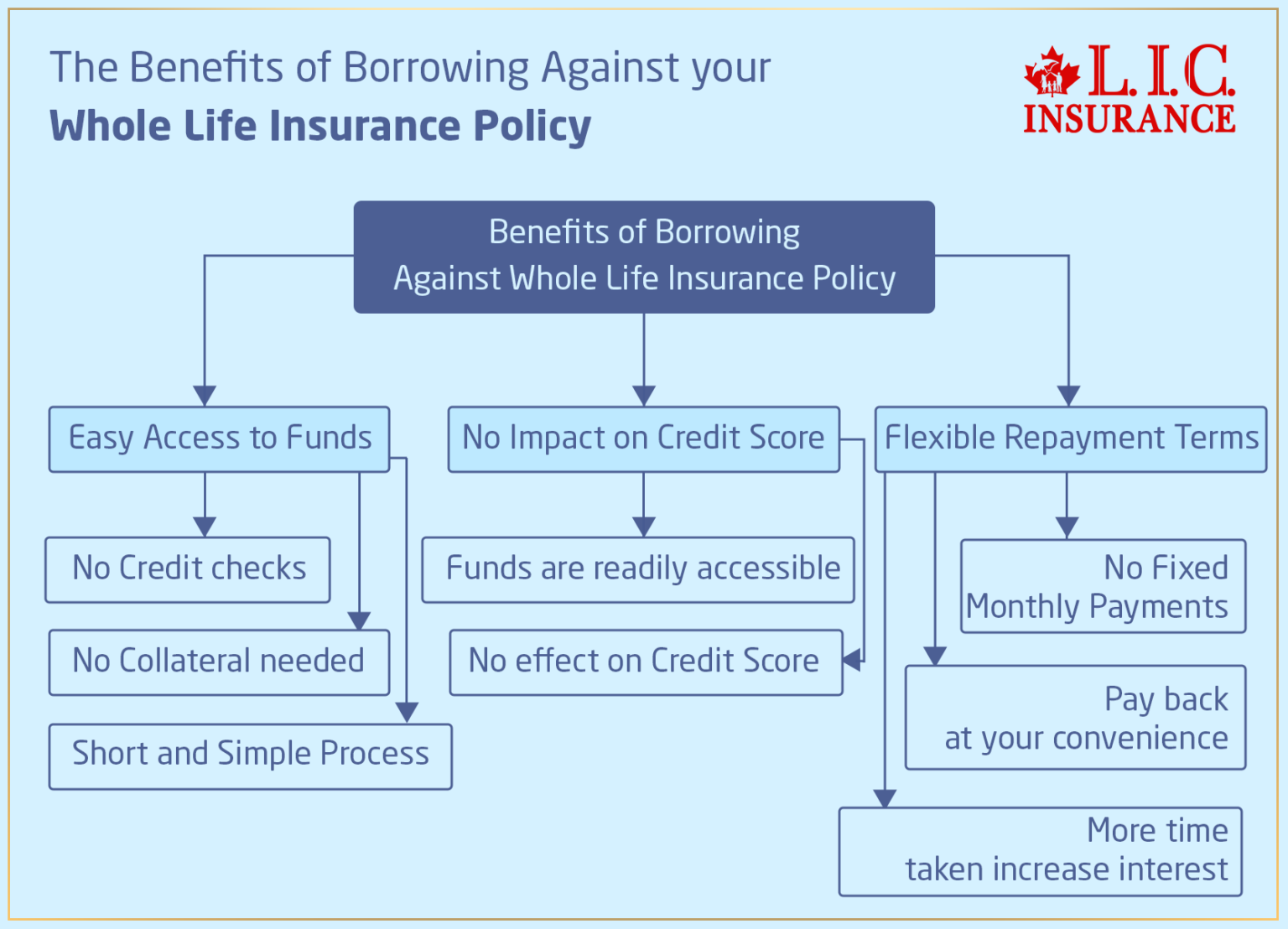
- Cash Value Access: Homeowners often face high-cost maintenance or emergency repairs. The cash value in a whole life policy can be accessed through policy loans or withdrawals. Because this money is available to you while you are alive, it serves as a reserve fund that is independent of real estate market cycles.
Distinguishing Between Term and Whole Life
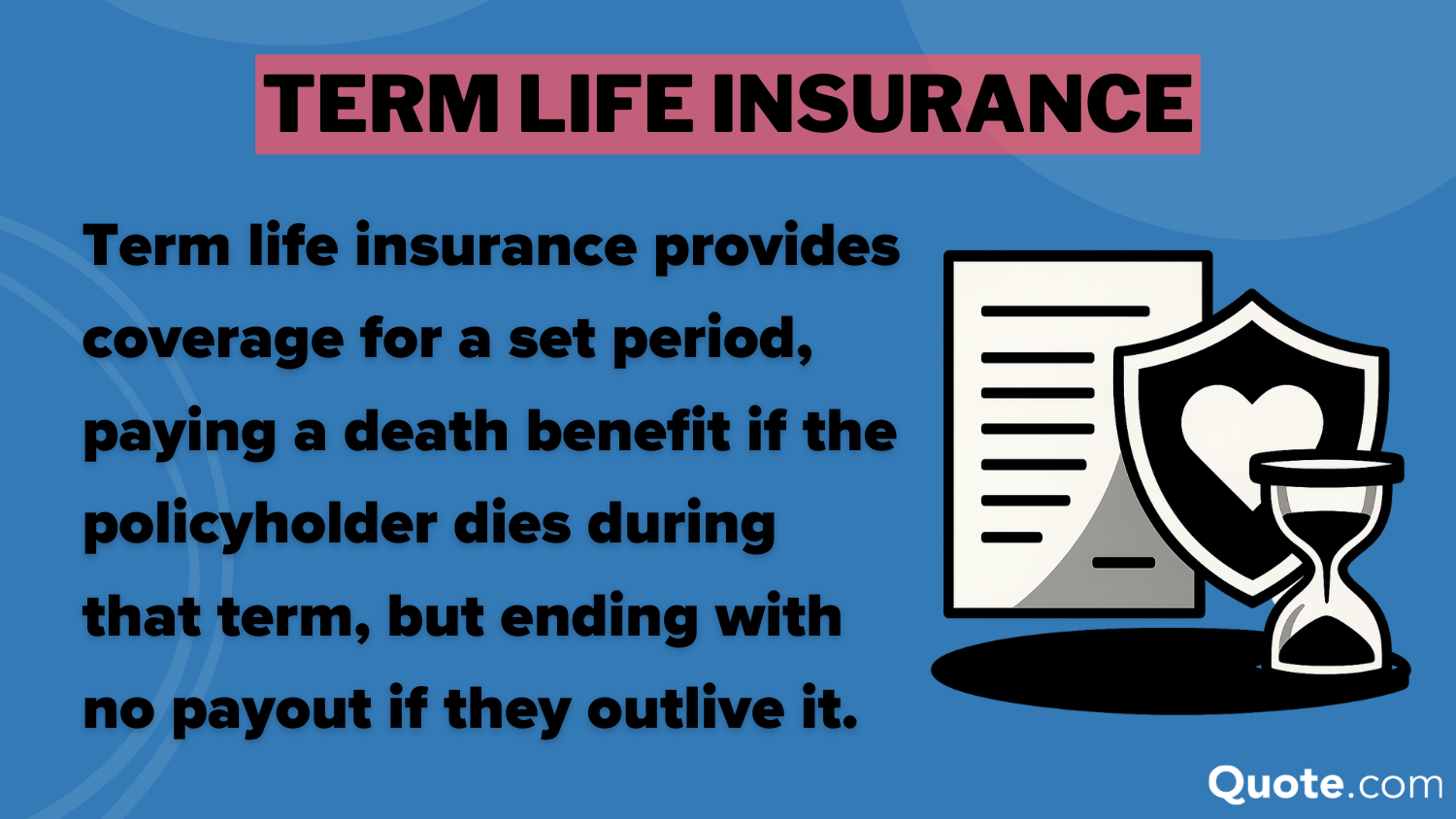
It is vital to understand the contrast between term and permanent insurance to determine which fits your housing goals. Term life insurance is "pure" protection; it is a temporary safety net. If you outlive the term, the policy expires with no residual value.
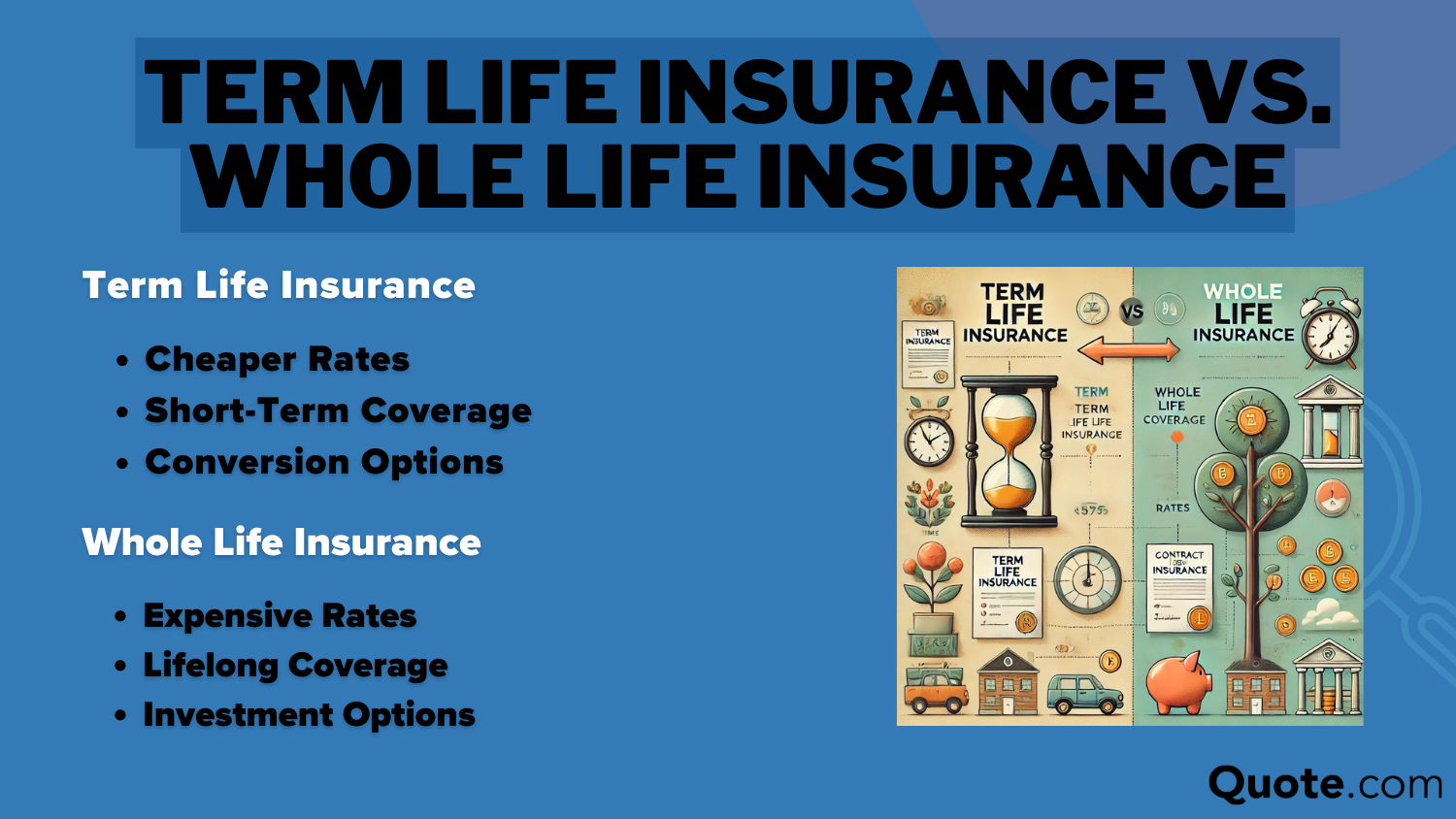
Whole life insurance is permanent. Because it includes an investment-like savings component and guarantees coverage for life, the premiums are significantly higher than those of a term policy.
| Feature | Term Life Insurance | Whole Life Insurance |
|---|---|---|
| Duration | Specific period (e.g., 20 years) | Lifetime coverage |
| Cash Value | None | Yes, grows over time |
| Premiums | Lower, fixed for the term | Higher, fixed for life |
| Primary Use | Temporary debt protection | Estate planning and cash reserves |
| Loan Eligibility | No | Yes, against cash value |
The Role of Cash Value in Homeownership
The cash value component is frequently misunderstood. It is not an external investment account like a 401(k) or an IRA; rather, it is an internal contractual feature of the insurance policy. As a homeowner, you can borrow against this cash value at interest rates typically set by the insurer.
If you need to renovate your home—perhaps a new roof, HVAC system, or a kitchen remodel—taking a loan from your whole life policy can be a viable alternative to a Home Equity Line of Credit (HELOC). Unlike bank loans, you are not subject to a credit check or a rigorous loan approval process because you are essentially borrowing your own accumulated capital. However, if you pass away with an outstanding loan balance, the insurer will deduct that amount from the death benefit paid to your beneficiaries.
Requirements for Obtaining Coverage
To secure a whole life insurance policy, you must go through an underwriting process. Insurers evaluate your eligibility based on several factors:
- Medical History: You will likely need to undergo a paramedical exam, which includes a blood draw and a review of your health records.
- Age: Generally, the younger you are when you apply, the lower your premium will be.
- Financial Profile: For larger policies, insurers may require proof of income or assets to ensure the death benefit is commensurate with your financial needs.
- Lifestyle Habits: Factors such as tobacco use, extreme hobbies, or a history of high-risk activities will influence your rating class, which determines your premium cost.
Potential Drawbacks and Considerations
While whole life insurance offers benefits, it is not the correct solution for everyone. The most significant barrier for many homeowners is the premium cost. Because whole life is permanent, the premiums are substantially higher than those for equivalent term life coverage. If you are struggling to manage your monthly mortgage payment, property taxes, and other living expenses, committing to a high-premium insurance policy may create unnecessary financial strain.
Additionally, the growth of the cash value is typically conservative. It is not designed to outperform the stock market or other high-yield investment vehicles. If your goal is aggressive investment growth, you may find the returns on a whole life policy to be suboptimal.
Strategic Planning for Your Home
For many homeowners, the ideal strategy involves a hybrid approach. Some individuals choose a base of term life insurance to cover the mortgage during the primary years of child-rearing and debt repayment, while simultaneously holding a smaller whole life policy to provide permanent protection and a growing cash reserve.
Before committing, consult with a licensed insurance professional who can run an illustration for you. An illustration is a document that shows the projected growth of the policy, the premium requirements, and the expected death benefit over several decades. Always verify that the company issuing the policy has a high financial strength rating from agencies like AM Best or S&P, as the efficacy of the policy depends entirely on the insurer’s ability to pay claims decades into the future.
Frequently Asked Questions
Can I pay off my mortgage using my whole life insurance cash value? Yes, you can withdraw your cash value or take a policy loan to pay down or pay off your mortgage. However, keep in mind that doing so will reduce the amount of the death benefit your beneficiaries receive and may reduce the future growth potential of the policy.
What happens if I cannot afford the premiums anymore? If you stop paying premiums, you generally have a few options: you can surrender the policy for the cash value, convert it to a "reduced paid-up" policy (where the death benefit is lowered but you owe no further premiums), or use the cash value to pay the premiums for as long as funds remain.
Is the cash value in my policy taxable? Generally, the cash value growth within a life insurance policy is tax-deferred. If you take a loan, it is typically tax-free. If you surrender the policy, you may be taxed on the amount that exceeds the total premiums you have paid.
Do I need a medical exam to get a policy? Many policies require a paramedical exam. However, there are "simplified issue" or "guaranteed issue" policies that do not require an exam, though these typically have higher premiums and lower death benefits.
How does my homeowner’s insurance interact with whole life insurance? They serve completely different purposes. Homeowner’s insurance protects the physical structure of your home against perils like fire or theft. Whole life insurance protects your family’s financial ability to maintain ownership of that home if you are no longer there to provide for the payments.
Next Steps
To determine if whole life insurance is the right fit for your homeownership plan, start by reviewing your current debt load and future financial goals. Calculate the total cost of your remaining mortgage, and evaluate your monthly budget to see if the higher premiums of a permanent policy are sustainable. Reach out to an independent insurance agent who represents multiple carriers to compare options and obtain accurate, personalized illustrations. Ensure you are comparing apples-to-apples by reviewing the financial strength ratings of the insurers and reading the policy document thoroughly before signing.