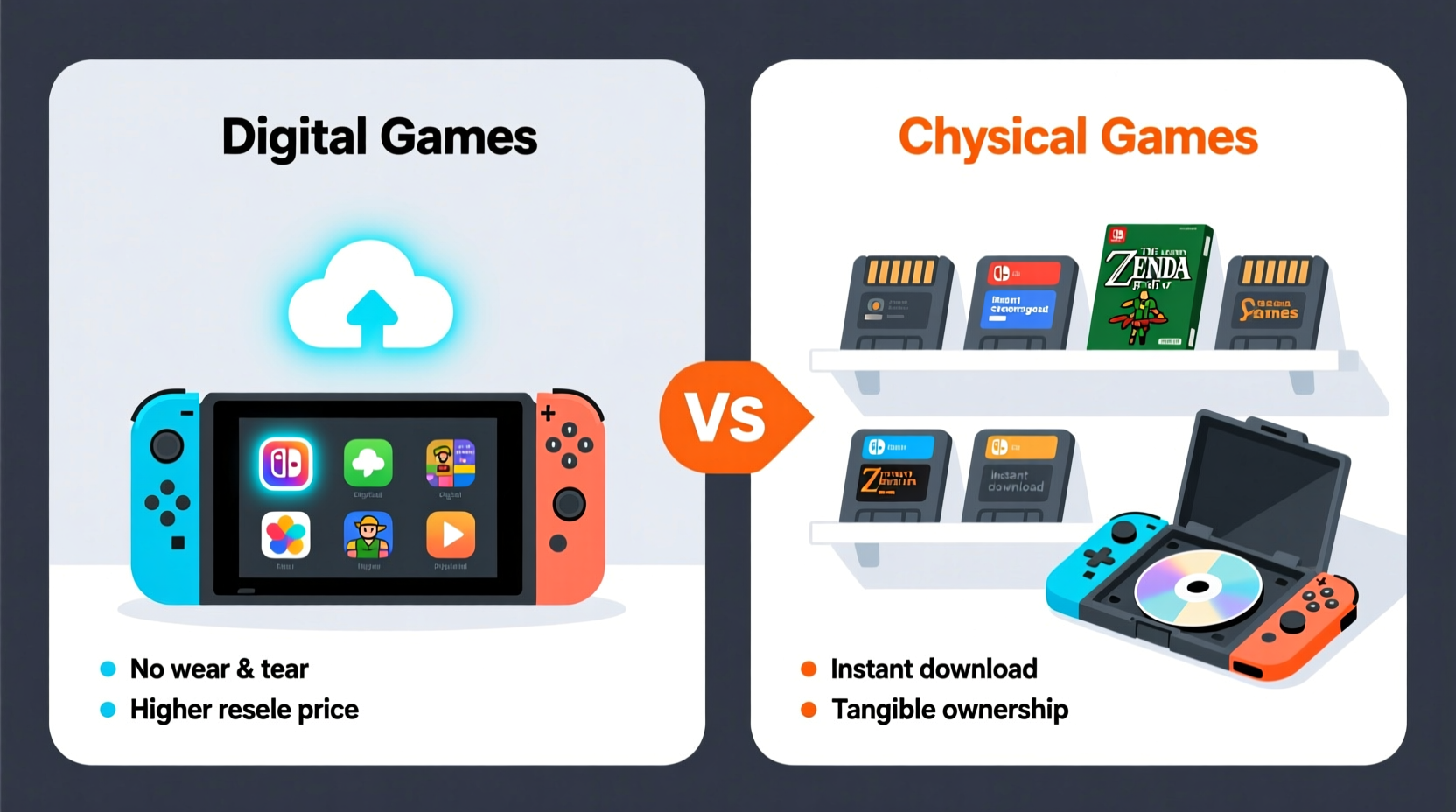
Whether physical games are objectively better than digital counterparts depends on your personal priorities regarding ownership, convenience, and long-term access. While digital storefronts offer unparalleled ease of use, physical media provides tangible ownership, resale value, and independence from internet connectivity or server-side licensing. In 2026, the choice between these two formats remains a significant decision for gamers managing library longevity, storage space, and budget.
The Evolution of Game Distribution
The gaming industry has shifted dramatically over the past two decades. In the early 2000s, physical media—cartridges and optical discs—was the exclusive gateway to interactive entertainment. Today, digital distribution platforms like the PlayStation Store, Xbox Games Store, Steam, and the Nintendo eShop have fundamentally changed how players acquire and store software.
Physical media acts as a static, offline repository of a game’s data. When you insert a disc or cartridge, the hardware reads the information directly from the source. Conversely, digital games rely on a licensing model where the user purchases the right to access the software, which is then downloaded onto a local storage drive. This distinction is the bedrock of the ongoing debate between collectors who value permanent possession and players who prioritize the efficiency of instant digital access.
The Case for Physical Media: Ownership and Tangibility
The primary argument for physical gaming centers on the concept of permanence. When you buy a physical copy, you hold a tangible asset that is not tethered to a digital account or an active server connection.
Ownership and Resale Value
Physical games are personal property. You can sell them to secondary markets, trade them with friends, or loan them out without restriction. In 2026, the secondary market for physical media remains robust, allowing players to recoup a significant portion of their initial investment after completing a title. Digital games, by contrast, are non-transferable; once purchased, they are permanently bound to your user account, rendering them impossible to sell or trade.
The "Preservation" Factor
Digital storefronts are subject to "delisting," a process where publishers remove titles from digital marketplaces due to expired licensing agreements or corporate strategy. While you can usually continue to download games you have already purchased, these titles can become inaccessible if a digital storefront ceases operation or if your account is banned. Physical media bypasses this risk entirely. If you possess the disc, the game remains playable on compatible hardware long after the publisher has moved on to new projects.
Bandwidth and Storage Independence
Digital games frequently require massive downloads. With game sizes often exceeding 100 gigabytes, players with capped or slow internet connections face significant hurdles. Physical discs contain a significant portion of the game’s core data, meaning less time spent downloading large files and fewer instances of exceeding data caps.
The Case for Digital: Convenience and Accessibility
Digital distribution has become the standard for many because it solves the logistical challenges of physical collecting.
Instant Access and Library Management
The most immediate benefit of digital gaming is convenience. You can purchase and install a game from your living room without traveling to a retailer or waiting for a shipment. Furthermore, digital libraries are immune to physical damage; there is no risk of a scratched disc, a lost cartridge, or the clutter of shelf space. For players who frequently switch between titles, a digital-only setup allows for a frictionless transition between games.
Frequent Sales and Pricing
Digital storefronts run aggressive, rotating sales. Platforms like Steam or the PlayStation Store often offer significant discounts on older titles or bundles that are rarely matched by brick-and-mortar retail pricing. While physical games occasionally drop in price over time, digital sales provide a consistent avenue for building a massive library on a limited budget.
Ecosystem Integration
Many modern consoles are now designed to function primarily within a digital ecosystem. Digital games enable "Game Sharing" features, which allow multiple consoles to access the same library under specific conditions, and they are typically the only way to utilize subscription services like Xbox Game Pass or PlayStation Plus, which offer vast libraries for a monthly fee.
Comparative Breakdown: Physical vs. Digital
| Feature | Physical Media | Digital Media |
|---|---|---|
| Ownership | True ownership of the copy | Licensed access to the software |
| Resale Value | Yes, can sell or trade | No, tied to account |
| Storage | Occupies physical shelf space | Occupies internal drive/SSD |
| Connectivity | Offline-capable for many titles | Requires internet for activation |
| Condition | Susceptible to wear and damage | Immune to physical degradation |
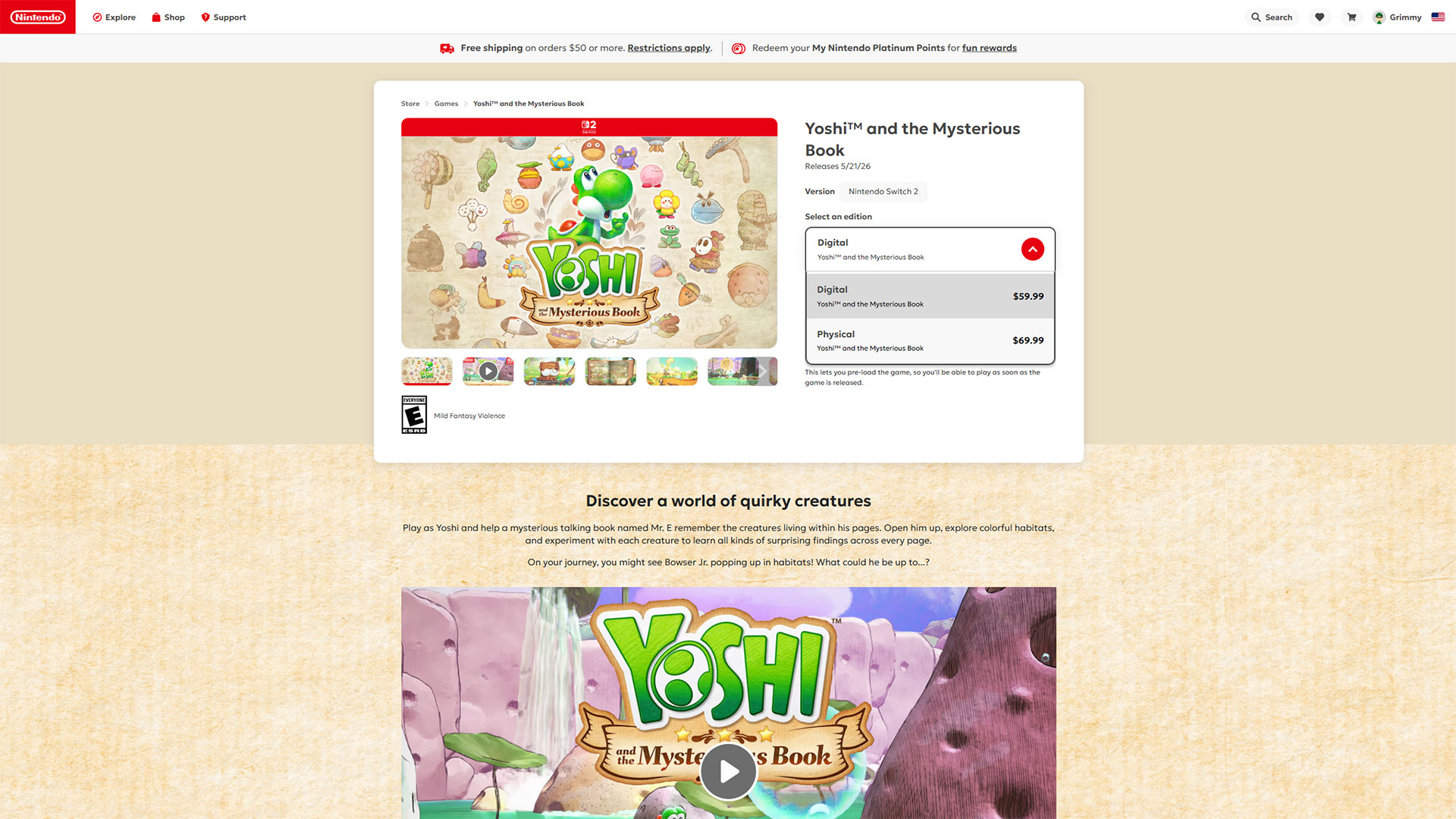
| Acquisition | Requires retail visit or shipping | Instant download |
Technical Considerations and Limitations
It is crucial to note that the boundary between physical and digital has blurred in 2026. Almost all modern physical games require a "day-one patch" or a mandatory installation to the internal solid-state drive (SSD). Even with a disc, you are often tethered to the publisher’s servers for updates, bug fixes, and critical authentication.
Furthermore, many modern consoles are sold in "Digital Editions," which lack an optical drive entirely. If you own a digital-only console, you are functionally locked into the digital ecosystem. Before choosing a format, verify whether your hardware supports physical media, as the cost of "upgrading" to a disc-capable console is a significant factor if you later decide to switch preferences.
Frequently Asked Questions
Do physical games take up less space than digital ones?
Actually, both formats take up nearly identical amounts of space on your console's internal storage. Even when playing from a disc, modern consoles copy the data onto the SSD to ensure fast load times. The disc acts primarily as a license key and a source for the initial installation.
Are physical games more reliable long-term?
Yes, generally speaking. Physical media allows you to play a game exactly as it was pressed onto the disc. Digital games are entirely dependent on the host platform remaining online and your account staying in good standing. If a company revokes your license or closes its servers, you may lose access to your digital games permanently.
Can I share physical games with friends?
Yes. Physical games can be handed off to friends or family members without restriction. Digital games are legally and technically locked to your specific user profile, preventing lending or resale under current terms of service.
Does a physical disc always contain the full game?
Not necessarily. Many publishers ship incomplete builds on discs to meet manufacturing deadlines, requiring you to download a large "Day One" patch regardless. While the base assets are on the disc, you should expect to download additional data to access the most stable, feature-complete version of the software.
Should I buy physical if I have slow internet?
If you have a strict data cap or very low bandwidth, physical media is highly recommended. It significantly reduces the amount of data you must pull from the internet, which can save you from exceeding monthly service limits and reduce waiting times before you can start playing.
Final Recommendation
If you prioritize long-term preservation, the ability to trade, or the desire to own your collection without digital licensing constraints, prioritize physical media. It provides a level of independence that digital storefronts cannot replicate. However, if your lifestyle favors convenience, quick library management, and frequent participation in seasonal sales, digital distribution is the superior, more efficient choice. Many players find that a hybrid approach—buying physical for games they want to keep forever and digital for titles they intend to play once and move on from—offers the best balance of both worlds.