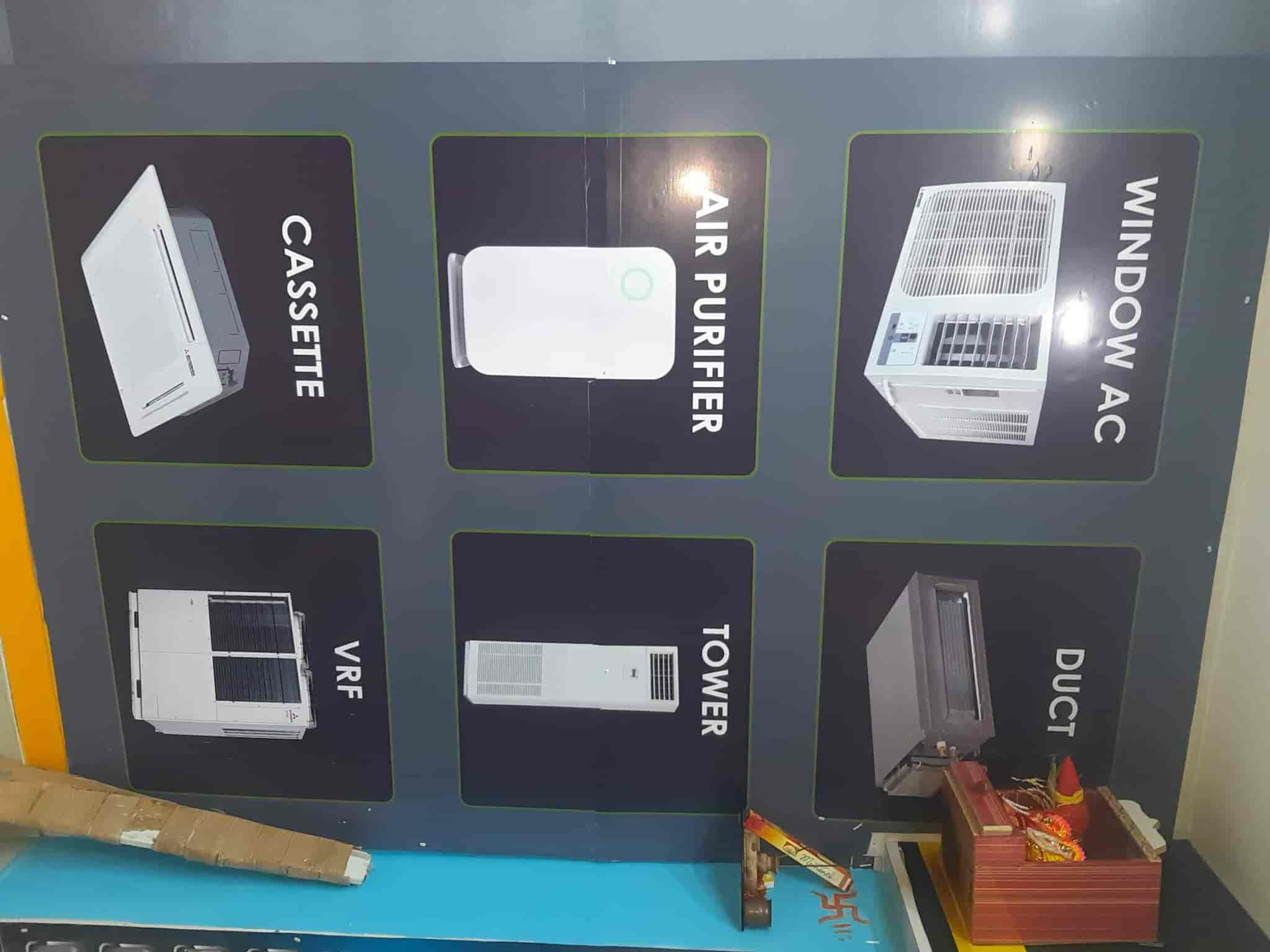
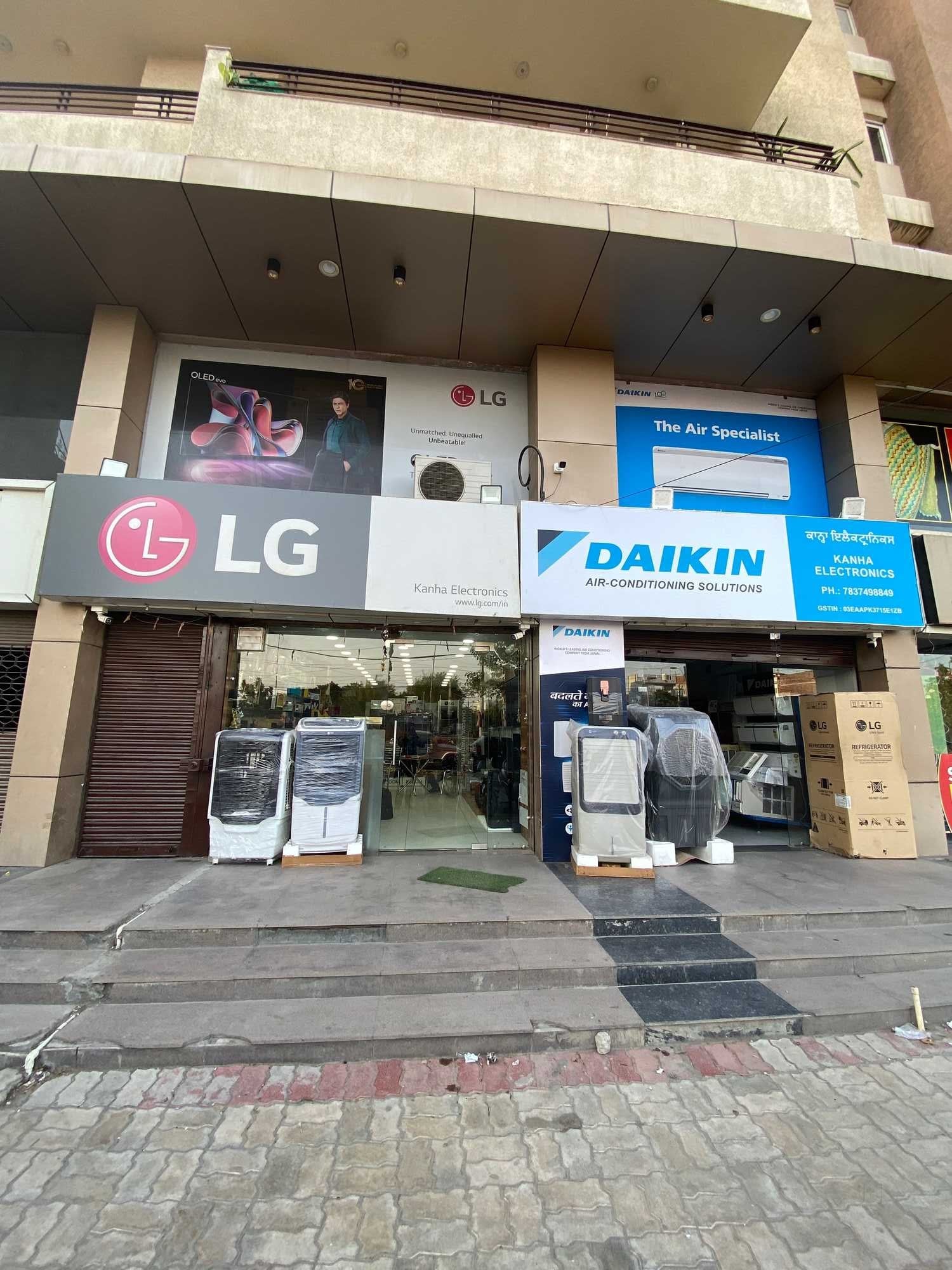
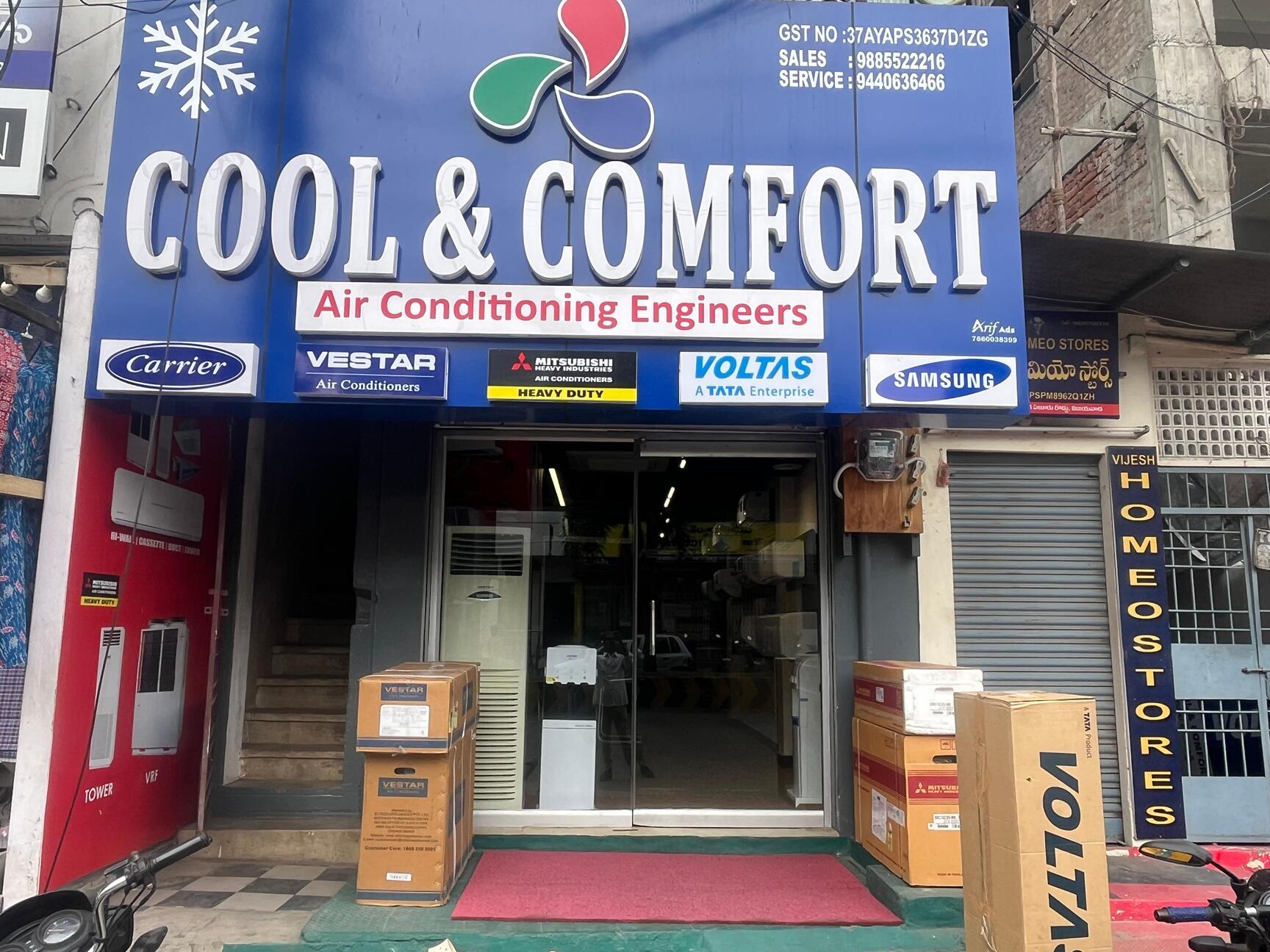
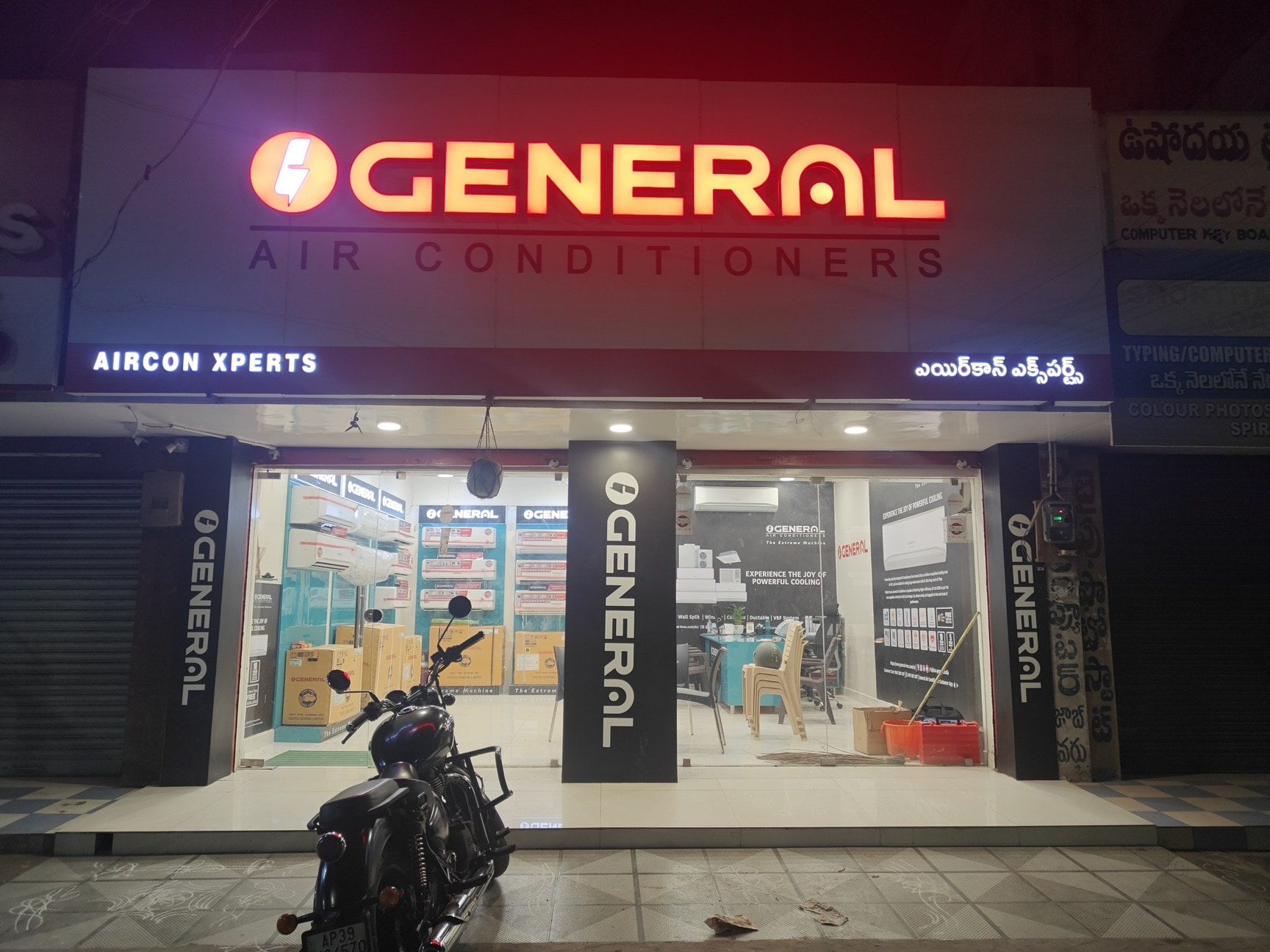
To find the most reliable AC dealers near you, look for contractors who hold NATE certification, maintain valid state licensing, and carry comprehensive liability insurance. Prioritize "Factory Authorized Dealers" for specific brands to ensure specialized training and valid warranty registrations. Always insist on a Manual J load calculation rather than a simple square-footage estimate.
Finding a reputable air conditioning dealer is no longer just about picking a name from a directory. As of 2026, the HVAC industry has undergone significant shifts in refrigerant standards, efficiency requirements, and smart home integration. Whether you are facing a total system failure in the height of summer or planning a proactive upgrade to a high-efficiency heat pump, the dealer you choose will determine the performance, longevity, and safety of your investment. An AC dealer is more than a retail outlet; they are specialized contractors responsible for the engineering, installation, and long-term maintenance of one of your home’s most expensive mechanical systems.
Understanding the Role of an Authorized AC Dealer
An AC dealer acts as the bridge between the manufacturer and the end consumer. Unlike a general handyman, a professional dealer must understand the complex physics of thermodynamics, airflow, and electrical circuitry. In 2026, most major manufacturers like Carrier, Trane, and Lennox operate through a tiered dealer network.
Authorized dealers often receive factory-direct training that is unavailable to the general public or uncertified contractors. This training covers the nuances of specific proprietary control boards, variable-speed compressors, and the latest eco-friendly refrigerants such as R-454B and R-32. When you search for "AC dealers near me," you are looking for a partner who can provide not just the hardware, but the technical expertise to ensure that hardware operates at its peak SEER2 (Seasonal Energy Efficiency Ratio 2) rating.
Furthermore, authorized dealers often have exclusive access to extended warranties and specialized financing programs. If an uncertified technician installs a high-end system, the manufacturer may void the warranty because the installation did not meet their specific technical requirements. Therefore, verifying a dealer’s status with the brand they sell is a non-negotiable first step in the hiring process.
Key Factors to Consider When Searching for "AC Dealers Near Me"
When evaluating local options, you must move beyond surface-level reviews and examine the technical credentials that ensure quality workmanship.
Licensing and Certification
In most jurisdictions, HVAC work requires a specific state-level contractor license. This license ensures the company has met minimum competency standards and understands local building codes. Beyond the company license, look for individual technician certifications from North American Technician Excellence (NATE). NATE-certified technicians have passed rigorous exams demonstrating their knowledge of real-world HVAC systems. In 2026, with the increasing complexity of inverter-driven systems, NATE certification is the industry gold standard for technical proficiency.
Insurance and Bonded Status
Never allow a dealer to perform work on your property without proof of general liability insurance and workers' compensation. If a technician is injured on your roof or accidentally causes a fire during a soldering task, you could be held liable if the company is not properly insured. A "bonded" dealer provides an extra layer of protection, ensuring that if they fail to complete the project or fulfill their contractual obligations, a bonding company will provide financial compensation.
Reputation and Local Longevity
While new companies can provide excellent service, a dealer with a decade or more of local history suggests stability. HVAC warranties often span 10 to 12 years; you want a dealer who will still be in business five years from now when you need a warranty-covered repair. Check third-party platforms such as the Better Business Bureau (BBB) and local consumer protection agencies for unresolved complaints or patterns of poor service.
The Importance of the Manual J Load Calculation
A common mistake made by subpar AC dealers is sizing a new system based on the "rule of thumb" (e.g., one ton of cooling for every 500 square feet). In 2026, this approach is considered obsolete and technically irresponsible. Professional dealers perform a Manual J Load Calculation, a protocol developed by the Air Conditioning Contractors of America (ACCA).
This calculation takes into account:
- The local climate and peak summer temperatures.
- The orientation of the house relative to the sun.
- The type and amount of insulation in the walls and attic.
- The number and efficiency of windows.
- The heat generated by occupants and appliances.
An oversized AC unit will "short-cycle," turning on and off rapidly. This prevents the system from properly dehumidifying the air, leading to a clammy indoor environment and premature compressor failure. Conversely, an undersized unit will run constantly, failing to reach the thermostat setpoint and drastically increasing your energy bills. A reputable dealer will spend significant time measuring your home before ever providing a quote.
2026 Technology Trends: Why Your Choice of Dealer Matters
The HVAC landscape in 2026 is dominated by two major shifts: the transition to low-GWP (Global Warming Potential) refrigerants and the widespread adoption of heat pump technology.
Heat Pumps and Inverter Technology
The term "A/C" is increasingly synonymous with "heat pump." Modern heat pumps use inverter-driven compressors that can modulate their output precisely, rather than just being "all on" or "all off." This technology allows for incredible energy savings but requires a dealer who understands low-voltage communication wires and digital diagnostics. If you are searching for a dealer, ask specifically about their experience with cold-climate heat pumps and variable-refrigerant flow (VRF) systems.
Smart Home Integration and Diagnostics
Most high-end AC systems now feature onboard diagnostics that can alert the dealer to a problem before the homeowner even notices a change in temperature. When choosing a dealer, inquire if they offer remote monitoring services. This allows the dealer to see error codes and performance data through a secure cloud connection, often enabling them to arrive with the correct replacement part already in hand, reducing downtime significantly.
Comparative Analysis of Top AC Brands and Dealer Networks
The following table provides a comparison of the major manufacturer-dealer ecosystems you are likely to encounter in 2026.
| Brand | Dealer Network Type | Typical Warranty | Specialization |
|---|---|---|---|
| Carrier | Factory Authorized Dealers | 10-Year Parts | High-efficiency Greenspeed Intelligence systems. |
| Trane | Comfort Specialists | 10-12 Year Parts | Durability and "Spine Fin" outdoor coils. |
| Lennox | Premier Dealers | 10-Year Parts | Quiet operation and advanced air filtration (PureAir). |
| Mitsubishi Electric | Diamond Contractors | 12-Year Parts/Compressor | Ductless mini-splits and multi-zone heat pumps. |
| Rheem/Ruud | Pro Partners | 10-Year Parts | Value-driven performance and compact footprints. |
Note: Warranty terms often require registration within 60-90 days of installation. Professional dealers typically handle this registration for the homeowner.
Typical Costs and Financing for New AC Installations in 2026
The cost of a new air conditioning system is influenced by the SEER2 rating, the capacity (tonnage), and the complexity of the installation (e.g., replacing old ductwork). In 2026, a standard central AC replacement typically ranges from $6,500 to $13,000, while high-efficiency heat pump systems can range from $9,000 to $18,000.
Many dealers offer specialized financing. In 2026, look for:
- Low-APR Manufacturer Financing: Brands often partner with lenders to offer 0% or low-interest rates for 36–72 months.
- Federal Tax Credits: Under the continuation of clean energy incentives, many high-efficiency heat pumps qualify for significant federal tax credits (up to $2,000 in many cases).
- Utility Rebates: Local electricity providers often offer instant rebates for installing systems that exceed certain efficiency thresholds. A good dealer will provide the necessary documentation to claim these savings.
Red Flags to Avoid When Hiring an HVAC Contractor
While searching for "AC dealers near me," remain vigilant for these common warning signs:
- Quotes Over the Phone: A dealer cannot accurately price a system without seeing your home’s ductwork, electrical panel, and physical layout.
- Extremely Low Bids: If one quote is thousands of dollars lower than others, the dealer may be cutting corners on permitting, using unlicensed labor, or failing to include necessary components like a new evaporator coil.
- Pressure to Buy Immediately: Reputable dealers provide a written proposal and allow you time to review it. High-pressure "today only" sales tactics are a hallmark of predatory sales-focused companies.
- Lack of Written Contract: Every detail—brand, model numbers, SEER2 ratings, labor warranty, and permit fees—should be clearly outlined in a signed contract.
Steps to Take Before the Dealer Arrives
To get the most out of your consultation with an AC dealer, perform a few preliminary checks:
- Locate Your Current Model: Take a photo of the data plate on your outdoor unit and indoor furnace/air handler. This helps the dealer understand your current system's capacity.
- Identify Hot/Cold Spots: Note any rooms that are consistently uncomfortable. This might indicate ductwork issues that the dealer needs to address.
- Check Your Electrical Panel: Know where your main breaker is and check if there is space for new circuits if you are upgrading to a more powerful system.
- Review Recent Utility Bills: Having a year's worth of energy data allows the dealer to calculate your potential Return on Investment (ROI) for a high-efficiency upgrade.
Frequently Asked Questions
What is the difference between an AC dealer and a technician?
An AC dealer is the business entity that sells the equipment and holds the licenses and insurance required to operate. A technician is the individual employee who performs the actual repair or installation. A top-tier dealer employs highly trained technicians, but you should verify both the company’s reputation and the staff’s certifications.
How long should a new AC system last in 2026?
With proper annual maintenance, a modern AC system or heat pump should last between 15 and 20 years. However, systems located in harsh coastal environments with salt air may have a shorter lifespan of 10 to 12 years due to coil corrosion.
Do I really need to replace my indoor and outdoor units at the same time?
Yes. In 2026, mixing and matching an old indoor coil with a new outdoor compressor is highly discouraged. Modern systems are designed as "matched sets" to achieve their rated efficiency. An old coil may not be able to handle the pressures of new refrigerants or may be too small, leading to system failure and a voided warranty.
How often should I have my AC dealer service my system?
Maintenance should be performed twice a year: once in the spring before the cooling season and once in the fall before the heating season. Regular service prevents small issues, like a clogged condensate drain or a failing capacitor, from turning into expensive emergency repairs.
Are ductless mini-splits better than central air?
It depends on your home. Ductless systems are excellent for homes without existing ductwork or for specific room additions. They are often more efficient because they avoid the energy loss associated with ducts. However, for a whole-house solution in a home already equipped with ducts, a central heat pump is usually more cost-effective.
Final Recommendation: Your Next Steps
Choosing the right AC dealer is the single most important factor in ensuring home comfort and energy efficiency. Do not settle for the first name that appears in a search result. Instead, select three highly-rated dealers in your immediate area and request comprehensive, written quotes that include a Manual J load calculation. Verify their license and insurance through your state’s online portal. By prioritizing technical expertise and transparency over the lowest price, you will ensure that your cooling system remains reliable through 2026 and beyond.