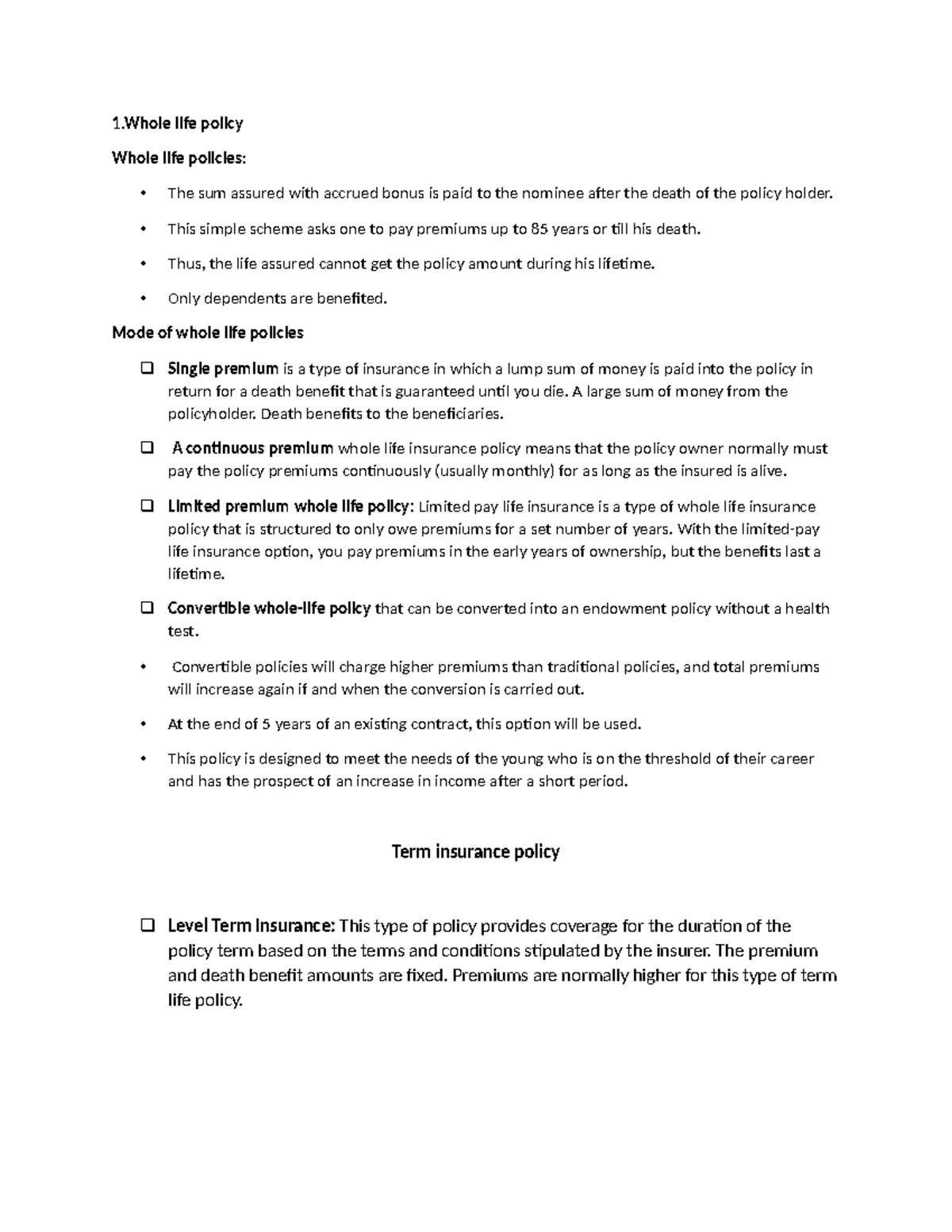
An assured life insurance policy, most commonly known as guaranteed acceptance or guaranteed issue life insurance, is a type of whole life coverage that does not require a medical exam or health questionnaire. These policies ensure acceptance for applicants within a specific age range, typically 50 to 85, regardless of their medical history or pre-existing conditions.
The landscape of the insurance industry in 2026 emphasizes accessibility and digital-first underwriting, yet the fundamental mechanics of assured life insurance remain rooted in providing financial security for final expenses. Whether you are navigating the complexities of "sum assured" terminology or looking for a policy that guarantees approval despite health challenges, understanding the nuances of these contracts is essential for sound financial planning.
Defining "Assured" in Life Insurance: Terminology and Context
Before diving into the mechanics of these policies, it is vital to resolve a common point of ambiguity regarding the word "assured." In the insurance sector, this term is used in two distinct ways.
First, it refers to the Sum Assured, which is the fixed amount of money the insurance provider agrees to pay the beneficiaries upon the death of the policyholder. This is a core component of any life insurance contract, representing the face value of the policy.
Second, and more relevant to those searching for "assured life insurance," is the concept of Guaranteed Assurance. This refers to the promise that an applicant will not be turned down for coverage. Unlike traditional policies that involve "medical underwriting"—where insurers review your doctor's records, blood tests, and physical health—assured policies bypass this gatekeeping. In 2026, this remains the primary vehicle for individuals who have been denied traditional coverage due to chronic illness, high-risk lifestyle factors, or advanced age.
How Assured Life Insurance Policies Function
Assured life insurance is almost always a form of whole life insurance. This means as long as the premiums are paid, the policy remains in force for the duration of the insured’s life; it does not "expire" like term insurance.
The Mechanism of No-Medical Underwriting
In a standard life insurance application, the insurer assesses the risk of your death to determine your premium. Because assured policies waive this assessment, the insurer takes on a significantly higher level of risk. To compensate for this, these policies incorporate specific structural elements:
- Fixed Premiums: Once you are locked into a policy, your monthly or annual premiums will never increase, regardless of how your health changes or how the economy performs.
- Cash Value Accumulation: Like other whole life products, these policies build a small amount of cash value over time. In 2026, policyholders often use this cash value as a loan source for emergencies, though unpaid loans will reduce the final death benefit.
- Graded Death Benefits: This is the most critical feature of an assured policy. To prevent people from buying a policy on their deathbed, insurers implement a waiting period—usually two to three years. If the policyholder dies from natural causes during this window, the beneficiaries receive a refund of the premiums paid plus a small percentage of interest (often 10%), rather than the full sum assured.
The Significance of the Graded Period
The graded death benefit protects the insurance company’s pool of funds from "adverse selection." Without this waiting period, the cost of assured life insurance would be prohibitively expensive for everyone, as the company would have to pay out massive claims shortly after receiving only one or two premium payments. It is important to note that most assured policies make an exception for accidental death. If the policyholder dies in a car accident or a similar unforeseen event during the graded period, the full sum assured is typically paid out immediately.
Eligibility and Requirements in 2026
While the "guaranteed" nature of these policies suggests anyone can join, there are still a few basic eligibility criteria that must be met. These are generally administrative rather than health-related.
Age Restrictions
In 2026, the standard age bracket for assured life insurance remains 50 to 85. Some niche providers may offer coverage starting at age 40 or extending to age 90, but these are outliers. The age of the applicant is the primary factor used to calculate the premium amount since the insurer cannot look at health data.
Residency and Legal Status
Applicants must usually be legal residents or citizens of the country where the policy is issued. In the United States, for instance, a valid Social Security number and a permanent address are standard requirements.
Mental Capacity to Contract
While physical health is not screened, the applicant must have the legal capacity to enter into a contract. This can become a complex issue in cases of advanced dementia or Alzheimer’s, where a legal power of attorney may be required to facilitate the application on behalf of the insured.
Analyzing the Costs: Why Assured Policies Are Pricier
It is a mathematical reality that assured life insurance is the most expensive way to purchase coverage per dollar of benefit. In 2026, a $25,000 guaranteed issue policy might cost significantly more per month than a $250,000 term life policy for a healthy individual.
The pricing reflects the "blind" risk the insurer is taking. Because they assume every applicant might have a serious health condition, they price the policy for the "worst-case" health profile.
Factors Influencing Your Premium
- Age at Enrollment: The older you are when you start the policy, the higher the premium. It is always more cost-effective to lock in a rate at age 55 than at age 75.
- Gender: Statistically, women have longer life expectancies than men. Consequently, women often see slightly lower premiums for the same amount of coverage.
- Coverage Amount: Most assured policies are "small-face" policies, ranging from $2,000 to $25,000. While $50,000 policies exist, they are less common and carry very high monthly costs.
Comparison of Life Insurance Policy Types
To understand where an assured policy fits into a broader financial strategy, it is helpful to compare it against other common products available in 2026.
| Feature | Guaranteed Assured Policy | Simplified Issue Policy | Fully Underwritten Whole Life |
|---|---|---|---|
| Medical Exam | None | None (Health Questions Only) | Required (Vitals/Labs) |
| Approval Time | Minutes / Near Instant | 24–72 Hours | 4–8 Weeks |
| Graded Period | 2–3 Years (Common) | Usually None | None |
| Cost | Highest | Moderate | Lowest (for healthy) |
| Max Coverage | Typically $25,000 | Up to $50,000+ | Millions |
| Target Audience | Seriously Ill / Seniors | Moderate Health Issues | Healthy Applicants |
Common Use Cases for Assured Coverage
Why would someone choose a policy with a lower payout and a higher cost? For many, it is the only viable option to protect their family from the immediate financial burden of death.
Final Expense Planning
The most common use for an assured life insurance policy is "burial insurance." In 2026, the average cost of a traditional funeral, including a casket and vault, can exceed $12,000 in many regions. An assured policy of $15,000 to $20,000 provides beneficiaries with the liquidity needed to cover these costs without dipping into savings or taking out high-interest loans.
Debt Liquidation
Small outstanding debts, such as credit card balances or medical bills, can be settled using the proceeds of an assured policy. This ensures that the estate left behind is "clean" and that survivors are not hounded by creditors during a time of grief.
Leaving a Small Legacy
Even if an individual cannot afford a massive life insurance policy, an assured policy allows them to leave a modest gift to a grandchild or a donation to a favored charity.
Verification and Due Diligence
When shopping for an assured life insurance policy in 2026, verification of the insurer's stability is paramount. Since these policies are intended to last for decades, you must ensure the company will be there to pay the claim.
- Check AM Best Ratings: Look for companies with an "A" rating or higher. This indicates financial strength and the ability to meet ongoing insurance obligations.
- State Insurance Department Records: Verify that the company is licensed to sell insurance in your specific jurisdiction. Organizations like the National Association of Insurance Commissioners (NAIC) provide tools to check the status of insurers and view complaint ratios.
- Read the Fine Print on "Graded Benefits": Not all graded periods are the same. Some companies return 100% of premiums plus 10% interest, while others may have a staggered payout (e.g., 25% of the sum assured in year one, 50% in year two). Always confirm the exact terms.
Common Mistakes to Avoid
Navigating the insurance market can be treacherous. Here are the most frequent errors people make when purchasing assured coverage:
- Buying Too Much or Too Little: Calculate the actual cost of your final wishes. Buying a $25,000 policy when you only need $10,000 results in unnecessary premium expenses. Conversely, a $5,000 policy may not cover the rising costs of services in 2026.
- Ignoring "Simplified Issue" Options: Many people assume they need "guaranteed" coverage because they have a common condition like controlled high blood pressure. In reality, they might qualify for a Simplified Issue policy, which has no medical exam but asks a few health questions. These policies are cheaper and usually have no waiting period.
- Replacing a Policy Too Late: If you have an existing policy, do not cancel it until the new assured policy's graded period has passed. If you cancel your old policy and die during the two-year waiting period of the new one, your family may be left with only a premium refund.
- Naming the Wrong Beneficiary: Ensure the beneficiary is someone you trust to carry out your final wishes. In some jurisdictions, naming "the estate" as a beneficiary can tie up the funds in probate for months, defeating the purpose of quick-access funeral funds.
Troubleshooting and Practical Guidance
If you encounter issues during the application or claim process, follow these steps:
During Application: If you are denied an "assured" policy, it is usually due to age (being too young or too old) or residency issues. Double-check the provider's age limits. If you are under 50, you will likely need to look at traditional term or whole life products.
During the Claim Process: Beneficiaries should have the policy number and a certified copy of the death certificate ready. In 2026, most major insurers allow for digital claim filing through secure portals. If a claim is denied during the graded period, ensure the insurer correctly calculates the premium refund plus interest.
Professional Advice Limitation
The information provided in this article is for educational purposes and does not constitute legal, financial, or tax advice. Life insurance laws and regulations vary significantly by jurisdiction (e.g., between different U.S. states or between the UK and Canada). Before purchasing a policy, consult with a licensed insurance professional or financial advisor to ensure the product meets your specific needs and complies with local regulations.
Frequently Asked Questions
Can I have more than one assured life insurance policy?
Yes, you can hold multiple policies from different providers. However, there is a cumulative limit on the total amount of "guaranteed issue" coverage an individual can have across the industry, often monitored through the Medical Information Bureau (MIB) or similar reporting agencies. Most people find it more cost-effective to maximize one policy before seeking another.
Does smoking affect my ability to get an assured policy?
While you cannot be denied for smoking, it will significantly impact your price. In 2026, "tobacco rates" remain a standard feature of assured life insurance. Smokers can expect to pay 30% to 50% more than non-smokers for the exact same sum assured, as actuarial data continues to show higher mortality risks for tobacco users.
What happens if I stop paying the premiums?
Because these are whole life policies, they may have a "grace period" (usually 31 days). If you miss a payment, the policy enters a lapse state. Some policies have a "Non-Forfeiture" clause, where the accumulated cash value is used to pay the premium automatically to keep the policy active. If there is no cash value and the grace period expires, the coverage terminates, and you will not receive a refund of previous premiums.
Are the death benefits from an assured policy taxable?
In most jurisdictions, including the United States under current 2026 tax codes, life insurance death benefits are generally paid to beneficiaries tax-free. However, if the policy proceeds go into an estate that exceeds certain high-value thresholds, they could be subject to estate taxes. Additionally, any interest paid out during a graded death benefit claim may be considered taxable income.
Is there a "free look" period?
Yes, most regions mandate a "free look" period of 10 to 30 days. During this time, you can review the physical policy documents. If you decide the policy isn't right for you, you can cancel it and receive a full refund of any premiums paid. This is a vital consumer protection that allows you to verify the terms without financial risk.
Final Recommendation
If you are in good health, avoid assured life insurance policies; you can find significantly better rates through underwritten coverage. However, if you are over 50 and have been declined elsewhere due to health issues, an assured life insurance policy is an invaluable tool. Your next action should be to gather quotes from at least three "A-rated" providers and compare the length of their graded death benefit periods. Securing a policy today locks in your current age's lower rate and starts the clock on the inevitable two-year waiting period, ensuring your family is protected sooner rather than later.