For the Class of 2026, application fee waiver codes serve as a vital tool for reducing the financial burden of the college admissions process. Students can obtain these waivers through the Common App by meeting income eligibility requirements, receiving SAT/ACT fee waivers, or using specific institutional codes provided by colleges during recruitment events and email campaigns.
The journey toward higher education is often marked by significant milestones, but for many students, the financial barrier of application fees can be a major deterrent. With the average college application fee now ranging between $50 and $90, applying to a balanced list of eight to ten schools can easily cost a family nearly $1,000. For the Class of 2026, navigating the landscape of fee waiver codes is not just about saving money; it is about ensuring equitable access to the institutions that best fit their academic and personal goals.
As we progress through the 2026 calendar year, many students are finalizing their regular decision applications or looking toward rolling admissions for the fall semester. Understanding the mechanics of how these codes are generated, distributed, and redeemed is essential for any applicant looking to maximize their opportunities while minimizing their out-of-pocket expenses.
Understanding the Landscape of Application Fee Waivers
An application fee waiver is a formal authorization that allows a student to submit their college application without paying the standard processing fee. These are generally divided into two categories: need-based waivers and merit/promotional codes.
Need-based waivers are designed for students whose financial situation makes the application fee a hardship. These are standardized across platforms like the Common Application and the Coalition for College. Promotional codes, on the other hand, are often "hidden" or distributed directly by the colleges themselves to encourage a higher volume of applications or to attract specific demographics of students.
For the Class of 2026, the availability of these waivers has expanded as more institutions recognize that application fees can negatively impact diversity and inclusion. However, the onus remains on the student and their high school counselor to identify and apply these waivers correctly within the digital portals used by university admissions offices.
How to Qualify for Need-Based Waivers in 2026
The most common path to a fee waiver is through demonstrated financial need. Most universities adhere to a set of standardized criteria to determine if a student is eligible. For the current 2025-2026 academic cycle, the following criteria generally apply:
- Income Eligibility Guidelines: Students whose families meet the income eligibility levels established by the USDA Food and Nutrition Service for free or reduced-price school lunches are automatically considered eligible for most waivers.
- Participation in Assistance Programs: If a student is enrolled in a program that aids families with low incomes, such as Upward Bound or other TRIO programs, they are eligible.
- Public Assistance: Eligibility for the Federal School Lunch Program, receiving SNAP benefits, or living in federally subsidized public housing or a foster home qualifies a student.
- Testing Fee Waivers: Any student who received a fee waiver for the SAT or ACT is automatically eligible for college application fee waivers through the testing agencies (College Board or ACT).
- Counselor Certification: High school counselors play a pivotal role. A counselor can provide a statement or sign a form (like the NACAC waiver) stating that the application fee would present a genuine financial hardship for the student's family.
It is important to note that "hardship" is not always strictly defined by a specific dollar amount. If a family has experienced recent medical emergencies, job loss, or other significant financial shifts in early 2026, counselors are encouraged to advocate for the student to ensure their applications are processed without the fee.
Types of Fee Waiver Codes and Methods
While the Common App allows for a simple checkbox to request a waiver, many schools use specific alphanumeric codes. Understanding where these come from can help students find "hidden" savings.
Institutional Promotional Codes
Colleges often send out "VIP" or "Priority" application codes via email to students who have expressed interest or who meet certain academic profiles. These codes are frequently used to boost application numbers during specific windows, such as "College Application Month" or "Early Action" deadlines. For the Class of 2026, many of these codes are distributed after a student attends a virtual tour or an in-person campus visit.
The NACAC Fee Waiver
The National Association for College Admission Counseling (NACAC) provides a standardized fee waiver form. While not a "code" in the digital sense, it is a document that many institutions accept in lieu of a credit card payment. Students can download this form, have their counselor sign it, and upload it to the college’s specific admissions portal or mail it directly to the admissions office.
SAT and ACT Linked Waivers
When a student uses a waiver for the SAT, the College Board provides them with a set of "College Application Fee Waivers" in their online account. For the Class of 2026, these are digital credits that can be used at over 2,000 participating institutions. Unlike institutional codes, these do not require a specific string of characters but are instead linked to the student’s College Board ID.
High-Volume Schools with Known Fee Waiver Policies
Many popular universities have established policies that either eliminate fees entirely or provide easy-to-access codes for certain groups. The following table illustrates the common approaches taken by various types of institutions for the 2026 cycle.
| Institution Type | Typical Fee Policy | Common Waiver Method |
|---|---|---|
| Small Liberal Arts Colleges | Often $0 or easily waived | Automatic if applying for financial aid or via specific fly-in programs. |
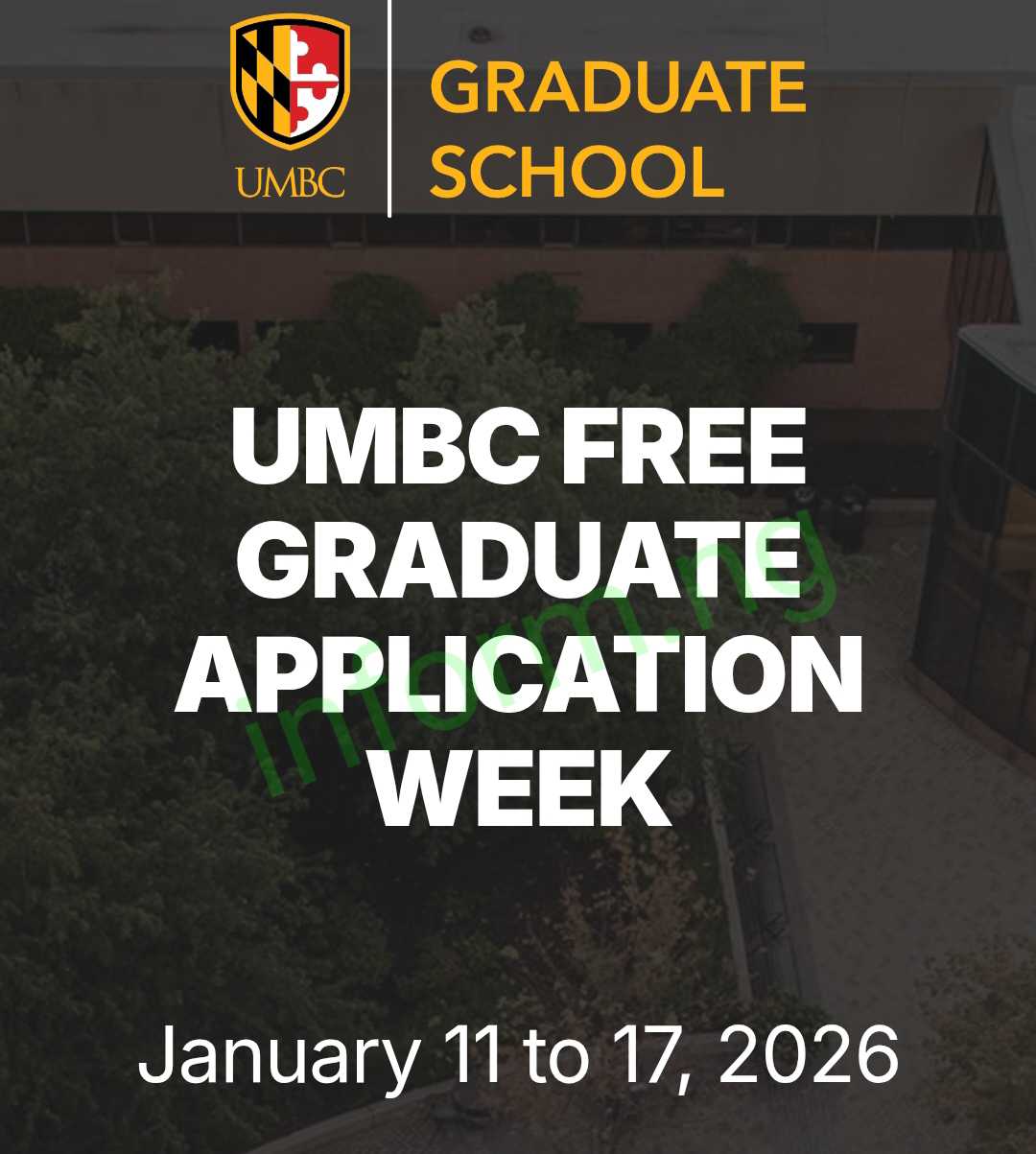
| Large Public Universities | $50–$80 | NACAC form or "College Application Week" codes (state-specific). |
| Ivy League / Highly Selective | $75–$90 | Common App "Check Box" verified by counselor. |
| Military & Service Academies | $0 | No fee required for the Class of 2026. |
| Historically Black Colleges (HBCUs) | Variable | Common Black College App (one fee for many schools) or specific promo codes. |
Step-by-Step: Using a Fee Waiver on the Common App
The Common Application is the primary vehicle for the Class of 2026. Applying for a waiver here is a streamlined process, but it requires coordination with a school official.
1. The Profile Section
In the "Profile" section of the Common App, there is a sub-section titled "Common App Fee Waiver." Students must answer "Yes" to the question asking if they feel they qualify for a fee waiver based on the provided criteria.
2. Selecting Criteria
The student then selects the specific indicator of need that applies to them (e.g., "I am enrolled in or am eligible to participate in the Federal Free or Reduced Price Lunch program").
3. Counselor Notification
Once the student selects "Yes," an automated notification is sent to their high school counselor’s Common App for Counselors portal. The counselor must then log in and "verify" the student’s request. The application will not be considered "complete" by many colleges until this verification is received.
4. Institutional Questions
Some schools have a "Member Questions" section. Even if a student doesn't qualify for the general Common App waiver, a specific college might ask, "Do you have a school-specific fee waiver code?" This is where an institutional code (like "COUGARS2026" or "GOPRIORITY") would be entered.
Finding "Hidden" Waiver Codes for 2026
If you do not meet the federal income guidelines for a standard waiver, you can still find ways to avoid the fee through proactive engagement.
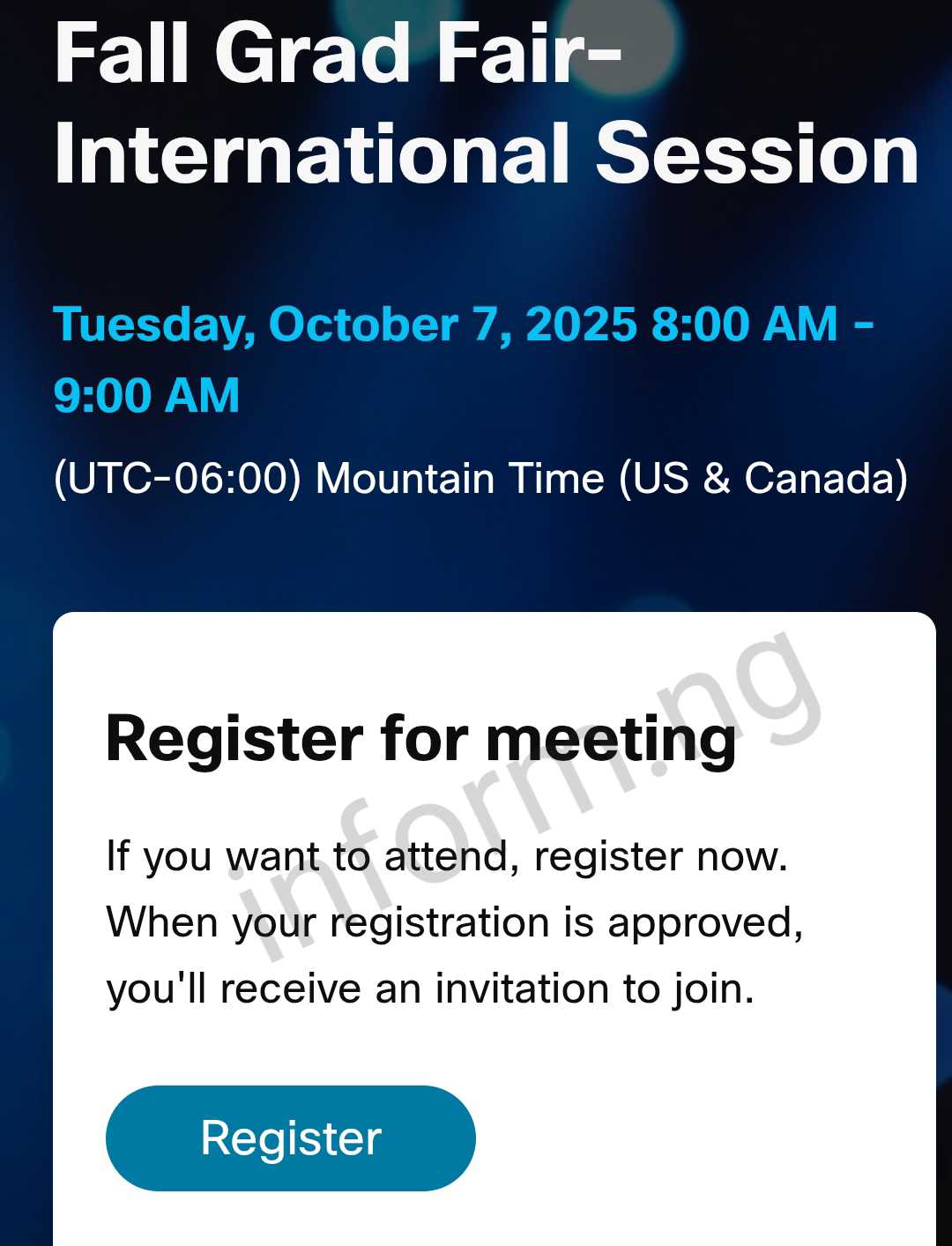
- Virtual Events: Many admissions offices track attendance at their webinars and virtual information sessions. In 2026, it is common practice for schools to email a fee waiver code to all attendees 24–48 hours after the event as a "thank you" for participating.
- Mailing Lists: Sign up for the mailing lists of every college you are considering. In late 2025 and throughout 2026, these schools send out promotional materials that often include "exclusive" codes to encourage prospective students to "complete their application today."
- Fly-In Programs: For high-achieving students from underrepresented backgrounds, "fly-in" programs (where the college pays for the student to visit) almost always include a permanent application fee waiver.
- Niche and BigFuture: Websites like Niche and the College Board’s BigFuture often partner with specific colleges to offer "No-Fee" application windows. These are usually advertised directly on those platforms.
Common Pitfalls and Troubleshooting
Errors in fee waiver processing can delay an application, potentially missing critical deadlines.
The "Pending" Status: The most common issue is an application sitting in a "Pending" or "Incomplete" status because the counselor has not yet clicked the verification button. Students should follow up with their counselors at least two weeks before the application deadline to ensure this step is completed.
Incorrect Code Entry: Institutional codes are often case-sensitive and year-specific. Ensure you are using the code for the "Class of 2026" or the "Fall 2026" entry term. Codes from previous years (e.g., "START2025") will rarely work.
Applying to the Wrong Term: If a student accidentally selects the Spring 2026 start instead of Fall 2026, a waiver code specifically generated for the fall recruitment cycle may be rejected by the system.
The Impact of Fee Waivers on Admissions
There is a common misconception among students that requesting a fee waiver will hurt their chances of admission. In reality, most admissions processes are "need-blind," meaning the admissions officers evaluating the academic merit of the application do not see whether the student paid the fee or used a waiver.
In fact, for many institutions, the use of a fee waiver is a positive data point for their diversity and outreach metrics. It signals to the school that they are reaching students who might otherwise find the cost of higher education prohibitive, allowing the university to fulfill its mission of accessibility.
Frequently Asked Questions
Can I get a fee waiver if I am an international student?
While most federal and testing-based waivers (like the SAT waiver) are restricted to U.S. citizens or residents, many individual colleges offer waivers to international students. International applicants should contact the admissions office of each specific school to ask about their "International Student Fee Waiver" policy, which often requires a letter from a school headmaster or financial proof.
Do I need a separate code for every school?
If you qualify for the Common App or NACAC need-based waiver, that single qualification applies to all schools you apply to through those platforms. However, if you are using institutional promotional codes, you will likely need a different, unique code for every college that provides one.
Is there a limit to how many fee waivers I can use?
On the Common App, there is technically no limit to the number of schools you can apply to with a need-based waiver, though the Common App itself limits you to 20 total applications. For SAT waivers, the College Board provides an unlimited number of waivers to use at participating colleges for students who qualify.
What should I do if a college asks for a fee after I submitted a waiver?
This usually happens because of a processing delay or a missing counselor verification. Check your "Applicant Portal" for the specific college—most schools provide a checklist. If the "Application Fee" is marked as "Missing," contact the admissions office and mention that you have requested a waiver through the Common App or NACAC.
Can I get a waiver after I have already paid the fee?
It is very difficult to get a refund for an application fee once it has been paid. Colleges generally view the fee as a non-refundable processing cost. If you believe you qualify for a waiver, it is essential to secure it before you hit the submit button on your application.
Final Recommendations for the Class of 2026
As you navigate the 2026 application cycle, your first step should always be a conversation with your high school guidance counselor. They are the gatekeepers for the most powerful waiver tools available. Simultaneously, ensure your email address is correctly registered with the admissions offices of your "Top 5" schools; the promotional codes sent via email are often the easiest to use and require the least amount of paperwork.
By being proactive and organized, the Class of 2026 can navigate the complexities of college costs and ensure that their academic potential—not their bank account—defines their future.