In the 1991 romantic comedy Father of the Bride, Annie Banks serves as the emotional core and central catalyst of the narrative. Her unexpected engagement to Bryan MacKenzie triggers her father George’s midlife anxiety, escalates family dynamics, drives extravagant wedding planning, and anchors the story's exploration of parental nostalgia and growing up.
Who Is Annie Banks? Character Profile and Cultural Context
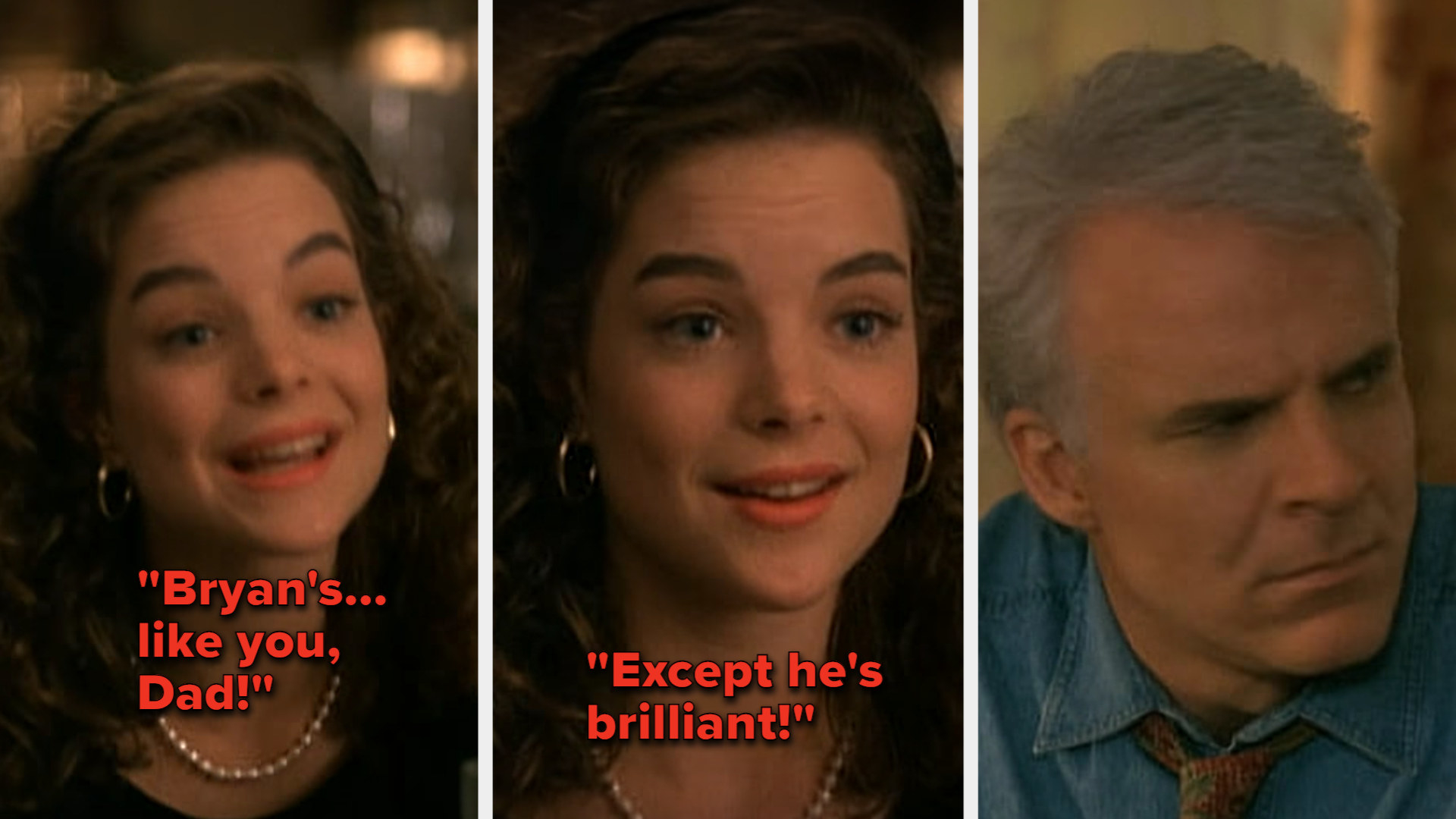
Annie Banks, portrayed by actress Kimberly Williams (in her feature film debut) opposite Steve Martin and Diane Keaton, is the 22-year-old daughter around whom the plot of Father of the Bride revolves. Having recently graduated from college and completed a semester studying architecture in Rome, Annie returns to her family’s suburban home in San Marino, California, as an independent, educated, and forward-looking young woman.
| Profile Field | Details |
|---|---|
| Feature Film | Father of the Bride (1991) |
| Portrayed By | Kimberly Williams (Williams-Paisley) |
| Age in Narrative | 22 years old |
| Education / Background | Architecture student (Studied in Rome) |
| Key Relationships | Daughter of George & Nina Banks; Fiancée of Bryan MacKenzie |
| Primary Narrative Role | Inciting Catalyst & Emotional Anchor |
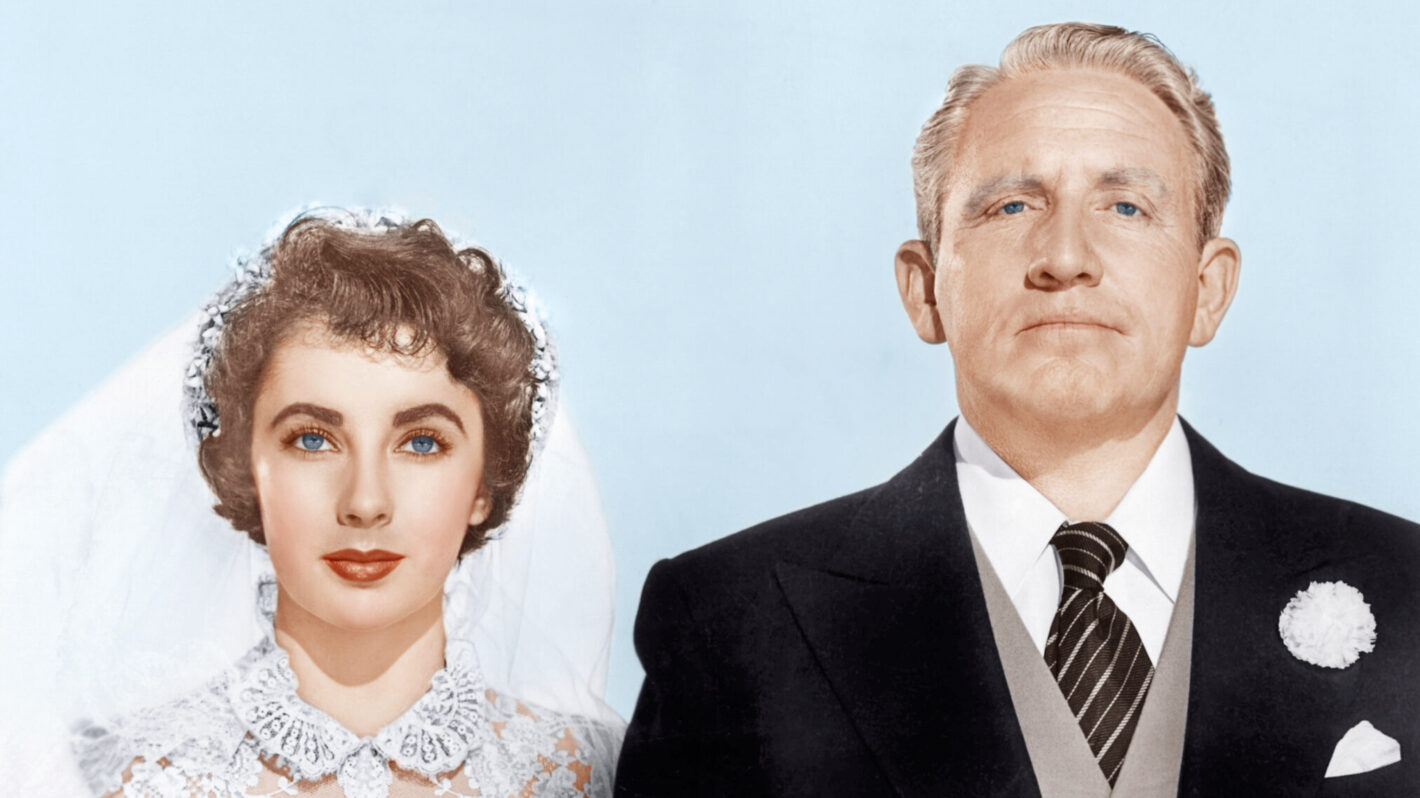
The 1991 film, directed by Charles Shyer and co-written by Shyer and Nancy Meyers, is a modern remake of the 1950 classic of the same name starring Spencer Tracy and Elizabeth Taylor (where Taylor played the daughter, Kay Banks). The 1991 adaptation updated the daughter's character to reflect the evolving aspirations of women in the late 20th century. Unlike her 1950 predecessor, Annie is not merely transitioning from her parents' home to a husband's household; she possesses professional ambitions in architecture, personal autonomy, and a clear self-identity.
Despite her modern mindset, Annie maintains a deep, affectionate bond with her family, particularly her father, George Banks. Her warm demeanor, enthusiasm, and innocence make her a grounding presence in a movie filled with high-energy physical comedy and social satire.
The Catalyst of the Plot: Annie’s Engagement Announcement
The narrative engine of Father of the Bride starts immediately upon Annie's return from Europe. During a family dinner at the Banks home, Annie unexpectedly announces that she is engaged to Bryan MacKenzie (played by George Newbern), an independent communications consultant from Bel Air whom she met while studying in Rome.
- Annie's Return from Rome
- Surprise Engagement Announcement
- Triggers George's Emotional Crisis
- Wedding Planning & Cost Escalation (Franck Eggelhoffer)
- Interpersonal Tension & Driveway Reconciliation
- Wedding Ceremony & Emotional Farewell
This announcement serves as the inciting incident of the plot, instantly shifting the family dynamic:
- George’s Internal Breakdown: For George Banks, the owner of a successful athletic shoe company (Drive-Shaft Shoes), Annie’s announcement breaks his perception of time. In his eyes, Annie is still a young girl playing basketball in the driveway. The realization that she is an adult ready to start her own family triggers a psychological panic centered on aging, loss of control, and fear of being replaced.
- Economic and Social Collision: Annie’s engagement brings together two distinct social worlds. While the Banks family represents comfortable, middle-class suburban stability, Bryan’s parents, John and Joanna MacKenzie, reside in an affluent Bel Air estate. Annie’s choice of partner forces George to navigate high-society expectations and intimidating wealth.
- The Escalation of Wedding Logistics: Annie’s desire for a memorable wedding, combined with her mother Nina’s enthusiasm, opens the door for wedding coordinator Franck Eggelhoffer (Martin Short). What starts as a simple home ceremony quickly balloons into a massive financial and logistical undertaking.
Step-by-Step Breakdown of the Wedding Plot Arc
The wedding plot follows a clear progression of rising action, interpersonal conflict, comedic climax, and emotional resolution. Annie’s choices and reactions guide each phase of the story.
Phase 1: The Announcement and In-Law Introduction
Following the engagement announcement, George insists on learning more about Bryan’s financial standing and background. This leads to a formal dinner at the MacKenzies' Bel Air residence. While Annie and Bryan display effortless affection, George’s anxiety causes him to snoop around the house, inspect Bryan’s financial documents, and accidentally fall into the backyard swimming pool after being chased by Doberman Pinschers. Despite George's embarrassment, Annie remains steadfast in her love for Bryan and protective of her father's feelings.
Phase 2: The Wedding Planning Machine
As preparations begin, Annie’s vision for a warm home wedding collides with the extravagant commercial reality of the wedding industry. Enter Franck Eggelhoffer and his assistant Howard Weinstein (B.D. Wong). Franck transforms the Bankses' residential backyard and home into a high-budget venue featuring imported flowers, swans, custom ice sculptures, and an elaborate menu. While Nina and Annie are initially captivated by Franck's creative vision, George becomes overwhelmed by the surging costs, leading to ongoing comedic friction.
Phase 3: The Pre-Wedding Rift (The Blender Conflict)
The plot introduces significant emotional stakes when Annie and Bryan experience a sharp conflict shortly before the wedding. Bryan gifts Annie an expensive kitchen blender as a shower gift. Annie interprets the gift as a patronizing sign that Bryan expects her to adopt a traditional housewife role rather than pursue her professional architectural ambitions.
Furious, Annie calls off the wedding and returns to her childhood bedroom. This moment highlights Annie’s modern identity and independence. Paradoxically, it is George—who initially opposed the marriage—who steps in to mediate. After speaking with Bryan at a local diner and verifying his genuine remorse and love for Annie, George reassures his daughter, helping the young couple reconcile.
- Bryan buys Blender as Gift
- Annie perceives gift as traditionalist
- Wedding Temporarily Called Off
- George mediates & reassures Annie of Bryan's love
- Reconciliation & Wedding On
Phase 4: Breakdown and the Night Before the Wedding
George's frustration over wedding expenses reaches a boiling point at a grocery store, where he protests paying for packages of eight hot dog buns when hot dogs are sold in packages of ten. His public outburst leads to a temporary arrest. Nina and Annie bail him out, bringing the family together in mutual understanding.
That evening, during a sudden, unseasonal California snowfall, Annie and George go outside late at night to play one final game of driveway basketball. This scene re-establishes their bond and allows George to accept his daughter's transition into adulthood.
Phase 5: The Ceremony and Departure
On the day of the wedding, the Banks household is thrown into chaotic preparation. Despite minor mishaps, the ceremony proceeds smoothly. However, during the chaotic reception—where George is pulled away by parking problems, lost luggage, and vendor payments—he misses the opportunity to dance with Annie during the traditional father-daughter dance.
As Annie and Bryan leave the house to catch their honeymoon flight, George feels a poignant sense of regret for missing his final goodbye. Just before reaching the airport, Annie calls home from a car phone. She expresses her deep love and gratitude to her father for creating a beautiful wedding, giving George the emotional closure he sought.
Key Character Dynamics and Relationships
Annie’s character acts as the central link connecting every primary role in the film. Her interactions define the narrative tone and thematic depth of the story.
- Annie Banks
- George Banks (Father): Emotional Bond & Loss
- Bryan MacKenzie (Fiancé): Romantic Partnership
- Nina Banks (Mother): Pragmatic Support & Mediator
Annie and George Banks: The Father-Daughter Bond
The emotional heart of Father of the Bride lies in the relationship between Annie and George. George's internal monologues consistently focus on his memories of Annie growing up. Annie’s affection for her father is patient and forgiving; even when George acts foolishly or obsessed over money, Annie recognizes his protective love. The narrative demonstrates that letting go of a child is an act of love, requiring parents to accept change while preserving emotional connection.
Annie and Bryan MacKenzie: Young Love and Realism
The dynamic between Annie and Bryan represents the hope and friction of early marriage. Bryan is depicted as polite, successful, and genuinely devoted to Annie. However, their argument over the blender exposes the real-world communication challenges faced by young couples balancing traditional customs with modern equality. Their ability to resolve this conflict demonstrates their readiness for marriage.
Annie and Nina Banks: Mutual Support and Maturity
Nina Banks (Diane Keaton) acts as the bridge between Annie’s forward-looking excitement and George’s backward-looking nostalgia. Nina supports Annie’s choices and wants her to have a memorable wedding, while also protecting George from his worst impulses. The relationship between Annie and Nina illustrates a healthy transition from a parent-child relationship to one of mutual adult respect.
Narrative & Character Comparison Table
The following table summarizes the roles, narrative functions, key motivations, and character arcs of the major figures involved in Annie’s wedding plot:
| Character | Actor | Primary Motivation | Conflict / Obstacle | Plot Resolution |
|---|---|---|---|---|
| Annie Banks | Kimberly Williams | Marry Bryan while maintaining her career aspirations and family bond | Conflict over traditional gender roles (blender incident); navigating wedding stress | Reconciles with Bryan; acknowledges her father's love in a tearful phone call |
| George Banks | Steve Martin | Protect his daughter and keep family stability while managing wedding expenses | Financial overload; anxiety over aging and losing his role as protector | Accepts Annie's independence; reconciles emotionally during the post-wedding call |
| Nina Banks | Diane Keaton | Support Annie's happiness and ensure the wedding runs smoothly | Balancing George's financial panic with Franck's costly wedding proposals | Successfully host the wedding; keeps George grounded throughout the process |
| Bryan MacKenzie | George Newbern | Build a lifelong partnership with Annie and gain George's approval | Communication missteps regarding wedding gifts and family expectations | Reconciles with Annie with George's help; proves his devotion to the family |
| Franck Eggelhoffer | Martin Short | Orchestrate an elaborate, top-tier luxury wedding celebration | George's budget constraints and resistance to luxury spending | Delivers a lavish wedding that satisfies the family despite logistical challenges |
Themes Highlighted by Annie’s Storyline
Annie’s role in Father of the Bride brings several key themes to the surface:
- The Evolution of Modern Womanhood: Annie represents a generation of women in the early 1990s who embraced both romance and professional independence. Her career goals in architecture and her reaction to gendered gifts highlight this cultural shift.
- Parental Relinquishment and Growth: The movie demonstrates that wedding plots are often less about the couple getting married and more about the parents learning to step back. Annie’s upcoming departure forces George to process his own midlife transition.
- Commercialization vs. Sentimental Value: The contrast between Franck’s luxury wedding arrangements and the simple driveway basketball games underlines the idea that emotional connections matter far more than expensive event production.
Frequently Asked Questions
Who plays Annie in the 1991 film Father of the Bride?
Annie Banks is played by Kimberly Williams (now Kimberly Williams-Paisley). Father of the Bride was her feature film debut, launching a long career in film and television, including starring roles in Father of the Bride Part II (1995) and the television series According to Jim.
What causes the fight between Annie and Bryan before the wedding?
The conflict arises when Bryan gifts Annie an expensive kitchen blender at a wedding shower. Annie feels offended, interpreting the gift as a sign that Bryan expects her to assume a traditional domestic role rather than pursue her career in architecture. They reconcile after George speaks with Bryan and assures Annie of Bryan’s sincere motives.
How does Annie’s character in the 1991 version differ from the 1950 original?
In the 1950 film, the daughter is named Kay Banks (played by Elizabeth Taylor) and her storyline focuses primarily on standard social expectations of post-WWII American marriage. In the 1991 remake, the character is renamed Annie Banks, given a background studying architecture in Europe, and portrayed with career ambitions and personal independence that reflect late 20th-century cultural norms.
Why does George miss dancing with Annie at the wedding reception?
During the reception, George gets repeatedly pulled away to handle operational emergencies, including coordinating parking, finding lost luggage, settling vendor payments, and managing cake service. By the time he returns to the dance floor, the reception is ending, causing him to miss the formal father-daughter dance.
What is the significance of the driveway basketball scenes between George and Annie?
The driveway basketball scenes serve as a recurring visual motif representing Annie and George’s relationship. The first game establishes George’s memories of Annie as a young girl. The late-night game played in the snow right before the wedding day signifies George’s acceptance of Annie as an adult and confirms that their bond will endure despite her marriage.
Practical Takeaways for Film and Screenwriting Students
Analyzing Annie’s role in Father of the Bride provides key screenwriting lessons for romantic comedies and family dramas:
- Anchor Comedy in Grounded Character Motivation: While Steve Martin and Martin Short deliver broad physical comedy, Annie’s character remains grounded, keeping the emotional stakes real and relatable.
- Use Character Conflict to Define Values: The blender argument is not just a plot delay; it clarifies Annie's values, independence, and expectations for an equal partnership.
- Connect Secondary Characters to the Central Theme: Every subplot—from the Bel Air in-law dinner to the hot dog bun breakdown—relates directly back to Annie’s upcoming marriage and George’s struggle to accept it.
EDITORIAL CATEGORY METADATA: