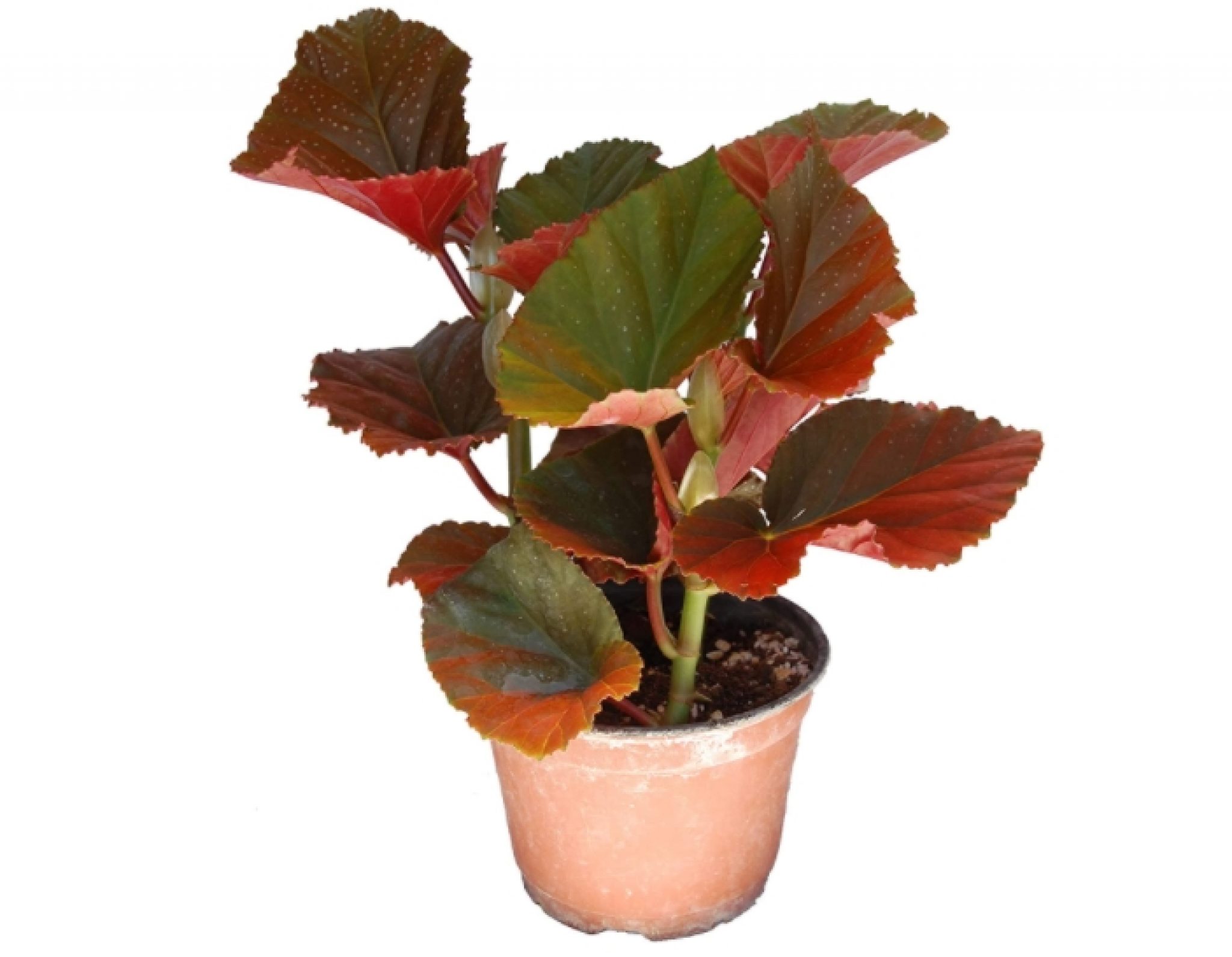
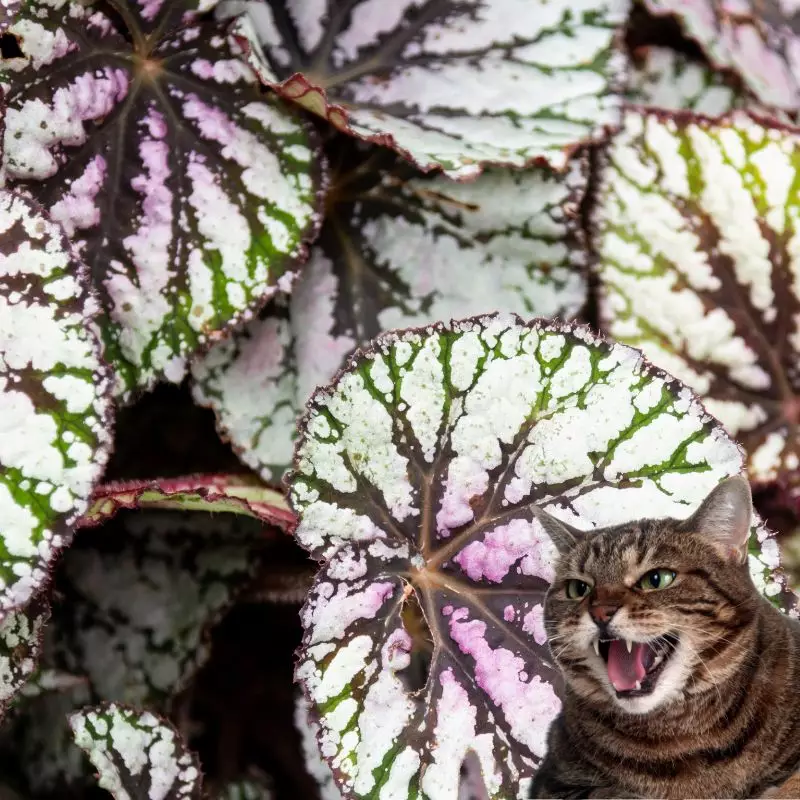
Yes, angel wing begonias (Begonia species) are toxic to cats. They contain insoluble calcium oxalate crystals that cause immediate oral irritation, severe burning, intense drooling, vomiting, and difficulty swallowing when chewed or ingested. While ingestion is rarely fatal, prompt mouth rinsing and veterinary guidance are essential to manage pain and prevent gastrointestinal distress.
Disclaimer: This guide is for educational purposes only and does not replace professional veterinary care. If you suspect your cat has ingested an angel wing begonia or any toxic substance, contact your veterinarian or a pet poison control hotline immediately.
Understanding Angel Wing Begonia Toxicity
Angel wing begonias (frequently sold under botanical names such as Begonia maculata, Begonia x corallina, or various cane begonia cultivars) are popular indoor plants prized for their asymmetrical, wing-shaped foliage and vivid flower clusters. However, like all members of the Begoniaceae family, these plants harbor biochemical defenses that make them hazardous to domestic pets.
The primary toxic mechanism in angel wing begonias is insoluble calcium oxalate crystals. These microscopic structures are shaped like microscopic needles, known technically as raphides. When a cat bites, chews, or punctures any part of an angel wing begonia, the plant cells rupture, violently ejecting these microscopic needles into the sensitive tissues of the cat's mouth, lips, tongue, pharynx, and esophagus.
Unlike soluble oxalates (which can absorb into the bloodstream and cause systemic organ damage like acute renal failure), insoluble calcium oxalates act primarily as a intense mechanical irritant. The pain is instantaneous, which typically prevents most cats from consuming large quantities of foliage. However, even a single bite can trigger substantial distress and secondary complications.
Plant Anatomical Differences: Where Toxicity Is Highest
While all parts of the angel wing begonia contain insoluble calcium oxalate crystals, the concentration of these toxic compounds is not uniform throughout the plant.
- Flowers & Young Shoots: Moderate crystal concentration; high curiosity risk
- Stems & Leaves: Moderate concentration; primary source of biting/chewing
- Roots & Rhizomes / Tubers: HIGHEST toxicity concentration; severe risk if dug up
1. Underground Structures (Roots, Rhizomes, and Tubers)
The highest concentration of insoluble calcium oxalate crystals resides in the plant's root system, rhizomes, and tubers. If a curious cat digs into a pot and consumes subterranean plant tissue, the severity of oral irritation, swelling, and internal distress increases dramatically compared to leaf nibbling.
2. Foliage and Stems
The striking, spotted leaves and cane-like stems contain moderate concentrations of calcium oxalates. Because leaves are the most accessible part of the plant, they represent the vast majority of feline exposure cases.
3. Flowers and Sap
The colorful blossoms and the clear sap within the stems contain both oxalate crystals and acidic compounds that exacerbate tissue irritation. Sap coming into contact with a cat's skin or eyes can cause localized redness, tearing, and discomfort.
Symptoms of Angel Wing Begonia Poisoning in Cats
Symptoms of begonia ingestion usually manifest immediately upon contact with oral tissues. Because the mechanical injection of calcium oxalate crystals occurs instantly upon biting, cats rarely display a delayed toxic reaction.
Early and Immediate Signs (0 to 15 Minutes)
- Intense Oral Pain: The cat may jump back, shake its head, or vocalize suddenly after biting the plant.
- Pawing at the Mouth: Cats frequently rub their face against carpets or use their paws to frantically scratch at their mouth and lips.
- Excessive Salivation (Ptyalism): Profuse, sometimes foamy or thick drooling begins within seconds as the mouth attempts to flush out the irritant.
- Lip Smacking and Dysphagia: The cat will smack its lips repeatedly and exhibit difficulty swallowing or unwillingness to close its mouth entirely.
Secondary and Gastrointestinal Symptoms (15 Minutes to Hours Later)
- Oral Swelling: Visible swelling of the lips, tongue, and soft tissues inside the mouth.
- Vomiting and Nausea: If plant material is swallowed, the gastric lining becomes inflamed, leading to forceful vomiting, dry heaving, or retching.
- Anorexia and Inappetence: Due to severe oral inflammation, the cat will refuse food and water for several hours or days.
- Lethargy and Depression: The pain and gastrointestinal upset can leave the cat withdrawn, quiet, and hiding.
Rare but Severe Complications
In rare instances where a cat ingests a large amount of root tissue or suffers extreme allergic hypersensitivity, upper airway obstruction can occur. Swelling of the glottis and pharynx may restrict breathing, presenting as stridor (high-pitched breathing sounds), open-mouth panting, and blueness around the gums (cyanosis). This is a critical medical emergency requiring immediate veterinary interventions.
Emergency First-Aid Protocol for Cat Owners
If you catch your cat chewing an angel wing begonia or discover chewed leaves alongside characteristic symptoms, take immediate action before traveling to the veterinary clinic.
- Step 1: Safely isolate the cat & remove remaining plant tissue from mouth
- Step 2: Flush mouth with fresh water or offer tuna juice/milk to bind crystals
- Step 3: Document plant species & estimate ingested amount
- Step 4: Contact Veterinarian or ASPCA / Pet Poison Helpline
Step 1: Safely Secure the Cat and Remove Plant Material
Carefully remove your cat from the immediate vicinity of the plant. Inspect the cat's mouth and gently remove any visible leaves, stems, or debris using a damp cloth. Exercise extreme caution, as an agitated or painful cat may bite defensively.
Step 2: Flush or Neutralize the Oral Cavity
Offer a small quantity of a liquid that can bind or soothe insoluble oxalates:
- Lactose-Free Milk or Dairy: Calcium in dairy products can help bind free oxalate crystals and calm inflamed mucosal linings. Offer 1–2 teaspoons of milk or plain yogurt if your cat will take it voluntarily.
- Tuna Juice (in water): A small amount of liquid from a canned tuna can encourage the cat to drink and flush out loose needle crystals.
- Fresh Water: If the cat permits, gently rinse the inside of the mouth with a small syringe or squeeze bottle filled with cool water, directing the stream sideways so the cat does not inhale the fluid.
Never force liquids down a cat’s throat if it is distressed, gasping, or unable to swallow naturally.
Step 3: Gather Evidence for the Veterinarian
Take a clear photograph of the plant, including any chewed sections, and take a small specimen of the plant with you to the clinic if requested. Note the approximate time of ingestion and the onset of symptoms.
Step 4: Contact Professional Helplines
Call your local veterinarian or urgent animal care facility. If they are unavailable, reach out to an established pet toxicology center:
- ASPCA Animal Poison Control Center (APCC): (888) 426-4435
- Pet Poison Helpline: (855) 764-7661
Note: Professional poison control services may charge a consultation fee.
Veterinary Diagnosis and Clinical Treatment
When you bring your cat to a veterinary clinic for begonia toxicity, the veterinary team will focus on pain relief, airway management, and protecting the digestive tract.
Diagnostic Evaluation
Because there is no simple blood test to detect insoluble calcium oxalate crystals, diagnosis relies on clinical signs, patient history, and physical examination. The veterinarian will perform a thorough oral examination—sometimes under light sedation if the cat is in severe pain—to assess tissue erosion, ulceration, and airway patency.
Standard Clinical Interventions
- Oral Lavage: Flushing the oral cavity under controlled conditions to remove embedded micro-crystals and tissue debris.
- Fluid Therapy: Administering subcutaneous or intravenous (IV) fluids to maintain hydration, protect kidney function, and replace fluids lost through vomiting or hypersalivation.
- Antiemetics: Medications such as maropitant citrate (Cerenia) are administered intravenously or subcutaneously to stop persistent vomiting and prevent esophageal tear risks.
- Gastrointestinal Protectants: Sucralfate suspensions or H2-receptor antagonists (such as famotidine) may be prescribed to coat the gastric mucosa and soothe irritation caused by swallowed plant matter.
- Pain Management: Analgesics may be administered if oral inflammation is acute and preventing the cat from resting comfortably.
Most cats recovering from angel wing begonia ingestion show dramatic improvement within 12 to 24 hours of symptomatic therapy and suffer no long-term organ damage.
Begonia Toxicity Compared to Other Common Houseplants
Understanding how angel wing begonia toxicity compares to other indoor plants helps pet parents evaluate household hazards effectively.
| Plant Name | Toxic Principle | Primary Risk Level | Key Symptoms in Cats | Potential Long-Term Damage |
|---|---|---|---|---|
| Angel Wing Begonia (Begonia maculata) | Insoluble calcium oxalates | Mild to Moderate | Oral burning, drooling, vomiting, dysphagia | Minimal; rarely fatal |
| Pothos / Devil's Ivy (Epipremnum aureum) | Insoluble calcium oxalates | Mild to Moderate | Oral pain, drooling, swelling, upper GI upset | Minimal |
| Peace Lily (Spathiphyllum spp.) | Insoluble calcium oxalates | Moderate | Intense oral pain, severe salivation, airway swelling | Minimal (Not a true lily) |
| True Lilies (Lilium & Hemerocallis spp.) | Unknown water-soluble nephrotoxin | CRITICAL / FATAL | Vomiting, lethargy, acute renal failure within 24–72 hrs | Severe organ failure / Death |
| Snake Plant (Sansevieria trifasciata) | Saponins | Mild to Moderate | Nausea, vomiting, diarrhea, drooling | Minimal |
| Boston Fern (Nephrolepis exaltata) | Non-toxic | None | None (Mild digestive upset if overeaten) | None |
Safe Indoor Plant Alternatives for Cat Owners
If you wish to keep lush, vibrant houseplants without putting your feline companions at risk, consider replacing angel wing begonias with these non-toxic alternatives certified safe by the ASPCA Non-Toxic Plant Database:
1. Calathea and Prayer Plants (Goeppertia / Calathea species)
Calatheas offer dramatic, pattern-rich foliage that rivals the striking look of angel wing begonias. They feature complex leaf patterns, deep purple undersides, and are entirely non-toxic to cats and dogs.
- Key Features: Highly decorative foliage, shade-tolerant, non-toxic
- Care Needs: High humidity, filtered bright light, moist soil
2. Peperomia (Peperomia species)
With compact habits and varied foliage shapes (such as Peperomia caperata or Peperomia obtusifolia), these non-toxic plants provide deep color, easy propagation, and zero oxalate hazards for pets.
3. Watermelon Peperomia (Peperomia argyreia)
If you love the distinctive silver patterns of the Begonia maculata, the Watermelon Peperomia is an ideal safe substitute. Its leaves display striking silver and dark green stripes that mimic watermelon rinds while remaining completely pet-safe.
4. Spider Plant (Chlorophytum comosum)
An easy-to-grow, arching houseplant that is safe for cats. Note that spider plants contain mild hallucinogenic compounds that may entice cats to chew them; while non-toxic, excessive nibbling can cause mild stomach upset.
How to Protect Your Cat from Existing Toxic Plants
If you choose to keep an angel wing begonia or other mildly toxic plants in your home, strict physical isolation is mandatory to protect your pets.
- Utilize Hanging Planters: Mount plants high on ceilings or walls well out of reach of jumping perches. Ensure there are no nearby tables, bookshelves, or sofas that a cat can use as a launching pad.
- Enclosed Plant Terrariums or Cabinets: Place decorative plants inside glass display cabinets (such as converted glass greenhouse cabinets) fitted with secure latches.
- Apply Natural Deterrents: Spray plant outer pots (not the foliage direct if sensitive) with diluted bitter apple spray or citrus essential oil dilutions near the base. Note: Never spray concentrated essential oils directly on pets or in areas they lick.
- Provide Cat Grass: Offer dedicated pots of cat grass (oat, barley, or wheatgrass) at floor level. Providing a safe, palatable green alternative satisfies your cat's instinct to chew plant fiber away from ornamental houseplants.
Frequently Asked Questions
Is Begonia maculata more toxic than other begonia varieties?
All Begonia species contain insoluble calcium oxalates and present similar clinical risks. However, cane-type begonias like Begonia maculata have tough, fibrous stems and thick leaves that can harbor significant concentrations of oxalate crystals. The underground tubers and rhizomes of any begonia variety retain the highest toxin levels.
Can a cat die from eating an angel wing begonia?
Fatalities from angel wing begonia ingestion are extremely rare. The immediate, localized pain caused by calcium oxalate crystals usually stops cats from consuming dangerous quantities. Deaths are generally limited to extreme complications, such as severe untreated pharyngeal swelling that obstructs the airway or massive ingestion of underground rhizomes by compromised animals.
What should I do if my cat ate an angel wing begonia leaf but shows no symptoms?
Even if your cat does not immediately show symptoms, flush their mouth with a small amount of water or offer tuna juice or milk to bind any free crystals. Keep the cat under close observation for at least 6 to 12 hours, monitoring for delayed drooling, lethargy, or vomiting. Contact your veterinarian for preventative guidance.
Are angel wing begonia flowers toxic to cats?
Yes. The flowers contain calcium oxalate crystals as well as organic acids that can cause oral stinging, drooling, and digestive distress. Keep falling blossoms picked up and away from floor areas accessible to pets.
How long do symptoms of begonia poisoning last in cats?
In mild cases where prompt first-aid (flushing the mouth) is administered, signs such as drooling and oral discomfort typically subside within 6 to 24 hours. If mucosal erosion or persistent vomiting occurs, full recovery may take 2 to 3 days under veterinary care.
Practical Recommendation and Next Actions
If you suspect your cat has chewed or ingested any portion of an angel wing begonia:
- Immediate First Aid: Safely remove all plant debris from your cat's mouth. Offer 1–2 teaspoons of lactose-free milk or tuna liquid to bind free oxalates, or gently rinse the oral cavity with cool water.
- Contact Professionals: Call your veterinarian or an animal poison hotline (ASPCA APCC at 888-426-4435) to report the incident and confirm whether an emergency clinic visit is required.
- Monitor Respiratory Status: Observe your cat closely for signs of respiratory distress, including open-mouth breathing, stridor, or heavy panting. If respiratory difficulty develops, seek emergency veterinary care immediately.
- Re-evaluate Your Houseplant Setup: Relocate all Begonia species to inaccessible locations such as locked glass display cabinets or high ceiling hangers—or rehome them in favor of non-toxic alternatives like Calathea or Peperomia.