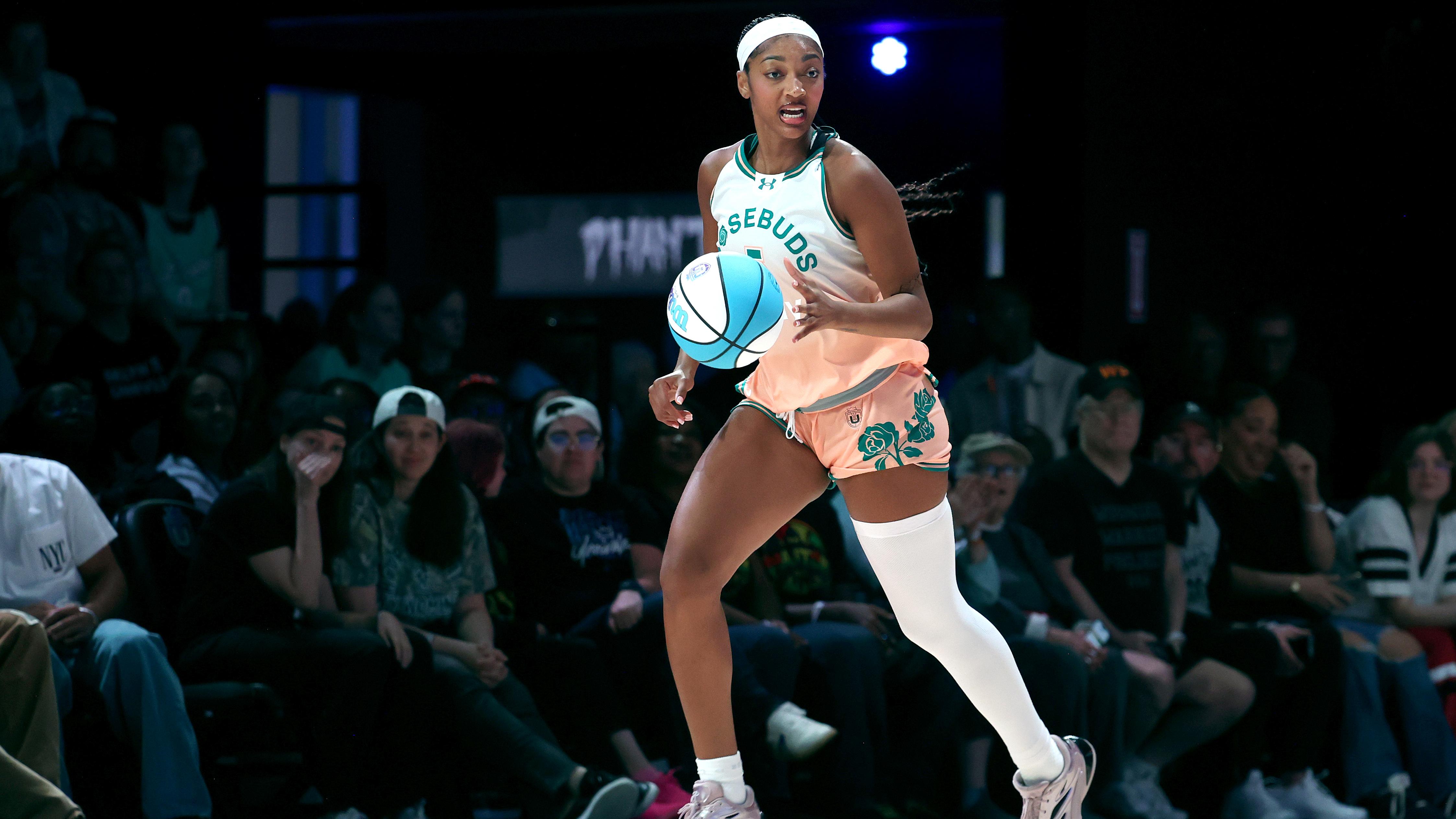
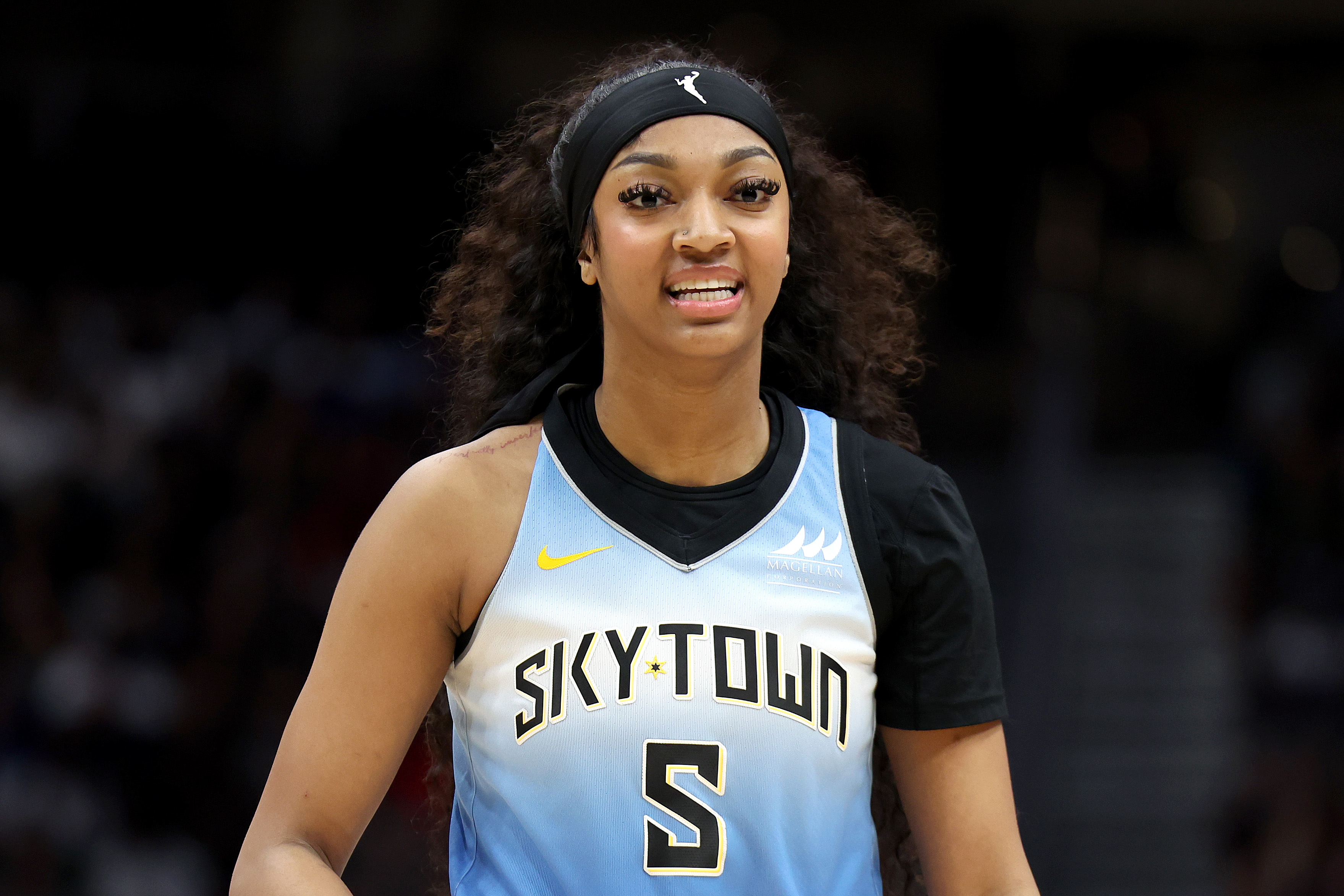
No, Angel Reese was not cut in a 2026 trade. Angel Reese remains an active star forward for the Chicago Sky under her multi-year WNBA rookie scale contract. Viral claims suggesting she was cut or traded stem from misleading social media headlines, automated content farms, and confusion surrounding standard WNBA trade mechanics and roster rules.
Unpacking the Rumor: Angel Reese’s Status with the Chicago Sky
Rumors circulating online in 2026 claiming that forward Angel Reese "got cut in a trade" are entirely false. Reese, who entered the Women's National Basketball Association (WNBA) as the 7th overall pick in the 2024 WNBA Draft, continues to serve as a foundational anchor for the Chicago Sky franchise.
Following a historic rookie campaign where she established league records for consecutive double-doubles and offensive rebounding, Reese solidified her status as one of the premier frontcourt talents and commercial draws in professional basketball. In professional sports, the term "cut" refers to waiving a player to release them from a team roster, whereas a "trade" involves exchanging player contracts or assets between two franchises.
The idea that a franchise would cut a high-performing All-Star on a cost-controlled rookie contract after a trade contradicts both basketball logic and the financial structures of the WNBA Collective Bargaining Agreement (CBA). The proliferation of this rumor is rooted in sensationalized digital content rather than real-world transaction logs.
WNBA Transaction Distinction
- Transaction
- Trade: Contract transferred to another team for assets (players/draft picks).
- Waive / Cut: Contract terminated or removed from 12-player active roster.
Understanding WNBA Roster Mechanics: Trades vs. Waiving Players
To understand why the phrase "cut in a trade" is misleading, it is necessary to examine how player personnel moves operate under WNBA governance. The league operates under specific rules regarding contract transfers, roster limits, and salary cap space.
What Constitutes a WNBA Trade?
A trade occurs when two or more WNBA teams agree to exchange existing player contracts, rights to unsigned draft picks, or future draft assets. Key elements of a WNBA trade include:
- Contract Continuity: When a player is traded, their existing contract transfers directly to the receiving team under its exact terms, salary, and duration.
- Cap Matching: Teams must balance incoming and outgoing salaries relative to their remaining salary cap space.
- League Approval: All trades must be formally vetted and approved by the WNBA league office before becoming official.
What Does "Getting Cut" (Waiving) Mean?
"Getting cut" is an informal term for being waived. When a WNBA team waives a player, it signals its intent to terminate that player's spot on the 12-person active roster.
- Waiver Wire Period: Once waived, the player enters a 48-hour waiver period during which other WNBA teams with available roster spots and cap space can claim the remaining contract.
- Unclaimed Waivers: If no team claims the player within 48 hours, the player becomes an unrestricted free agent clear to sign with any team or pursue international playing opportunities.
- Guaranteed vs. Non-Guaranteed Contracts: If a player with a non-guaranteed contract is cut before a specific date in the season, the team may clear cap space. If the contract is guaranteed, the team still owes the player their salary, which continues to count against the salary cap as "dead money."
Can a Player Be Traded and Immediately Cut?
While it is technically possible for a team to acquire a player in a multi-team transaction and subsequently waive them (often called a "trade-and-waive" to balance roster limits or facilitate salary matching), this mechanism is applied almost exclusively to fringe roster players or expiring veteran contracts. It is never applied to elite, low-cost starters on rookie scale contracts.
WNBA Rookie Contract Structures and Cap Protection
The financial realities of the WNBA make cutting a player of Angel Reese's caliber practically impossible from a roster management standpoint.
The WNBA Rookie Scale System
Players selected in the first round of the WNBA Draft sign standardized four-year scale contracts governed by the CBA. The structure includes:
- Years 1 and 2: Standard base salary determined by draft position.
- Year 3: Protected base salary with standard year-over-year percentage escalators.
- Year 4: A team option year, allowing the franchise to extend the player's rookie deal for a fourth season at a predetermined rate before the player reaches restricted free agency.
Because first-round rookie scale contracts represent some of the highest value-to-cost ratios in the league, franchises guard these assets closely.
Financial and Roster Impact of Cutting a Star
WNBA rosters are notoriously tight, capped strictly at 12 players per team, with many franchises opting to carry only 11 players due to salary cap constraints.
| Transaction Factor | Impact on Star Rookie Contract | Standard Role-Player Impact |
|---|---|---|
| Salary Cap Hit | Fully dead cap space if waived guaranteed contract. | Minimal dead cap if waived before guarantee date. |
| Asset Retention | Loss of elite production and trade value for zero return. | Frees up a roster spot for tactical adjustments. |
| Contract Status | Covered under multi-year rookie scale protections. | Often training camp or non-guaranteed contracts. |
| Financial Return | Zero cap savings; team remains responsible for pay. | Potential cap relief if contract is unearned/unprotected. |
If a team were to cut a marquee starter on a rookie deal, they would lose a high-impact player, receive zero trade compensation (such as future first-round draft picks), and still suffer the salary cap hit on their payroll.
Comprehensive Comparison of WNBA Roster Transactions
To evaluate how transactions impact league rosters and salary structures, the following breakdown contrasts the primary roster mechanisms utilized across the WNBA.
| Mechanism | Primary Objective | Roster Spot Effect | Salary Cap Impact | Player Mobility Outcome |
|---|---|---|---|---|
| Standard Trade | Exchange talent or future draft assets | Net neutral (players swapped) | Transferred to acquiring team | Player relocates to acquiring franchise |
| Waiver Request (Cut) | Terminate contract or clear roster spot | Frees 1 active spot | Retained as dead cap if guaranteed | 48-hour waiver wire, then free agency |
| Contract Buyout | Mutually agree to end veteran contract | Frees 1 active spot | Negotiated settlement cap hit | Player becomes unrestricted free agent |
| Hardship Exemption | Temporary emergency roster replacement | Adds 1 temporary spot | Excluded from standard cap limits | Player signed to short-term contract |
| Suspension (Contractual) | Temporarily clear spot for overseas play | Opens temporary spot | Salary withheld during absence | Rights retained by original team |
Why Fake Sports Trade Rumors Spread Online
The modern digital media landscape has led to an increase in false rumors regarding high-profile athletes. Several factors drive headlines claiming that stars like Angel Reese have been traded or cut:
1. Automated Clickbait Content Farms
Numerous automated websites and YouTube channels employ synthetic voiceovers and sensationalized thumbnails to generate traffic. Phrases such as "Angel Reese Cut After Shocking Trade!" or "Chicago Sky End Contract!" are framed to generate immediate clicks from fans looking for breaking sports news.
2. Misinterpretation of Roster Adjustments
When teams execute routine transactions—such as waiving a hardship contract, releasing a training camp invitee, or making an off-season coaching change—clickbait outlets often reframe these updates around headline-grabbing star players to drive search traffic.
3. Algorithm-Driven Speculation
Social media algorithms reward high engagement, controversial claims, and fan debate. A fabricated claim regarding a popular athlete generates comments, shares, and retweets from fans arguing over the fake news, which tricks platform algorithms into pushing the content to wider audiences.
4. Overlapping Off-Season Narratives
During the off-season or around the trade deadline, analysts frequently discuss theoretical trade scenarios. When secondary aggregators repost commentary out of context, speculative analysis like "Should the Sky trade Reese?" often morphs into false factual assertions like "Reese was traded and cut."
How to Verify Official WNBA Transactions and News
When encountering unexpected reporting on player cuts, trades, or contract terminations, fans and analysts should verify the information through established primary sources.
Verification Logic for WNBA News
- Unverified Claim or Rumor
- Check Official Transaction Sources
- WNBA Official Transactions Page (WNBA.com)
- Chicago Sky Official Press Releases
- Outcome
- Official Confirmation: Verified News
- No Official Record: Fabricated Rumor
Official Verification Channels
- WNBA Official Transactions Log: The league updates its official transactions directory daily. No trade or waiver is valid until logged on the central league database at WNBA Official Transactions.
- Team Public Relations Accounts: Franchise communications teams publish formal press releases for all roster moves, contract extensions, and trade executions.
- Accredited Sports Media: Credible national and regional sports journalists operate under editorial guidelines. Major outlets such as the Associated Press Sports and ESPN WNBA Coverage report verified transactions directly confirmed by the league office or player representatives.
- Contract Tracking Services: Databases such as Spotrac and Her Hoop Stats maintain detailed, real-time tracking of player salary caps, contract guarantees, and active roster limits.
Frequently Asked Questions
Has Angel Reese ever been traded in the WNBA?
No. Since being selected 7th overall in the 2024 WNBA Draft by the Chicago Sky, Angel Reese has played exclusively for the Sky and has never been traded to another franchise.
What happens financially when a WNBA player gets cut?
If a player on a guaranteed contract is cut (waived), the team must still pay the full salary, and that amount counts against the team's salary cap. If the player is on a non-guaranteed contract and is cut before the league's contract guarantee deadline, the team is only responsible for the prorated salary earned up to that point.
Can a team cut a player immediately after trading for them?
While technically legal under the CBA if the acquiring team has available cap space to absorb the contract or clear roster spots, teams almost never trade assets for high-value starter contracts simply to waive them. This practice is restricted to rare cap-clearing maneuvers involving non-guaranteed veteran deals.
What is the structure of Angel Reese’s contract in 2026?
Angel Reese is under a standard four-year WNBA rookie scale contract signed in 2024. The contract features three locked-in rookie scale years followed by a fourth-year team option, keeping her under franchise control through the 2027 season unless formally extended or traded.
Why are WNBA rosters restricted to 12 players?
The WNBA roster cap of 12 players per team is established by the Collective Bargaining Agreement negotiated between the league and the Women's National Basketball Players Association (WNBPA). It balances team operating budgets, salary cap distribution, and overall league expansion dynamics.
Next Actions for Sports Fans and Content Consumers
To ensure you receive accurate information regarding athlete transactions and avoid falling for trade hoaxes, follow these standard steps:
- Cross-Reference Claims: If you see a social media video asserting that a star athlete was cut or traded, check the official team account or accredited news outlets before sharing.
- Examine the Source: Avoid relying on anonymous digital channels or video feeds that fail to cite primary sources, official team statements, or credentialed reporters.
- Understand Contract Context: Recognize that star players on value-rich rookie contracts represent essential team assets and will not be released or waived without standard sports management rationale.