An angel tree haul refers to the process—and popular social media trend—of adopting a child or senior recipient tag from a holiday charity tree, purchasing their requested gifts and necessities, and sharing the shopping results. It combines seasonal philanthropy with structured holiday shopping, allowing donors to directly fulfill specific wishes for families experiencing financial hardship.
Understanding the Angel Tree Charity Concept
The term "Angel Tree" primarily associated with non-profit holiday assistance initiatives, most notably The Salvation Army Angel Tree program and Prison Fellowship’s Angel Tree program. While local community groups, school districts, and churches often host similar giving trees, these national programs established the blueprint for individual tag-based holiday sponsorship.
The History and Purpose of Tag-Based Giving
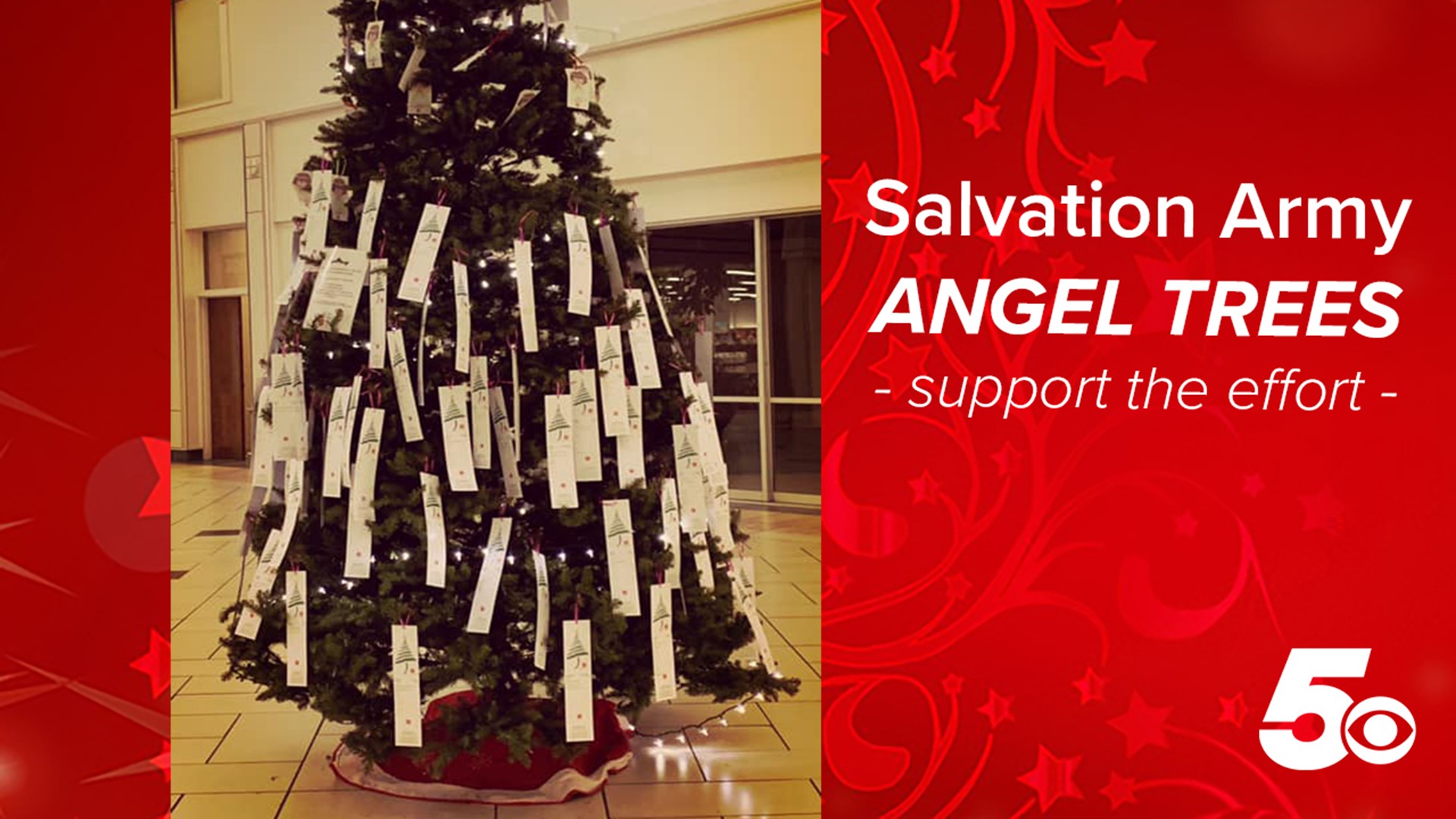
The Salvation Army’s Angel Tree program was originally founded in 1979 in Lynchburg, Virginia, by Majors Charles and Shirley White. The initiative emerged as a way to provide personalized clothing and toys to children during the holiday season. The organizers wrote children's names, ages, clothing sizes, and gift wishes on paper angel cutouts and hung them on a local shopping mall Christmas tree. Passersby could select an "Angel," purchase the specific items requested, and return them to the organization for distribution.
Prison Fellowship established its Angel Tree initiative in 1982, created by Mary Kay Beard, a former incarcerated individual. This program specifically focuses on connecting incarcerated parents with their children by delivering Christmas gifts purchased by local donors on behalf of the parent.
Both programs share a foundational objective: restoring joy, dignity, and practical support to families facing severe economic strain or systemic hardship during the holiday season.
How the Registry Process Works for Recipients
Before an Angel Tree tag ever reaches a public display, non-profit staff and social service caseworkers conduct an extensive intake process. Eligible families submit detailed applications during early autumn. Caseworkers verify local income eligibility, household dependents, and urgent household needs.
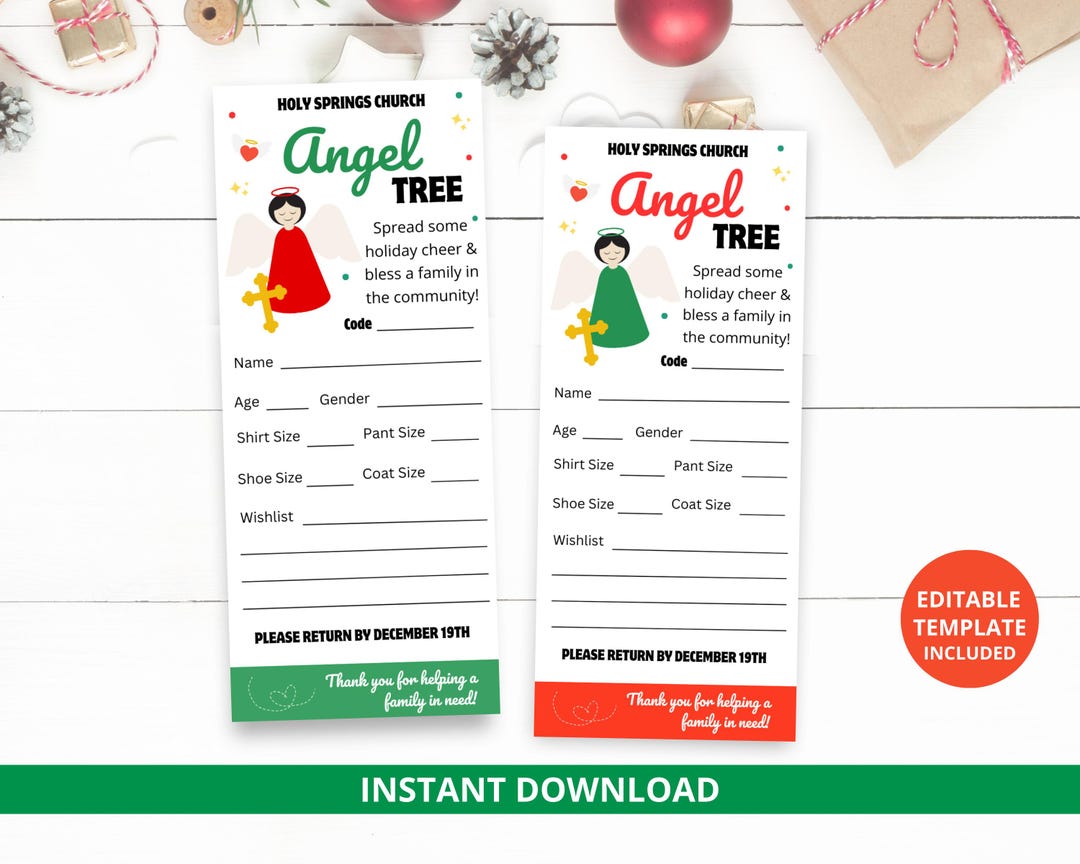
During registration, parents or guardians provide explicit details for each child (or participating senior citizen):
- Exact physical measurements: Shirt size, pants size, shoe size, coat size, and underwear/sock preferences.
- Essential needs: Warm outerwear, school supplies, bedding, or winter footwear.
- Personal wishes: Specific toys, board games, electronics, art sets, or sports equipment.
- Interests and hobbies: Favorite colors, favorite characters, sports teams, or creative outlets.
This information is compiled into a standardized paper tag or digital profile, stripped of identifying private data (such as last names or addresses), and assigned a tracking code or barcode for warehouse logistics.
The Social Media Evolution of the "Angel Tree Haul"
In recent years, the practice of adopting an Angel has evolved from a quiet family tradition into a widespread digital phenomenon known as the "Angel Tree haul." Creators on platforms such as TikTok, YouTube, and Instagram film the entire arc of their participation: picking a tag from a physical tree, walking through store aisles selecting items, displaying the finished pile of goods at home (the "haul"), and dropping off the donations.
- Select Tag from Tree
- Review Sizes & Wishes
- Shop for Items ("The Haul")
- Attach Tag / Prep Gifts
- Turn In by Deadline
Positive Cultural and Philanthropic Impacts
The surge in Angel Tree haul videos has introduced holiday giving to younger generations who may not have been familiar with community sponsorship programs. Seeing peer creators systematically plan, shop, and review items creates a relatable roadmap for how accessible charity work can be.
Key benefits of this online visibility include:
- Increased Tag Adoption Rates: High viral engagement frequently leads to shopping malls and corporate centers reporting higher tag pickup rates early in the holiday season.
- Transparent Budget Realism: Detailed haul videos break down the exact costs required to fulfill an Angel tag, helping prospective donors budget effectively before committing.
- Emphasis on Essential Goods: Popular content creators often highlight the stark contrast between fun gift items and critical basic necessities like boots and heavy coats, reminding viewers of the primary purpose of charity tags.
Balancing Inspiration with Creator Responsibility
While charity haul videos generate immense awareness, ethical considerations are central to the trend. Content creators must balance engaging storytelling with deep respect for the recipients. Giving initiatives emphasize that charity work should never diminish the dignity of receiving families or exploit poverty for personal digital clout.
Proper creator etiquette involves keeping the focus on community support, respecting recipient privacy, and emphasizing that the primary goal is helping families celebrate the holiday season on their own terms.
Step-by-Step Guide: Selecting, Shopping, and Fulfilling an Angel Tag
Fulfilling an Angel Tree tag requires careful attention to detail. Charitable organizations rely on donors to follow exact guidelines to ensure every child in a multi-child family receives an equitable and complete holiday experience.
Step 1: Locate and Choose Your Tag
Angel Trees typically appear in mid-to-late November in major public hubs:
- Regional shopping malls and retail centers
- Corporate office lobbies and banking branches
- Local places of worship and community recreation centers
- Digital portals managed by local Salvation Army commands or charity networks
When choosing a tag, evaluate your personal budget realistically. Some tags request basic toys, while others list multiple structural needs, such as complete winter wardrobe updates alongside educational electronics. Choose a tag you can fully commit to fulfilling.
Step 2: Decode the Needs vs. Wishes
A typical Angel tag is divided into two operational categories: Needs and Wishes.
ANGEL TREE TAG DATA
- NEEDS SECTION
- Heavy Winter Coat
- Boots / Sneakers
- Pants & Shirts
- WISHES SECTION
- Specific Toy/Doll
- Art / Craft Kit
- Educational Game
- NEEDS SECTION
Needs (High Priority): These represent mandatory items that lower household operational costs for parents. They usually include weather-appropriate coats, winter boots, school clothes, and basic hygiene products.
Wishes (Emotional Priority): These reflect the child's personal holiday dreams—a trending action figure, a specific brand of building blocks, or a creative studio set.
Best practice dictates fulfilling all listed needs first, followed by at least one or two primary wish list items.
Step 3: Execute the Shopping Trip
When conducting your shopping trip:
- Focus on durability: Select clothing and footwear built to withstand heavy play and multiple washes. Avoid ultra-cheap fast fashion that may tear or shrink quickly.
- Account for physical growth: Children grow rapidly during winter months. If a child requests a size 7 shirt, purchasing a size 8 ensures the garment fits throughout the remainder of the school year.
- Verify safety and completeness: Check age ratings on toys. If an item requires batteries, buy a package of the corresponding battery size and attach it securely to the boxed toy.
Step 4: Package According to Program Guidelines
Organizations maintain strict rules regarding how items must be turned in:
- Leave gifts UNWRAPPED: Do not wrap individual gifts unless the specific charity explicitly asks you to do so. Unwrapped items allow caseworkers and parents to inspect gifts, organize distribution efficiently, and participate directly in wrapping their children's presents.
- Keep original tags attached: Securely attach the paper Angel tag or printed barcode to the primary collection bag. Charities use these tags to match donations to specific family identification profiles in their warehouses.
- Use clear, heavy-duty bags: Place all purchased items inside a large, clear trash bag or storage bag to prevent loss or soil during transport.
Step 5: Submit Before the Firm Deadline
Charities operate under tight logistically constrained windows. Donations must be collected, sorted by caseworkers, verified for completeness, and distributed to parents days before the holiday. Missing a drop-off deadline can result in a child missing their collection window, forcing non-profits to scramble to pull backup inventory from emergency funds.
Strategic Budgeting and Fulfillment Framework
Planning an Angel Tree shopping strategy ensures your funds are spent efficiently while providing maximum value to the recipient child or senior. The following framework outlines typical price allocations across various fulfillment tiers.
| Fulfillment Level | Target Budget Range | Recommended Needs Allocation | Recommended Wishes Allocation | Ideal For |
|---|---|---|---|---|
| Standard Fulfill | $60 – $80 | • 1 Heavy Winter Coat• 1 Pair Everyday Shoes | • 1 Core Wish Item (Board game, classic toy) | Individual shoppers, students, budget-conscious donors |
| Comprehensive Fulfill | $100 – $150 | • 1 Winter Coat & Boots• 2 Tops & 2 Bottoms• Sock/Underwear Pack | • 2 Wish List Items• Battery Pack supply | Families shopping together, small workplace teams |
| Complete Wardrobe & Wish | $175 – $250+ | • Full Outerwear Set (Coat, boots, gloves, hat)• 3+ Complete Outfits• Backpack/Bedding | • Main Dream Wish Item (Bike, tablet, complex play set)• Secondary activity kit | Group sponsorships, corporate department drives |
Ethical Guidelines for Sharing Your Haul Online
If you choose to document your Angel Tree shopping journey on social media, adhere to established ethical standards to preserve dignity and safety:
- Obscure Identifying Codes: Always blur or cover unique barcode numbers, recipient ID numbers, or specific localized branch names on the tag to prevent unauthorized tracking or invasion of family privacy.
- Never Publish Personal Names: While most organizations use aliases or first names only, ensure no real personal identity markers are shown on camera.
- Avoid Condescending Narratives: Frame the video around structural community support and holiday celebration rather than pity or personal virtue signaling.
- Disclose Affiliate Links Clearly: If publishing a YouTube video or blog post linking to recommended toys or coats purchased during your haul, adhere to federal advertising standards by disclosing any commercial relationships clearly.
Common Pitfalls to Avoid During an Angel Tree Haul
Even well-intentioned donors occasionally make critical mistakes that complicate warehouse sorting or cause problems for recipient families.
1. Wrapping the Items Privately
One of the most frequent errors is wrapping gifts in decorative paper before drop-off. Non-profit security and screening guidelines require staff to inspect every item entering distribution centers. Wrapped gifts must be manually unwrapped by volunteers, consuming valuable time and wasting expensive wrapping materials.
2. Buying Incompatible or Incomplete Toys
Purchasing a high-tech electronic toy without including required batteries, memory cards, or power adapters places a financial burden on parents who may not have the extra funds to make the toy operational. Always attach the necessary accessories directly to the primary item package.
3. Substituting Requested Items Excessively
If an Angel tag specifically asks for a size 10 winter boot, replacing it with a stylish pair of thin canvas summer shoes because they were on sale ignores the physical reality of the child's cold-weather climate needs. Stick as closely as possible to the specific dimensions and practical items requested on the physical tag.
4. Overlooking Senior Angel Tags
While child tags are most popular in online haul videos, many locations offer Senior Angel tags. Senior citizens enrolled in state assistance or living in long-term care facilities often request basic comfort items, such as specialized slippers, lap blankets, large-print books, or personal care supplies. Neglecting senior tags leaves a vulnerable demographic unsupported.
Frequently Asked Questions
Can I adopt an Angel Tree tag online if I don’t live near a physical tree?
Yes, major organizations such as The Salvation Army partner with online retailers to offer virtual Angel Tree programs. Online donors can browse verified registry lists by region, purchase items directly through integrated e-commerce platforms, and have them shipped directly to central distribution warehouses.
What happens if I pick a tag but cannot afford to buy everything listed?
You should focus on fulfilling the primary clothing needs and at least one requested item within your means. If unexpected circumstances prevent you from fulfilling the tag entirely, return the tag to the physical tree host or non-profit coordinator as early as possible so another donor can adopt it before the distribution deadline.
Why do organizations request unwrapped gifts?
Unwrapped gifts allow charity screeners to verify item safety, confirm that all items match the child's requested sizes, and ensure equitable distribution among siblings in the same household. It also empowers parents and guardians to view, choose, and wrap the gifts themselves, maintaining a direct role in their family's holiday tradition.
Are donations made for Angel Tree tags tax-deductible?
In most jurisdictions, physical goods purchased for registered 501(c)(3) charitable organizations (like The Salvation Army or Prison Fellowship) are tax-deductible. Retain your original store receipts alongside a copy of the official donation tag or drop-off receipt to support your itemized tax deductions.
Next Steps for Prospective Donors
If you are planning to participate in an Angel Tree haul this season:
- Locate Your Local Chapter: Check the official websites of local non-profit organizations starting in October or early November to identify physical tree locations and drop-off windows.
- Set a Firm Budget: Determine how much you can comfortably spend before selecting your tag. Factor in taxes, clothing, footwear, batteries, and necessary accessories.
- Shop Early: Pick up your tag as soon as trees are populated in November to maximize the time you have to find correct clothing sizes and complete items on sale.
- Follow Logistics Rules: Deliver your unwrapped donations inside secure clear bags with original tags attached before the designated deadline.
By pairing thoughtful shopping strategies with strict adherence to organizational rules, your Angel Tree haul directly helps local families experience a warm, joyful, and dignified holiday season.