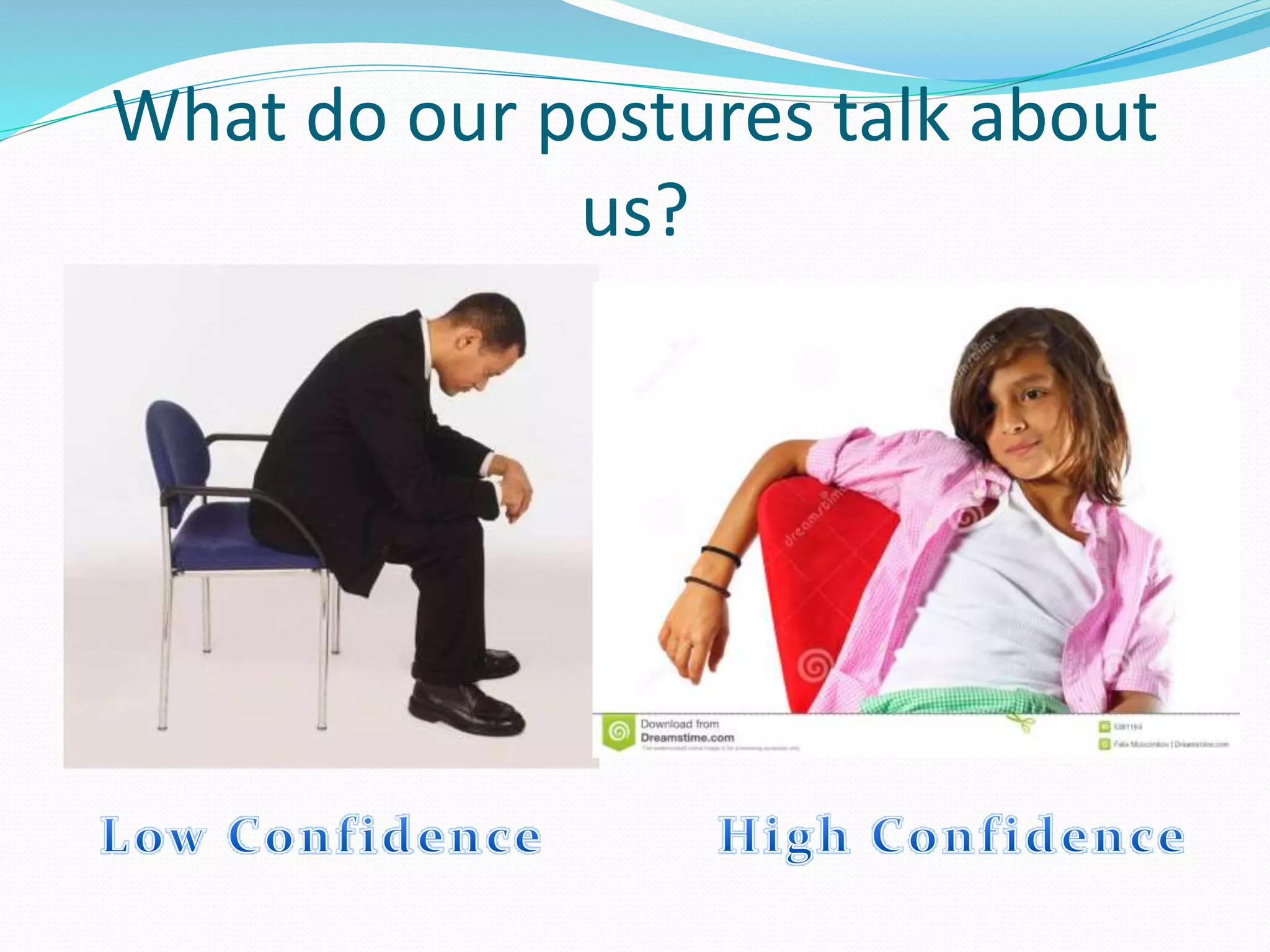
Amy Cuddy’s 2012 TED talk, "Your body language may shape who you are," introduced the concept of "power posing"—holding expansive postures to boost confidence. While its original claims about hormonal changes faced significant scientific scrutiny during the replication crisis, power posing remains a popular psychological tool for improving subjective self-confidence before high-stakes situations.
The Cultural Impact of the 2012 TED Talk
Amy Cuddy’s presentation, delivered at TEDGlobal 2012, remains one of the most-watched talks in the platform's history. As of 2026, it continues to serve as a cornerstone in discussions regarding non-verbal communication and self-empowerment. Cuddy, a social psychologist and then-professor at Harvard Business School, proposed a simple yet provocative thesis: by consciously changing our physical posture, we can change our internal psychological state and even our biochemistry.
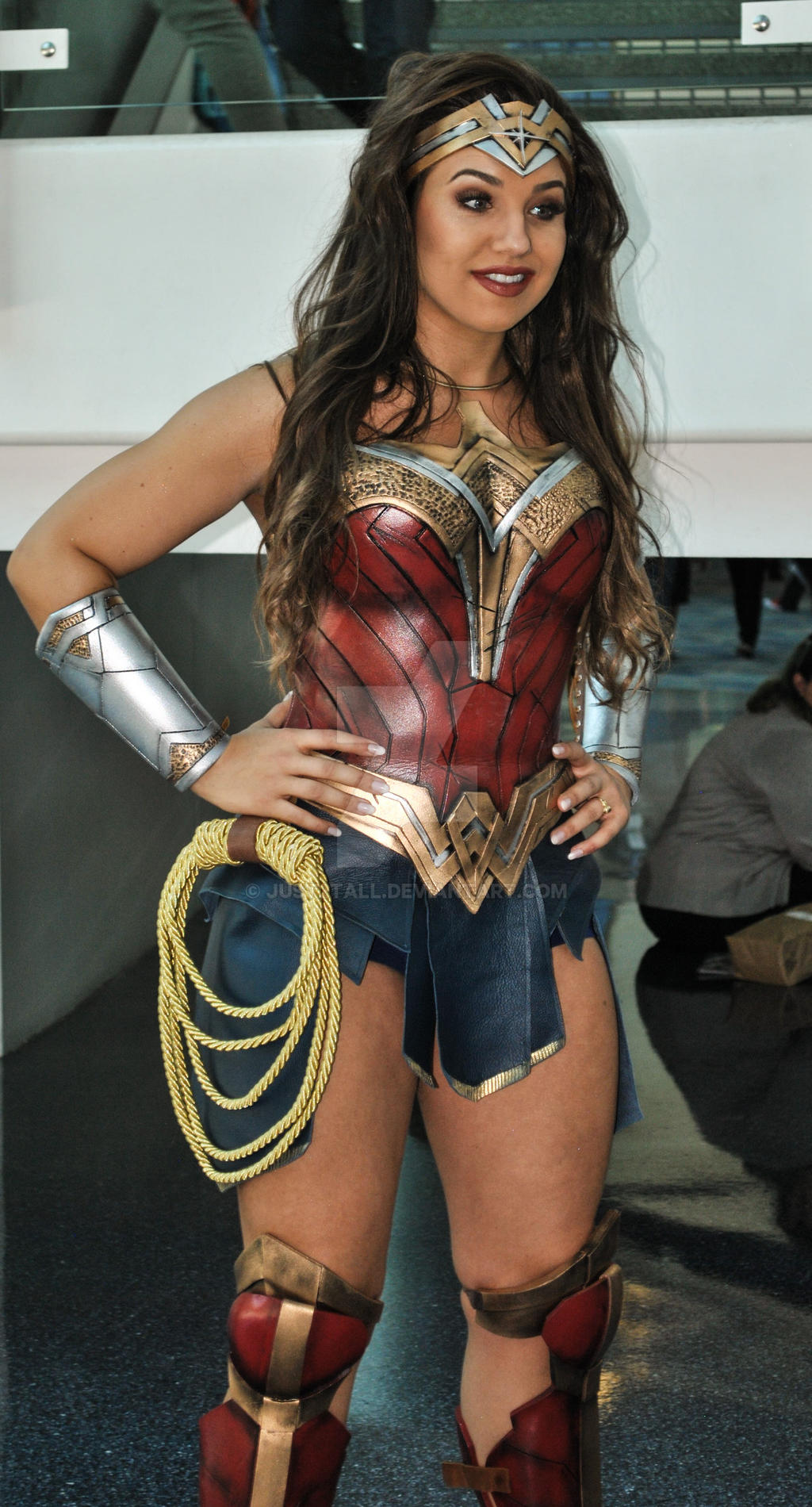
The talk centered on the idea that "faking it" until you "become it" is a viable strategy for personal growth. Unlike traditional body language studies that focus on how our movements influence others (the perceiver effect), Cuddy focused on how our movements influence ourselves (the self-effect). The viral success of the talk was driven by its accessibility. The "Wonder Woman" pose—standing tall with hands on hips and feet apart—became a global shorthand for preparation before job interviews, public speaking engagements, and difficult conversations.
The Mechanics of Power Posing: Original Scientific Claims
The foundation of the TED talk was a 2010 study published in Psychological Science by Dana Carney, Amy Cuddy, and Andy Yap. The researchers asserted that "high-power" poses—those that are expansive and open—resulted in significant behavioral and physiological changes compared to "low-power" poses, which are contractive and closed.
The original study identified three primary outcomes of holding a high-power pose for just two minutes:
- Hormonal Shifts: The study reported an average 20% increase in testosterone (the "dominance" hormone) and a 25% decrease in cortisol (the "stress" hormone).
- Increased Risk Tolerance: Participants were more likely to take risks in a gambling task following a power pose.
- Subjective Feelings of Power: Participants reported feeling more assertive and confident.
These findings suggested that the body does not just reflect the mind; it directs it. In 2026, we recognize this as a peak moment for the "bio-hacking" movement, where simple physical interventions were marketed as systemic solutions for complex psychological hurdles.
The Replication Crisis and Scientific Controversy
Beginning around 2014 and peaking in 2016, the scientific community began to question the robustness of the power posing data. This period, often called the "Replication Crisis" in social psychology, saw many landmark studies fail to produce the same results when repeated by independent laboratories.
In 2015, a large-scale replication attempt by Eva Ranehill and colleagues, published in Psychological Science, found that while participants did feel more powerful after posing, there were no significant changes in hormones or risk-taking behavior. This was a major blow to the "biochemical" pillar of Cuddy's argument.
The controversy deepened when Dana Carney, the lead author of the original 2010 paper, released a statement in 2016 asserting that she no longer believed "power poses" were real. She cited concerns over small sample sizes and "p-hacking"—a statistical practice where researchers might inadvertently or intentionally manipulate data analysis until a significant result is found.
The Evolution of the Research
Despite the criticism, Amy Cuddy defended the core utility of the practice. In a 2018 meta-analysis published in Psychological Bulletin, Cuddy and her colleagues reviewed hundreds of studies on "postural feedback." They concluded that while the effect on hormones was inconsistent and likely non-existent, the effect on subjective feelings of power was robust and statistically significant across a wide range of contexts.
In the current landscape of 2026, the scientific consensus has shifted. Power posing is no longer viewed as a biological "reset button" for the endocrine system. Instead, it is treated as a cognitive tool for self-regulation—a way to prime the brain for confidence through physical feedback loops.
High-Power vs. Low-Power Poses: A Comparative Overview
Understanding the physical differences between these poses is essential for anyone looking to apply these concepts effectively. High-power poses occupy space and keep the limbs away from the torso, whereas low-power poses minimize the body's footprint.
| Pose Type | Common Name | Physical Description | Intended Psychological Effect |
|---|---|---|---|
| High-Power | The Wonder Woman | Standing with feet apart, hands on hips, chin slightly tilted upward. | Boosts self-assertion and prepares for confrontation or performance. |
| High-Power | The Performer | Standing with arms stretched out in a "V" shape, reclaiming vertical space. | Increases feelings of pride and expansive joy. |
| High-Power | The CEO | Sitting with hands behind the head and feet resting on a desk. | Promotes a sense of relaxation, control, and dominance. |
| Low-Power | The Protector | Sitting with arms crossed tightly and shoulders hunched forward. | Signals defensiveness, insecurity, or a desire to hide. |
| Low-Power | The Smartphone Lean | Looking down at a device with neck bent and arms tucked in. | Associated with lower mood and reduced feelings of assertiveness. |
Practical Application in 2026: How to Use the Power Pose
While the "magical" hormonal claims have faded, the practical utility of power posing remains high for professionals and students alike. The key is using the technique as a pre-performance ritual rather than an interactive tool.
Implementation Steps
- Find a Private Space: Do not power pose in front of the people you are trying to influence. The effect is for you, not for them. Using these poses in a meeting can come across as aggressive or socially awkward.
- Duration Matters: Research suggests that holding a pose for roughly 90 to 120 seconds is the "sweet spot" for triggering the subjective feeling of confidence.
- Mind-Body Alignment: Focus on the sensation of expansion. Instead of just standing still, breathe deeply and imagine the physical space you are occupying.
- Transition to "Presence": Once the pose is finished, transition into what Cuddy calls "Presence." This is the state of being attuned to and able to comfortably express your true thoughts, feelings, and values.
Common Mistakes to Avoid
- Overestimating the Effect: A power pose will not compensate for a lack of preparation. It is a state-management tool, not a substitute for knowledge or skill.
- Public Execution: As mentioned, executing these poses during a job interview is counterproductive. The "self-effect" works best when it is a private preparation ritual.
- Ignoring Context: In some cultures, expansive poses are viewed differently. While the internal feeling of power may be universal, the outward display is subject to cultural norms.
Critical Analysis: Why the Power Pose Persists
Why does Amy Cuddy’s talk remain relevant in 2026 despite the rigorous scientific debate? The answer lies in the intersection of psychology and lived experience. While the laboratory data on testosterone may be murky, the anecdotal evidence from millions of people who feel "braver" after a power pose is a powerful data point of its own.
The power pose serves as a "nudge"—a small change in the environment or behavior that leads to a significant change in outcome. In a world where high-stress environments are common, having a zero-cost, two-minute tool to manage anxiety is invaluable. Furthermore, Cuddy's work sparked a broader conversation about "embodied cognition"—the theory that our thoughts are deeply intertwined with our physical state. This field has grown significantly, leading to more nuanced understandings of how exercise, posture, and even facial expressions influence mental health.
Frequently Asked Questions
Does the "Wonder Woman" pose really change your hormones?
Current scientific consensus, established through multiple replication attempts, suggests that power posing does not reliably change levels of testosterone or cortisol in the blood. While the original 2010 study claimed these effects, later larger-scale studies failed to find the same results. However, the pose does consistently improve how people feel about their own power and confidence.
How long do I need to hold a power pose for it to work?
Most practitioners and the original research suggest holding the pose for two minutes. This duration is long enough to shift your focus to your physical presence and away from anxious thoughts, but short enough to be easily integrated into a busy schedule before an important event.
What is the difference between power posing and "Presence"?
Power posing is a specific physical technique (standing expansively) used to trigger a feeling of confidence. "Presence," the subject of Amy Cuddy’s 2015 book, is the broader psychological state of being present in the moment and authentic. Power posing is a tool that can help you achieve a state of Presence.
Is Amy Cuddy still at Harvard?
Amy Cuddy left her tenure-track position at Harvard Business School in 2017 to focus on her writing, speaking, and independent research. She continues to be a prominent figure in the field of social psychology and a sought-after consultant for leadership development in 2026.
Can power posing be used to treat clinical anxiety?
Power posing is a self-help tool for situational confidence, not a clinical treatment for anxiety disorders. While it may help manage "jitters" before a speech, it should not replace professional medical advice or evidence-based therapies like Cognitive Behavioral Therapy (CBT) for those with diagnosed anxiety conditions.
Final Recommendation
For those looking to improve their performance in high-pressure situations, Amy Cuddy’s power posing remains a useful, albeit non-miraculous, tool. Use the Wonder Woman or Performer pose privately for two minutes before your next big challenge. Treat it as a psychological "warm-up" to ground yourself and reduce pre-performance jitters. While the hormones may not shift, the mental shift in how you perceive your own capability is often enough to make a meaningful difference in how you show up.