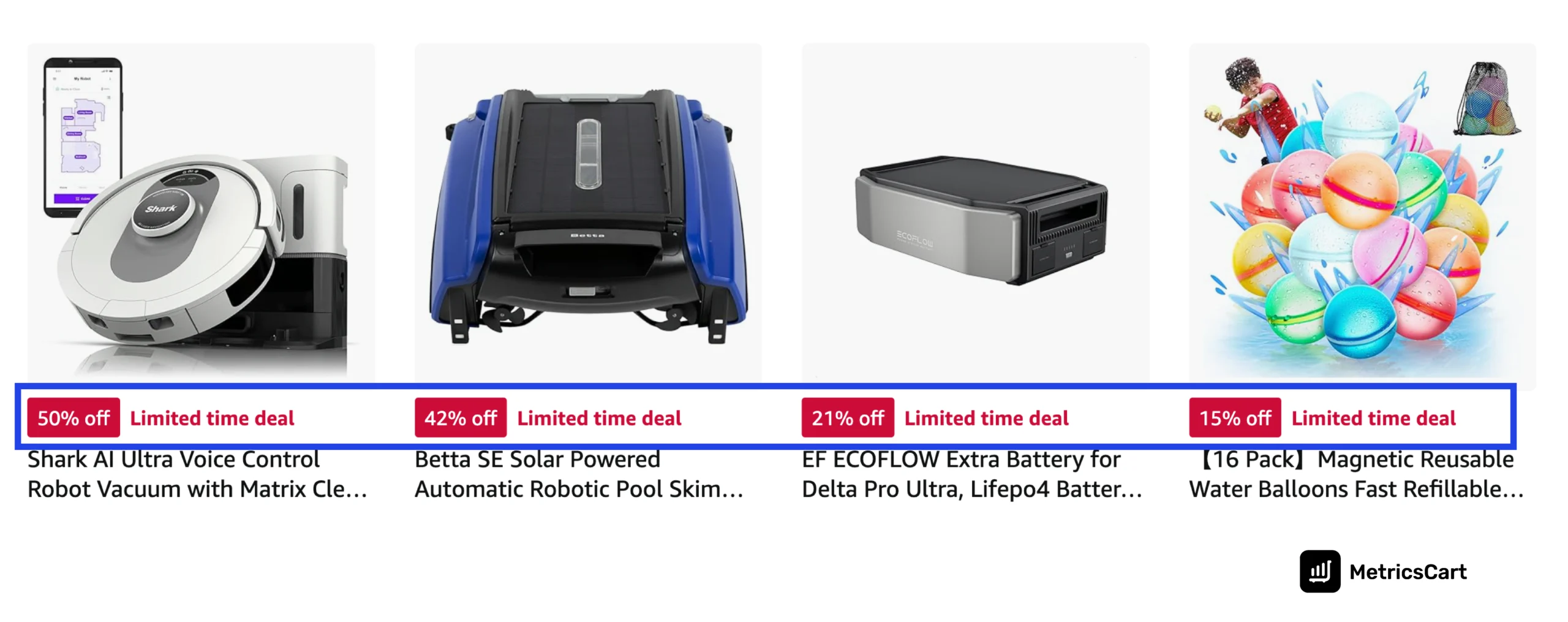
An Amazon Deal of the Day is a high-value discount on a specific item or a curated bundle of products that remains active for 24 hours. These promotions, often labeled as "Top Deals" in 2026, represent the platform's most significant daily price reductions, typically ranging from 20% to 70% off the list price.
The Amazon marketplace has evolved into a complex ecosystem of dynamic pricing and rotating promotions. Among these, the Deal of the Day (DOTD) remains the cornerstone of Amazon’s daily engagement strategy. While the interface has undergone several aesthetic updates leading into 2026, the core mechanics of the Deal of the Day remain a vital tool for both budget-conscious shoppers and strategic sellers. Understanding how these deals are curated, where to find them, and how to verify their true value is essential for navigating the world’s largest e-commerce platform.
The Anatomy of an Amazon Deal of the Day
At its most basic level, an Amazon Deal of the Day is a manufacturer- or Amazon-sponsored promotion that lasts for a single day. In the 2026 retail landscape, these are often consolidated under the "Top Deal" banner on the "Today's Deals" landing page. Unlike other promotions that might last for a week or just a few hours, the Deal of the Day is designed to create a "midnight-to-midnight" urgency.
Duration and Timing
A standard Deal of the Day begins at 12:00 AM Pacific Standard Time (PST) and expires at 11:59 PM PST the same day. This timing is consistent regardless of where the shopper is located, which is a critical detail for those on the East Coast or in international markets. Because the deals reset at midnight Pacific Time, shoppers in New York will see new deals populate at 3:00 AM.
While the deal is technically scheduled for 24 hours, it is subject to stock availability. High-demand electronics or trending household goods may sell out long before the clock strikes midnight. Once the allocated inventory for the deal is exhausted, the product typically reverts to its standard price or displays as "Out of Stock" for the deal price.
Product Selection
The products featured are rarely random. Amazon utilizes sophisticated predictive algorithms to select items that have high conversion potential. This includes:
- Seasonal relevance: Air conditioners in July or heavy blankets in November.
- High-velocity items: Products with a high volume of positive reviews and low return rates.
- Brand Spotlights: Occasionally, a Deal of the Day focuses on an entire brand (e.g., "Up to 40% off Samsung Galaxy Devices"), offering a variety of related SKUs under a single deal banner.
Deal of the Day vs. Other Amazon Promotions
To truly understand the Deal of the Day, one must distinguish it from the other types of discounts cluttering the "Today's Deals" page. By 2026, Amazon has streamlined these categories, but the functional differences remain distinct.
Lightning Deals
Lightning Deals are flash sales. They typically last for only 2 to 6 hours and feature a "claim bar" showing what percentage of the deal has been claimed by other shoppers. Unlike the Deal of the Day, Lightning Deals are strictly limited by quantity. Once the "Lightning" stock is gone, the deal is over, even if time remains. Prime members often get 30-minute early access to these deals, whereas the Deal of the Day is generally available to all shoppers simultaneously.
Best Deals (Savings & Sales)
These are often called "Savings and Sales" or "Monthly Deals." They do not expire at the end of the day. Instead, they can last for up to two weeks. The discounts are usually less aggressive than a Deal of the Day but offer more flexibility for the shopper to compare prices and make a decision.
Prime Exclusive Deals
As the name suggests, these are restricted to Amazon Prime members. While a Deal of the Day is often open to the general public, Amazon frequently layers Prime Exclusive discounts on top of daily deals, or reserves the very best "Top Deals" for its subscription members during high-traffic events like Prime Day or the Holiday season.
Comparison of Amazon Deal Types (2026)
| Feature | Deal of the Day (Top Deal) | Lightning Deal | Best Deal (Monthly) |
|---|---|---|---|
| Duration | 24 Hours | 2–6 Hours | Up to 2 Weeks |
| Stock Limit | High, but can sell out | Strictly limited | Generally high |
| Urgency | Medium-High | Very High | Low |
| Average Discount | 25% – 70% | 15% – 50% | 10% – 25% |
| Prime Required? | Usually No | Access advantage | Sometimes |
| Reset Time | 12:00 AM PST | Staggered hourly | Variable |
How to Access and Track Daily Deals
Navigating to these deals in 2026 can be done through several channels, each offering a slightly different user experience.
The "Today's Deals" Gateway
The most direct route is the "Today's Deals" link located in the main navigation bar of the Amazon website or the "Deals" icon in the mobile app footer. Amazon’s 2026 interface prioritizes personalized "Deals Recommended for You" at the top, but the "Deal of the Day" or "Top Deal" section usually follows immediately.
Mobile App Notifications
The Amazon shopping app is the most effective way to track specific categories. Users can go to "Settings" and then "Notifications" to enable "Your Watched & Waitlisted Deals." If you have previously viewed an item or added it to a list, the app will push a notification if that item becomes a Deal of the Day.
Alexa Integration
For users with Echo devices, a simple voice command—"Alexa, what are my deals?"—will prompt the AI to read off the current top-tier deals based on your purchase history and interests. In 2026, Alexa can also be configured to automatically apply a Deal of the Day discount to items in your "Save for Later" cart if they go on sale.
Technical Requirements for Sellers
From a seller's perspective, landing a Deal of the Day is a high-stakes achievement that can result in thousands of sales in a single 24-hour period. However, it is not something a seller can simply "turn on." It requires an invitation or approval through the Amazon Seller Central or Vendor Central portal.
For a product to be eligible for a Deal of the Day in 2026, it must generally meet these criteria:
- Professional Selling Account: Individual sellers are not eligible.
- Product Rating: The item must typically have a 3.5-star to 4-star rating or higher (this varies by category).
- Fulfillment: The product must be Fulfillment by Amazon (FBA) or SFP (Seller Fulfilled Prime) to ensure the 24-hour surge in orders can be handled logistically.
- Deep Discount: Amazon requires the deal price to be at least 20% lower than the "Lowest Price in the last 30 days." Frequently, for a "Top Deal" placement, the requirement is 30% or more.
- Inventory Depth: Sellers must prove they have enough stock to handle a massive spike in volume. Running out of stock midway through a Deal of the Day can negatively impact a seller's future eligibility.
Verifying the Value: Avoiding "Fake" Deals
A common concern among shoppers is whether a Deal of the Day is actually a good price or simply a return to the standard price after a temporary hike. While Amazon has implemented stricter "List Price" policies by 2026 to comply with global consumer protection standards, savvy shoppers should still verify.
Use Price History Tools
Tools like Keepa and CamelCamelCamel are essential for Deal of the Day verification. These services track the price history of millions of Amazon products. Before clicking "Add to Cart," a shopper can check the 365-day price graph. If the "Deal of the Day" price is the same as the price was two months ago, the urgency is artificial.
The "Strike-Through" Price
Amazon displays a "List Price" with a strike-through next to the deal price. This list price is supposed to represent the price at which the product was recently offered for a significant period. However, manufacturers sometimes inflate these MSRPs. Shoppers should focus on the "Was" price (the price the item sold for immediately before the deal) rather than the "List Price" (the manufacturer's suggested price).
Troubleshooting Common Issues
Even with a streamlined system, users often encounter hurdles when trying to claim a Deal of the Day.
- Deal Price Not Appearing: If you click a deal and the price is still high, check if you are looking at the "Other Sellers" section. A Deal of the Day is usually tied to a specific seller (often Amazon.com itself or the official brand store). Ensure the "New" condition from the authorized seller is selected.
- Expired Deals: If you see a deal listed on a third-party "deal site" but it is not on Amazon, the deal has likely expired or hit its inventory cap. Remember the 11:59 PM PST cutoff.
- Regional Restrictions: Some deals are geographically locked due to shipping constraints or local regulations. A Deal of the Day on Amazon.com (USA) will not necessarily be reflected on Amazon.ca (Canada) or Amazon.co.uk (UK).
The Psychology of the 24-Hour Window
Amazon utilizes the Deal of the Day to tap into several psychological triggers. The most prominent is Loss Aversion, where the fear of missing out on a specific price point outweighs the logic of waiting. By strictly limiting the window to 24 hours, Amazon minimizes "analysis paralysis."
Furthermore, the "Deal of the Day" serves as a "Loss Leader" strategy. Even if Amazon or the seller makes a slim profit (or a small loss) on the featured item, the deal brings millions of users to the site. Once there, those users are highly likely to add non-discounted items to their carts, such as accessories for the electronics they just bought or everyday household essentials.
Summary of Best Practices for 2026
To get the most out of the Amazon Deal of the Day, follow these strategic steps:
- Check Early: New deals refresh at midnight PST. For the most popular items, checking in the morning is safer than waiting until evening.
- Verify via Keepa: Never trust a strike-through price blindly. Use a price tracker to see the item's historical lows.
- Monitor Your "List": Add items you want to your "Wish List." Amazon’s AI will prioritize those items in your personalized deal feed if they ever hit the Deal of the Day status.
- Evaluate the Brand: Is it a reputable brand or a "private label" brand created specifically for high-volume Amazon sales? High-quality Deals of the Day usually feature recognizable national brands.
- Look for Bundles: Sometimes the best DOTD value is in a bundle (e.g., a camera with an included SD card and case) rather than the standalone item.
FAQ
Do I need an Amazon Prime membership to get the Deal of the Day? Generally, no. Most Deals of the Day are available to all customers. However, Amazon may occasionally designate specific "Top Deals" as Prime Exclusive, and Prime members often receive faster shipping on these items at no extra cost.
Can I return an item I bought as a Deal of the Day? Yes. Items purchased during a Deal of the Day fall under Amazon’s standard return policy. In 2026, most items are eligible for a 30-day return window, though the refund will be for the deal price paid, not the current list price.
How often does the same product become a Deal of the Day? There is no fixed schedule, but high-demand items rarely repeat as a Deal of the Day within a 30- to 60-day window. If you see an item you genuinely need at a 40% discount or higher, it is unlikely to return to that price point in the immediate future.
Are Deal of the Day items refurbished or used? No. Unless explicitly stated (such as a deal within the "Amazon Resale" or "Renewed" section), Deal of the Day items are brand new, factory-sealed products.
Does Amazon Price Match if a Deal of the Day starts after I bought an item? Amazon typically does not offer price protection or price matching after a purchase. If you bought an item yesterday and it becomes a Deal of the Day today, the standard procedure is to return the original item and purchase the new one at the deal price, provided the return shipping costs don't negate the savings.
Final Recommendation
For the best experience, treat the Amazon Deal of the Day as a tool for planned purchases rather than an excuse for impulse buying. By using price-tracking extensions and monitoring your "Wish List" notifications, you can ensure that when you finally click "Buy Now," you are receiving a genuine, historical low price. In 2026, the most successful shoppers are those who leverage Amazon's AI personalization to find deals they actually need, rather than being overwhelmed by the sheer volume of daily promotions.