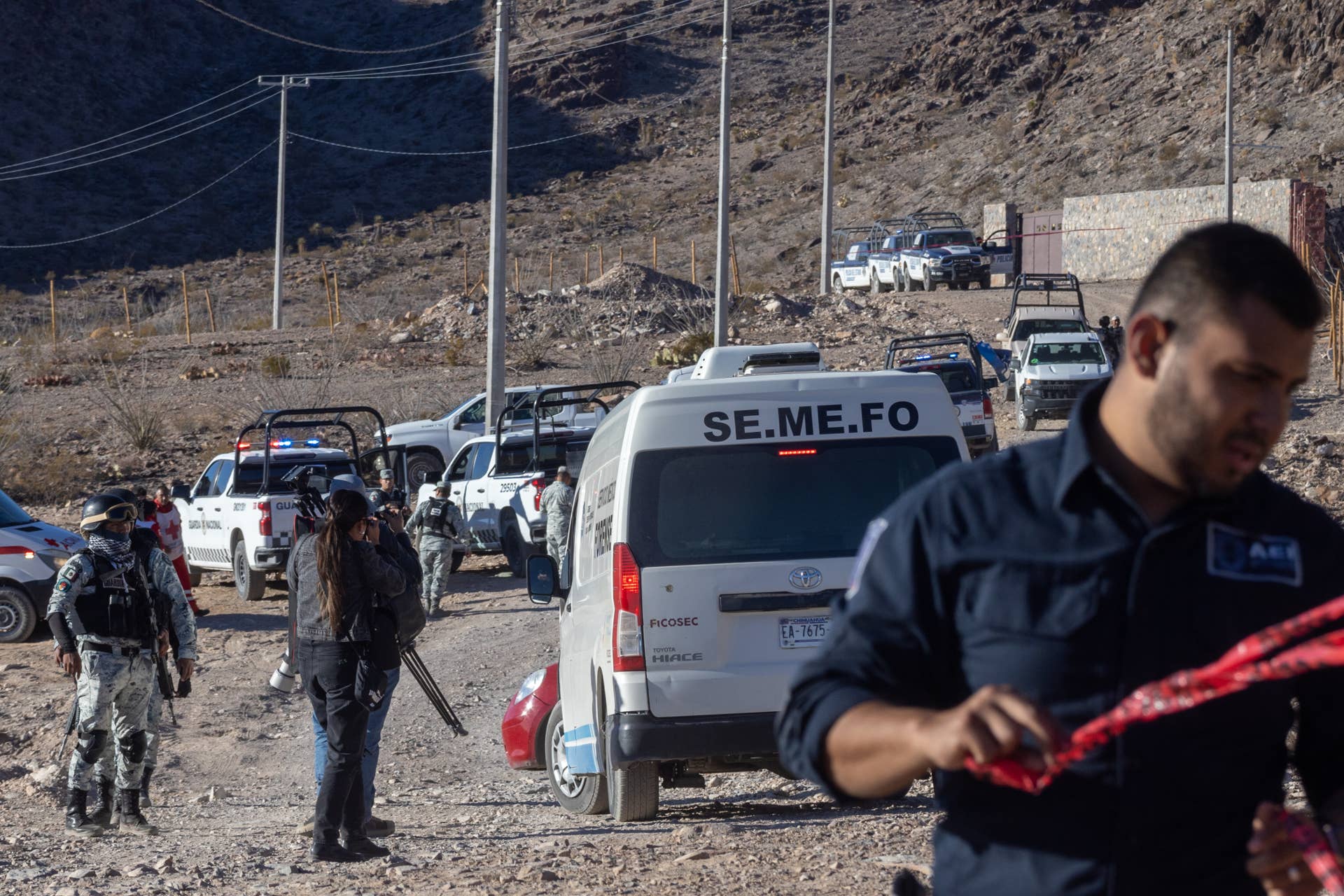
When an American family is found dead in Mexico, the tragedy triggers a complex series of diplomatic, legal, and logistical procedures involving both United States and Mexican authorities. Understanding these processes—from consular notification and forensic investigation to the repatriation of remains—is essential for families navigating the immediate aftermath of such a crisis. This guide outlines the official mechanisms in place to assist survivors and the standard protocols governing transnational mortality events.
The Role of the U.S. Department of State and Consular Services
When an American citizen dies abroad, the primary point of contact for the family is the U.S. Department of State, specifically through the nearest U.S. Embassy or Consulate. The U.S. government does not have legal jurisdiction over the investigation itself, which remains the sole responsibility of the Mexican authorities (typically the Fiscalía General del Estado or state prosecutor’s office). However, the consulate provides critical assistance to the next of kin.
Consular officers act as facilitators rather than investigators. They are tasked with:
- Notification: Ensuring the legal next of kin is notified of the death.
- Liaison: Serving as a bridge between the grieving family and Mexican law enforcement to ensure that information regarding the investigation is relayed accurately.
- Documentation: Assisting in the preparation of the Consular Report of Death of a U.S. Citizen Abroad, a document essential for settling estate and insurance matters back in the United States.
- Logistics: Providing a list of local funeral homes that have the capacity to handle international repatriation.
Understanding the Mexican Legal Process
Unlike many U.S. jurisdictions, the Mexican legal system is based on civil law, which influences how death investigations are conducted. When a body is discovered, the local Ministerio Público (Public Prosecutor) assumes control of the scene.
The Autopsy Requirement
In cases of unnatural death—including accidents, homicides, or suspicious circumstances—Mexican law requires an autopsy, known as an autopsia de ley. This procedure is performed by forensic medical experts employed by the state. It is important for families to understand that they cannot opt out of this process, as it is a mandatory requirement of the local legal proceedings.
The Role of the Public Prosecutor
The Fiscalía is responsible for determining the cause and manner of death. Because the process is governed by Mexican statutes, delays can occur. Families are often advised to appoint a local Mexican attorney—a licenciado—to act as their legal representative. This individual can petition the court for updates, ensure that the family’s interests are protected, and expedite the release of the bodies once the investigation reaches a stage where the remains are no longer needed for evidence.
Repatriation of Remains: Procedures and Costs
The process of bringing a deceased family member home is governed by both international health regulations and the requirements of the funeral industry. This is rarely a simple logistical task and often involves significant financial expenditure.
- Selection of a Funeral Home: The family must select a mortuary in Mexico that is experienced in international transport. Not all funeral homes are equipped to handle the specific health permits (such as embalming certifications and transit permits) required by the Mexican Ministry of Health (Secretaría de Salud).
- Required Documentation: To exit Mexico, the remains must be accompanied by several documents, including the Mexican death certificate, an embalming certificate, and a transit permit.
- Consular Certification: The U.S. Consulate authenticates the local death documents. This authentication is required by U.S. airlines and customs officials to clear the remains for entry into the United States.
- U.S. Customs and Border Protection (CBP): Upon arrival at a U.S. port of entry, the remains are subject to inspection. CBP generally requires that the remains be placed in an airtight container or a specialized shipping casket to comply with public health standards.
Financial Considerations and Support
The cost of an international death is substantial. Families should be prepared for expenses that include local forensic fees, local funeral home services, international transport via air cargo, and U.S. mortuary services.
- Insurance Coverage: Many travel insurance policies or credit card travel benefits include "repatriation of remains" coverage. Families should immediately contact the deceased’s insurance providers to determine if these costs are covered.
- Death Benefits: If the deceased was a U.S. government employee or military member, federal survivor benefits may apply. Similarly, Social Security benefits may be available for surviving dependents.
- Crowdfunding and Legal Aid: When costs are prohibitive, families often utilize verified, regulated crowdfunding platforms. It is advised to coordinate these efforts with legal counsel to avoid potential interference with the official investigation.
Comparison of Roles in Transnational Death Investigations
| Entity | Primary Responsibility | Limitation |
|---|---|---|
| U.S. Consulate | Liaison, documentation, and family support | Cannot intervene in Mexican legal proceedings |
| Mexican Fiscalía | Investigation, evidence collection, and autopsy | Bound by Mexican state law and procedure |
| Local Mexican Counsel | Direct legal advocacy for the family | Must be hired privately by the next of kin |
| Funeral Director | Physical handling and logistics of repatriation | Cannot speed up the judicial release process |
Common Challenges and Troubleshooting
Families often encounter significant frustration during these events due to language barriers, bureaucratic procedures, and the slow pace of local investigations.
- Communication Gaps: Information may be provided in Spanish. It is highly recommended to secure a translator or a local attorney to interpret official findings accurately.
- Information Delays: Mexican authorities may be reluctant to release information while an investigation is active. Expecting rapid updates can lead to disappointment; patience, while difficult, is necessary to ensure the investigation remains on the right track.
- Verifying Official Reports: Be cautious of local media reports. In high-profile cases, information circulating on social media or in local news outlets may be speculative or incorrect. Rely strictly on the information provided by the U.S. Consulate or your appointed legal representative.
Frequently Asked Questions
Does the U.S. government pay for the return of an American family found dead in Mexico? No. The U.S. government does not provide funds for the repatriation of remains. These costs are the responsibility of the family or the deceased’s estate, though some insurance policies may cover these expenses.
Can a private pathologist perform a second autopsy? If a family is dissatisfied with the findings of the Mexican state autopsy, they may hire a private, independent pathologist. However, this must be coordinated through the local prosecutor, and in some jurisdictions, it may be legally complicated or logistically difficult to arrange.
How long does the repatriation process take? The timeline varies significantly based on the complexity of the investigation. If the deaths are ruled accidental, the process might take two to four weeks. If the death is being investigated as a homicide, the remains may be held for a much longer period until the Fiscalía releases them.
What if the family cannot afford the repatriation costs? Families in this position should contact the U.S. Consulate immediately. While the government cannot provide funding, they can sometimes help connect the family with organizations that provide assistance to Americans in distress abroad, or assist in negotiating lower-cost arrangements with local funeral homes.
Should we travel to Mexico during the investigation? Travel to Mexico to coordinate affairs is a personal decision. While being on-site may provide comfort, it does not legally grant the family access to the crime scene or investigative files. Always consult with the U.S. Consulate before traveling to the specific region to ensure current safety guidelines are followed.
Recommended Next Actions
For families currently facing this situation, the first and most critical step is to contact the Office of Overseas Citizens Services at the U.S. Department of State. Establishing a formal line of communication with the local embassy will ensure that the family is kept informed as the official investigation progresses. Prioritize securing legal counsel within the Mexican jurisdiction where the death occurred, as they are the only party capable of navigating the nuances of the local legal system on the family's behalf. Finally, gather all relevant insurance policy documents, as these will be essential for managing the high costs associated with repatriation and final arrangements.