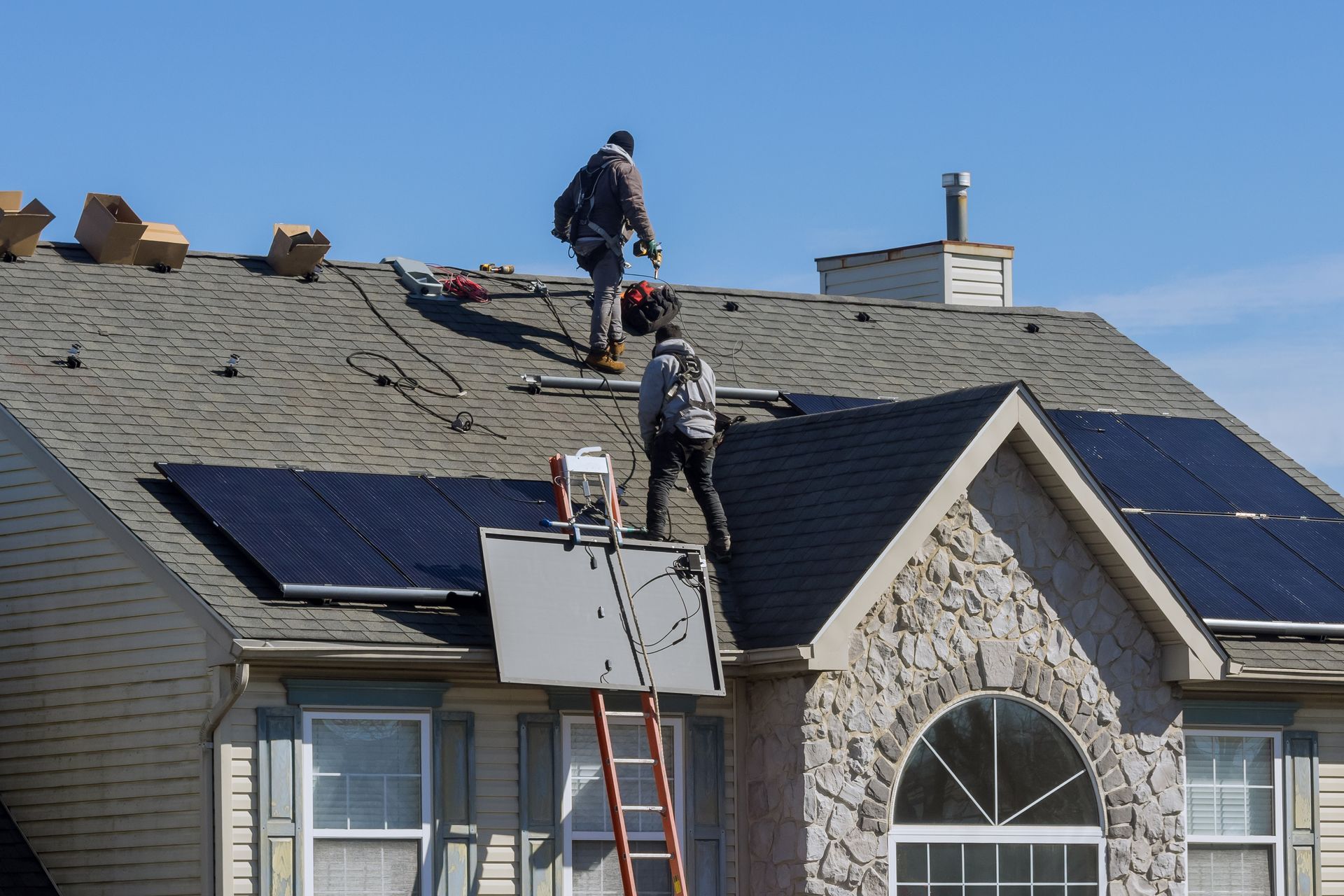
Aluminium roofing is an ideal substrate for solar panel installation due to its durability, lightweight nature, and natural resistance to corrosion. By utilizing non-penetrative clamps for standing seam profiles or specialized brackets for corrugated sheets, homeowners can ensure a leak-free, high-performance energy system with a lifespan exceeding 25 years.
In the building landscape of 2026, the integration of renewable energy with high-performance roofing materials has moved from a premium option to a standard practice for sustainable construction. Aluminium, known for its exceptional strength-to-weight ratio and recyclability, stands out as one of the most compatible materials for solar photovoltaic (PV) systems. However, successful installation requires a deep understanding of metallurgy, structural engineering, and waterproofing techniques to ensure that the roof remains functional while the solar array maximizes energy harvest.
The Synergy Between Aluminium Roofing and Solar PV
The marriage of aluminium roofing and solar panels is driven by several physical and economic factors. Aluminium is significantly lighter than clay tiles or slate, which reduces the "dead load" on the building’s structure. When you add the weight of solar panels—typically around 2 to 3 pounds per square foot—an aluminium roof provides a safety margin that heavier materials might not.
Furthermore, aluminium’s natural reflectivity can actually improve the performance of bifacial solar panels, which generate electricity from light hitting both the front and the back of the module. While traditional asphalt shingles absorb heat, aluminium helps maintain a cooler ambient temperature around the panels, preventing the "voltage drop" that occurs when solar cells overheat. In 2026, as global temperatures continue to fluctuate, this thermal management is a critical factor in maximizing the Return on Investment (ROI) of a solar project.
Critical Technical Requirements for Aluminium Roof Solar Mounting
Before any hardware is installed, several technical prerequisites must be addressed to ensure the longevity of both the roof and the solar system.
1. Managing Galvanic Corrosion
One of the most important technical considerations is galvanic corrosion. This occurs when two dissimilar metals—such as the aluminium of the roof and the copper or carbon steel of certain mounting components—come into contact in the presence of an electrolyte (like rainwater). To prevent this, installers must use high-quality stainless steel (typically Grade 304 or 316) or aluminium-to-aluminium mounting components. All fasteners and interfaces must be physically isolated or made of compatible materials to prevent the roof from "sacrificing" itself to the solar rack, which would eventually lead to holes and leaks.
2. Accommodating Thermal Expansion
Aluminium has a high coefficient of thermal expansion, meaning it expands and contracts significantly as temperatures change throughout the day. A 50-foot section of aluminium roofing can move more than an inch between a cold night and a hot afternoon. If solar panels are rigidly fixed to the roof without allowing for this movement, the stress can tear the fasteners out or buckle the roof panels. Contemporary 2026 mounting systems utilize "floating" brackets or thermal spacers that allow the roof and the solar rack to move independently.
3. Structural Load Analysis
While aluminium is strong, solar panels act as large sails. Wind uplift forces can be immense during storms. A structural engineer must verify that the roof deck and the underlying trusses can handle both the weight (static load) and the wind forces (dynamic load). In many jurisdictions, building codes now require specific "pull-out" tests for fasteners used in aluminium roofing to ensure they can withstand localized wind pressures.
Installation Methodologies by Roof Profile
The method used to attach solar panels depends entirely on the profile of the aluminium roof. There are three primary types encountered in modern residential and commercial works.
Standing Seam Aluminium Roofs
This is the gold standard for solar integration. Standing seam roofs feature vertical ribs that join the panels together. The primary advantage here is the ability to use non-penetrative clamps. These clamps grip the seam of the roof without piercing the metal. Because there are no holes, the risk of leaks is virtually zero. Companies like S-5! have pioneered these attachment technologies, which are widely recognized by insurers and manufacturers as the safest way to mount solar on metal.
Corrugated and R-Panel Roofs
For aluminium roofs with a wavy (corrugated) or trapezoidal (R-panel) profile, non-penetrative clamps are generally not an option. Instead, installers use brackets that are screwed into the "crown" (the high point) of the profile. This ensures that water running down the "valleys" does not pool around the penetration. These brackets must be equipped with high-grade EPDM (Ethylene Propylene Diene Monomer) rubber gaskets to create a watertight seal. In 2026, self-sealing fasteners that inject a silicone-based sealant into the hole upon installation have become a preferred choice for professional installers.
Aluminium Shingles and Tiles
Mounting solar on aluminium shingles is the most complex scenario. It often requires removing specific shingles to install "flashed" standoffs that tie directly into the roof rafters. The flashing—a piece of metal that tucks under the shingles above—is crucial for directing water away from the penetration point. Because this process is labor-intensive, it is usually more expensive than mounting on standing seam or corrugated profiles.
Comparison of Solar Attachment Methods for Aluminium Roofs
| Feature | Standing Seam Clamps | Corrugated Brackets | Shingle Standoffs |
|---|---|---|---|
| Penetration Required | No | Yes | Yes |
| Leak Risk | Extremely Low | Moderate | Low (if flashed) |
| Installation Speed | Fast | Moderate | Slow |
| Aesthetic Impact | Minimal | Visible | High (Elevated) |
| Compatibility | High (Universal for seams) | Profile-specific | Brand-specific |
| Cost | Mid-range | Low | High |
Step-by-Step Installation Process (2026 Standards)
The installation of a solar array on an aluminium roof follows a rigorous sequence to ensure safety and performance.
- Site Assessment and Engineering: Professionals use LiDAR or high-resolution drone mapping to create a digital twin of the roof. This allows for precise layout planning that avoids vents, valleys, and chimneys while maximizing sunlight exposure.
- Roof Inspection: The existing aluminium roof is inspected for any signs of "chalking," loose fasteners, or oxidation. If the roof is more than 20 years old, it may be reinforced or coated before solar work begins.
- Layout and Chalking: The mounting points are marked out according to the engineered plan. On standing seam roofs, this involves measuring intervals along the ribs.
- Attachment of Clamps/Brackets: The mounting hardware is secured. For standing seam, torque wrenches are used to ensure clamps are tight enough to hold but not so tight that they deform the seam.
- Rail Installation: Aluminium rails are attached to the clamps. These rails provide the framework that holds the solar panels. Levelling is critical here to ensure a sleek, professional appearance.
- Wiring and Management: DC wiring is run along the rails. In 2026, specialized clips are used to keep wires off the surface of the aluminium roof, preventing "wire rub" caused by wind vibration which can lead to electrical shorts.
- Module Placement: Solar panels are lifted onto the roof and secured to the rails using mid-clamps and end-clamps.
- Grounding (Earthing): The entire system, including the aluminium roof itself, must be properly grounded to protect against lightning strikes and electrical surges.
- Commissioning: An electrician connects the array to the inverter and the main grid, followed by a final inspection from local building authorities.
Cost Considerations in 2026
When budgeting for aluminium roof solar works, several variables influence the final price. While solar hardware costs have stabilized, labor and specialized mounting components remain the primary drivers of expense.
- Material Costs: Aluminium mounting rails and stainless steel hardware have seen slight inflationary increases. Expect to pay between $1.20 and $1.80 per watt for the mounting system and panels alone.
- Labor: Specialized metal roofing contractors often charge a premium compared to asphalt roof installers. This is due to the higher level of skill required to work with aluminium without scratching or denting the surface.
- Permitting and Inspection: In 2026, most municipalities require a structural engineer's seal for solar on metal roofs, which can add $500 to $1,500 to the project.
- Incentives: Many regions offer "roof-integrated" tax credits, where a portion of the aluminium roof cost can be claimed if it is installed specifically to support a new solar system.
Maintenance and Long-Term Care
One of the benefits of an aluminium roof is that it is low-maintenance, but the addition of solar panels introduces new requirements.
Debris Accumulation: Leaves and twigs can become trapped under the solar panels. On an aluminium roof, trapped moisture and decaying organic matter can eventually lead to localized corrosion if not cleared. It is recommended to have the space under the panels "jetted" with water every two years.
Fastener Integrity: For corrugated roofs, the EPDM gaskets should be inspected every five years. While modern gaskets are rated for 25 years, extreme UV exposure can cause them to become brittle.
Cleaning: Aluminium roofs stay cleaner than most, but the solar panels themselves will lose 5-10% efficiency if covered in dust or bird droppings. Use only deionized water and soft brushes to avoid scratching the anti-reflective coating on the panels or the protective finish on the aluminium.
Frequently Asked Questions
Does installing solar panels void my aluminium roof warranty?
Most major aluminium roofing manufacturers, such as Interlock Roofing or ATAS International, allow for solar installation. However, for standing seam roofs, you must use non-penetrative clamps to maintain the warranty. If you pierce the roof, you may void the weather-tightness guarantee unless the work is performed by a certified contractor using approved flashing kits.
Is an aluminium roof too "slippery" for solar panels?
Aluminium has a lower friction coefficient than asphalt, which means snow slides off it very easily. When solar panels are added, this "snow shed" can be sudden and dangerous. In colder climates, it is often necessary to install snow guards in conjunction with the solar array to prevent "snow avalanches" from damaging gutters or injuring people below.
How do I ground a solar system on an aluminium roof?
Grounding is essential for safety. Since aluminium is a conductor, the entire roof can become energized if there is a fault in the solar wiring. Installers use UL 2703 certified grounding lugs that create an electrical bond between the solar frames, the mounting rails, and the aluminium roof, pathing any stray current safely to the earth.
Can I install solar on an old aluminium roof?
It depends on the condition of the fasteners and the underlying deck. If the aluminium panels show signs of significant pitting or if the original nails/screws are backing out, it is better to replace the roof before installing solar. A solar system lasts 25-30 years; your roof should be able to match that timeframe to avoid the high cost of removing and re-installing the panels later.
Which is better: Micro-inverters or String inverters for metal roofs?
On aluminium roofs, micro-inverters or power optimizers (like those from Enphase or SolarEdge) are often preferred. They allow for individual panel monitoring and "Rapid Shutdown," which is a safety requirement in 2026 building codes to protect firefighters from high-voltage DC on the roof.
Practical Recommendations for Homeowners
If you are planning to combine aluminium roofing with solar power in 2026, start by choosing a Standing Seam profile. The ability to mount panels without a single hole in your roof is the single greatest advantage of metal roofing.
Secondly, ensure your solar contractor has specific experience with metal roofs. Ask for their "Standard Operating Procedure" regarding galvanic corrosion prevention. If they cannot explain why they are using stainless steel fasteners instead of zinc-plated ones, they are not the right team for the job. Finally, always obtain a structural letter of compatibility. This document is your best defense in insurance claims and ensures that your home’s "hat" is strong enough to carry its new "power plant" for decades to come.