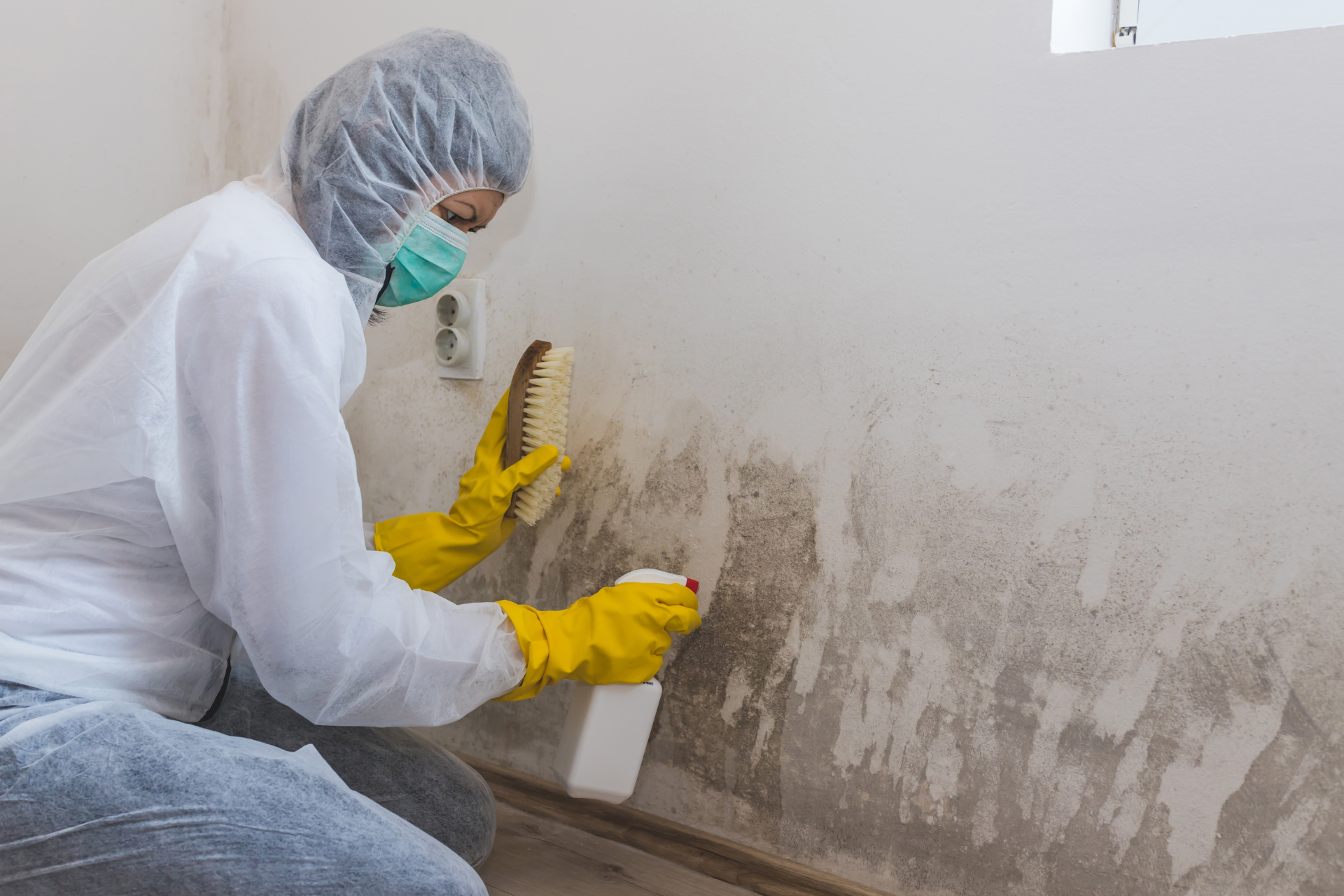
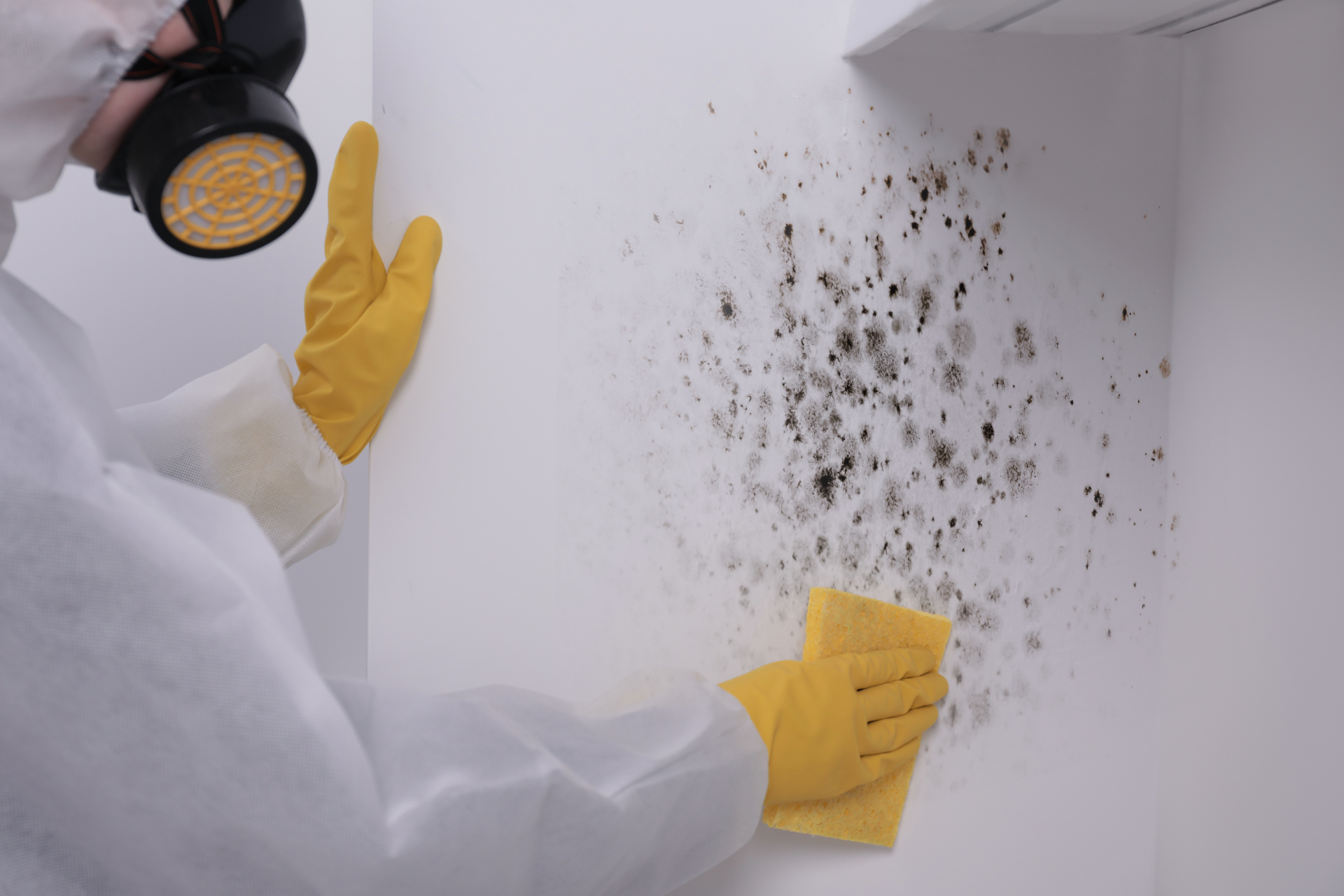
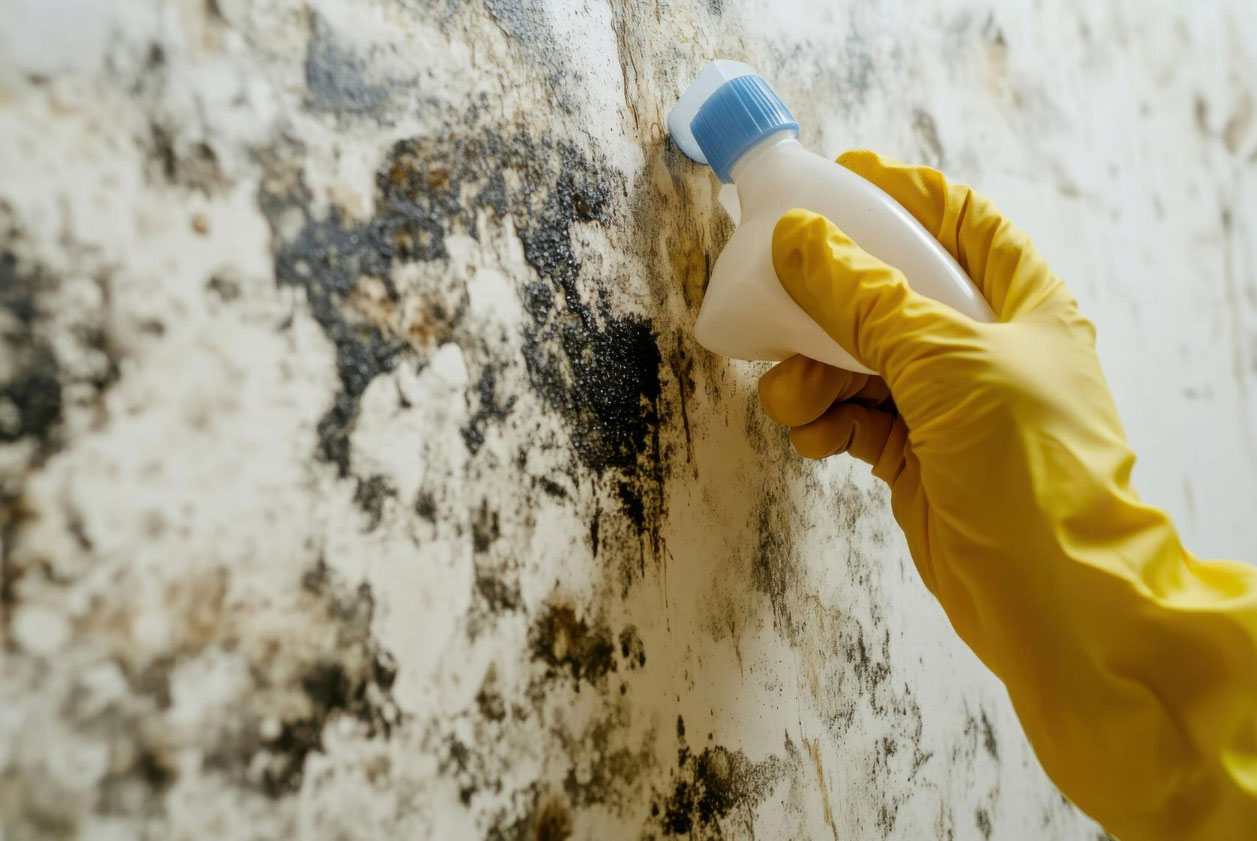
Alpine mold remediation is the specialized process of identifying, containing, and removing fungal growth in high-altitude or mountainous climates where unique atmospheric conditions—such as extreme temperature differentials, high vapor pressure, and seasonal snowmelt—complicate standard moisture control. Effective remediation in 2026 requires balancing airtight building envelopes with advanced desiccant dehumidification and localized containment strategies.
The Unique Science of Mold in Alpine Regions
Mold growth in alpine environments differs significantly from coastal or temperate regions due to the physics of high-altitude air and the construction methods used in mountain architecture. In 2026, building science identifies "The Alpine Gap"—a phenomenon where high-performance insulation in mountain homes creates unexpected pockets of condensation because of the extreme "Delta T" (temperature difference) between the heated interior and the sub-freezing exterior.
Psychrometrics and Vapor Pressure
In mountain regions like the Rockies, Alps, or Sierras, the air is naturally dryer, leading many homeowners to believe mold is not a risk. However, the internal moisture generated by daily activities—showering, cooking, and humidifiers—creates a high-vapor-pressure environment inside the home. Moisture seeks to move from areas of high pressure to low pressure (the dry outdoors), pushing water vapor through drywall and into wall cavities. When this vapor hits the cold sheathing of the house, it reaches its dew point and transforms into liquid water, providing the primary catalyst for hidden mold colonies.
The Stack Effect in Mountain Homes
Many alpine properties feature vaulted ceilings and multi-story "great rooms." This architectural style exacerbates the "stack effect," where warm, moist air rises rapidly. If the attic or roof assembly is not perfectly sealed, this moisture accumulates in the topmost sections of the structure. Alpine mold remediation often focuses heavily on these attic spaces, where ice dams can also force liquid water back under shingles, saturating structural timbers.
Assessing the Scope: Inspection and Testing in 2026
Before any physical remediation begins, a professional assessment must determine the extent of the colonization and the underlying moisture source. As of 2026, the standard for alpine assessment has shifted from simple air sampling to a more holistic "Environmental Building Diagnostics" approach.
Infrared Thermography and Moisture Mapping
Technicians use high-resolution infrared (IR) cameras to detect thermal bridges and moisture plumes behind finished surfaces. In cold climates, IR imaging is particularly effective because the temperature difference between wet insulation and dry insulation is stark. Moisture mapping involves using penetrating and non-penetrating meters to create a digital "heatmap" of the structure’s water content.
Microbial DNA Testing (MSqPCR)
While traditional "lift" or "tape" samples are still used, 2026 protocols frequently utilize Mold Specific Quantitative Polymerase Chain Reaction (MSqPCR) testing. This provides a more accurate count of specific mold species, such as Stachybotrys chartarum (black mold) or Aspergillus, allowing remediators to tailor their chemical treatments and safety precautions to the specific health risks present in the home.
The Professional Alpine Remediation Process
The Environmental Protection Agency (EPA) maintains that the primary goal of remediation is the physical removal of mold and the management of the moisture that caused it. In alpine settings, this process must be executed with extreme precision to avoid "cross-contamination" through the home's complex HVAC systems.
1. Containment and Pressure Management
The work area must be isolated using 6-mil fire-retardant polyethylene sheeting. In alpine homes, maintaining "negative pressure" is critical. This is achieved by using High-Efficiency Particulate Air (HEPA) air scrubbers that vent filtered air outside, creating a vacuum that prevents spores from escaping into the living quarters. Because air is thinner at high altitudes, fans must be calibrated to ensure they are moving sufficient cubic feet per minute (CFM) to maintain a pressure differential of at least -0.02 inches of water column.
2. Specialized Dehumidification
Traditional refrigerant dehumidifiers often fail in cold alpine crawlspaces or attics because the coils freeze. Professional alpine mold remediation utilizes desiccant dehumidifiers. These machines use a chemical attractant (silica gel) to pull moisture from the air and are effective at sub-zero temperatures. Reducing the Relative Humidity (RH) below 50% is a prerequisite for physical removal, as it prevents the mold from releasing "survival spores" during the cleaning process.
3. Physical Removal and HEPA Sanding
Mold must be physically removed, not just "killed" with bleach. Dead mold spores can still cause allergic reactions and respiratory distress.
- Porous Materials: Drywall, insulation, and carpeting that are visibly contaminated must be removed and disposed of in sealed bags.
- Semi-Porous Materials: Structural wood and framing are cleaned using HEPA-vacuuming, followed by abrasive techniques like wire brushing or specialized sanding.
- Non-Porous Materials: Metal, glass, and hard plastics are wiped down with an EPA-registered antimicrobial surfactant.
4. HEPA Vacuuming and Detail Cleaning
Once the bulk material is removed, the entire containment area undergoes a "detail clean." This involves vacuuming every square inch of surface area with a HEPA vacuum capable of capturing particles down to 0.3 microns. In 2026, many professionals also utilize "fogging" with stabilized hydrogen peroxide to neutralize any remaining airborne particulate.
Equipment and Technology Comparison
Selecting the right equipment is vital for alpine success. The following table outlines the differences between standard remediation tools and those required for high-altitude, cold-climate environments.
| Equipment Type | Standard Remediation (Sea Level) | Alpine Remediation (High Altitude) | Why It Matters |
|---|---|---|---|
| Dehumidifier | LGR (Low Grain Refrigerant) | Desiccant (Silica-based) | LGRs lose efficiency below 50°F; Desiccants work in freezing temps. |
| Air Scrubber | Standard HEPA (500-1000 CFM) | High-Static HEPA (Calibrated) | Thinner air requires higher motor torque to maintain pressure. |
| Moisture Meter | Resistance-based pin meters | Electromagnetic & Thermal | Detects moisture trapped deep in thick timber frames common in cabins. |
| Media Blasting | Sand or Soda Blasting | Dry Ice (CO2) Blasting | Dry ice sublimates into gas, leaving no secondary waste or moisture behind. |
| Antimicrobial | Quaternary Ammonium | Stabilized Hydrogen Peroxide | Peroxide breaks down into water and oxygen; safer for airtight mountain homes. |
Post-Remediation Verification (PRV)
The project is not complete until a third-party Environmental Consultant performs a Post-Remediation Verification (PRV). This ensures the remediator has met the IICRC S520 Standard, which is the professional benchmark for mold removal.
PRV involves:
- Visual Inspection: No visible dust, debris, or fungal growth remains within the containment.
- Odorous Evaluation: The absence of "MVOCs" (Microbial Volatile Organic Compounds), which cause the "musty" smell.
- Air Clearance Testing: Indoor air samples must show spore counts lower than or similar to the outdoor "baseline" samples, with no indicator species (like Stachybotrys) present.
Cost Factors and Considerations for 2026
As of 2026, the cost for professional alpine mold remediation typically ranges from $3,500 to $12,000 for residential properties, though large-scale attic or crawlspace restorations can exceed $25,000.
Several factors influence the final quote:
- Accessibility: Mountain homes often have limited crawlspace clearance or steep roof pitches, increasing labor hours.
- HVAC Complexity: If mold has entered the ductwork, specialized cleaning of the entire ventilation system is required to prevent re-colonization.
- Disposal Fees: In remote alpine areas, transporting hazardous biological waste to approved facilities can add significant logistical costs.
- Structural Integrity: If moisture has caused "brown rot" (a wood-decay fungus), structural members may need to be sistered or replaced by a licensed contractor alongside the remediation.
Preventing Recurrence in Mountain Climates
Remediation without addressing the root cause is a temporary fix. To prevent mold from returning to an alpine home, 2026 guidelines recommend the following:
- Continuous Ventilation: Use Energy Recovery Ventilators (ERVs) to exchange stale, moist indoor air with fresh outdoor air without losing heat.
- Crawlspace Encapsulation: Seal crawlspaces with 20-mil vapor barriers and install dedicated dehumidifiers.
- Roof Maintenance: Ensure "cold roof" designs are functioning correctly to prevent ice dams.
- Foundation Drainage: Mountain snowmelt can saturate foundations. Ensure French drains and gutters divert water at least 10 feet away from the structure.
Frequently Asked Questions
Can I use bleach to kill mold in my mountain cabin?
Bleach is generally ineffective for mold on porous surfaces like wood or drywall. The Centers for Disease Control and Prevention (CDC) notes that while bleach can kill surface mold, its high water content can actually soak into the material, feeding the mold roots (mycelium) and leading to faster regrowth. Professional remediators use specialized antimicrobial surfactants that penetrate the surface.
How long does the alpine remediation process take?
For a standard residential project, the process usually takes 3 to 7 days. This includes 24 hours of pre-drying, 2-3 days of physical removal and cleaning, and 24-48 hours for air clearance testing results to be processed by the lab.
Is mold remediation covered by homeowners insurance?
In 2026, most policies cover mold only if it resulted from a "covered peril," such as a sudden pipe burst. Mold resulting from long-term humidity, poor ventilation, or "seepage" is typically excluded. Review your policy for a "fungi or bacteria" endorsement, which may provide a limited coverage cap (usually $5,000 to $10,000).
Why does mold grow in the attic even if I don't have a roof leak?
This is almost always due to "bypass" air. Warm air from the living space leaks through light fixtures, plumbing stacks, or attic hatches. This air carries moisture that hits the cold underside of the roof deck, freezes into frost, and then melts during the day, saturating the wood and allowing mold to thrive.
Next Steps for Homeowners
If you suspect mold in an alpine property, your first action should be to identify the moisture source. Do not disturb the mold, as this can release millions of spores into the air. Contact a certified professional who adheres to IICRC S520 standards and has experience specifically with high-altitude building science. Ensure that any contract includes a written guarantee of passing a third-party post-remediation air clearance test.