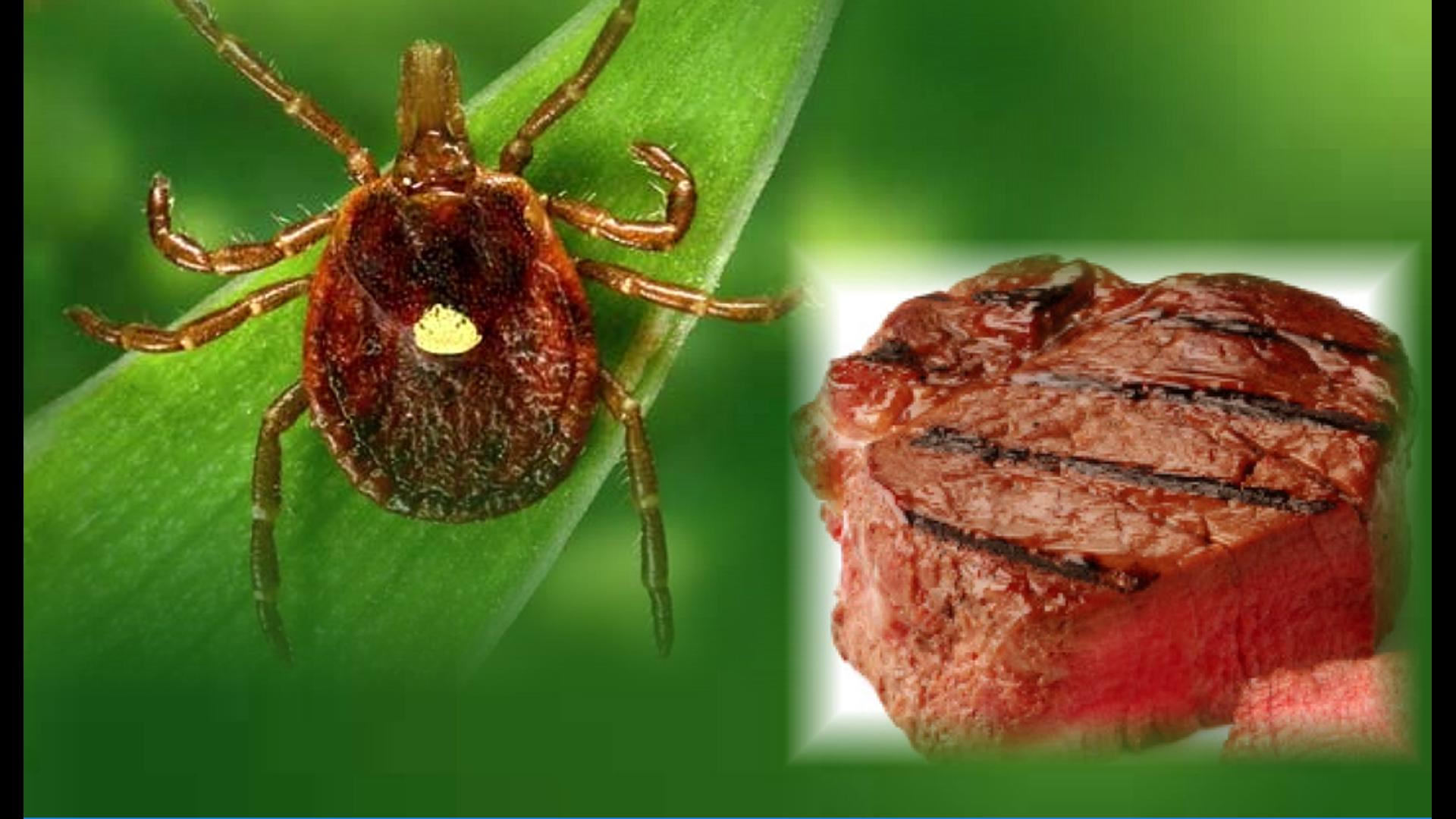
Alpha-gal syndrome (AGS) cases have surged globally, particularly in the United States, where over 500,000 people are estimated to have been affected by 2026. This serious allergic condition is triggered by tick bites—primarily the lone star tick—causing a delayed hypersensitivity to red meat and mammal-derived products like dairy and gelatin.
As of 2026, Alpha-gal syndrome (AGS) has transitioned from a medical curiosity to a significant public health priority. Often referred to as "the red meat allergy," this condition is unique because it is the only known food allergy where the trigger is a carbohydrate (galactose-alpha-1,3-galactose) rather than a protein. Furthermore, unlike typical food allergies that manifest within minutes, Alpha-gal reactions are notoriously delayed, often occurring three to eight hours after ingestion. This delay makes identifying Alpha-gal cases exceptionally difficult without targeted diagnostic testing and a high degree of clinical suspicion.
The rise in Alpha-gal cases is closely linked to the expanding range of specific tick species, most notably the lone star tick (Amblyomma americanum). As global temperatures have shifted and suburban development has increased the proximity between humans and tick-hosting wildlife like deer, the frequency of encounters has skyrocketed. In 2026, healthcare providers are seeing a higher volume of patients presenting with mysterious nighttime hives or gastrointestinal distress, leading to a massive increase in demand for Alpha-gal-specific IgE blood tests.
The Epidemiology of Alpha-Gal Cases
The landscape of Alpha-gal cases has changed dramatically over the last two decades. Initially identified in the southeastern United States, the condition was first linked to the lone star tick in 2009. By 2023, the Centers for Disease Control and Prevention (CDC) reported that hundreds of thousands of Americans likely had the condition, many of whom remained undiagnosed. In 2026, diagnostic rates have improved, but the total number of cases continues to climb as the tick's habitat moves further north into New England and west into the Great Plains.
The prevalence of AGS is not limited to the United States. Alpha-gal cases have been documented on every continent except Antarctica. In Australia, the paralysis tick (Ixodes holocyclus) is the primary vector. In Europe, Ixodes ricinus is responsible for many cases, while other species are being investigated in Asia and South Africa. This global distribution highlights that while the tick species may differ, the underlying mechanism—the introduction of alpha-gal sugar into the human bloodstream via tick saliva—is a universal biological threat.
Researchers in 2026 are focusing on "hotspots" where the concentration of cases is disproportionately high. In some counties in Virginia, North Carolina, and New York (specifically Long Island), Alpha-gal is now among the most common adult-onset allergies. The sheer volume of cases in these regions has led to a significant shift in local food industries, with restaurants and grocery stores increasingly labeling products as "Alpha-gal Friendly" or "Vegan-Plus" (meaning vegan products that are specifically safe for those avoiding mammal derivatives).
Understanding the Biological Mechanism
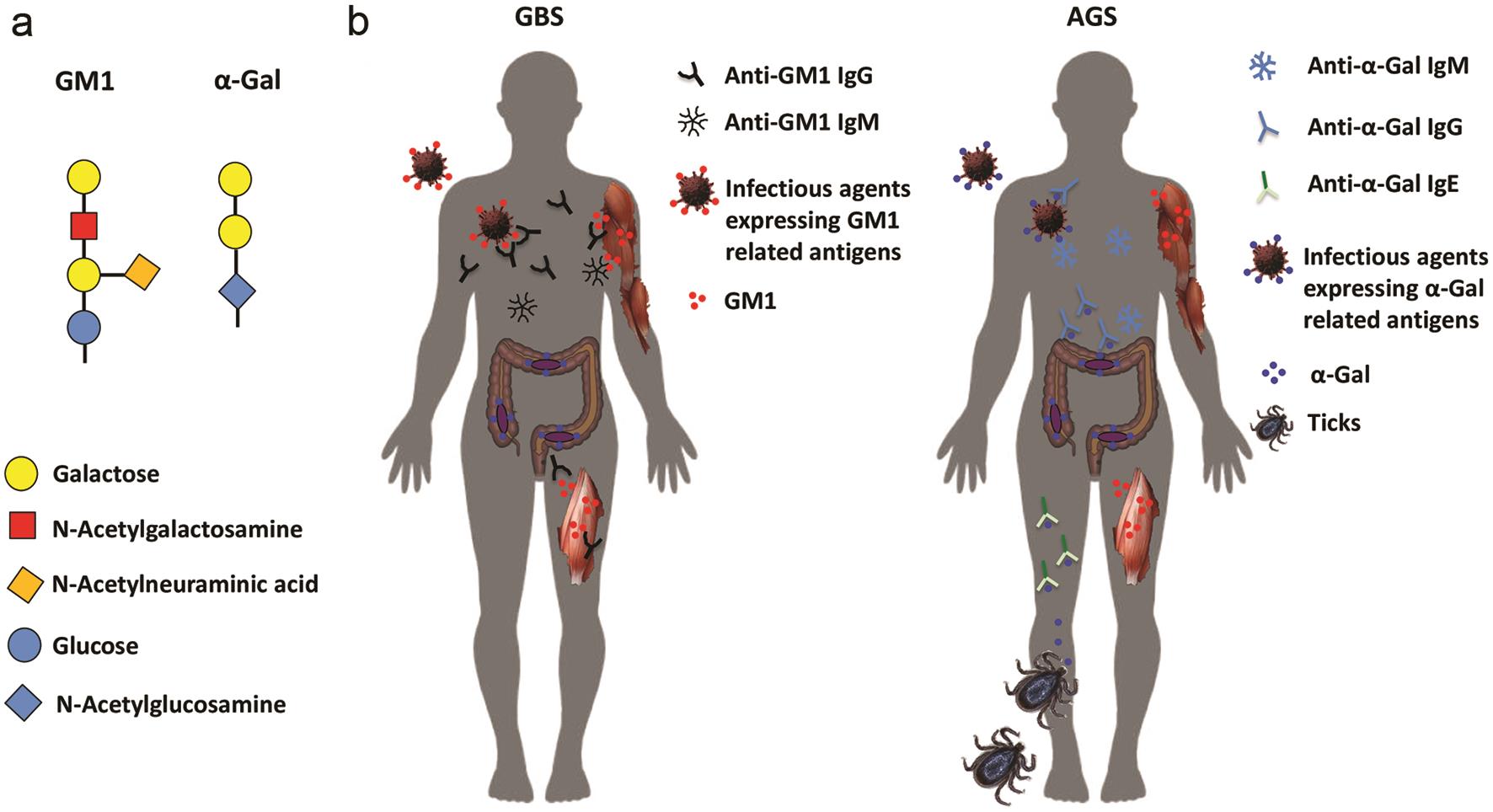
To understand why Alpha-gal cases are so complex, one must look at the molecular level. Alpha-gal (galactose-alpha-1,3-galactose) is a sugar molecule found in most mammals. Humans, great apes, and Old World monkeys do not produce this sugar; we actually produce antibodies against it. When a tick bites an animal (like a deer or a cow), it picks up alpha-gal molecules. When that same tick later bites a human, it injects these molecules along with its saliva.
For reasons that are still being studied in 2026, the human immune system sometimes perceives this injection as a major threat and develops specific IgE antibodies to alpha-gal. Once sensitized, the individual’s immune system will react whenever alpha-gal enters the body—typically through the consumption of mammalian meat (beef, pork, lamb, venison) or products derived from mammals.
The delayed nature of the reaction is due to how the body processes fats. Alpha-gal is often bound to lipids (fats) in meat. Digesting these fats and transporting them into the bloodstream takes several hours, which explains why a patient might eat a burger at 7:00 PM and wake up with a life-threatening anaphylactic reaction at 2:00 AM. This "midnight anaphylaxis" is a hallmark of Alpha-gal cases and remains one of the most frightening aspects for newly diagnosed patients.
Common Symptoms and Clinical Presentation
The symptoms of Alpha-gal syndrome are diverse, which often leads to misdiagnosis. While some patients experience classic allergic reactions, others suffer from purely gastrointestinal symptoms that mimic Irritable Bowel Syndrome (IBS) or food poisoning.
- Dermatological Symptoms: Hives (urticaria), itching (pruritus), and swelling of the lips, face, or throat (angioedema) are common.
- Gastrointestinal Symptoms: Severe stomach pain, nausea, vomiting, and diarrhea. Some "GI-only" Alpha-gal cases are never correctly identified because they lack the "itchy" symptoms typically associated with allergies.
- Respiratory and Cardiovascular Symptoms: Shortness of breath, cough, wheezing, and a dangerous drop in blood pressure.
- Anaphylaxis: A full-body, life-threatening allergic reaction that requires immediate treatment with epinephrine.
Severity and Triggers Table
| Trigger Category | Common Examples | Risk Level for AGS Patients | Typical Reaction Time |
|---|---|---|---|
| Heavy Mammal Meats | Beef, Pork, Lamb, Venison | High | 3–8 Hours |
| Organ Meats | Liver, Sweetbreads, Kidney | Very High (High Alpha-gal concentration) | 2–5 Hours |
| Mammalian Dairy | Cow's milk, Goat's cheese, Butter | Moderate to High (Varies by person) | 3–8 Hours |
| Gelatin/Additives | Marshmallows, Capsules, Lard | Moderate | 2–8 Hours |
| Non-Mammal Proteins | Chicken, Turkey, Fish, Shellfish | Safe (No Alpha-gal) | N/A |
Challenges in Diagnosis
In 2026, the primary hurdle in managing Alpha-gal cases remains the "diagnostic gap." Many patients spend years visiting gastroenterologists or dermatologists before an allergist considers AGS. The standard skin-prick test used for most food allergies often yields "false negatives" for Alpha-gal because the test extracts are protein-based, whereas Alpha-gal is a carbohydrate.
The definitive diagnostic tool is the Alpha-gal IgE blood test. A positive result, combined with a clinical history of delayed reactions after eating meat or being bitten by ticks, confirms the diagnosis. In 2026, medical guidelines suggest that any patient in a tick-endemic area presenting with adult-onset "idiopathic" (unknown cause) anaphylaxis or unexplained chronic GI distress should be screened for Alpha-gal.
Management and Lifestyle Adjustments
There is currently no cure for Alpha-gal syndrome, though some patients find their antibody levels drop over several years if they avoid further tick bites. Management is centered entirely on strict avoidance of triggers and emergency preparedness.
Dietary Changes
Patients must eliminate all "hoofed" mammal meat. This includes beef, pork, lamb, bison, and venison. While many patients can tolerate dairy, a significant subset (approximately 15–20%) must also avoid milk, cheese, and butter. In 2026, the rise of high-quality plant-based meat alternatives has made this transition easier than it was a decade ago, though "hidden" ingredients remain a constant threat.
Hidden Sources of Alpha-gal
One of the most exhausting aspects of managing Alpha-gal cases is identifying mammalian byproducts in non-food items. Gelatin is a major offender, found in:
- Gummy vitamins and candies.
- The capsules of many prescription and over-the-counter medications.
- Vaccines (some contain gelatin or are grown in mammalian cultures).
- Marshmallows and certain desserts.
Other hidden triggers include magnesium stearate (a common flowing agent in pills derived from bovine or porcine fat) and carrageenan. While carrageenan is derived from seaweed, some researchers believe its chemical structure is similar enough to alpha-gal that it causes cross-reactivity in highly sensitive individuals.
The Role of Epinephrine
Every person diagnosed with AGS should carry an epinephrine auto-injector (such as an EpiPen). Because reactions can be unpredictable—a patient might be fine with a small amount of dairy one day and have an anaphylactic reaction to a steak the next—carrying emergency medication is non-negotiable. Factors like exercise, alcohol consumption, and illness can "prime" the immune system, making a reaction more likely or more severe.
Prevention: Stopping New Alpha-Gal Cases
Prevention is the only way to curb the increasing number of Alpha-gal cases. In 2026, public health campaigns focus heavily on "Tick Literacy." This involves more than just checking for ticks after a hike; it requires a systematic approach to personal protection.
- Permethrin-Treated Clothing: Permethrin is an insecticide that kills ticks on contact. Treating boots, socks, and pants is significantly more effective than using skin-applied repellents alone.
- EPA-Registered Repellents: Using DEET, picaridin, or oil of lemon eucalyptus on exposed skin.
- Environmental Management: Keeping lawns mowed, removing leaf litter, and creating barriers between wooded areas and residential yards.
- Proper Tick Removal: Using fine-tipped tweezers to pull the tick straight out without squeezing the body, which can force more saliva (and alpha-gal) into the wound.
The Economic and Social Impact
The surge in Alpha-gal cases has created a notable economic ripple effect. The beef and pork industries in the American South have reported shifts in consumer behavior. Conversely, the poultry and seafood markets have seen sustained growth. There is also the significant healthcare cost associated with undiagnosed AGS: multiple ER visits for anaphylaxis, unnecessary gallbladder surgeries for misdiagnosed GI pain, and the long-term cost of allergy management.
Socially, Alpha-gal cases often lead to "food anxiety" and social isolation. Dining out becomes a high-risk activity, as cross-contamination on grills (e.g., a chicken breast cooked on the same surface as a beef patty) can trigger a reaction. Support groups and advocacy organizations have become essential lifelines for patients navigating this "new normal" in 2026.
Future Outlook: Research and Treatment
By 2026, clinical trials are investigating several promising avenues for Alpha-gal treatment. One area of interest is oral immunotherapy (OIT), where patients are exposed to tiny, increasing amounts of alpha-gal under medical supervision to desensitize their immune systems. Another is the development of "Gal-Safe" pigs—genetically modified swine that do not produce the alpha-gal sugar. While originally developed for organ transplantation, these animals provide a potential source of meat and medical products (like heparin and heart valves) that are safe for AGS patients.
Recent studies published in journals like The Journal of Allergy and Clinical Immunology also suggest that the gut microbiome may play a role in how severely an individual reacts to alpha-gal. This has opened doors for probiotic-based therapies that might one day help mitigate the allergic response.
Frequently Asked Questions
Can Alpha-gal syndrome go away on its own? In some cases, yes. If a patient avoids all further tick bites, their Alpha-gal IgE levels may decrease over several years, potentially allowing them to reintroduce mammalian products into their diet. However, a single new tick bite can send antibody levels soaring again, resetting the clock.
Does Alpha-gal affect everyone who gets bitten by a lone star tick? No. Many people are bitten by these ticks and never develop the allergy. Researchers are currently investigating whether genetic factors or the specific "microbiome" of the tick's saliva determines who will become sensitized.
Are all meats off-limits? No. Only "mammalian" meats are triggers. This means poultry (chicken, turkey, duck), fish, shellfish, and reptiles (like alligator) are perfectly safe for people with Alpha-gal syndrome, as these animals do not produce the alpha-gal sugar.
Is it true that Alpha-gal can be triggered by fumes? For a very small, highly sensitive minority of patients, inhaling the fumes of cooking meat (vaporized lard or fat) can trigger respiratory symptoms or hives. However, this is relatively rare compared to reactions caused by ingestion.
Why is Alpha-gal called the "Lone Star" allergy if it's found in other countries? The lone star tick is the primary vector in the United States, where the syndrome was first extensively studied. In other countries, different tick species carry the alpha-gal sugar, but the resulting clinical syndrome is essentially the same.
Can I still take my daily medications? Most medications are safe, but some contain magnesium stearate or gelatin. If you have been diagnosed with AGS, you should review all your medications and supplements with your pharmacist or allergist to ensure they do not contain mammal-derived "inactive" ingredients.
Recommendations for Action
If you suspect you are one of the many growing Alpha-gal cases, your first step should be to maintain a detailed food and symptom diary. Note the exact time of ingestion and the exact time symptoms begin. Schedule an appointment with an allergist specifically to request the Alpha-gal IgE panel.
While waiting for results, consider switching to a poultry and plant-based diet to see if symptoms subside. Most importantly, redouble your tick prevention efforts. Whether you already have the condition or are trying to avoid it, preventing tick bites is the most effective way to protect your long-term health in an environment where these vectors are becoming increasingly common.