To comply with an Ally Auto lease agreement in 2026, you must maintain a policy with liability limits of at least $100,000 per person and $300,000 per accident for bodily injury, plus $50,000 for property damage. Additionally, you must carry comprehensive and collision coverage with a maximum deductible of $1,000.
Leasing a vehicle through Ally Financial requires a specific set of insurance protections that go significantly beyond the "minimum liability" requirements mandated by most state laws. Because Ally remains the legal owner of the vehicle throughout the lease term, they have a vested financial interest in ensuring the asset is fully protected against physical damage and that their corporate liability is shielded in the event of a major accident. Understanding these requirements is essential not only for staying in compliance with your contract but also for avoiding the high costs of force-placed insurance.
Minimum Liability Coverage Limits
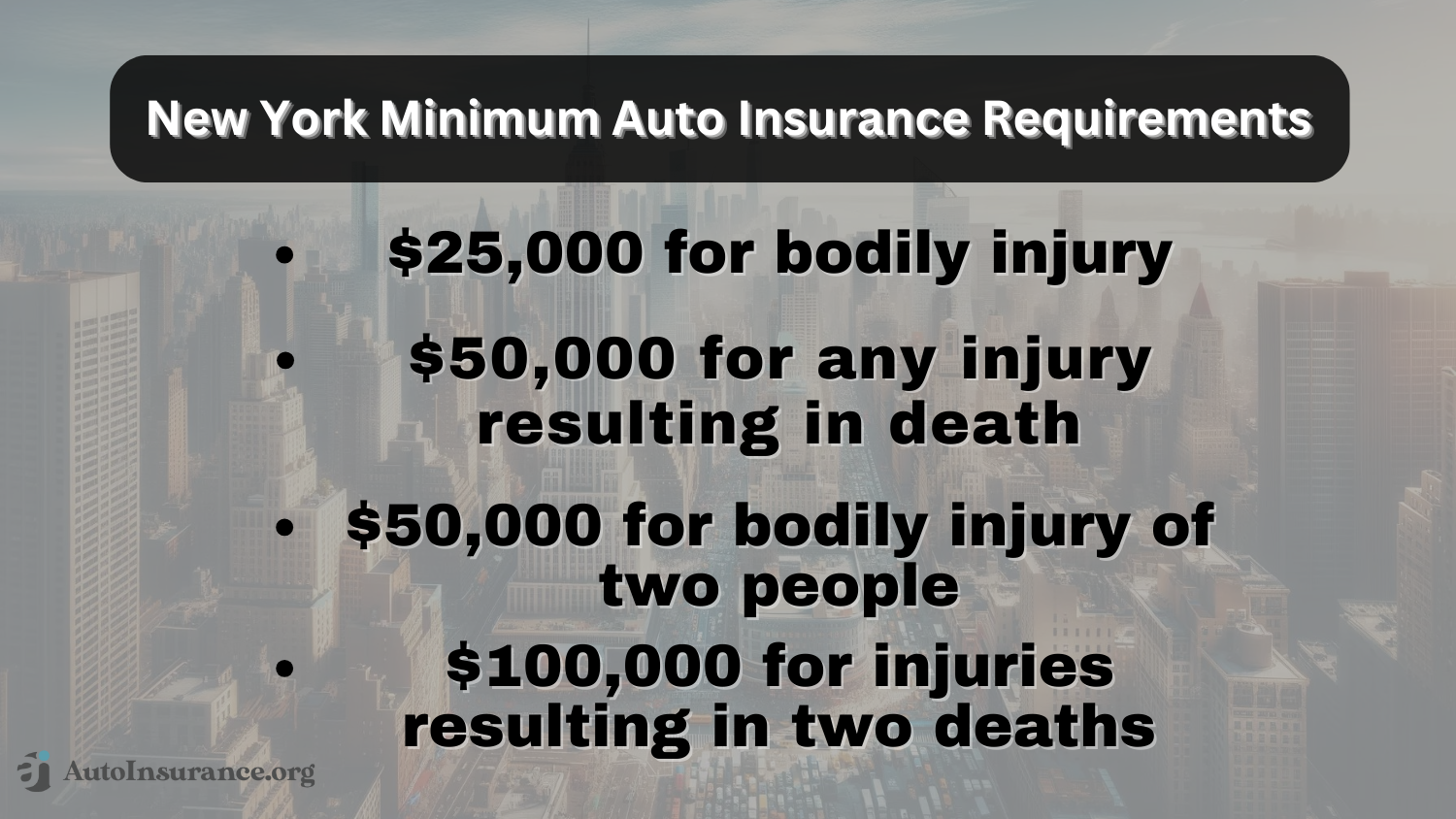
The most critical component of the Ally auto lease insurance requirement is the liability threshold. Liability insurance covers damages or injuries you cause to others while operating the leased vehicle. While your state might only require $25,000 or $50,000 in bodily injury coverage, Ally mandates a higher "100/300/50" structure.
Bodily Injury Liability
Ally requires a minimum of $100,000 per person and $300,000 per accident. This ensures that if multiple people are injured in an accident where you are at fault, there is sufficient capital to cover medical bills, lost wages, and legal fees. From a lender’s perspective, these higher limits protect Ally from "vicarious liability" claims, where an injured party might attempt to sue the vehicle's owner (Ally) rather than just the driver.
Property Damage Liability
The property damage portion of your liability coverage must be at least $50,000. Given the rising costs of modern vehicle repairs and the prevalence of expensive technology in automotive components in 2026, a $50,000 limit is often considered the bare minimum for any driver, but for Ally leaseholders, it is a contractual mandate. This covers damage to other vehicles, structures, or public property.
Physical Damage Coverage: Collision and Comprehensive
Because the leased vehicle serves as collateral for the lease agreement, Ally requires that the car be repaired or replaced if it is damaged or stolen. This is handled through two types of physical damage coverage: Collision and Comprehensive.
Collision Insurance
Collision insurance covers damage to your leased vehicle resulting from an accident with another vehicle or an object, regardless of who is at fault. Ally requires this coverage to ensure that the car's "Actual Cash Value" (ACV) is preserved. Without collision insurance, a total loss would leave the leaseholder responsible for the entire remaining balance of the lease and the residual value of the car out of pocket.
Comprehensive Insurance
Comprehensive insurance, sometimes called "other than collision," covers damage caused by events outside of your control. This includes theft, vandalism, fire, natural disasters, and glass damage. In 2026, with the increasing frequency of extreme weather events, Ally maintains strict enforcement of comprehensive coverage to mitigate the risk of catastrophic loss to their fleet.
The $1,000 Deductible Cap
Ally stipulates that the deductible for both collision and comprehensive coverage cannot exceed $1,000. While a higher deductible (such as $1,500 or $2,000) would lower your monthly insurance premium, it increases the risk that a leaseholder will be unable to afford repairs after an accident. By capping the deductible at $1,000, Ally ensures that the vehicle can be restored to its original condition without financial hardship preventing the necessary work.
Listing Ally Financial as an Interested Party
A common mistake leaseholders make is failing to correctly identify Ally on their insurance policy. For the insurance to be valid under the lease terms, your insurer must list Ally Financial specifically in two capacities:
- Loss Payee: This ensures that if the vehicle is totaled or requires major repairs, the insurance company issues the check to Ally (or the repair shop and Ally jointly) to ensure the lienholder's financial interest is satisfied.
- Additional Insured: This status provides Ally with liability protection under your policy. If a lawsuit is filed against Ally as the owner of the vehicle following an accident you caused, your insurance policy is required to defend them.
When setting up your policy, you should use the official address provided in your lease agreement, typically: Ally Financial, P.O. Box 8102, Cockeysville, MD 21030. (Always verify the current mailing address on the Ally Auto website or your latest statement, as regional processing centers may vary).
GAP Insurance and the Ally SmartLease
One of the most significant benefits of leasing through Ally is the inclusion of GAP (Guaranteed Auto Protection) coverage in the standard SmartLease agreement. GAP insurance covers the "gap" between the amount your insurance company pays out (the actual cash value) and the remaining balance on your lease if the vehicle is stolen or totaled.
In 2026, vehicle depreciation can be volatile. If you have an accident three months into a lease, you might owe $40,000 on a car that the insurance company values at only $34,000. Without GAP coverage, you would be responsible for the $6,000 difference. Ally’s built-in GAP waiver typically eliminates this worry, provided you have maintained the required primary insurance levels. However, it is vital to review your specific contract to confirm the GAP waiver is active, as some commercial or non-standard leases may differ.
Comparison: Ally Requirements vs. Typical State Minimums
| Coverage Type | Ally Lease Requirement (2026) | Typical State Minimum (Average) |
|---|---|---|
| Bodily Injury (Per Person) | $100,000 | $25,000 |
| Bodily Injury (Per Accident) | $300,000 | $50,000 |
| Property Damage Liability | $50,000 | $25,000 |
| Collision Coverage | Required | Not Required |
| Comprehensive Coverage | Required | Not Required |
| Maximum Deductible | $1,000 | No Limit (Self-determined) |
| GAP Insurance | Usually Included | Not Included |
The Verification Process and Proof of Insurance
Once you have secured a policy that meets these requirements, you must provide proof of insurance to Ally. This usually happens at the dealership when you first sign the lease, but you may be required to re-verify if you switch insurance providers during your lease term.
How to Submit Proof
Ally utilizes automated systems to track insurance compliance. If you receive a notice requesting proof of insurance, you can typically upload your "Declarations Page" (not just your insurance ID card) through their dedicated portal or by mail. The Declarations Page is necessary because it lists the specific coverage limits and deductibles, whereas an ID card usually does not.
Troubleshooting Missing Information
If your insurance agent sends over a binder that lacks the "Additional Insured" language or shows a $1,500 deductible, Ally's system will flag the account as non-compliant. You will receive a series of notices giving you a window (usually 30 days) to correct the deficiency.
Consequences of Non-Compliance: Force-Placed Insurance
Failing to maintain the required insurance levels is a breach of the lease contract. If Ally’s tracking system identifies a lapse in coverage or coverage that falls below the 100/300/50 threshold, they have the right to protect their asset through Collateral Protection Insurance (CPI), also known as force-placed insurance.
Force-placed insurance is significantly more expensive than a policy you would find on the open market. It is designed to protect Ally’s interest only; it typically does not provide you with liability protection or cover your personal belongings. The premium for this coverage is added to your monthly lease payment, often resulting in a bill that is hundreds of dollars higher than expected. Furthermore, if you repeatedly fail to provide proof of insurance, Ally may exercise the right to repossess the vehicle for breach of contract.
Important Considerations for 2026 Leaseholders
The Impact of High-Tech Safety Features
In 2026, even entry-level vehicles are equipped with complex sensor arrays and LIDAR systems for driver assistance. These components make even minor "fender benders" expensive to repair. Leaseholders should be aware that while Ally allows a $1,000 deductible, choosing a lower deductible ($500) may be wiser for those who do not have an emergency fund, as a $1,000 out-of-pocket expense can be a significant hurdle to getting the vehicle back on the road.
Business Use of Leased Vehicles
If you use your Ally leased vehicle for ride-sharing (like Uber or Lyft) or delivery services, you must ensure your insurance policy includes a specific endorsement for business use. Standard personal auto policies often exclude coverage for commercial activities. If you have an accident while ride-sharing and your insurer denies the claim, you will be in violation of your Ally lease because the vehicle is no longer covered by valid physical damage insurance.
Moving Between States
If you relocate to a different state during your lease term, you must update your insurance policy to reflect your new garaging address. While the Ally requirements remain the same regardless of the state, your insurance premiums will change based on local rates. Failure to update your address can lead to a denial of claims, which in turn triggers the non-compliance issues with Ally mentioned previously.
Frequently Asked Questions
Can I choose a deductible higher than $1,000 if I have the savings to cover it?
No. Ally’s lease contract specifically limits the deductible to a maximum of $1,000. Even if you have significant savings and want to reduce your monthly premium by choosing a $2,000 deductible, Ally’s system will reject your proof of insurance and eventually place force-placed insurance on your account.
Does Ally insurance require Uninsured Motorist coverage?
Ally's primary mandate focuses on Liability, Collision, and Comprehensive. However, many states require Uninsured/Underinsured Motorist (UM/UIM) coverage by law. While Ally might not specifically list a high UM limit in their base lease requirements beyond what the state requires, it is highly recommended to match your UM limits to your $100,000/$300,000 liability limits for your own protection.
What happens if my insurance is canceled for non-payment?
If your insurance policy is canceled, the insurer is legally obligated to notify Ally Financial (since they are listed as the loss payee/additional insured). Ally will then send you a notice to provide proof of new coverage. If you do not provide it immediately, they will purchase force-placed insurance at your expense or begin repossession proceedings.
Is GAP insurance really included for free?
Most Ally SmartLease contracts include a GAP waiver. This isn't "free" insurance so much as it is a contractual agreement that Ally will waive the difference between the insurance payout and the lease balance in the event of a total loss. However, you should check your specific lease agreement's "Insurance" section to confirm the presence of a "GAP Waiver" or "Guaranteed Auto Protection."
Why are Ally's requirements so much higher than my state's minimums?
State minimums are designed to provide a baseline of protection for the public. Ally’s requirements are designed to protect their corporate assets and minimize their financial risk. Since they own the vehicle, they want to ensure that almost any accident is fully covered by insurance rather than becoming a legal or financial burden for the company.
Practical Recommendation
Before you sign your lease or renew your insurance policy in 2026, call your insurance agent and explicitly state that you are leasing through Ally Financial. Provide them with the 100/300/50 liability limits and the $1,000 maximum deductible requirement. Request a copy of the Declarations Page immediately after the policy is issued and upload it to the Ally Auto online portal to ensure there is no lapse in your compliance record. Regularly checking your Ally Auto account online can help you catch any "insurance needed" flags before they result in costly force-placed premiums.