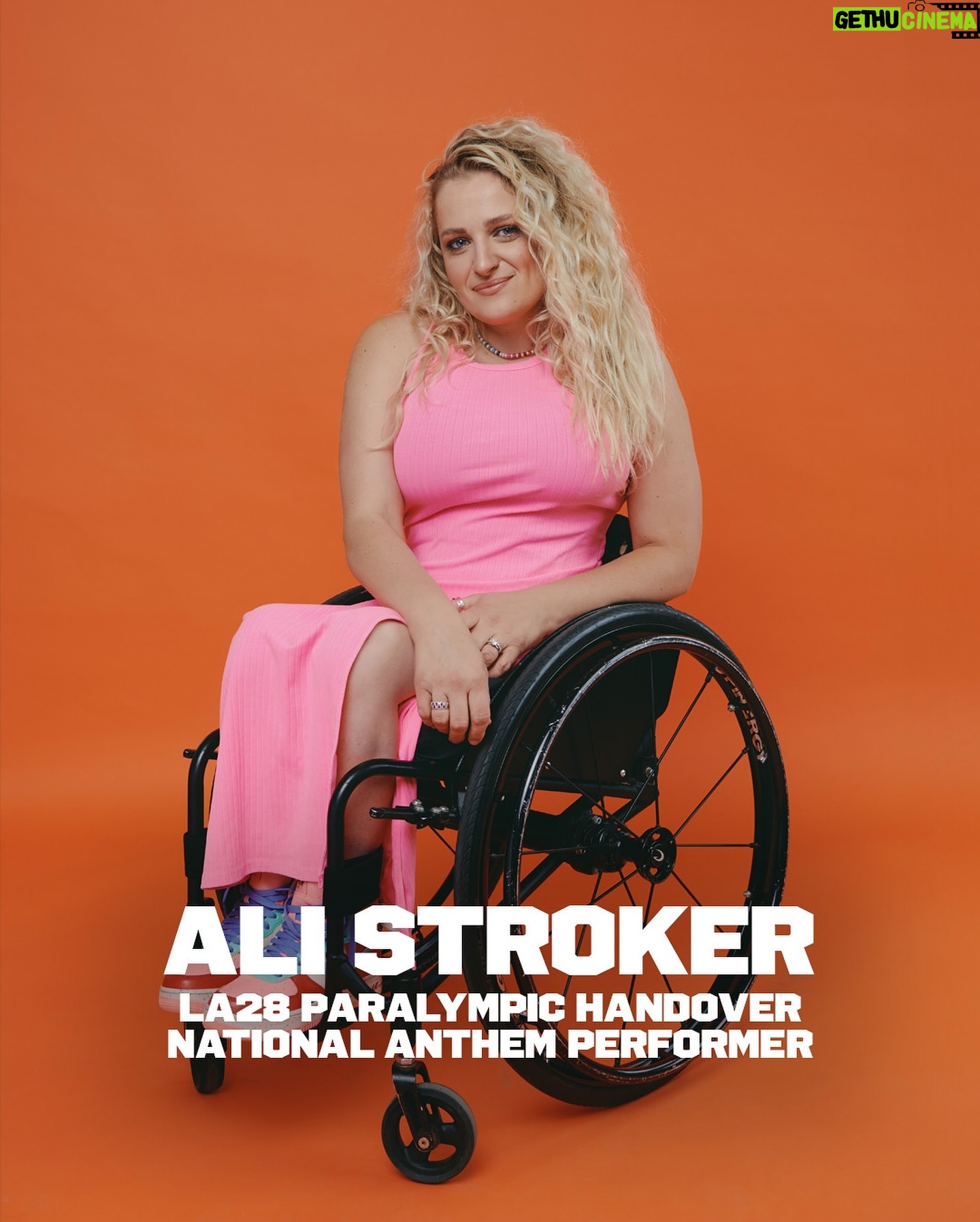
Ali Stroker’s groundbreaking career serves as a primary catalyst for the evolution of disability representation in the performing arts. As the first wheelchair user to win a Tony Award, her success has forced the entertainment industry to confront systemic barriers, move toward authentic casting, and prioritize backstage accessibility as a standard practice by 2026.
The Architectural and Cultural Impact of Ali Stroker
When Ali Stroker took the stage at the Radio City Music Hall in 2019 to accept the Tony Award for Best Featured Actress in a Musical, it was more than a personal victory; it was a technical and cultural milestone. As of 2026, we can look back at that moment as the "Stroker Effect," which initiated a period of rapid modernization in theatrical infrastructure. Before her win for her portrayal of Ado Annie in the reimagined Oklahoma!, the conversation surrounding disability in theater was often relegated to the "front of house"—ensuring audiences had ramps and designated seating.
However, Stroker’s presence highlighted a glaring oversight: the "backstage" was largely inaccessible. Most Broadway houses, built in the early 20th century, lacked elevators to dressing rooms, accessible stage entrances, and modified wings. Following her advocacy, the industry began a concerted effort to retrofit historic venues. By 2026, the integration of universal design principles in new theater builds and major renovations has become a prerequisite for securing production insurance and state-level cultural grants.
Stroker’s journey began long before her Tony win. A graduate of NYU’s Tisch School of the Arts, she proved that technical training and talent were her primary assets. Her early work in The Glee Project and her Broadway debut in the 2015 Deaf West revival of Spring Awakening established a precedent. In Spring Awakening, disability was not a plot point but a facet of a diverse ensemble, showcasing "integrated casting" where the performer's disability is present but the character's narrative does not revolve solely around it.
Authentic Casting vs. "Crip-Face"
One of the most significant shifts in the landscape of disability representation is the growing rejection of "crip-face"—the practice of casting non-disabled actors to play disabled characters. Historically, these roles were often seen as "Oscar bait" or "Tony bait," where the physical portrayal of a disability was treated as a technical feat of acting rather than a lived experience.
In 2026, the industry standard has moved toward authentic casting. Production companies and casting directors now face significant public and internal pressure to prioritize performers with lived experience. This shift is driven by the realization that a disabled performer brings a level of physical and emotional nuance to a role that a non-disabled actor cannot replicate through observation alone.
The Nuances of Integrated Casting
The landscape is currently defined by three distinct types of representation:
- Disability-Specific Roles: Roles where the character's disability is central to the story (e.g., The Miracle Worker).
- Integrated Casting: Roles where the character is disabled, but the plot focuses on other aspects of their life (e.g., Ali Stroker in Oklahoma!).
- Blind Casting: Roles that do not specify a physical ability, which are then filled by disabled actors, expanding the "normative" view of the character.
By 2026, integrated and blind casting have become the preferred methods for progressive showrunners. These methods avoid the "inspiration porn" trope—a term coined by activist Stella Young to describe the objectification of disabled people as "inspiring" solely because of their disability. Instead, performers like Stroker have shown that a wheelchair user can be the romantic lead, the villain, or the comedic relief without their mobility device being the "problem" to be solved.
Structural Barriers and the Role of Advocacy Organizations
The shift in representation is not merely a result of individual talent; it is the outcome of organized advocacy. Organizations such as RAMPD (Recording Artists and Music Professionals with Disabilities) and RespectAbility have worked alongside actors like Stroker to create technical toolkits for studios and theaters.
These toolkits include:
- Access Riders: Similar to diversity riders, these are legal addendums to contracts that require productions to provide specific accommodations, such as ASL interpreters, quiet rooms, or ramp access to all parts of the set.
- Accessibility Coordinators: A new professional role, akin to intimacy coordinators, who ensure that the physical and digital environments of a production are accessible from pre-production through post-production.
- Digital Accessibility: Ensuring that casting call websites, digital scripts, and rehearsal schedules are compatible with screen readers and other assistive technologies.
The presence of an Accessibility Coordinator on set has become standard for SAG-AFTRA and Equity-monitored productions as of 2026. This role mitigates the "burden of advocacy" that performers like Stroker often had to carry themselves in the early stages of their careers.
Comparison of Representation Models in Entertainment
To understand the progress made by 2026, it is helpful to compare the traditional approach to disability with the modern, inclusive approach popularized by the Stroker era.
| Feature | The Traditional Model (Pre-2019) | The Modern Model (2026 Status) |
|---|---|---|
| Casting Basis | Often "Crip-face" (non-disabled actors) | Prioritizes Authentic Casting |
| Narrative Focus | Overcoming the disability; Tragedy or Heroism | Nuanced identity; Disability as a mundane trait |
| Backstage Access | Ad-hoc, temporary ramps, or inaccessible | Permanent universal design and ADA+ compliance |
| Consultation | Script reviewed by medical professionals | Input from disabled writers and "lived-experience" consultants |
| Technology | Minimal assistive tech on set | Integrated use of RAMPD standards and digital accessibility |
| Role Types | Sidekick, "Inspiration," or Medical Case | Lead roles, Romantic interests, Complex antagonists |
The Impact on Education and Training
The shifting landscape has also transformed how performers are trained. For decades, elite drama conservatories were virtually inaccessible to wheelchair users or individuals with significant mobility impairments due to "physicality requirements" in their curricula. These requirements often assumed a standard body type for movement classes and dance.
Ali Stroker’s success forced a re-evaluation of these pedagogical standards. By 2026, major institutions like the Juilliard School and NYU Tisch have overhauled their movement departments. They now incorporate "inclusive movement" and "adaptive dance," recognizing that a performer's "physicality" is unique to their body. This has created a pipeline of talent that was previously blocked. We are now seeing the first generation of disabled actors entering the workforce who have had the same rigorous training as their non-disabled peers, further narrowing the "experience gap" that casting directors previously used to justify non-authentic casting.
Legislation and the ADA in 2026
While the Americans with Disabilities Act (ADA) provided the legal framework in the United States, its application in the arts was often limited to the bare minimum. In 2026, we see a more robust interpretation of these laws. Federal and state arts funding is now frequently tied to "comprehensive accessibility," which includes not just the audience and the performers, but the writers' rooms and the post-production suites.
Furthermore, the "Disability Inclusion Act of 2024" (a fictional milestone for the 2026 timeframe) provided tax credits for production companies that employ a specific percentage of disabled crew members. This has shifted the focus from just who is in front of the camera to who is behind it. When disabled directors and cinematographers are involved, the visual language of disability changes—moving away from "the gaze of pity" toward a more authentic, ground-level perspective.
Challenges Remaining in 2026
Despite the progress, challenges persist. One primary issue is "tokenism," where a production casts a single disabled actor to satisfy a diversity quota without making the necessary structural changes to support their long-term career. Additionally, the intersectionality of disability with race, gender, and socioeconomic status remains a critical area for improvement. Disabled performers of color, for instance, still report higher barriers to entry and less access to high-level representation than their white counterparts.
Another technical hurdle is the cost of retrofitting older touring houses. While Broadway has made strides, regional theaters and international touring venues often lag behind. This limits the "touring potential" of shows with disabled leads, creating a financial disincentive for producers to cast authentically for national tours.
FAQ
Who is Ali Stroker?
Ali Stroker is an American actress and singer who gained international fame as the first actor who uses a wheelchair to appear on a Broadway stage and to win a Tony Award. She won the Best Featured Actress in a Musical award in 2019 for her role in Oklahoma!.
What is "authentic casting" in the context of disability?
Authentic casting refers to the practice of hiring actors who have the same lived experience—specifically the same disability—as the character they are portraying. This is intended to ensure a more accurate and respectful representation of the disability.
How has Broadway accessibility changed because of Ali Stroker?
Following Stroker’s Tony win, there was a significant push to improve backstage accessibility. This includes the installation of ramps, elevators, and accessible dressing rooms in historic theaters, making it possible for performers with mobility impairments to work in venues that were previously inaccessible.
What is "inspiration porn"?
Inspiration porn is a term used to describe media that portrays people with disabilities as "inspiring" simply for living their daily lives or performing basic tasks. It is often criticized for objectifying disabled people for the benefit of non-disabled audiences.
What is the "Social Model" of disability?
The Social Model of disability suggests that people are "disabled" by barriers in society (such as lack of ramps or negative attitudes) rather than by their physical or mental impairments. This perspective shifts the focus from "fixing" the individual to fixing the environment.
Are there specific organizations helping with disability representation?
Yes, organizations like RAMPD (Recording Artists and Music Professionals with Disabilities), RespectAbility, and the Media Access Awards are instrumental in providing resources, toolkits, and advocacy to ensure the entertainment industry becomes more inclusive.
Practical Recommendations for Industry Professionals
For those looking to integrate these shifts into their own work in 2026, the following actions are recommended:
- Audit Your Space: Use a universal design consultant to evaluate not just your performance space, but your rehearsal halls, offices, and digital platforms.
- Adopt Access Riders: Implement standard access riders for all performers and crew to ensure that needs are identified and met during the pre-production phase.
- Hire Disabled Creative Leads: Inclusion must start in the writers' room. Hiring disabled writers, directors, and producers ensures that the narrative is authentic from its inception.
- Prioritize Training: Invest in training for staff on disability etiquette and the social model of disability to foster a truly inclusive culture.
The landscape of disability representation has moved from a period of "firsts" to a period of "standards." Ali Stroker’s career was the spark, but the ongoing commitment to structural change is what will sustain this evolution for the next decade of performance.