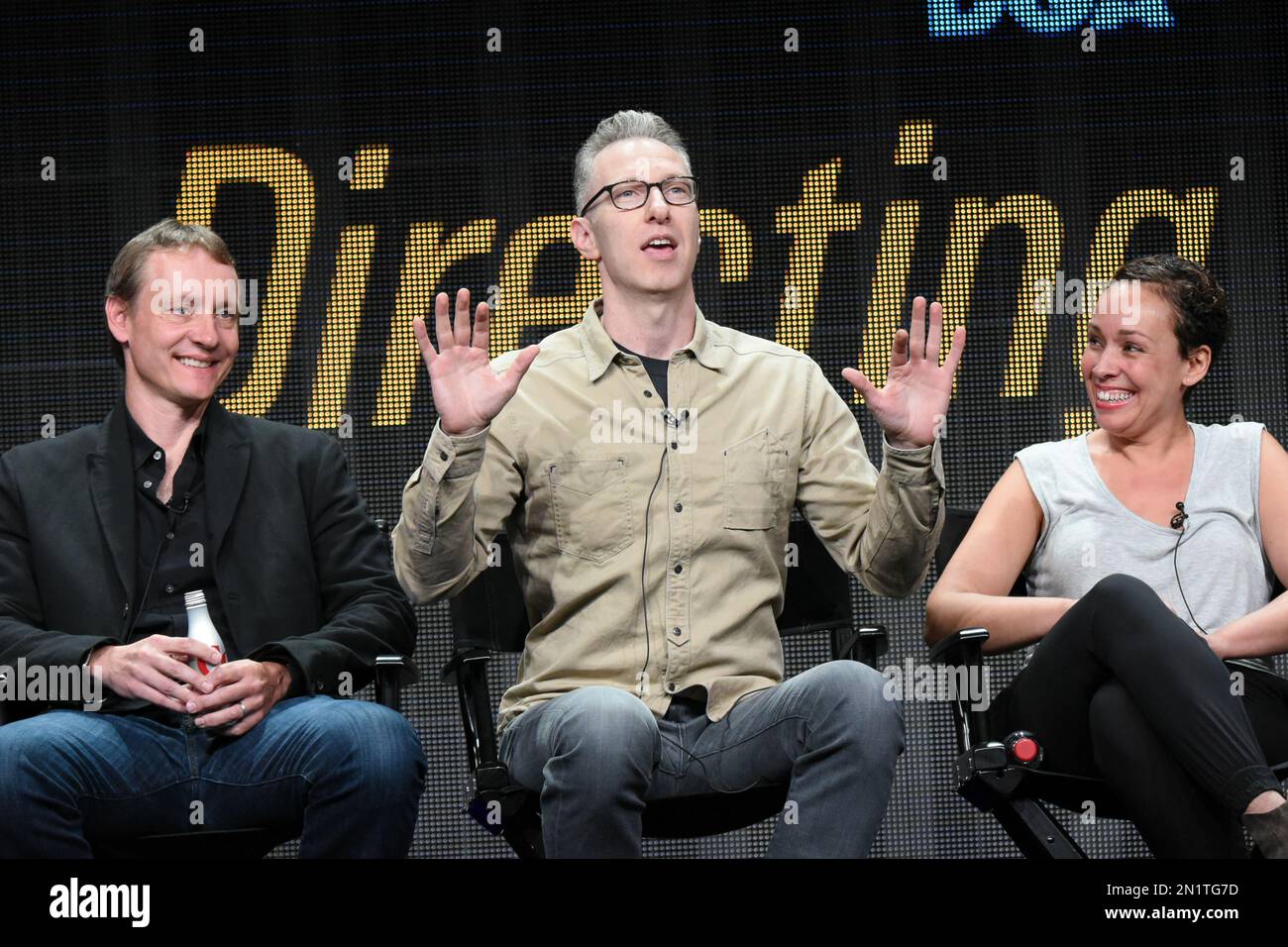
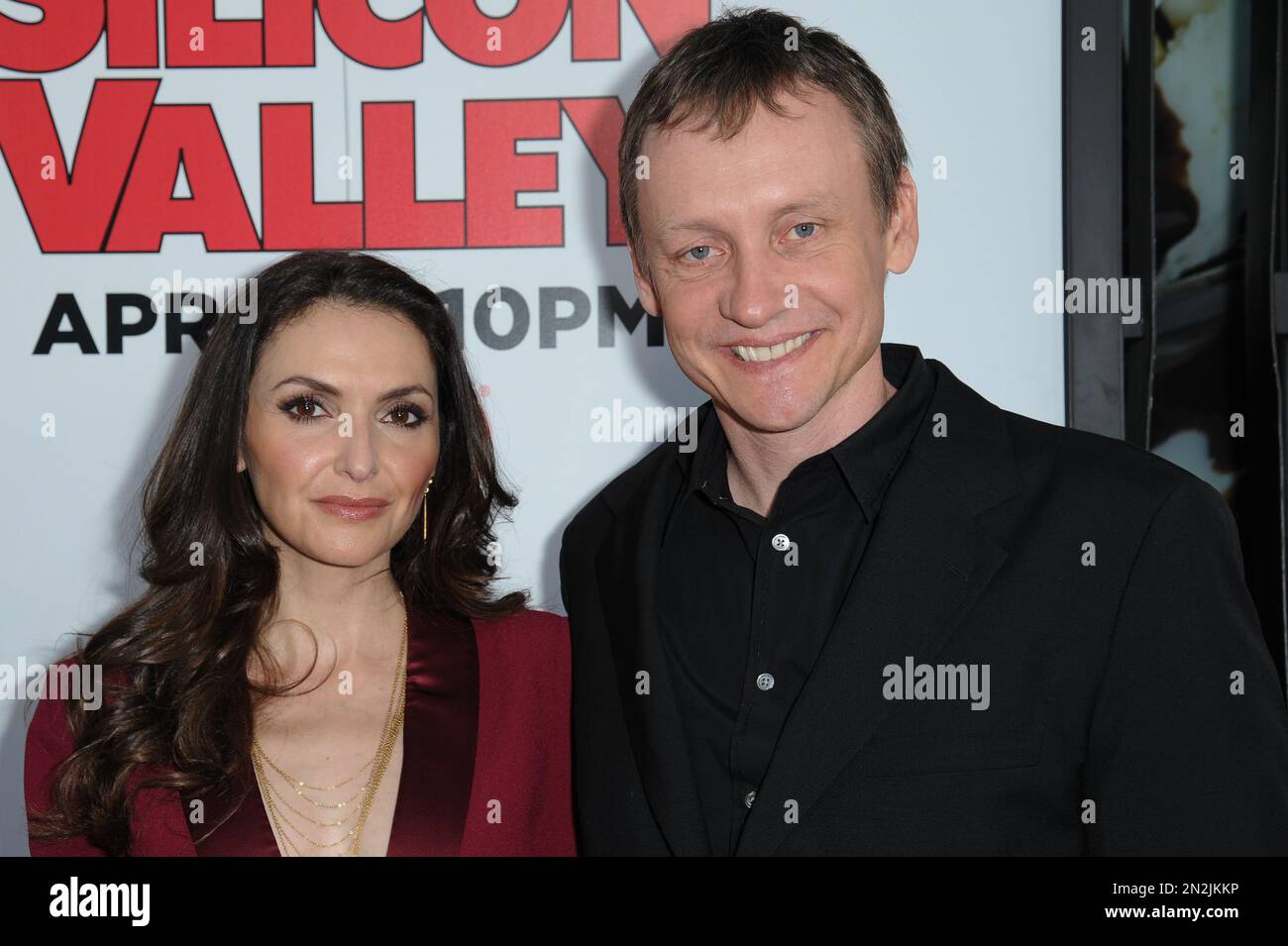
Alec Berg is a premier American television writer, director, and producer whose career spans from the legendary writers' room of Seinfeld to showrunning modern masterpieces like Silicon Valley and Barry. While often recognized by name due to a famous Seinfeld subplot, his real-world influence defines the "prestige comedy" era of the 21st century.
As of 2026, Alec Berg remains one of the most respected architects of the half-hour comedy-drama format. His trajectory represents a bridge between the classic multi-camera sitcom era and the sophisticated, high-stakes narrative style of modern streaming. To understand his profile, one must distinguish between the "Alec Berg" mentioned as a character on screen and the creative force who operated behind the scenes to shape television history.
The Seinfeld Connection: Writer vs. Character
The search for "Alec Berg Seinfeld actor" often leads to a humorous intersection of reality and fiction. It is important to clarify that the real Alec Berg was not a primary actor on Seinfeld, but his name became a recurring comedic motif in the show’s later seasons.
The Real Alec Berg (The Writer)
The real-life Alec Berg joined the Seinfeld writing staff in 1994, during the show's sixth season. Alongside his frequent writing partners David Mandel and Jeff Schaffer, Berg became part of the "new guard" that sustained the show’s quality after co-creator Larry David departed following Season 7. Berg eventually rose to the rank of executive producer, contributing to some of the most structurally complex episodes in the series' history.
The "Alec Berg" Character
In the Season 6 episode titled "The Face Painter," the character of Alec Berg is introduced—not played by the writer himself, but by actor Mark DeCarlo. In the episode, Jerry is given hockey playoff tickets by Berg (who is depicted as an acquaintance and a producer). The comedy arises from Jerry's obsession with the "great rhythm" of the name "Alec Berg." Jerry spends much of the episode repeating the name rhythmically ("Al-ec... Berg!") and eventually gets into a dispute with him because Jerry failed to give Berg a "proper thank you" for the tickets.
This meta-joke—naming characters after actual writers—was a staple of Seinfeld. Other writers like Spike Feresten and Bruce Kirschbaum also had their names or likenesses integrated into the show’s universe. However, the Alec Berg name-drop remains the most famous due to the specific cadence Jerry used to pronounce it.
Significant Writing Contributions to Seinfeld
Berg, Mandel, and Schaffer were known for their ability to weave four disparate storylines into a singular, explosive climax—a hallmark of the "Late Seinfeld" era. Their writing style was often faster-paced and more absurd than the early seasons.
"The Jimmy" (Season 6, Episode 19)
Co-written by Berg, this episode is a masterclass in linguistic misunderstanding. It introduces Jimmy, a man who refers to himself in the third person, leading to a series of escalating errors involving Elaine and a "snooty" guy at the gym. This episode demonstrated Berg's ability to take a simple social quirk and expand it into a 22-minute farce.
"The Betrayal" (Season 9, Episode 8)
Perhaps the most ambitious episode Berg ever co-wrote, "The Betrayal" (also known as the "Backwards Episode") tells its story in reverse chronological order. Starting with the ending in India and moving backward to events years prior, the script required immense technical precision. Berg and his partners had to ensure that jokes landed even when the "punchline" preceded the "setup" in airtime. This level of structural experimentation foreshadowed Berg’s later work in complex serialized comedies.
"The Junk Mail" (Season 9, Episode 5)
In this episode, Berg explored the absurdity of the United States Postal Service and the personal crusade of Kramer against "big mail." It showcased the writers' ability to turn mundane bureaucratic frustrations into high-stakes conspiracy comedy, a theme that would later permeate Berg’s work on Silicon Valley.
The Transition to HBO: Curb Your Enthusiasm and Beyond
After Seinfeld ended in 1998, Alec Berg’s career transitioned into a long-standing and fruitful relationship with HBO. This move allowed him to step away from the constraints of network television and embrace a more cynical, improvisational, and adult-oriented comedic style.
Curb Your Enthusiasm
Berg joined his former boss, Larry David, on Curb Your Enthusiasm. Serving as a director and executive producer, Berg helped refine the "outlined but not scripted" format of the show. His experience with the "Seinfeldian" focus on social minutiae made him a perfect fit for a show that amplified those traits. Berg directed numerous episodes that became fan favorites, helping the show maintain its relevance over two decades.
The "Berg-Mandel-Schaffer" Legacy
The trio of Berg, Mandel, and Schaffer is often cited as one of the most successful writing teams in Hollywood history. Following their success at HBO, they branched out into film and other series, though they often reunited for specific projects. While Mandel went on to showrun Veep and Schaffer took the lead on The League, Berg carved out a niche as the "technical maestro" of the group, focusing on shows that required both high-level comedy and intricate plot mechanics.
Silicon Valley: Showrunning the Tech Boom
From 2014 to 2019, Alec Berg served as the showrunner for Silicon Valley. This role solidified his reputation as a "prestige" creator. The show was a biting satire of the tech industry, but it was also lauded for its technical accuracy—a feat managed by Berg's insistence on hiring consultants to ensure the coding and business logic were sound.
Technical Precision in Comedy
Under Berg’s leadership, Silicon Valley avoided the "technobabble" typical of most Hollywood productions. Instead, the show dealt with real-world concepts like compression algorithms, server farm management, and venture capital dilution. Berg understood that for the stakes to feel real, the problems the characters faced had to be grounded in reality.
Managing the Ensemble
One of Berg's greatest strengths as a showrunner was managing the evolution of the Pied Piper team. As the show progressed, Berg shifted the focus from simple startup struggles to the moral compromises required to "make it" in the tech world. This thematic depth elevated the show from a simple workplace comedy to a definitive critique of 21st-century capitalism.
Barry: Deconstructing the Anti-Hero
Following Silicon Valley, Alec Berg co-created Barry with star Bill Hader. The series, which aired its final season to critical acclaim, is often categorized as a "dark comedy," but it frequently delved into pure psychological drama.
The Collaboration with Bill Hader
The partnership between Berg and Hader was an unlikely but perfect match. Hader brought a deep knowledge of film history and a penchant for surrealism, while Berg brought the structural discipline learned during his Seinfeld years. Together, they created a show about a hitman trying to become an actor that felt entirely original.
Directorial Evolution
On Barry, Berg’s directing took on a more cinematic quality. He moved away from the "flat" lighting of traditional comedy toward a high-contrast, moody aesthetic that mirrored the protagonist's fractured psyche. The "Ronny/Lily" episode, while directed by Hader, exemplified the type of experimental, high-risk storytelling that Berg supported as an executive producer and co-creator.
Career Overview and Awards
Throughout his career, Alec Berg has been a perennial nominee at the Primetime Emmy Awards. His work is characterized by a high degree of craftsmanship and a refusal to "talk down" to his audience.
| Show | Primary Role | Notable Years | Key Impact |
|---|---|---|---|
| Seinfeld | Writer / Exec. Producer | 1994–1998 | Defined the "Post-Larry David" era; wrote the "Backwards Episode." |
| Late Night with Conan O'Brien | Writer | 1993 | Early career development in late-night variety comedy. |
| Curb Your Enthusiasm | Director / Exec. Producer | 2005–2024 | Helped Larry David transition the Seinfeld ethos to HBO. |
| Silicon Valley | Showrunner / Director | 2014–2019 | Created a definitive satire of the tech industry with high technical accuracy. |
| Barry | Co-Creator / Director | 2018–2023 | Merged dark thriller elements with absurdist comedy; won multiple Emmys. |
| The Dictator | Writer (Film) | 2012 | Collaborated with Sacha Baron Cohen on political satire. |
The "Alec Berg Style": Why It Works
What separates an Alec Berg production from a standard comedy? There are several key elements that define his "creative thumbprint":
- The Interconnected Plot: Taking a cue from his Seinfeld days, Berg’s shows rarely have "filler" scenes. Every minor character or throwaway line usually returns in the third act to cause a catastrophe for the protagonist.
- The "Competence Porn" Subversion: Berg loves to show characters who are brilliant at one specific thing (coding, killing, writing) but completely incompetent at the basic functions of social life.
- Low-Stakes Obsessions, High-Stakes Consequences: Whether it is Jerry Seinfeld obsessing over a thank-you note or Richard Hendricks obsessing over a "middle-out" algorithm, Berg builds tension by treating minor social or technical slights as life-or-death situations.
- Moral Ambiguity: In Barry and Silicon Valley, the "heroes" are often quite unlikable or do terrible things. Berg avoids the sitcom trope of the "moral of the story," preferring to let the audience sit with the discomfort of the characters' choices.
Frequently Asked Questions
Did Alec Berg play the character "Alec Berg" in Seinfeld?
No. The character named Alec Berg in the Season 6 episode "The Face Painter" was played by actor Mark DeCarlo. The real Alec Berg was a writer on the show at the time, and the name was used as an "inside joke" because Jerry Seinfeld liked the phonetic sound of the name.
What are Alec Berg's most famous Seinfeld episodes?
Berg is most famous for co-writing "The Betrayal" (the backwards episode), "The Jimmy" (featuring a character who speaks in the third person), and "The Junk Mail" (Kramer's battle with the post office). He was a key writer for the final three seasons of the series.
Is Alec Berg still working in 2026?
Yes. As of 2026, Alec Berg continues to be an active producer and director. Following the conclusion of Barry, he has moved into a mentorship and executive role, often helping young creators shepherd complex, high-concept comedies through the development process at major streaming platforms.
How many Emmys has Alec Berg won?
Alec Berg has been nominated for over 20 Primetime Emmy Awards throughout his career for his work on Seinfeld, Curb Your Enthusiasm, Silicon Valley, and Barry. While he has frequently been part of Emmy-winning "Best Comedy Series" teams, his individual legacy is more defined by his consistent presence in the winner's circle across three different decades of television.
Did Alec Berg write for any movies?
Yes. Outside of his television work, Berg co-wrote the screenplay for the 2003 live-action The Cat in the Hat and the 2012 Sacha Baron Cohen comedy The Dictator. He also contributed to the screenplay for EuroTrip (2004), which has since become a cult classic.
Next Steps for Aspiring Comedy Writers
For those looking to emulate the career of Alec Berg, the path involves a deep understanding of structure over jokes. Berg’s career proves that a well-structured story can sustain a show even when the humor is dark or the characters are flawed.
Aspiring writers should study the scripts of Seinfeld's ninth season and Silicon Valley's first season to see how "The Berg Method" functions: establish a technical or social rule, show the characters breaking that rule, and then demonstrate the mathematical certainty of their downfall. Following Berg’s trajectory also highlights the importance of collaboration; his long-term partnerships with David Mandel and Bill Hader show that television is a team sport where the best results often come from a "room" rather than a lone genius.