Travelers sailing from the Port of Galveston have two primary commercial options: William P. Hobby Airport (HOU), located approximately 40 miles away, and George Bush Intercontinental Airport (IAH), situated about 70 miles away. While Hobby is closer and more convenient for domestic travelers, Intercontinental offers a broader range of international flights and carriers.
Navigating the logistics of a Texas cruise vacation requires more than just booking a cabin; it demands a strategic understanding of the Houston metropolitan area's complex transportation landscape. As the Port of Galveston continues its expansion in 2026—now serving as a massive multi-terminal hub for Royal Caribbean, Carnival, Disney, and Norwegian Cruise Lines—the choice of airport can significantly impact your "sail-away" stress levels. This guide provides a technical and practical breakdown of air travel hubs, transit times, and ground transportation infrastructure essential for every 2026 cruiser.
The Geographic Reality of Galveston Cruising
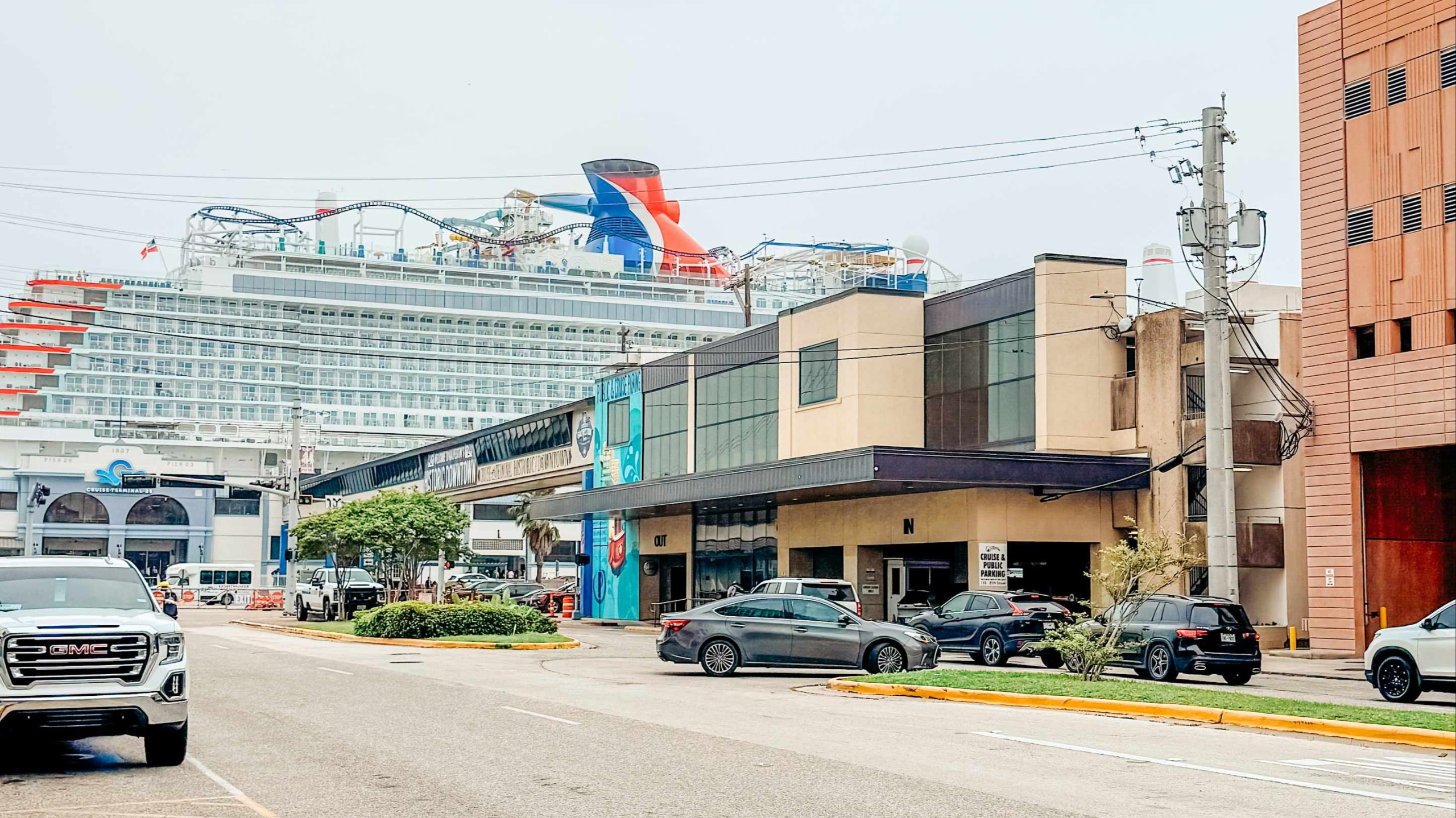
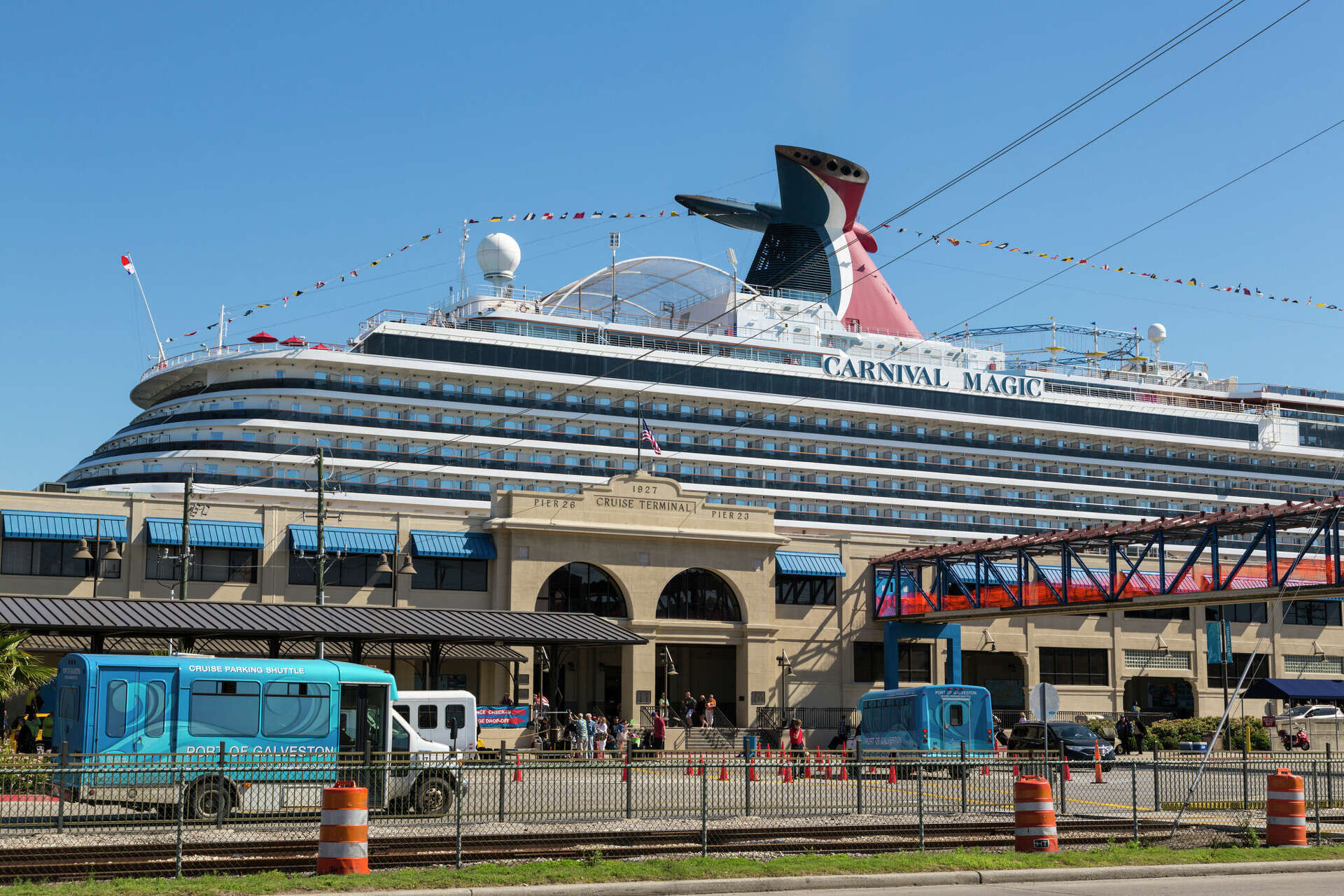
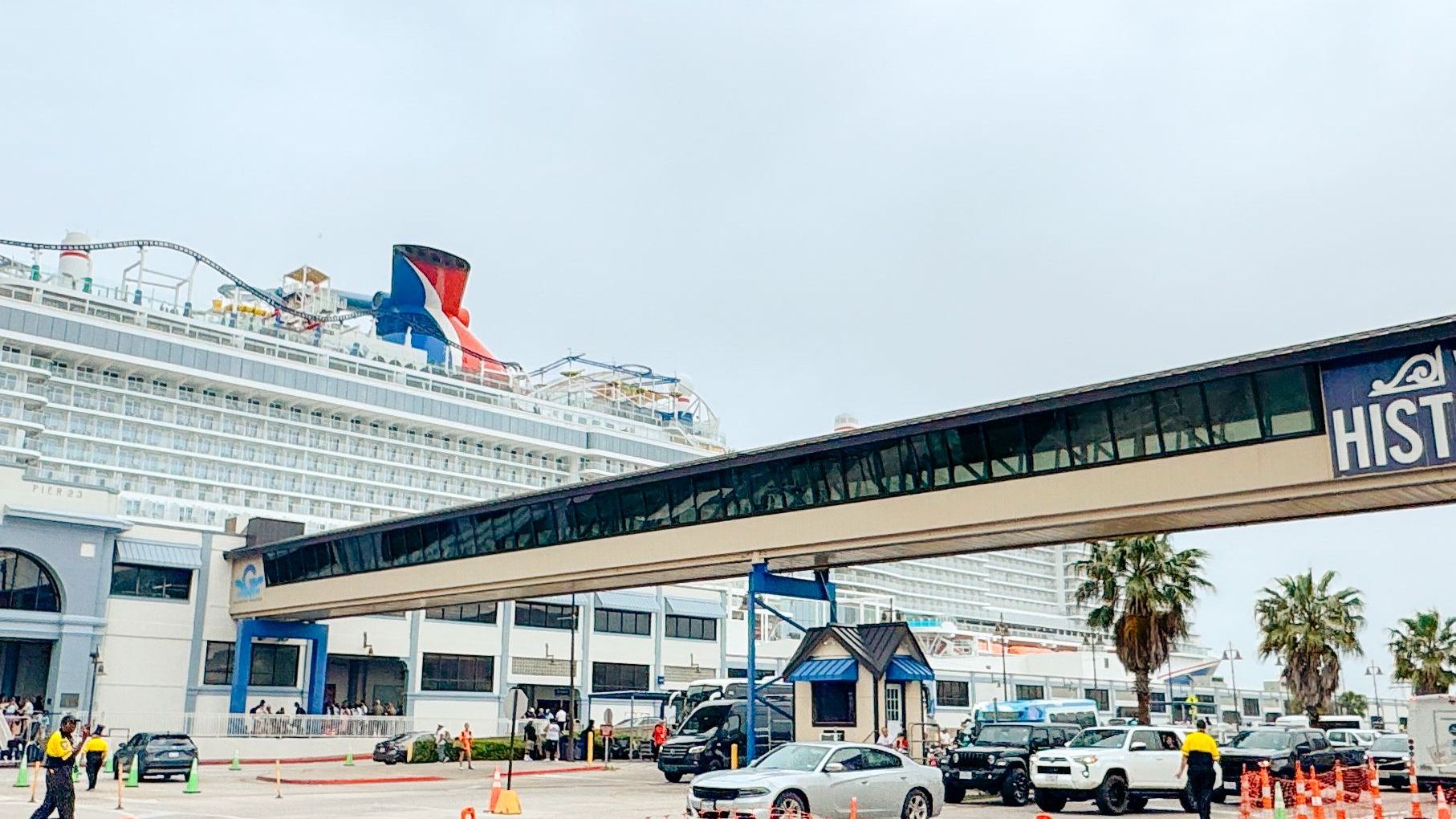
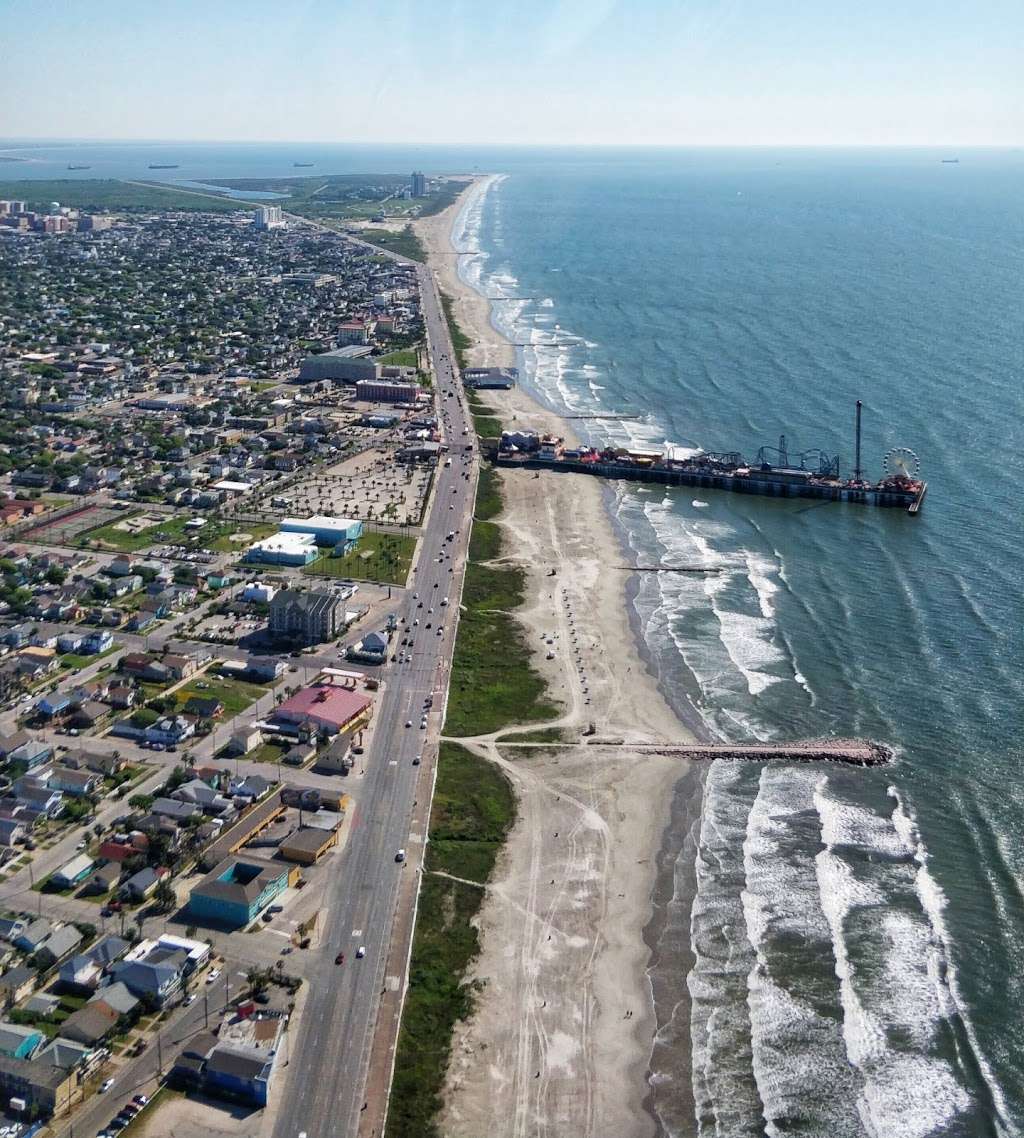
The Port of Galveston is located on Galveston Island, a barrier island on the Texas Gulf Coast. Unlike ports in Miami or Fort Lauderdale, where airports are often minutes away, Galveston is a satellite destination relative to Houston’s major aviation hubs. Travelers must account for the transit across the Galveston Causeway, which is the primary artery connecting the island to the mainland.
In 2026, the port operates several distinct terminals:
- Terminal 25 and 28: Primarily serving Carnival Cruise Line and Princess Cruises.
- Terminal 10: The state-of-the-art Royal Caribbean terminal designed to handle Oasis-class vessels.
- Terminal 16: The newest addition (completed in late 2025/early 2026) catering to increased demand from premium lines.
Understanding which terminal your ship uses is secondary to knowing how to get to the island itself. Because there are no commercial airports on Galveston Island, your journey will invariably begin at one of the two major Houston airports.
William P. Hobby Airport (HOU): The Closest Connection
William P. Hobby Airport is the preferred choice for most domestic travelers due to its proximity to the port. Located on the south side of Houston, it sits roughly 40 miles north of the Galveston cruise terminals.
Why HOU is the Efficient Choice
Hobby Airport is significantly smaller than its northern counterpart, George Bush Intercontinental. This smaller footprint translates to shorter walking distances between gates, faster security lines, and a more streamlined baggage claim process. For a traveler landing on the morning of their cruise, every minute saved in the terminal is a minute gained for the drive south.
As of 2026, Southwest Airlines remains the dominant carrier at HOU, utilizing it as a major regional hub. Other carriers including Delta, American, and Allegiant also maintain a presence, but Southwest’s "bags fly free" policy makes it particularly attractive for cruisers who typically carry more luggage than the average business traveler.
Transit Dynamics from HOU to Galveston
The drive from HOU to Galveston typically takes 45 to 60 minutes under normal traffic conditions. The route is almost entirely via I-45 South (the Gulf Freeway). However, travelers must be aware that I-45 is one of the most heavily trafficked corridors in Texas. Construction projects in the south Houston area, though improved by 2026, can still cause localized bottlenecks.
George Bush Intercontinental Airport (IAH): The Global Gateway
George Bush Intercontinental Airport is one of the busiest airports in the United States and serves as the primary international gateway for the region. Located on the north side of Houston, it is approximately 70 miles from the Port of Galveston.
When to Choose IAH
If you are flying internationally or prefer a legacy carrier like United Airlines (which uses IAH as a primary hub), IAH is your likely arrival point. It offers significantly more non-stop flights from the West Coast, East Coast, and international cities than Hobby.
The airport features five terminals (A, B, C, D, and E) linked by an underground train (Subway) and an elevated Skyway. While the scale of IAH provides more flight options, it also introduces more complexity. Navigating from a gate in Terminal E to the ground transportation center in Terminal C or B can take 20 to 30 minutes.
The Long Haul: IAH to the Port
The journey from IAH to Galveston is a cross-metropolitan trek. Travelers must navigate through the heart of Houston or utilize the Hardy Toll Road and I-610 to bypass the downtown core before hitting I-45 South. In 2026, you should budget at least 75 to 100 minutes for this transfer. During Friday afternoon rush hour—a common time for cruisers arriving a day early—this transit can easily exceed two hours.
Technical Comparison: HOU vs. IAH for 2026 Travelers
| Feature | William P. Hobby Airport (HOU) | George Bush Intercontinental (IAH) |
|---|---|---|
| Distance to Port | ~40 Miles | ~70 Miles |
| Typical Drive Time | 45–60 Minutes | 75–110 Minutes |
| Primary Carriers | Southwest, Delta, American | United, Spirit, International Carriers |
| Ease of Navigation | High (Compact layout) | Moderate (Large, multi-terminal) |
| Rideshare Cost (Est.) | $65 – $90 | $110 – $160 |
| Shuttle Availability | High (Most local shuttles start here) | High (But longer transit times) |
| International Flights | Limited (Mexico, Central America) | Extensive (Global) |
Ground Transportation Infrastructure in 2026
Once you land, you face the most critical part of your journey: the 40-to-70-mile gap. Several specialized services have evolved to meet the needs of the thousands of cruisers arriving weekly.
1. Dedicated Cruise Shuttles
Several independent companies, such as Galveston Express and Island Breeze Shuttles, operate scheduled van and bus services between both airports and the cruise terminals.
- Pros: Cost-effective for solo travelers or couples; reliable schedules.
- Cons: Fixed departure times mean you might wait at the airport for an hour after your flight lands.
- Note: In 2026, it is highly recommended to book these at least three weeks in advance, as they frequently sell out during peak summer and holiday sailing windows.
2. Rideshare (Uber and Lyft)
Rideshare services are plentiful at both HOU and IAH. However, there is a technical hurdle: while getting to the port is easy, getting from the port back to the airport on disembarkation day can be challenging. Surge pricing is common when 3,000+ people exit a ship simultaneously.
- Pro Tip: Look for the "Uber/Lyft" designated zones at the Galveston terminals, which were redesigned in late 2025 to improve traffic flow.
3. Cruise Line Transfers
Airlines and cruise lines (Carnival, Royal Caribbean, etc.) offer their own "Fly2Cruise" shuttle packages.
- Requirements: You must arrive before a certain cutoff time (usually 12:30 PM for IAH and 1:30 PM for HOU).
- Value Proposition: If the cruise line shuttle is delayed by traffic, the ship is more likely to wait for you, or the cruise line will assist in getting you to the first port of call. This "safety net" is the primary reason travelers pay the premium for these transfers.
4. Private Car Services
For families or groups of four or more, a private SUV or limo service often costs the same as four individual shuttle tickets but offers door-to-door service without waiting for other passengers.
The "Day Before" Strategy: Why Proximity Matters
A significant trend in 2026 travel is the "Arrive Early" mandate. Given the volatility of air travel and the congestion of the Houston-Galveston corridor, flying in the day before your cruise is no longer just a suggestion—it is a logistical necessity.
Staying Near the Airport vs. Near the Port
- Airport Stay (HOU/IAH): Generally cheaper hotel rates. You wake up on embarkation day and make the long drive to the island.
- Galveston Stay: More expensive, but you start your vacation early. Many Galveston hotels offer "Park and Cruise" packages, though these are less useful for air travelers. The primary benefit here is being a 5-minute Uber ride from the terminal on cruise morning.
If you arrive at IAH late at night, staying at an airport hotel and heading to Galveston at 9:00 AM the next morning allows you to miss the worst of the Houston morning commute.
Alternative Airfields and Private Aviation
While HOU and IAH handle 99% of cruise traffic, two other airfields exist in the vicinity for specific traveler profiles.
Scholes International Airport (GLS)
Located directly on Galveston Island, Scholes does not currently serve commercial airlines. It is, however, the primary hub for private jets and chartered flights. If you are utilizing private aviation, Scholes puts you less than 10 minutes from the cruise terminals.
Ellington Airport (EFD)
Situated between HOU and Galveston, Ellington is a joint civil-military airport. While it is home to the Houston Spaceport, its commercial passenger utility is limited to specific charter services. It is rarely an option for the standard cruise traveler but remains a landmark on the drive down I-45.
Critical Factors: Traffic, Tolls, and Timing
The "Houston Factor" cannot be overstated. When calculating your arrival time, you must account for:
- The Galveston Causeway: This bridge is the only way onto the island for vehicles. Any accident on the bridge can result in delays of over an hour.
- Terminal Congestion: With the addition of Terminal 16 in 2026, the Harborside Drive area in Galveston is busier than ever.
- Security and Check-in: Most cruise lines now use strict 30-minute arrival windows. If your flight is delayed and you miss your window, you may be forced to wait until all other passengers have boarded.
Recommended Flight Windows for 2026:
- Arrival: Land no later than 11:00 AM at HOU or 10:00 AM at IAH on embarkation day. Ideally, arrive the day before.
- Departure: Book return flights no earlier than 12:00 PM at HOU or 1:30 PM at IAH to allow for disembarkation, customs, and the drive back north.
Frequently Asked Questions
Which airport is better for a Royal Caribbean cruise from Terminal 10?
William P. Hobby (HOU) is technically better because the drive is shorter, but since Terminal 10 is on the eastern end of the port, the difference is negligible compared to other terminals. The choice should be based on your airline preference and flight cost.
Is there a train or rail link from Houston airports to Galveston?
No. Despite various proposals over the years, there is no passenger rail service connecting IAH or HOU to Galveston in 2026. Ground transportation via bus, shuttle, or car remains the only option.
How much should I budget for a round-trip transfer for a family of four?
For a family of four using a dedicated shuttle service, budget approximately $300–$400 round-trip from IAH or $200–$280 from HOU. Private car services may offer a flat rate of $450–$550 for the same IAH round-trip, providing more comfort and direct service.
Can I rent a car at the airport and drop it off in Galveston?
Yes, but with caveats. Enterprise and Hertz have locations on Galveston Island, but they often charge significant "one-way" drop-off fees. Furthermore, the Galveston rental offices are not located inside the cruise terminals; you will still need a short taxi or shuttle ride from the rental office to the ship.
What happens if I-45 is closed?
In the event of a major closure on I-45, the primary alternative is State Highway 288 to FM 2004, which eventually connects back to the island via the San Luis Pass Bridge (a toll bridge). This detour can add 60-90 minutes to the trip, emphasizing the need for a significant time buffer.
Final Recommendation for 2026 Travelers
For the smoothest experience, book your flight into William P. Hobby Airport (HOU) at least one day prior to your cruise. This eliminates the risk of Houston’s notorious traffic delays and places you within a manageable 40-mile radius of the port. If you must fly into George Bush Intercontinental (IAH), ensure you have a pre-arranged shuttle or private car service, as the distance and complexity of the drive require more professional navigation. Regardless of your choice, always monitor local traffic via mobile apps before departing the airport, as the route to Galveston Island is prone to sudden changes in flow.