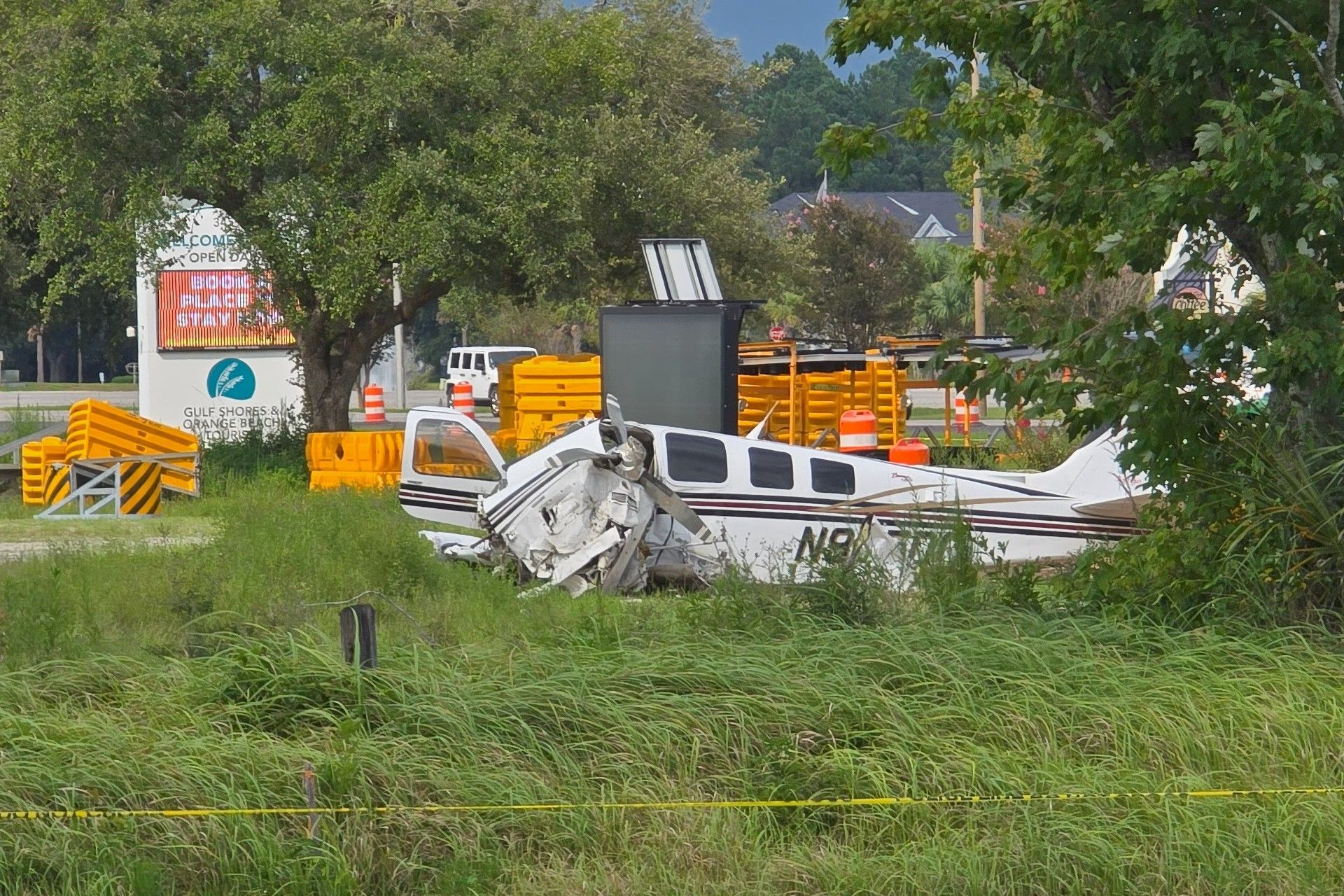
Airplane crashes in Alabama are investigated primarily by the National Transportation Safety Board (NTSB) to determine probable cause, with support from the Federal Aviation Administration (FAA). Most incidents involve general aviation or military training flights. If you are seeking information on a specific crash, the NTSB’s searchable database remains the official record for all civil aviation accident reports in the state.
Alabama’s aviation landscape is a complex tapestry of commercial hubs, intensive military training corridors, and a robust general aviation community. From the busy runways of Birmingham-Shuttlesworth International Airport to the tactical training grounds near Fort Novosel, the state’s skies are constantly active. However, with high traffic comes the statistical reality of aviation accidents. Understanding the frequency, causes, and investigative procedures surrounding an airplane crash in Alabama is essential for families, legal professionals, and aviation enthusiasts alike.
As of 2026, aviation safety remains a critical focus for state and federal authorities. While commercial air travel continues to be one of the safest modes of transportation, general aviation (private flying) and military operations face unique risks. This guide provides a comprehensive analysis of the factors contributing to aviation incidents in the Heart of Dixie and the rigorous process that follows every "downed aircraft" report.
The Landscape of Aviation Accidents in Alabama
Alabama occupies a unique geographic and tactical position in American aviation. The state is home to major military installations, including Maxwell Air Force Base and Fort Novosel (formerly Fort Rucker), the latter being the primary training base for Army Aviation. Additionally, Alabama's weather patterns—characterized by sudden convective activity and high humidity—present distinct challenges for pilots.
Commercial vs. General Aviation Incidents
Most public attention is captured by commercial accidents, yet these are the rarest. In Alabama, the vast majority of civilian airplane crashes involve General Aviation (GA). This category includes private pilots, flight schools, and corporate jets. GA accidents often occur during the takeoff or landing phases and are frequently linked to pilot proficiency or mechanical issues in aging airframes.
Commercial incidents in Alabama, such as the tragic 2013 crash of UPS Flight 1354 in Birmingham, serve as landmark cases for safety reform. That specific accident led to significant discussions regarding pilot fatigue and the technical requirements for non-precision approaches at night. Such high-profile events are rare but result in exhaustive multi-year investigations that change the face of global aviation safety.
Military Aviation Risks
Given Alabama's role as a hub for military pilot training, the state sees a higher-than-average volume of military aircraft mishaps compared to states without such facilities. These incidents are handled differently than civilian crashes; the military conducts its own Safety Investigation Boards (SIB) and Accident Investigation Boards (AIB). Significant events, such as the 2023 Black Hawk crash near Huntsville, highlight the inherent risks of low-altitude tactical training and the critical importance of rigorous maintenance schedules.
The NTSB Investigation Process in Alabama
When a civilian airplane crash occurs in Alabama, the National Transportation Safety Board (NTSB) takes the lead. The process is standardized to ensure that emotion and external pressure do not interfere with factual discovery.
1. On-Scene Phase (The "Go-Team")
Immediately following a report of a significant crash, the NTSB dispatches a "Go-Team." Depending on the severity, this team may include specialists in powerplants (engines), structures, systems, and air traffic control. In Alabama, the NTSB often coordinates with local sheriff's offices and the Alabama Law Enforcement Agency (ALEA) to secure the site. The primary goal is to preserve perishable evidence, such as the position of switches in the cockpit, the condition of control surfaces, and any electronic data recorders (the "black boxes").
2. The Preliminary Report
Within approximately 15 days of the accident, the NTSB releases a Preliminary Report. This document does not state a cause; rather, it outlines the known facts: the type of aircraft, the flight's intended path, weather conditions at the time, and a brief description of the wreckage. For those tracking a recent airplane crash in Alabama, this is the first official document available to the public.
3. Factual Report and Laboratory Analysis
Over the following 6 to 12 months, investigators conduct deep-dive analyses. Engines may be shipped to manufacturers (like Continental or Lycoming) for teardown inspections under NTSB supervision. Avionics are analyzed for GPS data that can reconstruct the final moments of flight. In Alabama, investigators also look closely at "density altitude" and local weather phenomena like microbursts, which are common during the hot summer months.
4. Probable Cause Determination
The final phase is the issuance of the Final Report, which includes the Probable Cause. This is the NTSB’s official stance on why the accident happened. These reports are used to issue Safety Recommendations, which aim to prevent similar accidents from occurring in the future.
Common Causes of Aircraft Accidents in Alabama
Statistics from the past decade show that several recurring factors contribute to aviation incidents within the state.
| Factor | Description | Impact Level |
|---|---|---|
| Controlled Flight Into Terrain (CFIT) | Occurs when an airworthy aircraft is flown into the ground, usually due to low visibility in the Appalachian foothills. | High (Fatal) |
| Mechanical Failure | Often related to engine maintenance or fuel system issues in general aviation aircraft. | Moderate |
| Weather (Convective) | Rapidly developing thunderstorms and wind shear during Alabama's spring and summer seasons. | High |
| Fuel Exhaustion | Pilots miscalculating fuel burn or failing to account for head-winds, leading to forced landings. | Moderate |
| Loss of Control (Inflight) | Often resulting from aerodynamic stalls during the "base-to-final" turn at local airports. | High |
Environmental Factors: The "Alabama Factor"
Alabama's topography transitions from the coastal plains in the south to the foothills of the Appalachian Mountains in the north. This transition can create unpredictable wind patterns. Furthermore, the high humidity levels in the state contribute to carburetor icing, even in temperatures that might seem too warm for ice. Pilots unfamiliar with the rapid onset of afternoon thunderstorms in the Deep South can easily find themselves in "Instrument Meteorological Conditions" (IMC) for which they may not be rated.
What to Do Following an Airplane Crash in Alabama
If you are a witness to an aircraft accident or a family member of someone involved, the hours following the event are chaotic. Understanding the proper channels for information and action is vital.
Immediate Response and Reporting
Any witness to a crash should immediately call 911. Local emergency management agencies (EMA) in Alabama are trained to handle hazardous materials, as aviation fuel and carbon fiber wreckage can be toxic. Do not approach the wreckage, as it is a federal investigation scene. Interfering with or removing wreckage is a federal offense under 49 CFR Part 830.
Accessing Official Records
To find information on a specific crash, use the NTSB Case Analysis and Reporting Tool (CAROL). You can filter searches by state (Alabama) and date. For accidents involving commercial airlines, the FAA also maintains the Aviation Safety Information Analysis and Sharing (ASIAS) system.
Legal and Insurance Considerations
Aviation law is a highly specialized field. Unlike standard motor vehicle accidents, airplane crashes are governed by a mix of federal statutes, international treaties (like the Montreal Convention for international flights), and state tort law. Families often require assistance in navigating the "Death on the High Seas Act" or the "General Aviation Revitalization Act" (GARA), which limits the liability of aircraft manufacturers for planes older than 18 years.
Resources for Aviation Safety in Alabama
Education and proactive maintenance are the primary tools for reducing the number of accidents. Several organizations provide localized support:
- FAA Safety Team (FAASTeam): Operates frequently in Birmingham and Mobile, offering seminars on local weather and mountain flying.
- Alabama Department of Transportation (ALDOT) Aeronautics Bureau: Oversees the state’s airport infrastructure and ensures runways meet safety standards.
- Civil Air Patrol (Alabama Wing): Often the primary agency involved in search and rescue operations for missing aircraft.
Frequently Asked Questions
Where can I find the most recent airplane crash reports for Alabama?
The official source for all civil aviation accident data is the NTSB Accident Database. Reports are usually updated weekly. For military incidents, you must often file a Freedom of Information Act (FOIA) request with the specific branch of the military involved (Army, Navy, or Air Force).
Are small plane crashes common in Alabama?
Statistically, Alabama sees a number of general aviation accidents consistent with its population and number of registered pilots. Because Alabama has many rural areas and small municipal airports, "off-airport" landings due to mechanical issues are reported several times a year. However, fatal accidents remain relatively rare compared to total flight hours logged.
What happens to the wreckage after an investigation?
Once the NTSB "releases" the wreckage, it becomes the property of the insurance company or the owner. In many cases, the wreckage is moved to a secure facility, such as those operated by specialized aviation recovery firms in the Southeast, where it may be stored for years if litigation is pending.
Can weather in Alabama cause a commercial jet to crash?
Modern commercial jets are equipped with advanced weather radar and "Predictive Windshear" systems. While severe Alabama weather (like tornadoes or microbursts) can cause significant delays and turbulence, the systems in place at airports like BHM and HSV, combined with onboard technology, make a weather-related commercial crash extremely unlikely.
How long does a typical crash investigation take?
A full investigation into an airplane crash in Alabama typically takes between 12 and 24 months. While a "Preliminary Report" is available within weeks, the "Probable Cause" requires extensive laboratory testing and peer review before it is officially published.
Final Recommendations for Pilots and the Public
For pilots flying in Alabama, the most effective way to avoid becoming an NTSB statistic is to prioritize Pre-flight Risk Assessment. This includes a rigorous look at the "P.A.V.E." checklist (Pilot, Aircraft, enVironment, and External Pressures). Given Alabama’s volatile spring weather, having a clear "divert plan" to an alternate airport is a non-negotiable safety requirement.
For the general public or those affected by a crash, rely strictly on official NTSB and FAA communications. Media reports in the immediate aftermath of an accident are often speculative regarding technical causes. Waiting for the factual findings of the NTSB ensures you have the most accurate understanding of the event.