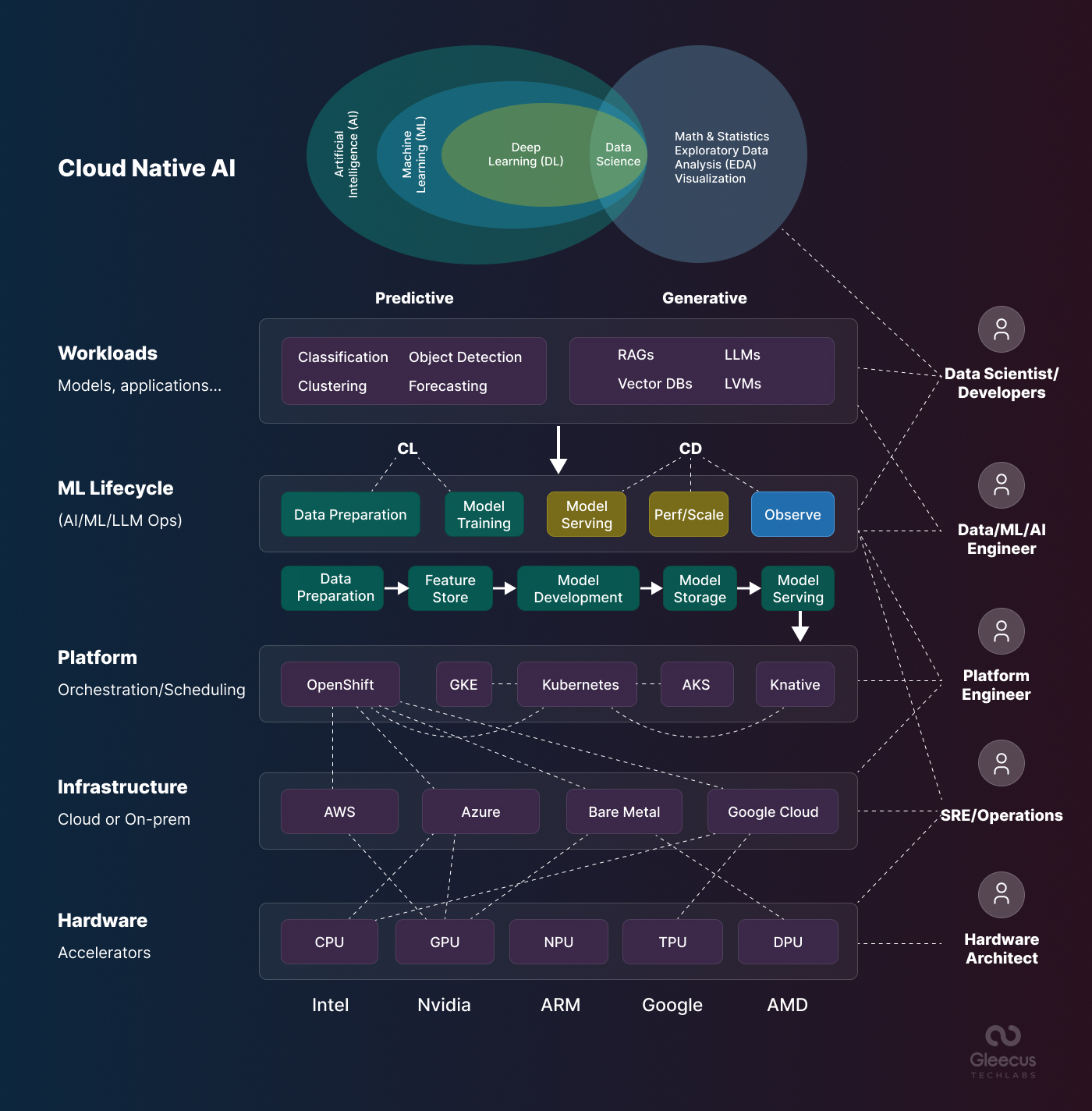
An effective AI cloud native security strategy integrates automated threat detection, granular identity management, and secure MLOps pipelines to protect machine learning models and infrastructure from sophisticated supply chain and runtime attacks. By shifting security left into the development lifecycle and continuously monitoring cloud-native environments, organizations can mitigate vulnerabilities unique to the AI-augmented software stack.
The Evolution of Cloud Native Security in the Era of AI
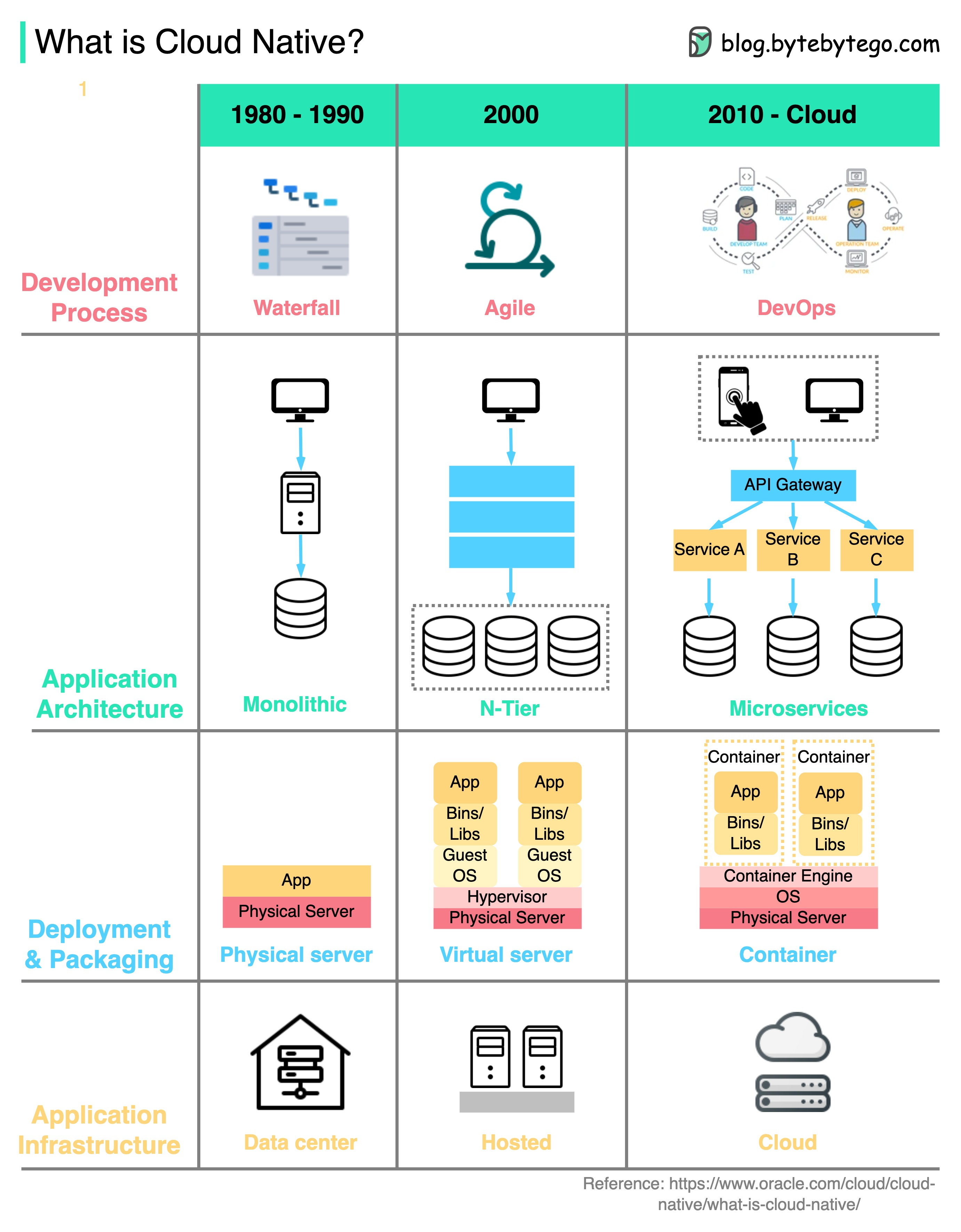
Cloud native architecture—defined by containerization, microservices, and orchestration platforms like Kubernetes—has fundamentally changed how software is deployed. As organizations increasingly integrate Artificial Intelligence (AI) and Machine Learning (ML) models into these environments, the traditional perimeter-based security model has become obsolete. A cloud native security strategy now must account for "AI-specific" risks, including prompt injection, model poisoning, and unauthorized access to data sets used for training and inference.
In 2026, the convergence of these domains requires a strategy that treats the AI model as both a software asset and a target. Unlike standard microservices, AI models are black boxes of weights and biases that can be manipulated without altering the underlying code. Consequently, security teams must move beyond scanning for vulnerabilities in OS libraries and extend their focus to the integrity of the data pipeline and the robustness of the inference endpoint.
Core Components of a Modern Security Framework
Building a robust strategy requires layering security across the entire lifecycle of an application. This starts at the build stage, extends through deployment, and remains active during the execution phase.
1. Shift-Left Security for MLOps
Security should be embedded during the CI/CD phase. For AI applications, this means implementing Software Bill of Materials (SBOM) specifically for ML models. An ML-SBOM documents not only the code dependencies but also the specific training data version, the framework version (e.g., PyTorch or TensorFlow), and the hardware acceleration dependencies. By validating these components before deployment, you prevent the introduction of compromised pre-trained models or vulnerable libraries into your production cluster.
2. Identity and Access Management (IAM)
In a cloud native environment, human and machine identities are the new perimeter. AI applications often require high-level permissions to access data lakes or production databases. A "Principle of Least Privilege" (PoLP) must be enforced for these service accounts. Use short-lived, automated credentials rather than static API keys to ensure that even if an AI model is compromised, the blast radius is limited.
3. Runtime Protection and Anomaly Detection
Traditional firewalls cannot inspect the traffic flow of an AI application. You need specialized runtime security that monitors API requests for patterns indicative of adversarial machine learning. For example, if an inference endpoint suddenly receives an anomalous volume of requests designed to extract training data (model inversion attacks), your security stack should be configured to automatically throttle or block those IP addresses in real-time.
Strategic Comparison of Cloud Native Security Approaches
To determine the right investment for your organization, consider the following comparison of security focus areas within the AI stack.
| Strategy Focus | Primary Objective | Key Implementation Tool |
|---|---|---|
| Data Integrity | Prevent training data poisoning | Checksum validation and provenance tracking |
| Model Security | Detect prompt injection/jailbreaking | AI-specific Web Application Firewalls (WAF) |
| Supply Chain | Secure model and library imports | Container signing and image scanning |
| Compliance | Audit trail for model decisions | Logging and immutable storage |
Identifying and Mitigating AI-Specific Vulnerabilities
The most significant threat to AI cloud native environments is the "AI-in-the-Middle" attack, where a malicious actor intercepts and modifies input data before it reaches the model. Because cloud native applications often rely on distributed event-driven architectures, these inputs may pass through multiple microservices, each representing a potential point of interception.
To mitigate this, implement end-to-end encryption and digital signing for data in transit. Even within an internal cluster, traffic between your API gateway and your inference engine should be encrypted using a Service Mesh architecture (e.g., Istio or Linkerd). This ensures that even if a pod is compromised, the attacker cannot inject malformed data into the model inference stream.
Operational Requirements and Best Practices
Developing a security strategy is an iterative process. It requires alignment between security operations (SecOps) and data science teams, who historically operate in silos.
- Governance of Third-Party Models: Avoid pulling base models from public repositories without rigorous internal auditing. Treat public models as untrusted code.
- Automated Vulnerability Management: Use tools that can detect "Model-to-Code" vulnerabilities. If your model uses an older version of a dependency with a known CVE, the automated scanning tool should break the build.
- Continuous Monitoring: Establish a baseline of "normal" model behavior. AI systems are notoriously unpredictable, but monitoring for variance in accuracy or unusual resource consumption (CPU/GPU spikes) can be a leading indicator of an ongoing attack.
- Disaster Recovery: Maintain a clean, immutable copy of your training data and model weights in an isolated environment. In the event of a successful poisoning attack, you must have the capability to roll back to a known-good version of the model.
Frequently Asked Questions (FAQ)
What is the primary risk of using AI in cloud native environments? The primary risk is the exploitation of the "AI model surface." Unlike traditional software, AI models are susceptible to inputs that trick them into generating unintended or malicious outputs, combined with the complexity of securing the massive datasets required for training.
How does Kubernetes affect AI security? Kubernetes provides the scaling required for AI, but its complexity increases the attack surface. Insecure pod configurations, overly broad RBAC roles, and lack of network segmentation are common entry points that attackers exploit to gain access to sensitive training data or GPU compute resources.
What is model poisoning? Model poisoning is an attack where an adversary introduces malicious data into the training set to influence the model’s behavior. The goal is to create a backdoor or degrade the performance of the model in specific scenarios, which can go unnoticed for long periods because the model still appears to function normally.
Should I use specialized AI security tools? While general-purpose cloud security platforms (CSPMs) are essential for infrastructure, they often lack deep visibility into model-specific threats. Supplementing your current security stack with tools that specifically offer model monitoring and adversarial machine learning detection is a recommended best practice for enterprise-scale AI.
How do I handle secrets management for AI models? Never bake credentials or API tokens into your model container images. Use a centralized, external secrets management service (such as HashiCorp Vault or cloud-native equivalents) to inject secrets as environment variables or mounted files at runtime.
Next Steps for Implementation
To operationalize your AI cloud native security strategy, begin by performing a risk assessment of your current deployment pipeline. Inventory every ML model, the data sets they utilize, and the identities that have access to them. Establish a baseline for normal API traffic to your inference endpoints. Once these are secured, move to implement automated scanning for ML-specific vulnerabilities. Start with the most critical applications and expand the coverage as your team gains proficiency in the nuances of AI defense. Continuous evaluation of your security posture is essential to remain ahead of evolving threats in 2026 and beyond.