Life insurance serves as a vital tool for African American families to protect their financial stability and bridge the racial wealth gap. By securing adequate coverage, individuals ensure that their beneficiaries receive tax-free funds to cover final expenses, liquidate debts, and provide a lasting financial foundation for future generations, effectively countering historical systemic barriers to wealth accumulation.
In 2026, the intersection of African Americans and life insurance is defined by a significant shift in perspective. Historically, the focus within many Black communities was on "burial insurance"—small policies designed solely to cover funeral costs. Today, that focus has expanded toward comprehensive financial planning. Understanding the nuances of policy types, underwriting challenges, and the strategic use of death benefits is essential for maximizing the impact of life insurance as a vehicle for intergenerational wealth transfer.
The Historical Context of Life Insurance in the Black Community
To understand the current landscape of life insurance for African Americans, one must acknowledge the historical challenges that shaped today’s behaviors. For much of the 19th and early 20th centuries, mainstream insurance companies often denied coverage to African Americans or charged significantly higher "race-based premiums." This systemic exclusion led to the rise of Black-owned life insurance companies, such as North Carolina Mutual Life Insurance Company and Atlanta Life Insurance Company.
These institutions were more than just financial entities; they were pillars of community resilience and economic self-sufficiency. They provided jobs, funded mortgages, and offered a safety net when white-owned banks and insurers would not. However, the legacy of being targeted by "industrial life insurance"—high-premium, low-benefit policies collected weekly at the doorstep—created a lingering skepticism. While the industry has moved toward more equitable practices, the historical emphasis on "just enough to bury me" persists in some demographic segments, contributing to what experts call the "insurance gap."
Understanding the Insurance Gap and Wealth Transfer
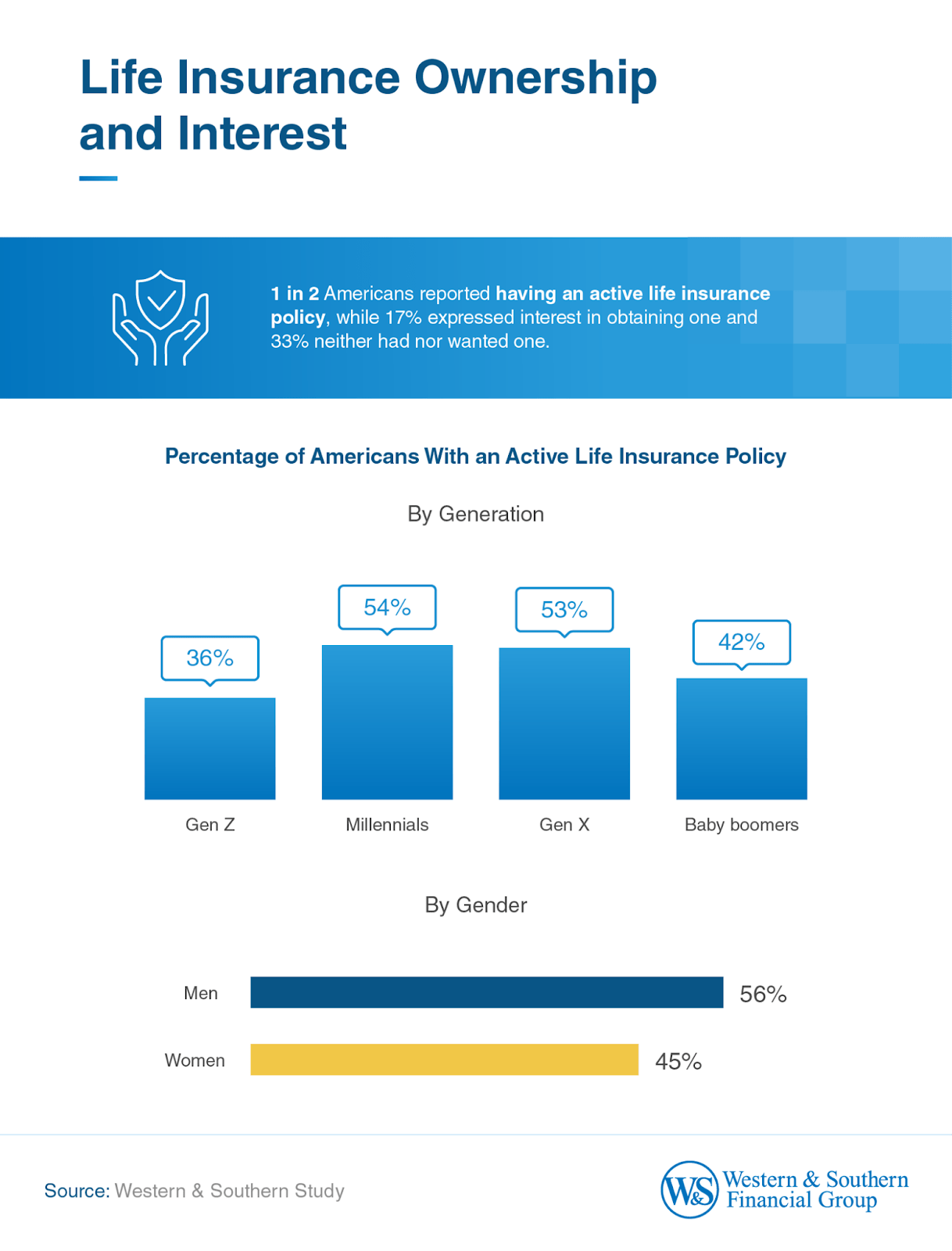
The "insurance gap" refers to the disparity between the amount of coverage people have and the amount they actually need to protect their families. Interestingly, data from the National Association of Insurance Commissioners (NAIC) consistently shows that African Americans are more likely to own life insurance than other demographic groups. However, the face value (the death benefit amount) of those policies is often significantly lower.
In 2026, the racial wealth gap remains a central economic issue. Life insurance is one of the most efficient tools to address this because the death benefit is generally received income tax-free under Internal Revenue Code Section 101(a). When a policyholder passes away, the payout can provide an immediate infusion of capital that can be used to:
- Pay off mortgages: Ensuring the family home remains an asset rather than a liability.
- Fund higher education: Breaking the cycle of student loan debt for the next generation.
- Seed business ventures: Providing the startup capital that Black entrepreneurs often struggle to access through traditional lending.
- Estate taxes: Covering costs associated with settling a complex estate without liquidating other assets.
Primary Types of Life Insurance Policies
Choosing the right policy depends on your financial goals, age, and health status. In 2026, the three most common categories available to consumers include term life, whole life, and final expense insurance.
Term Life Insurance
Term life insurance provides coverage for a specific period, typically ranging from 10 to 30 years. It is often the most affordable way to secure a large death benefit.
- Why choose it: It is ideal for young families who need high coverage amounts to replace income during their working years or to cover a 30-year mortgage.
- Limitations: Once the term expires, the coverage ends. If you want to renew, the premiums will be significantly higher because of your advanced age.
Whole Life Insurance
Whole life is a form of permanent insurance that stays in effect for the policyholder's entire life, provided premiums are paid. It also includes a "cash value" component that grows over time.
- Why choose it: It offers a guaranteed death benefit and a predictable premium. The cash value can be borrowed against for emergencies or opportunities, such as a down payment on a home.
- Limitations: It is significantly more expensive than term insurance, often costing five to ten times more for the same death benefit.
Final Expense Insurance
A subset of whole life, final expense (or "burial insurance") typically offers small death benefits, usually between $5,000 and $25,000.
- Why choose it: It is designed for seniors who may have health issues and only want to ensure their funeral costs are covered. It often features "guaranteed issue," meaning no medical exam is required.
- Limitations: The cost per thousand dollars of coverage is high, and the benefit is rarely enough to provide for survivors' long-term needs.
Navigating the Underwriting Process in 2026
Underwriting is the process insurance companies use to determine your risk and set your premiums. For African Americans, specific health trends can impact this process. Chronic conditions such as hypertension, diabetes, and heart disease are statistically more prevalent in the Black community due to a combination of genetics, environmental factors, and historical inequities in healthcare access.
Medical Exams and Lab Work
Most traditional policies require a paramedical exam. The examiner will record your height, weight, blood pressure, and take blood and urine samples. In 2026, insurers are increasingly using "accelerated underwriting," which uses data algorithms to bypass exams for healthy individuals. However, if you have a managed condition like Type 2 diabetes, you may still need a full exam.
Mitigating High Premiums
If you are flagged for a health condition, you are not necessarily uninsurable. Many companies specialize in "clinical underwriting," where they look at how well you are managing your health. For example, a person with well-controlled blood pressure may still qualify for "Standard" or even "Preferred" rates. It is crucial to provide your agent with an Attending Physician’s Statement (APS) to demonstrate your commitment to health management.
Comparison of Life Insurance Options for 2026
| Policy Type | Coverage Duration | Premium Cost | Cash Value | Best For |
|---|---|---|---|---|
| Term Life | 10–30 Years | Low | No | Income replacement, Mortgages |
| Whole Life | Lifelong | High | Yes | Estate planning, Wealth transfer |
| Universal Life | Lifelong/Flexible | Moderate | Yes | Flexible premiums, Long-term growth |
| Final Expense | Lifelong | Medium | Yes | Funeral costs, Seniors |
Calculating Your Coverage Needs: The DIME Method
One of the most common mistakes is underestimating how much insurance is necessary. The "DIME" method is a straightforward way to calculate a more accurate figure:
- Debt: Total all your outstanding debts, excluding your mortgage (credit cards, car loans, personal loans).
- Income: Multiply your annual salary by the number of years your family would need support (often 10–20 years).
- Mortgage: Calculate the remaining balance on your home loan to ensure your family can stay in their house.
- Education: Estimate the future cost of tuition and board for your children or grandchildren.
By adding these four components, you arrive at a face value that protects your family's lifestyle rather than just covering their immediate grief-related expenses.
Addressing the Trust Deficit and Financial Literacy
A significant barrier to life insurance adoption is the trust deficit between the Black community and financial institutions. Misleading marketing in the past and a lack of representative agents can make the process feel predatory.
In 2026, many community organizations and professional groups, such as the National Association of Personal Financial Advisors (NAPFA), emphasize working with "fiduciary" advisors—professionals legally obligated to act in the client's best interest. Additionally, seeking out African American insurance professionals can help bridge the cultural gap, as these agents may have a deeper understanding of the specific financial dynamics and family structures within the community.
Life Insurance as a Strategic Business Tool
For the growing number of Black business owners in 2026, life insurance serves several commercial purposes:
- Key Person Insurance: Protects the business if a vital employee or owner passes away, providing funds to find a replacement or manage the transition.
- Buy-Sell Agreements: Ensures that if a partner dies, the surviving partners have the funds to buy out the deceased partner’s share from their heirs, keeping the business stable.
- Executive Benefits: Life insurance can be used as a tax-advantaged way to recruit and retain top talent in a competitive market.
Frequently Asked Questions
Why do African Americans have higher rates of life insurance ownership but lower death benefits?
This disparity often stems from a historical focus on final expense or "burial" policies. While many individuals have coverage, the policies are frequently valued at $10,000 to $25,000, which covers a funeral but does not provide for the long-term financial security of survivors. Shifting to term or larger whole life policies is necessary to address this gap.
Can I get life insurance if I have a pre-existing condition like high blood pressure?
Yes. Many insurers offer coverage to individuals with chronic conditions. The key is demonstrating that the condition is managed through regular medical care and medication. In 2026, insurance companies use more nuanced data that distinguishes between "uncontrolled" and "well-managed" health risks.
What is the difference between an individual policy and employer-provided insurance?
Employer-provided (group) life insurance is a great benefit, but it is often insufficient. It usually only covers 1–2 times your annual salary and, most importantly, it typically ends if you leave your job. Owning an individual policy ensures you are protected regardless of your employment status.
Are life insurance payouts taxable for my beneficiaries?
In almost all cases, death benefits paid to beneficiaries are not subject to federal income tax. However, if the proceeds are paid into a very large estate, they may be subject to federal or state estate taxes. Consulting with a tax professional is recommended for estates exceeding several million dollars.
Is whole life insurance a better investment than the stock market?
"Better" depends on your goals. Whole life insurance offers a guaranteed return and tax-sheltered growth, which provides stability. However, the stock market generally offers higher potential long-term returns. Many financial planners suggest using life insurance as a conservative "bond-like" component of a broader portfolio rather than a replacement for equity investments.
Practical Recommendations for Moving Forward
To secure your family’s future in 2026, begin by conducting a thorough audit of your current coverage. Determine if your existing policies were purchased merely to cover "final expenses" or if they are large enough to replace your income and clear your family’s debts. If a gap exists, consider adding a term life policy; it is often the most cost-effective way to add several hundred thousand dollars of coverage during your peak earning years.
Secondly, vet your insurance provider. Look for companies with high financial strength ratings from agencies like A.M. Best or Moody’s. A policy is only as good as the company's ability to pay the claim decades from now. Finally, involve your family in the conversation. Ensure your beneficiaries know where the policy documents are kept and understand the intended purpose of the funds, whether it be paying off the family home or funding a college education. Life insurance is more than a contract; it is a profound act of love and a strategic step toward collective economic empowerment.