Finding affordable Chapter 13 bankruptcy options requires understanding how attorney fees, court costs, and repayment plans work under federal guidelines, allowing debtors to reorganize their debts through a court-approved 3-to-5-year budget without paying excessive upfront legal expenses.
When individuals or families face insurmountable debt, wage garnishments, foreclosure notices, or persistent creditor harassment, federal bankruptcy protection often provides a viable path toward financial stabilization. Among the options available under the United States Bankruptcy Code, Chapter 13 bankruptcy stands out as a mechanism for debtors with regular income to restructure their obligations rather than liquidate their assets. However, the perceived expense of legal representation often deters individuals from pursuing this relief. Securing affordable Chapter 13 bankruptcy involves understanding the structural components of the process, identifying how legal fees are regulated, and recognizing strategies to manage costs without sacrificing the quality of legal counsel.
Navigating this legal landscape requires a realistic evaluation of personal finances, court-mandated fees, and the specific mechanics of Chapter 13 repayment plans. Because bankruptcy is governed by federal law—specifically Title 11 of the United States Code—and administered through local bankruptcy courts, costs can vary based on geographic location, the complexity of the financial situation, and the pricing structure of the chosen attorney. To make Chapter 13 accessible and manageable, debtors must examine every phase of the process, from initial filing requirements to the final discharge of debt.
Understanding Chapter 13 Bankruptcy and Its Purpose
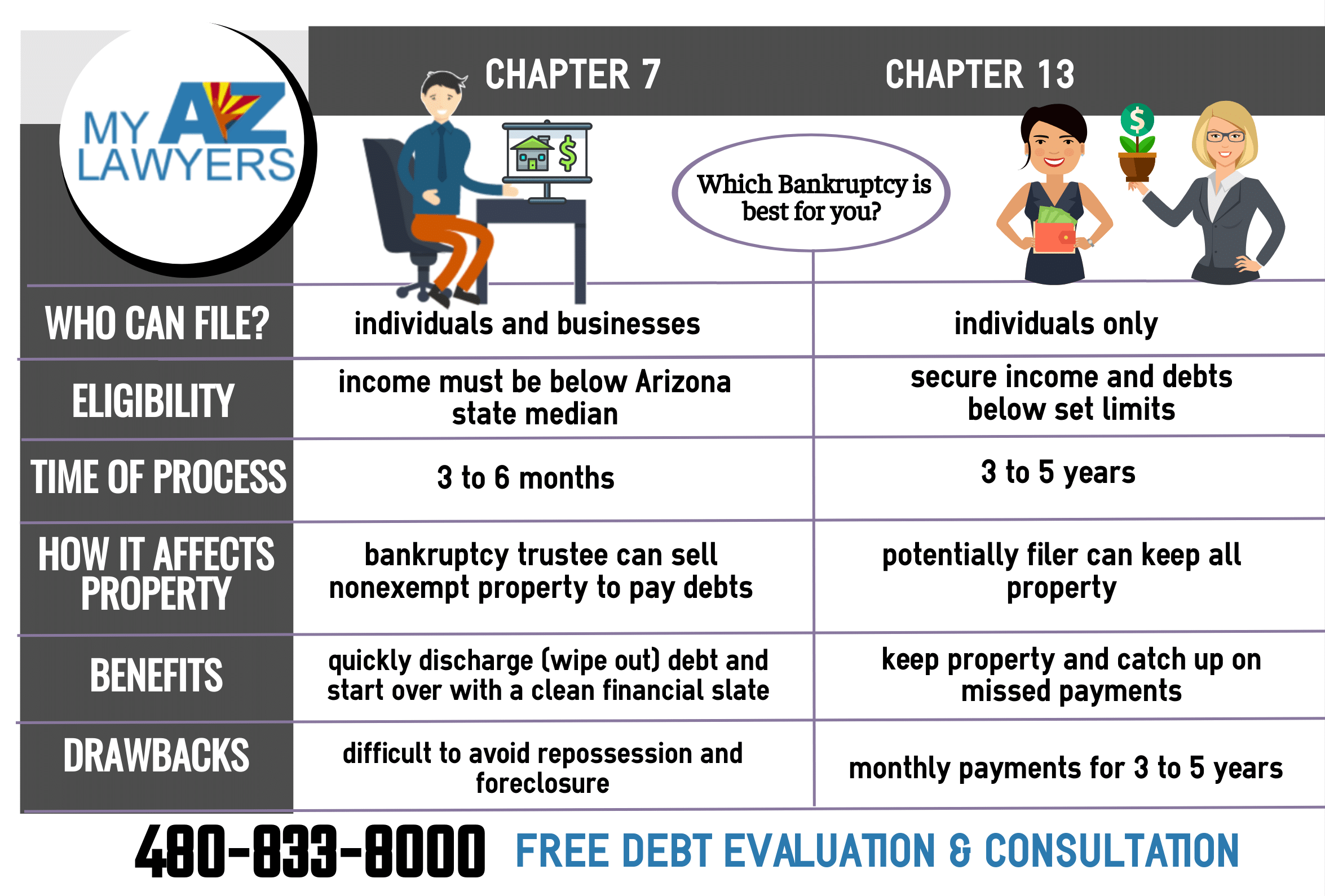
Chapter 13 bankruptcy is formally known as a wage earner's plan. It enables individuals with steady income to develop a repayment plan to make installments to creditors over three to five years. If the debtor's current monthly income is less than the applicable state median, the plan typically lasts for three years, unless the court approves a longer period for cause. If the income is greater than the state median, the plan generally must be five years.
The primary advantage of Chapter 13 over Chapter 7 liquidation is that it allows debtors to keep valuable property, such as a primary residence or a vehicle, by catching up on missed mortgage or car payments through the court-supervised plan. Upon successful completion of all payments under the plan, the debtor receives a discharge of remaining dischargeable debts.
However, unlike Chapter 7, which concludes in a matter of months, Chapter 13 requires long-term financial discipline. Debtors must commit a portion of their disposable income to a court-appointed bankruptcy trustee, who then distributes the funds to creditors according to the confirmed plan. Because the process spans several years, the total cost of filing involves more than just the initial court filing fee; it includes ongoing administrative costs and attorney compensation.
The Cost Structure of Chapter 13 Bankruptcy
Evaluating the true cost of Chapter 13 bankruptcy requires breaking down the expenses into two primary categories: mandatory court filing fees and legal representation fees. Unlike Chapter 7, where attorneys frequently require their entire fee upfront before filing the petition, Chapter 13 fee structures are uniquely designed to be more affordable at the outset.
Court Filing Fees
Every bankruptcy petition filed under Chapter 13 incurs standard administrative costs mandated by the federal judiciary. As established by the United States Courts fee schedule, the Chapter 13 filing fee consists of a base filing fee combined with administrative and trustee surcharges.
- Filing Fee: The standard filing fee for a Chapter 13 case is set at $310 (comprising a $235 case filing fee, a $78 administrative fee, and a $15 trustee surcharge, though precise administrative fee components are periodically adjusted by the Judicial Conference of the United States).
- Fee Waivers and Installments: Unlike Chapter 7 petitioners, Chapter 13 filers are generally not eligible to have the court filing fee completely waived under 28 U.S.C. § 1930, because the court assumes that anyone with sufficient disposable income to fund a 3-to-5-year repayment plan can pay the filing fee. However, bankruptcy courts frequently permit debtors to pay the filing fee in up to four installments over the course of the case, reducing the immediate financial burden at the time of filing.
Attorney Fees and the "No-Look" Fee
Legal representation in Chapter 13 is distinct because attorneys often utilize what is known as a "no-look" fee (or presumptive fee) established or approved by the local bankruptcy court or district.
- How No-Look Fees Work: The local bankruptcy court establishes a standard flat fee for Chapter 13 cases that are deemed standard or routine. If an attorney charges this flat fee or less, and performs a comprehensive list of required services, the court typically approves the fee without requiring an exhaustive itemized fee application.
- Bifurcated or Low-Upfront Fees: To make Chapter 13 truly affordable for clients who lack cash on hand, many bankruptcy attorneys use a bifurcated fee agreement. Under this arrangement, a minimal fee (often just covering the filing fee and a small retainer) is paid upfront to prepare and file the skeletal petition, while the remaining balance of the legal fee is rolled into the Chapter 13 repayment plan and paid out over time by the trustee.
| Fee Component | Estimated Cost / Range | Payment Timing | Description |
|---|---|---|---|
| Court Filing Fee | $310 | At filing or via installments | Mandated federal fee for opening the bankruptcy case. |
| Attorney Flat Fee | $3,500 – $5,500+ | Upfront retainer + paid through plan | Standard legal fee for representation throughout the life of the plan. |
| Credit Counseling Courses | $10 – $50 per course | Prior to filing and before discharge | Required pre-filing briefing and post-filing debtor education. |
| Credit Report Pulls | $30 – $100 | Prior to filing | Essential for compiling an accurate list of creditors. |
Eligibility and Prerequisites for Affordable Filing
Before initiating a Chapter 13 case, debtors must meet specific statutory eligibility requirements set forth in the Bankruptcy Code. Failing to meet these prerequisites can result in case dismissal, wasting both time and financial resources.
Debt Limits
The Bankruptcy Code imposes strict unsecured and secured debt limits on Chapter 13 eligibility. Historically, these limits were lower, but temporary and permanent legislative adjustments under laws like the Bankruptcy Threshold Adjustment and Technical Corrections Act (BSTAT) have standardized these thresholds. Debtors must ensure their aggregate, non-contingent, liquidated secured and unsecured debts fall within current statutory limits to qualify for Chapter 13 relief without needing to file under Chapter 11.
Income and the Means Test
While Chapter 13 does not disqualify high-income earners (unlike Chapter 7, where the means test restricts access for those above the state median income), a debtor's income dictates the length of the repayment plan.
- Below Median Income: Debtors whose current monthly income falls below the state median for a household of their size generally qualify for a mandatory 3-year repayment plan.
- Above Median Income: Debtors earning above the state median must commit to a 5-year repayment plan. Their disposable income, calculated using IRS standards for allowable living expenses, dictates how much they must pay unsecured creditors.
Mandatory Credit Counseling
Federal law mandates that individuals file for bankruptcy only after receiving credit counseling from an approved agency. This counseling must occur within the 180-day period preceding the bankruptcy filing. Additionally, before receiving a final discharge of debts, debtors must complete an instructional course concerning personal financial management. Utilizing low-cost or online-approved counseling agencies keeps these prerequisite expenses to a minimum.
Step-by-Step Process to File Chapter 13 Cost-Effectively
Executing an affordable Chapter 13 bankruptcy requires a structured approach to preparation, filing, and plan confirmation. Missteps during this process can lead to costly delays, objections from the trustee, or case dismissal.
- Gather Financial Documentation: Collect tax returns from the past two to four years, recent pay stubs covering the last six months, bank statements, and a comprehensive inventory of all debts, assets, monthly living expenses, and executory contracts.
- Complete Pre-Filing Credit Counseling: Enroll in an approved non-profit credit counseling agency to complete the mandatory briefing session and obtain the required certificate.
- Select and Retain Legal Counsel: Interview bankruptcy attorneys who offer flexible payment structures, such as bifurcated fee agreements or installment plans that roll legal fees into the Chapter 13 plan.
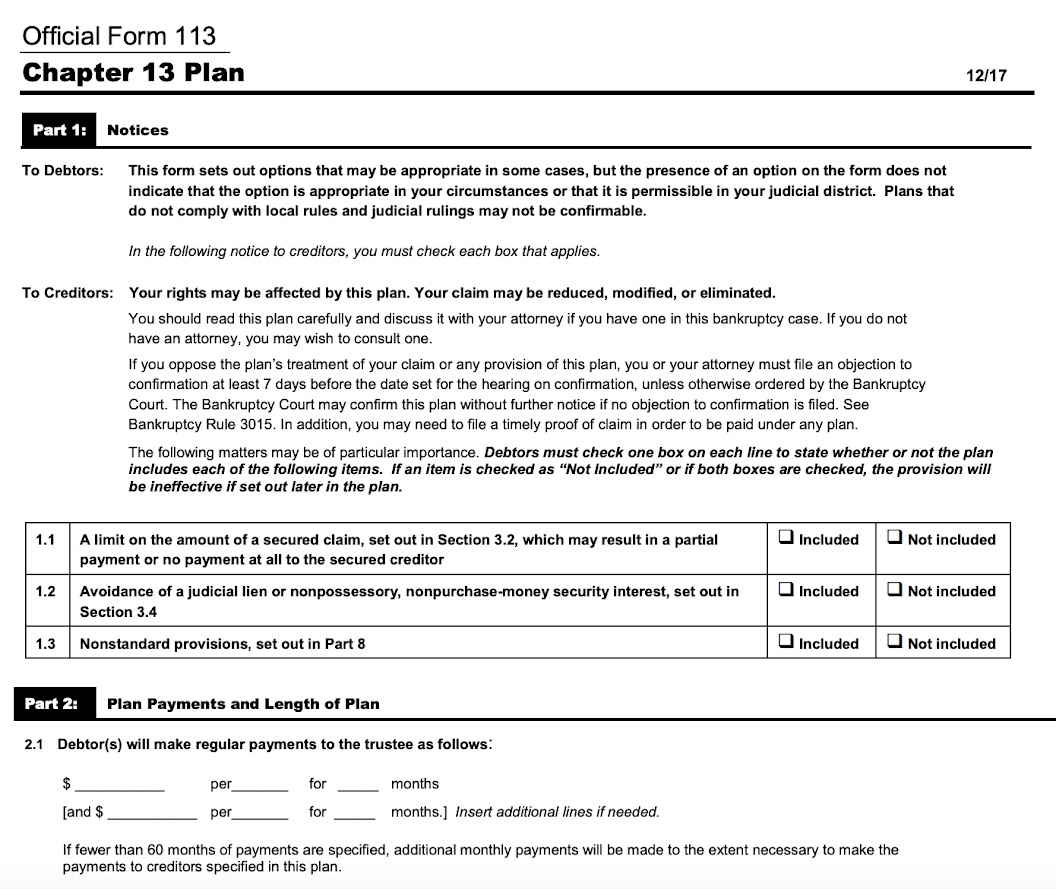
- Draft and File the Petition and Plan: Work with the attorney to complete official bankruptcy forms, schedules, and the proposed Chapter 13 repayment plan. File the petition with the local federal bankruptcy court and pay or schedule the filing fee installments.
- Attend the Meeting of Creditors (341 Meeting): Approximately 20 to 40 days after filing, attend the meeting conducted by the bankruptcy trustee to answer questions under oath regarding financial affairs and the proposed plan.
- Confirm the Plan and Make Monthly Payments: Attend the confirmation hearing where the bankruptcy judge approves the repayment plan. Begin making regular monthly payments to the Chapter 13 trustee, who distributes funds to secured, priority, and unsecured creditors.
Strategies for Managing and Minimizing Bankruptcy Expenses
Pursuing bankruptcy when finances are already strained requires deliberate cost-control strategies. Debtors can utilize several approaches to ensure the process remains manageable and financially viable.
Selecting the Right Legal Representation
While DIY bankruptcy (pro se filing) is technically permissible under federal law, it is exceptionally difficult and statistically unsuccessful in Chapter 13 cases due to the complex mathematical calculations and legal requirements of drafting a confirmable repayment plan. Errors can lead to persistent motions to dismiss by the trustee. Instead of attempting to cut attorney costs entirely, focus on finding practitioners who offer transparent flat-fee arrangements and flexible payment plans that do not demand thousands of dollars in cash before filing.
Avoiding Unnecessary Administrative Fees
Debtors can minimize ancillary expenses by gathering their own documentation efficiently. Obtaining free copies of credit reports from authorized annual reporting bureaus, compiling organized bank statements, and downloading tax transcripts directly from the Internal Revenue Service prevents attorneys or third-party services from billing hourly rates for administrative document retrieval.
Maintaining Plan Compliance
The most expensive outcome in Chapter 13 is case dismissal due to missed trustee payments or failure to submit required annual tax documents. If a case is dismissed, the automatic stay protecting the debtor from creditors dissolves immediately, collection actions resume, and filing fees and legal retainers paid up to that point are generally non-refundable. Remaining compliant with the confirmed repayment plan protects the initial investment and prevents the need to refile.
Common Mistakes to Avoid in Chapter 13 Cases
Filing for bankruptcy protection involves navigating strict procedural rules. Avoiding frequent missteps ensures a smoother judicial process and prevents unexpected financial penalties.
- Omitting Creditors: Failing to list a creditor on the bankruptcy schedules can result in that specific debt not being discharged, exposing the debtor to post-bankruptcy collection efforts.
- Incurring New Debt Without Permission: Taking on new credit, purchasing a vehicle, or opening lines of credit while a Chapter 13 case is active requires court or trustee approval. Unauthorized debt acquisition can jeopardize plan confirmation.
- Miscalculating Disposable Income: Underreporting income or overstating luxury expenses on Schedule J will prompt objections from the Chapter 13 trustee, forcing a costly redesign of the repayment plan.
- Missing Trustee Deadlines: Failing to submit required documents—such as post-petition tax returns or proof of insurance on collateral—gives the trustee grounds to move for case dismissal.
Frequently Asked Questions
Can I file for Chapter 13 bankruptcy without a lawyer?
While pro se (self-represented) filing is legally permitted, it is strongly discouraged for Chapter 13 cases. The legal requirements for drafting a confirmable repayment plan, calculating disposable income, and responding to trustee objections require specialized knowledge of federal bankruptcy law and local court rules. Most pro se Chapter 13 cases face dismissal due to technical errors.
How are attorney fees paid if I don't have cash upfront?
Many bankruptcy attorneys utilize bifurcated fee agreements or plan-funded fee structures. In these arrangements, a small initial fee is paid to file the foundational petition, and the remainder of the approved legal fee is incorporated directly into the Chapter 13 repayment plan, meaning it is paid gradually out of the monthly installments sent to the trustee.
What happens if I cannot make my Chapter 13 monthly payment?
If financial circumstances change due to job loss, medical emergencies, or reduced income, debtors can request a plan modification, seek a temporary suspension of payments (moratorium) with court approval, or convert the case to a Chapter 7 liquidation if they qualify under the means test at that time.
Will Chapter 13 stop foreclosure on my home immediately?
Yes. Filing a Chapter 13 petition triggers an automatic stay under 11 U.S.C. § 362, which legally halts foreclosure proceedings, wage garnishments, lawsuits, and creditor collection calls immediately. The Chapter 13 plan then allows the debtor to cure mortgage arrears over time while making regular ongoing mortgage payments.
How long does a Chapter 13 bankruptcy stay on my credit report?
A Chapter 13 bankruptcy notation remains on credit reports for up to seven years from the filing date, which is shorter than the ten-year reporting period associated with Chapter 7 liquidation. Many individuals begin rebuilding credit scores during the active repayment plan by maintaining timely payments and managing post-petition credit responsibly.
Next Actions and Professional Recommendations
For individuals considering Chapter 13 bankruptcy, the most effective next step is to schedule a consultation with a qualified, licensed bankruptcy attorney in their specific federal judicial district. Because bankruptcy laws and local court customs vary significantly by jurisdiction, localized legal advice is indispensable. Debtors should prepare for their initial consultation by compiling detailed records of all income, assets, monthly household expenses, and a complete list of creditors. By selecting a practitioner experienced in flexible fee structures and committing to long-term financial compliance, debtors can navigate Chapter 13 cost-effectively and achieve long-term financial rehabilitation.