Low-income drivers in Michigan can secure affordable auto insurance by selecting lower Personal Injury Protection (PIP) medical coverage tiers—such as the $50,000 PIP limit available to Medicaid beneficiaries—lowering Bodily Injury liability limits to the statutory minimum ($50,000/$100,000), and comparing rates across state-licensed insurers that adhere to Michigan’s strict prohibitions on non-driving rating factors.
Understanding Michigan’s Auto Insurance System and Low-Income Coverage
Navigating auto insurance in Michigan requires understanding the state’s unique No-Fault auto insurance system. Prior to major reform legislation, Michigan required all drivers to purchase unlimited Personal Injury Protection (PIP) medical coverage. While this ensured comprehensive medical care after an accident regardless of fault, it gave Michigan some of the highest average auto insurance premiums in the United States, placing an extraordinary financial burden on low- and moderate-income households.
The passage of Public Act 21 of 2019 fundamentally transformed Michigan’s auto insurance market by introducing choice into PIP medical coverage levels and establishing consumer protections aimed at lowering costs. Under the supervision of the Michigan Department of Insurance and Financial Services (DIFS), drivers can now customize their coverage levels to align with their household budgets and existing health coverage.
For low-income drivers, this regulatory shift opens up key opportunities to significantly reduce annual policy costs. Understanding how coverage components interact—and how state regulations protect policyholders—is essential to obtaining meaningful protection without overpaying.
Personal Injury Protection (PIP) Tiers and Low-Income Savings
Personal Injury Protection pays for medical care, recovery expenses, and lost wages if you are injured in a motor vehicle accident, regardless of who caused the collision. Under Michigan law, PIP medical coverage is separated into distinct coverage tiers, allowing drivers to choose the amount of medical protection that fits their financial situation.
- Unlimited Coverage (Highest Premium / Full MCCA Assessment)
- $500,000 Cap
- $250,000 Cap
- $50,000 Cap (Medicaid Beneficiaries Only)
- 100% PIP Opt-Out (Medicare Parts A & B / Qualified Health)
The $50,000 PIP Tier for Medicaid Beneficiaries
The $50,000 PIP option is designed specifically to assist low-income residents enrolled in Medicaid. Qualifying for this tier can drastically lower the PIP portion of your auto insurance premium.
To select the $50,000 PIP medical option, the policyholder must satisfy specific eligibility criteria:
- The applicant or named insured must be actively enrolled in Medicaid.
- The applicant’s spouse and any resident relatives living in the household must either be enrolled in Medicaid, covered under another health insurance policy that qualifies as Qualified Health Coverage (QHC), or covered under another auto insurance policy with PIP medical coverage.
A Qualified Health Coverage policy is defined under Michigan law as health coverage that does not exclude or limit coverage for auto accident injuries and has an annual deductible of $6,000 or less per individual. When applying for this tier, insurers require proof of Medicaid enrollment (such as a copy of your state health card or benefit verification letter).
Medicare Opt-Outs and Exclusions
For low-income seniors or disabled individuals enrolled in Medicare (Parts A and B), Michigan law permits a complete opt-out of PIP medical coverage. To exercise this opt-out:
- The applicant must provide proof of enrollment in Medicare Parts A and B.
- Any spouse or resident relative in the household must have QHC or another auto policy with PIP medical coverage.
By completely opting out of PIP medical coverage, eligible policyholders reduce their PIP medical premium to zero, providing substantial relief on monthly insurance bills.
The Role of the MCCA Assessment Fee
Another directly related cost factor is the assessment fee levied by the Michigan Catastrophic Claims Association (MCCA). The MCCA is a non-profit association created by the state legislature to reimburse auto insurers for medical claims exceeding specific statutory thresholds under unlimited PIP policies.
Drivers who choose Unlimited PIP medical coverage must pay the full annual MCCA assessment fee per vehicle. However, drivers who select capped PIP options ($500,000, $250,000, or $50,000) or choose the complete Medicare opt-out do not pay the MCCA catastrophic assessment fee. Eliminating this fee provides immediate savings per insured vehicle each year.
Essential Minimum Liability Coverage Requirements
While PIP covers your own medical care, liability insurance protects you financially if you are found legally responsible for an accident that causes injury, death, or property damage to someone else.
| Requirement Type | Limits |
|---|---|
| Default State Requirement | $250,000 / $500,000 / $10,000 |
| Minimum Opt-Down Limit | $50,000 / $100,000 / $10,000 |
| Property Protection (PPI) | $1,000,000 (Mandatory In-State) |
Bodily Injury and Property Damage (BI/PD)
Michigan law mandates default Bodily Injury Liability limits of $250,000 per person injured in an accident and $500,000 per accident total ($250k/$500k). However, state law allows drivers to sign an official waiver selecting lower limits.
The minimum allowable opt-down limits in Michigan are:
- $50,000 for bodily injury to or death of one person in an accident.
- $100,000 for bodily injury to or death of two or more people in an accident.
- $10,000 for property damage in another state (Property Damage Liability).
For low-income drivers seeking the absolute lowest legal premium, opting down to the $50,000/$100,000 liability limits reduces the base rate of the policy. However, drivers should weigh this decision carefully: if an accident causes severe injuries that exceed $50,000, the driver could be personally sued for the remaining balance.
Property Protection Insurance (PPI)
In addition to Bodily Injury, Michigan auto policies must include Property Protection Insurance (PPI). PPI pays up to $1 million for damage your vehicle causes to non-driven property within Michigan, such as parked cars, buildings, fences, and utility poles. PPI is mandatory, but because it covers stationary property within the state, it forms a fixed, standard component of basic policies.
Mini-Tort Limits
Under Michigan’s mini-tort provision, if you are at fault in an accident, the other driver can sue you for up to $3,000 to cover their out-of-pocket deductible or uncompensated vehicle repairs. Many insurance companies offer an optional mini-tort coverage endorsement (often called Limited Property Damage liability) for a low annual fee. Drivers working within tight budgets must decide whether to pay a nominal fee for this endorsement or risk paying out-of-pocket up to $3,000 if found at fault in a minor crash.
Consumer Protections and Restricted Rating Factors
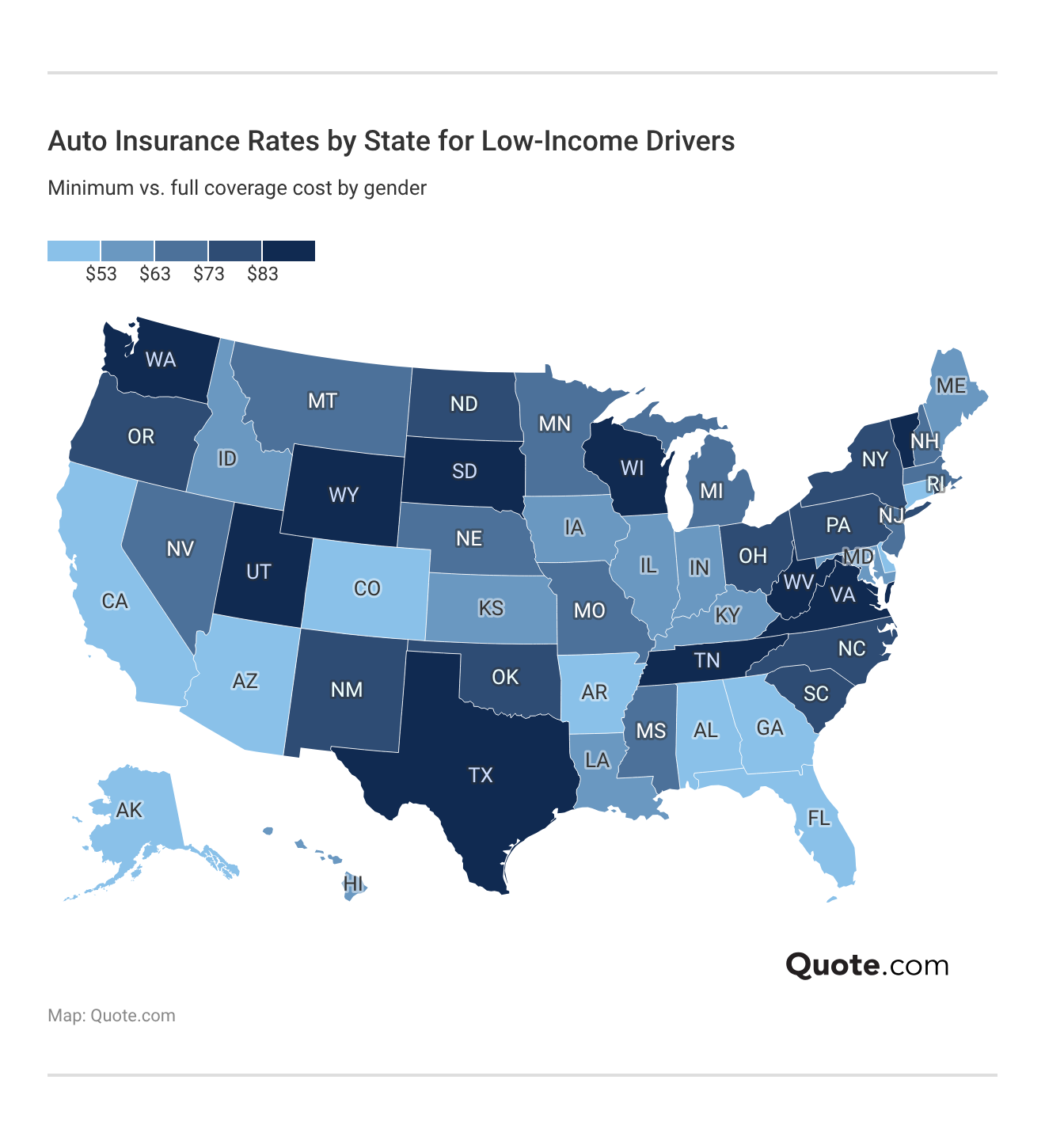
Prior to state reform, auto insurers frequently used non-driving personal metrics to calculate rates, which disproportionately raised premiums for lower-income individuals and families residing in specific neighborhoods. Michigan law restricts these practices to ensure fairer pricing models.
- Credit Scores (Direct use as a rating factor)
- Gender
- Marital Status
- Homeownership Status
- Educational Attainment Level
- Postal ZIP Code (As sole territorial rating metric)
Prohibited Non-Driving Factors
Under Section 2111 of the Michigan Insurance Code, insurance companies operating in Michigan are strictly prohibited from using the following factors when determining auto insurance premiums:
- Sex/Gender
- Marital Status
- Homeownership Status
- Educational Attainment
- Occupation or Employment Status
- Credit Score (Insurers cannot use credit scores directly to set insurance rates or deny coverage)
- ZIP Code (Insurers cannot use postal ZIP codes as arbitrary rating territories; territorial risk must be based on verified, sound actuarial data filed with DIFS)
What Factors Insurers Can Still Use
While non-driving personal attributes are restricted, insurers in Michigan base rates on verifiable driving and vehicle risks, including:
- Driving record (moving violations, at-fault accidents, suspensions).
- Annual mileage driven.
- Years of driving experience.
- Vehicle make, model, year, and safety characteristics.
- Territorial rating regions established through approved actuarial filings.
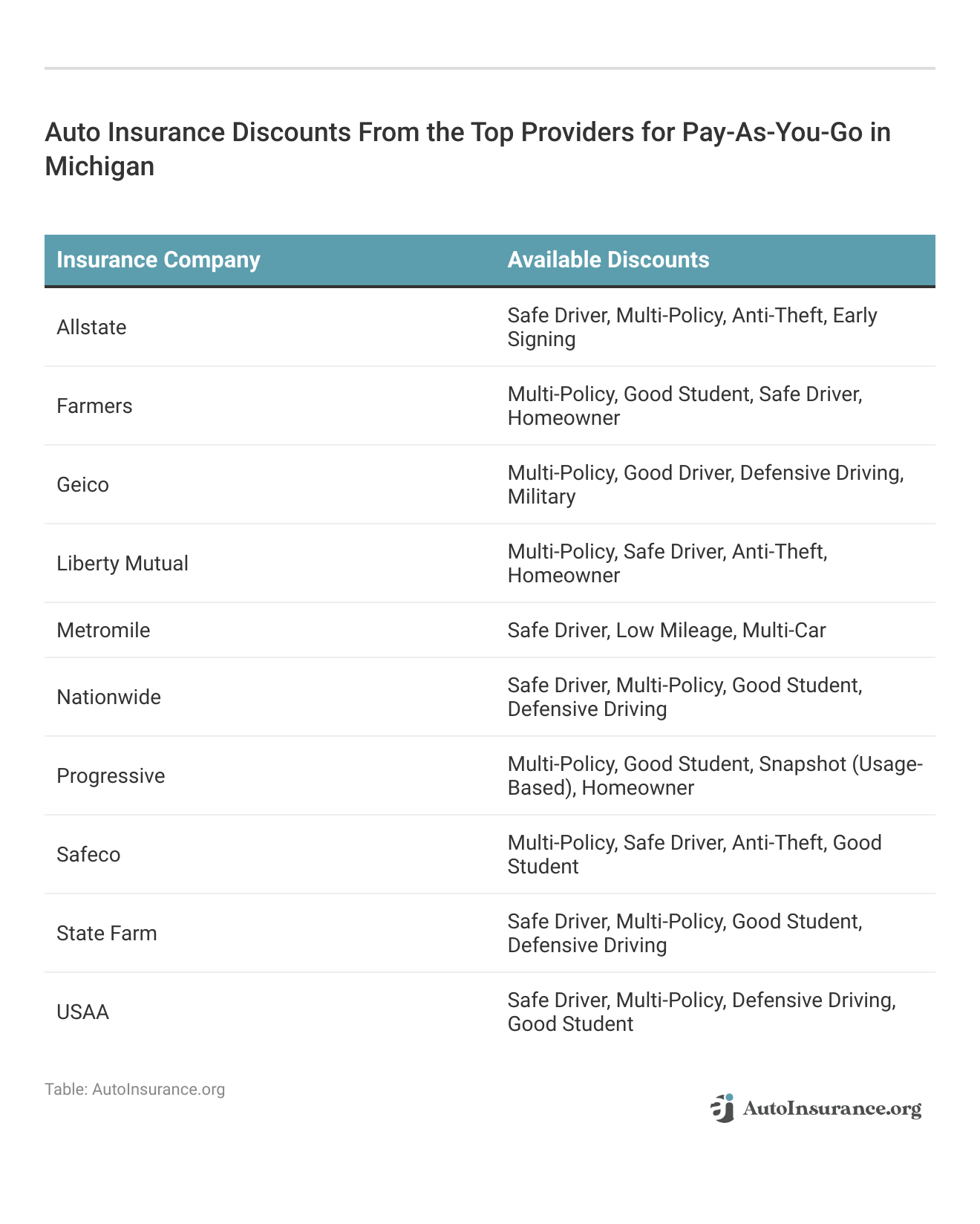
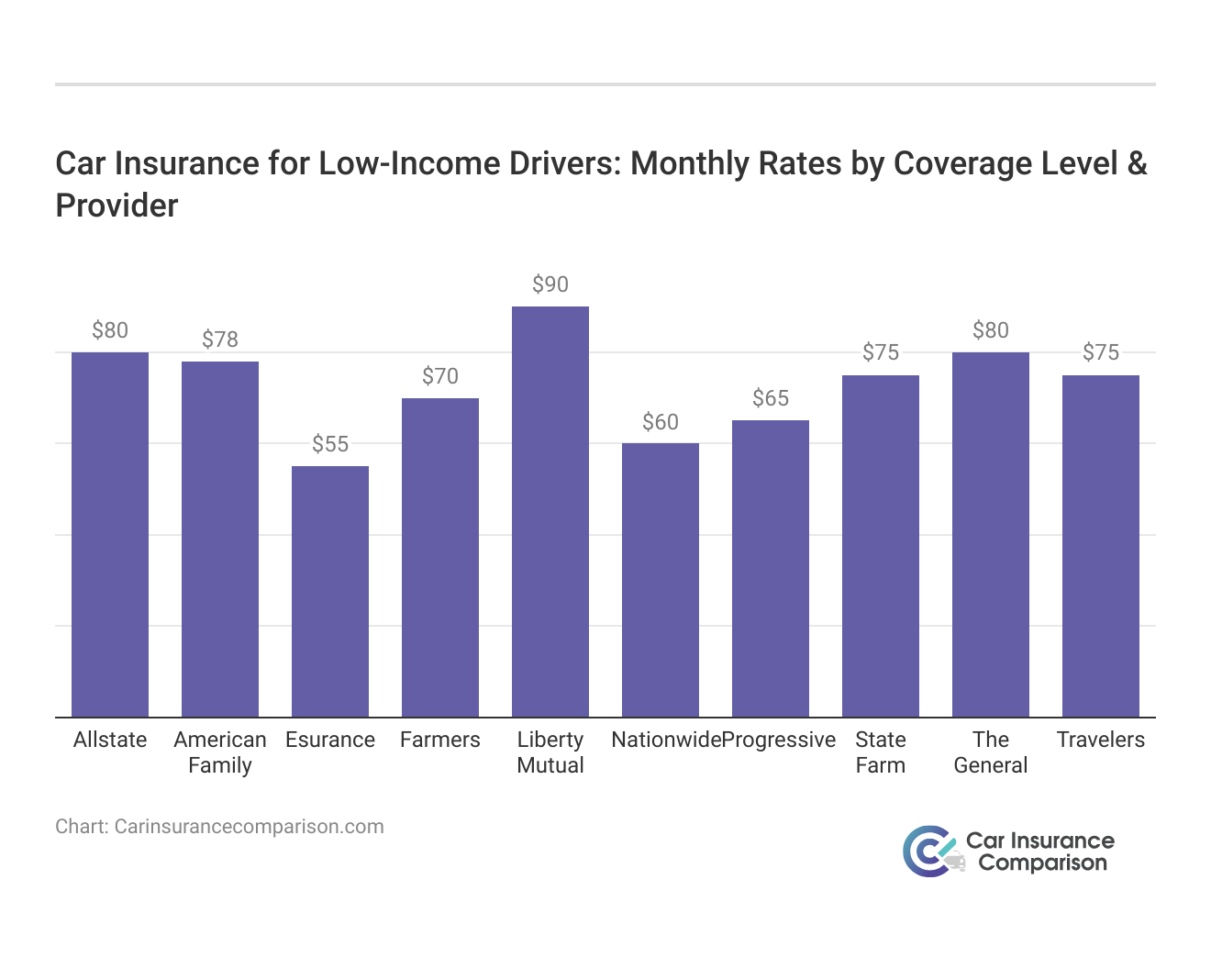
Because rating algorithms vary between insurance companies, shopping around and obtaining quotes from multiple licensed carriers is the most effective way for low-income drivers to capitalize on these legal protections.
Strategic Ways to Lower Insurance Costs
Beyond adjusting PIP and liability limits, low-income drivers can implement concrete strategies to drive down monthly policy costs.
Managing Physical Damage Coverage (Collision and Comprehensive)
If you own an older vehicle that is fully paid off (no auto loan or lease lienholders), physical damage coverages—collision and comprehensive—represent a large portion of your premium.
- Collision Coverage: Pays to repair your car if it is damaged in a crash with another vehicle or object. Michigan offers three types of collision coverage:
- Broad Form Collision: Deductible is waived if you are not substantially at fault.
- Standard Collision: Deductible applies regardless of who caused the accident.
- Limited Collision: Covers damage only if you are not substantially at fault.
- Comprehensive Coverage: Pays for damage caused by theft, vandalism, animal strikes, or weather events.
Decision Threshold: If the annual cost of comprehensive and collision coverage exceeds 10% to 15% of your vehicle's actual cash value (ACV), dropping physical damage coverage and maintaining only state-mandated liability and PIP coverage can save hundreds of dollars annually.
Avoiding Coverage Lapses
In Michigan, a lapse in auto insurance coverage—even for a few days—can result in severe penalties from insurers. Insurance companies classify drivers with recent coverage gaps as high-risk, leading to significantly higher rates when purchasing a new policy.
To avoid lapse penalties:
- Set up electronic payment reminders or automated monthly withdrawals.
- If changing insurers, ensure the effective date of the new policy overlaps with or begins immediately upon the cancellation date of the previous policy.
- If you temporarily sell or stop operating your vehicle, speak with an agent about proper surrender procedures for your license plate to prevent being flagged by the Michigan Secretary of State for operating without insurance.
Telematics and Usage-Based Insurance (UBI)
Many auto insurers in Michigan offer telematics programs that monitor driving behaviors through a mobile app or plug-in OBD-II device. These programs track metrics such as smooth braking, daytime driving, mileage, and legal speeds.
For low-income drivers who drive infrequently or maintain safe driving habits, participating in a telematics program can provide an immediate sign-up discount (typically 5% to 10%) and potential renewal discounts of up to 25% or 30%.
Auto Insurance Options and Cost Factors Compared
The following table breaks down the main policy configurations available in Michigan, highlighting eligibility requirements, mandatory conditions, and general premium impacts for cost-conscious drivers.
| Coverage Level / PIP Option | Healthcare Prerequisites | MCCA Assessment Obligation | Target Driver Segment | Relative Premium Impact |
|---|---|---|---|---|
| Medicaid $50,000 PIP Tier | Active Medicaid enrollment for insured; household must have Medicaid, QHC, or auto PIP | Exempt from MCCA PIP Assessment | Low-income individuals & families on Medicaid | Lowest Cost (Significantly reduced PIP & zero MCCA fee) |
| Medicare Opt-Out (0 PIP) | Enrolled in Medicare Parts A & B; household must have QHC or auto PIP | Exempt from MCCA PIP Assessment | Low-income seniors or disabled individuals on Medicare | Maximum Savings (Zero PIP premium & zero MCCA fee) |
| $250,000 / $500,000 PIP Tier | None required | Exempt from MCCA PIP Assessment | Budget-conscious drivers not on Medicaid/Medicare | Moderate Cost (Reduced PIP premium & zero MCCA fee) |
| Unlimited PIP Tier | None required | Full MCCA Assessment Fee applies | Drivers seeking maximum catastrophic injury protection | Highest Cost (Full PIP rate + full annual MCCA fee) |
| State Minimum BI ($50k/$100k) | Valid signed selection waiver form | N/A (Applies to Bodily Injury Liability) | Drivers seeking lowest legal liability baseline | Base Reduction (Lowers Bodily Injury premium tier) |
| Default BI ($250k/$500k) | Standard default level | N/A (Applies to Bodily Injury Liability) | Drivers seeking higher financial asset protection | Standard Baseline (Higher liability baseline) |
Step-by-Step Application Guide for Budget-Friendly Coverage
To secure the lowest legal auto insurance rate in Michigan, follow this step-by-step process:
- Step 1: Document Healthcare Status (Medicaid / Medicare Cards)
- Step 2: Evaluate Vehicle Cash Value vs. Collision Costs
- Step 3: Request Quotes Using Minimum Statutory Thresholds
- Step 4: Execute Official DIFS PIP and BI Selection Waivers
- Step 5: Verify Licensing Status via DIFS Portal
Step 1: Gather Proof of Healthcare Coverage
If you intend to select the $50,000 Medicaid PIP tier or the Medicare opt-out, compile proof of enrollment before requesting quotes.
- Obtain a clear copy of your Medicaid card or benefit confirmation letter from the Michigan Department of Health and Human Services (MDHHS).
- Verify that all resident family members have qualifying coverage (Medicaid, QHC with a deductible under $6,000, or Medicare Parts A & B).
Step 2: Determine Your Vehicle's Value
Use reputable vehicle valuation tools (such as Kelley Blue Book or NADA Guides) to determine your vehicle's current market value. If the car is worth less than $3,000 to $4,000, calculate whether dropping collision and comprehensive coverages aligns with your financial emergency preparedness.
Step 3: Request Quotes with Custom Coverage Selection
Contact multiple insurance companies or work with an independent insurance agent. Request quotes based explicitly on:
- Bodily Injury Liability: $50,000 per person / $100,000 per accident.
- Property Damage: $10,000.
- PIP Option: $50,000 Medicaid tier (or Medicare Opt-Out if eligible).
- Collision/Comprehensive: Omit if vehicle value is low and owned outright.
Step 4: Complete Required DIFS Selection Forms
Michigan regulations require written selection forms when choosing non-default options. You must complete and sign:
- The Michigan PIP Choice Form: Formally selecting the $50,000 PIP option or Medicare Opt-Out.
- The Bodily Injury Liability Selection Form: Formally electing to reduce your liability limits from the default $250,000/$500,000 down to the $50,000/$100,000 minimum.
Step 5: Confirm Carrier Licensing
Before making a payment, verify that the insurance company or agency is properly licensed to conduct business in Michigan. You can check the status of any carrier or agent using the DIFS Insurance Licensee Search Tool.
Frequently Asked Questions
Can low-income drivers get Medicaid-specific auto insurance discounts in Michigan?
Michigan auto insurance laws do not offer a direct state subsidy or discount program specifically for Medicaid recipients. However, Medicaid enrollment enables drivers to select the $50,000 PIP coverage tier, which is the lowest medical coverage level available to non-Medicare drivers. Selecting this tier, along with its exemption from the annual MCCA assessment fee, substantially lowers overall policy costs compared to standard tiers.
What is the absolute lowest auto insurance coverage allowed by law in Michigan?
The minimum legal coverage required to register and drive a vehicle in Michigan includes:
- Bodily Injury Liability: $50,000 per person / $100,000 per accident (requires signed waiver).
- Property Damage Liability: $10,000 for out-of-state accidents.
- Property Protection Insurance (PPI): $1,000,000 for in-state property damage.
- PIP Medical Coverage: $50,000 cap (for Medicaid enrollees) or 0 (for Medicare Parts A & B opt-outs who qualify).
How does driving an uninsured car affect future auto insurance rates in Michigan?
Driving without insurance in Michigan is a misdemeanor punishable by fines, license suspension, and potential jail time. Insurance companies view uninsured drivers as high-risk, resulting in higher premiums when re-applying for coverage. Additionally, under Michigan No-Fault law, if you are injured while driving an uninsured vehicle that you own, you are completely barred from receiving PIP medical benefits or recovering damages from the at-fault driver.
Can insurance companies in Michigan check my credit score to set rates?
No. Under Michigan Insurance Code Section 2111, insurance carriers are prohibited from using credit scores, credit ratings, or credit history as a factor in calculating auto insurance premiums or determining policy eligibility.
Does Michigan offer a state-sponsored low-cost auto insurance program like California or New Jersey?
Michigan does not currently operate a direct state-funded low-cost auto insurance program (such as California's CLCA or New Jersey's SAIP). Low-income Michigan residents must purchase coverage through private insurers in the competitive market, utilizing statutory PIP opt-down tiers ($50,000 Medicaid option) and minimum liability limits to minimize out-of-pocket costs.
Recommended Action Plan for Low-Income Drivers
If you are looking to secure the most affordable auto insurance policy in Michigan, take the following steps today:
- Verify Healthcare Eligibility: Check your current Medicaid enrollment status or Medicare Parts A & B coverage details for all household members to confirm eligibility for the $50,000 PIP tier or Medicare opt-out.
- Review Vehicle Valuation: Determine the market value of your vehicle. If it is paid off and has modest financial value, evaluate dropping collision and comprehensive coverages.
- Gather Written Quotes: Compare rates from at least three different auto insurance carriers or consult an independent insurance broker licensed in Michigan. Request quotes utilizing the $50,000/$100,000 liability waiver and the $50,000 Medicaid PIP option.
- Complete Required Waivers: Fill out state-approved DIFS selection forms accurately to lock in lower coverage levels and avoid paying unnecessary MCCA assessment fees.
Disclaimer: Auto insurance requirements, state regulations, and health coverage eligibility criteria are subject to change. For individualized legal or financial advice regarding insurance compliance and coverage adequacy, consult a licensed Michigan insurance professional or contact the Michigan Department of Insurance and Financial Services (DIFS).