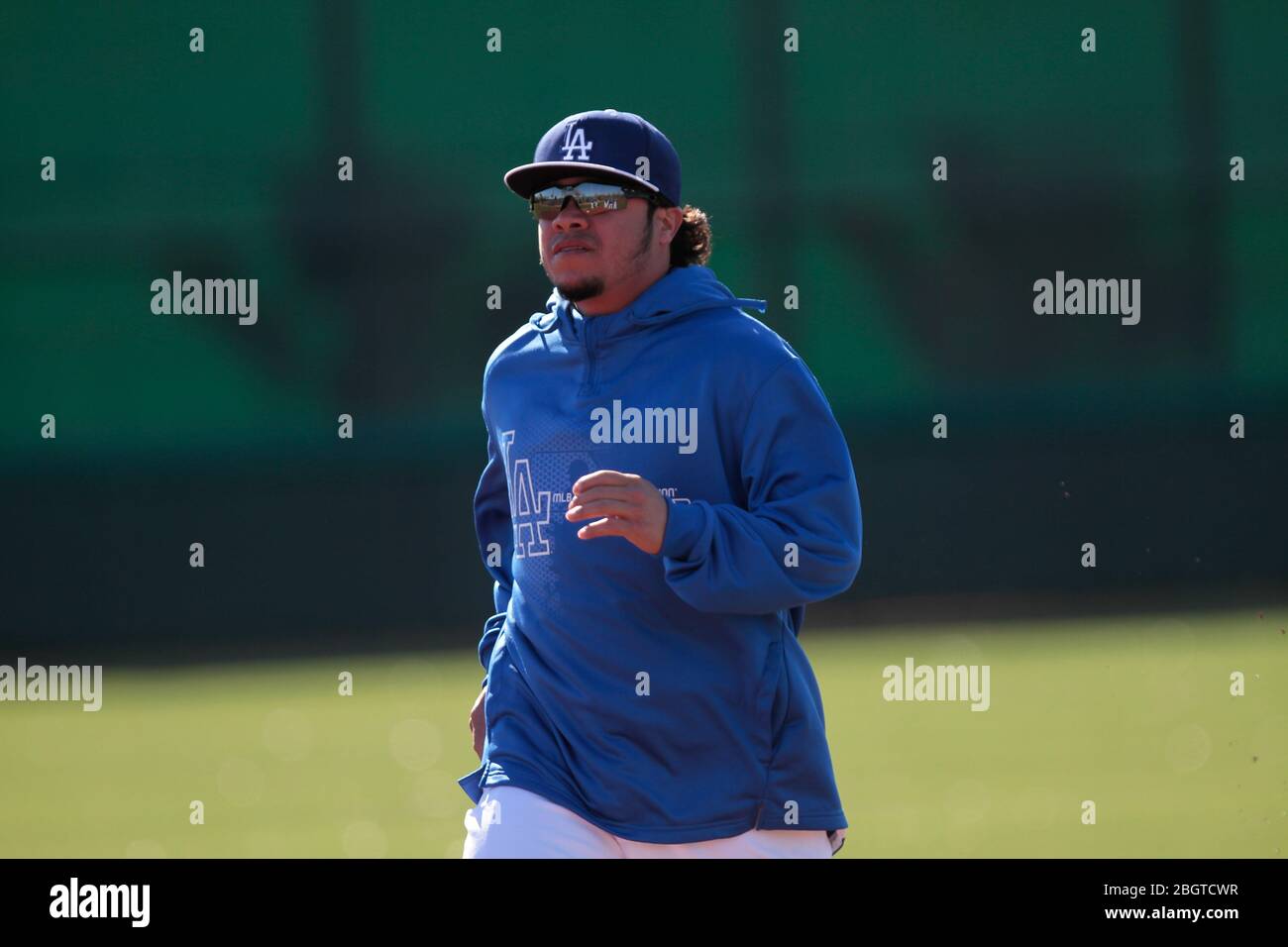
The 2012 trade that brought Adrian Gonzalez, Josh Beckett, Carl Crawford, and Nick Punto from the Boston Red Sox to the Los Angeles Dodgers remains one of the most significant transactions in Major League Baseball history. This "blockbuster" deal fundamentally altered the trajectory of two historic franchises, signaling the Dodgers' return to financial dominance and providing the Red Sox with the flexibility to reset their roster and win the 2013 World Series.
The Context of the Deal: Two Franchises at a Crossroads
To understand the magnitude of the Adrian Gonzalez trade, one must examine the precarious positions of both the Boston Red Sox and the Los Angeles Dodgers in the summer of 2012.
In Boston, the atmosphere was toxic. Following a historic September collapse in 2011, the "chicken and beer" scandal had tarnished the reputation of a veteran core that had once been beloved. Under manager Bobby Valentine, the 2012 Red Sox were underperforming, and the clubhouse culture was reportedly fractured. High-priced veterans like Josh Beckett and Carl Crawford had become lightning rods for criticism, and the team’s massive payroll was yielding diminishing returns. General Manager Ben Cherington was tasked with an unenviable challenge: finding a way to move massive contracts for players whose value had ostensibly plummeted.
Meanwhile, in Los Angeles, the clouds were finally parting. The Frank McCourt era, characterized by bankruptcy and organizational dysfunction, had ended. The team had been purchased by Guggenheim Baseball Management—a group including Mark Walter, Stan Kasten, and Magic Johnson—for a then-record $2 billion. The new ownership group was eager to prove to a skeptical fan base that the Dodgers were once again "Big Market" players. They didn’t just want to win; they wanted to dominate the headlines and the standings.
Anatomy of the Trade: The Pieces Involved
On August 25, 2012, the two teams finalized a deal that would be impossible under today’s trade rules (which eliminated August waiver trades in 2019). Because the trade occurred after the July 31 non-waiver deadline, all players involved had to pass through revocable waivers.
To the Los Angeles Dodgers:
- Adrian Gonzalez (1B): The centerpiece. An All-Star first baseman in his prime with a smooth left-handed swing and Gold Glove defense.
- Josh Beckett (RHP): A former World Series MVP who, despite recent struggles, offered veteran postseason experience.
- Carl Crawford (OF): A speedster whose massive contract was considered "unmovable" due to his declining health and performance in Boston.
- Nick Punto (INF): A versatile utility man known for "grittiness" and clubhouse chemistry.
To the Boston Red Sox:
- James Loney (1B): A solid but underperforming first baseman who was an impending free agent.
- Allen Webster (RHP): A highly-regarded pitching prospect.
- Rubby De La Rosa (RHP): A hard-throwing young arm coming off Tommy John surgery.
- Ivan De Jesus Jr. (INF): A depth infielder.
- Jerry Sands (OF): A power-hitting prospect.
The most critical component of the trade was not the players moving to Boston, but the money moving to Los Angeles. The Dodgers agreed to take on more than $250 million in remaining salary commitments, effectively giving the Red Sox a "get out of jail free" card regarding their luxury tax and payroll flexibility.
Financial Implications: The $250 Million Gamble
The trade was a massive financial pivot. For the Dodgers, it was a declaration of intent. By absorbing the contracts of Crawford and Beckett to acquire Gonzalez, the Dodgers signaled that they were willing to use their financial resources as a weapon. This was a departure from the previous decade of MLB management, where "efficiency" and "surplus value" were the buzzwords. The Dodgers were buying immediate credibility.
For the Red Sox, the trade was an unprecedented "salary dump." In a single afternoon, they cleared their books of long-term liabilities that would have hamstrung their ability to recruit free agents for years. This financial freedom allowed them to pursue a different strategy in the 2012-2013 offseason, focusing on shorter-term "bridge" contracts for high-character veterans like Shane Victorino, Mike Napoli, and Jonny Gomes.
Adrian Gonzalez’s Impact in Los Angeles (2012–2017)
While the trade involved several stars, Adrian Gonzalez was the engine that drove the Dodgers' success for the next half-decade. From the moment he arrived—hitting a three-run home run in his first plate appearance at Dodger Stadium—he became the face of the new era.
Offensive Consistency and Leadership
Gonzalez, affectionately known as "El Titan," provided the Dodgers with a consistent middle-of-the-order presence. Between 2013 and 2016, he averaged 24 home runs and 96 RBIs per season. His ability to drive in runs was elite; he led the National League with 116 RBIs in 2014.
Beyond the statistics, Gonzalez was the "adult in the room." During the rise of Yasiel Puig—a period marked by immense talent but also significant volatility—Gonzalez served as a stabilizing force in the clubhouse. He bridged the gap between the veteran stars and the emerging young talent, including future core players like Corey Seager and Joc Pederson.
Defensive Excellence at First Base
One often overlooked aspect of the trade was the defensive upgrade at first base. Gonzalez was a four-time Gold Glove winner who provided an immense "safety net" for the Dodgers' infielders. His ability to scoop low throws and his range toward the hole allowed the Dodgers' coaching staff to implement more aggressive defensive shifts, knowing Gonzalez would handle anything in his vicinity.
The "Mickey Mouse" Incidents and Playoff Success
Gonzalez became a fan favorite for his flair in big moments. During the 2013 NLCS, after being criticized by St. Louis Cardinals pitcher Adam Wainwright for "Mickey Mouse" antics on the bases, Gonzalez and the Dodgers leaned into the moniker, celebrating big hits with "Mickey Mouse ears." This helped forge a collective identity for a team that had lacked a cohesive "vibe" for years. Under Gonzalez’s tenure, the Dodgers won five consecutive NL West titles (2013–2017).
The Red Sox Perspective: The Road to 2013
While Los Angeles got the superstar, Boston arguably "won" the trade in terms of immediate championship results. By shedding the contracts of Beckett and Crawford, the Red Sox were able to reshape their culture.
The trade removed the "distractions" that had plagued the 2011 and 2012 seasons. The 2013 Red Sox, freed from the baggage of the previous regime, adopted a "Boston Strong" identity following the Boston Marathon bombing. With the payroll space created by the Dodgers trade, they signed a flurry of mid-tier free agents who became the heart of the 2013 World Series championship team. Without the Dodgers taking on Crawford and Beckett’s salaries, it is highly unlikely Boston could have pivoted so quickly to a title-winning roster.
Comparative Impact: A Summary Table
The following table outlines the key metrics and outcomes for both organizations following the August 2012 transaction.
| Category | Impact on Los Angeles Dodgers | Impact on Boston Red Sox |
|---|---|---|
| Primary Player Value | Adrian Gonzalez provided 15.5 bWAR in 5+ seasons. | James Loney was a short-term rental; prospects had limited impact. |
| Financial Change | Assumed ~$260 million in salary; became highest payroll in MLB. | Cleared ~$260 million; reset luxury tax threshold. |
| Team Success | 5 consecutive NL West titles (2013-2017); 1 World Series appearance (2017). | Won 2013 World Series; won 2018 World Series (with later builds). |
| Cultural Shift | Established the "Guggenheim Era" of aggressive spending. | Ended the "Chicken and Beer" era; prioritized clubhouse chemistry. |
| Veteran Presence | Gonzalez, Beckett, and Crawford stabilized the veteran core. | Allowed for the "Bridge Year" signings (Victorino, Napoli). |
Long-Term Legacy: How the Trade Reshaped MLB
The Adrian Gonzalez trade wasn't just about two teams; it changed how the entire league viewed large-scale contracts and the "waiver period."
- The End of the Waiver Trade Era: The sheer scale of this trade, moving hundreds of millions of dollars in late August, eventually led to the 2019 rule change that eliminated the August waiver trade period. MLB wanted to ensure that the July 31 deadline was the definitive end for major roster overhauls to maintain competitive integrity late in the season.
- The Blueprint for "Buying" a Turnaround: The Dodgers proved that a wealthy ownership group could essentially "buy" their way out of a rebuilding phase. By taking on "bad" contracts to get a "good" player (Gonzalez), the Dodgers skipped the traditional 3-5 year rebuild and became contenders overnight.
- The "Salary Dump" as a Strategic Tool: The Red Sox demonstrated that no contract is truly unmovable if a team is willing to package it with a high-end asset (Gonzalez) and find a partner with enough capital. This strategy has since been used by teams like the Mets and Padres in subsequent years.
Common Misconceptions About the Trade
Many fans remember the trade solely as the "Adrian Gonzalez Trade," but it is important to address a few nuances that are often lost to time.
Did Josh Beckett and Carl Crawford flop in LA? Not entirely. While Crawford struggled with hamstring and back injuries, he was a productive hitter when healthy and had several key hits in the 2013 and 2014 postseasons. Josh Beckett, despite pitching with a nerve condition, threw a no-hitter for the Dodgers in May 2014. They weren't "dead weight," but they certainly didn't live up to the massive contracts the Dodgers inherited.
Was Gonzalez "forced" out of Boston? Gonzalez was actually very productive in Boston, hitting .300 with power. However, he was seen as a "quiet" superstar who didn't necessarily fit the high-intensity, media-driven culture of Boston during a losing period. The trade was less about his performance and more about him being the only piece valuable enough to entice someone to take the other contracts.
Frequently Asked Questions (FAQs)
What did the Dodgers give up for Adrian Gonzalez?
The Dodgers sent James Loney, Allen Webster, Rubby De La Rosa, Ivan De Jesus Jr., and Jerry Sands to Boston. At the time, Webster and De La Rosa were considered top-tier pitching prospects. However, none of the players sent to Boston became long-term superstars for the Red Sox, though James Loney provided a steady veteran presence for other teams later in his career.
Why did the Red Sox trade their best hitter?
The Red Sox traded Adrian Gonzalez primarily because he was the "bait" required to get the Dodgers to take on the massive contracts of Carl Crawford and Josh Beckett. Boston needed a total cultural and financial reset, and sacrificing Gonzalez was the only way to shed nearly $260 million in future salary commitments in a single transaction.
How much money did the Dodgers take on in the trade?
The Dodgers assumed approximately $250 million to $260 million in remaining contract obligations. This included the bulk of Carl Crawford's seven-year, $142 million deal and Josh Beckett's remaining years. This move immediately propelled the Dodgers to the top of the MLB payroll rankings.
Did the trade help the Dodgers win a World Series?
While the Dodgers did not win a World Series during Adrian Gonzalez's peak years (they reached the Fall Classic in 2017, his final year with the team), the trade is credited with building the foundation for their decade of dominance. It established a winning culture and a "big market" mentality that eventually led to their 2020 and 2024 championships.
How many All-Star games did Adrian Gonzalez make with the Dodgers?
Adrian Gonzalez was an All-Star once as a Dodger (2015), but his value was more about consistent, high-level production. He received MVP votes in three different seasons while playing in Los Angeles and was a cornerstone of their offensive lineup.
Practical Takeaway for Baseball Analysts and Fans
When evaluating the impact of the Adrian Gonzalez trade from the perspective of 2026, it serves as a masterclass in organizational pivot points.
For the Dodgers, the lesson was that financial capital can be used to acquire talent capital without depleting a farm system. By taking on the salaries of Beckett and Crawford, they kept their top prospects (like Corey Seager and Julio Urias) while still improving the major league product.
For the Red Sox, the lesson was that addition by subtraction is a viable strategy. By removing disgruntled or underperforming high-priced veterans, they cleared the path for a more cohesive team environment that resulted in a championship just 14 months later.
If you are analyzing modern trades, always look past the names of the players and toward the financial relief or contractual absorption involved. Often, the "winner" of a trade isn't the team that gets the best player, but the team that best aligns its roster with its long-term strategic goals.