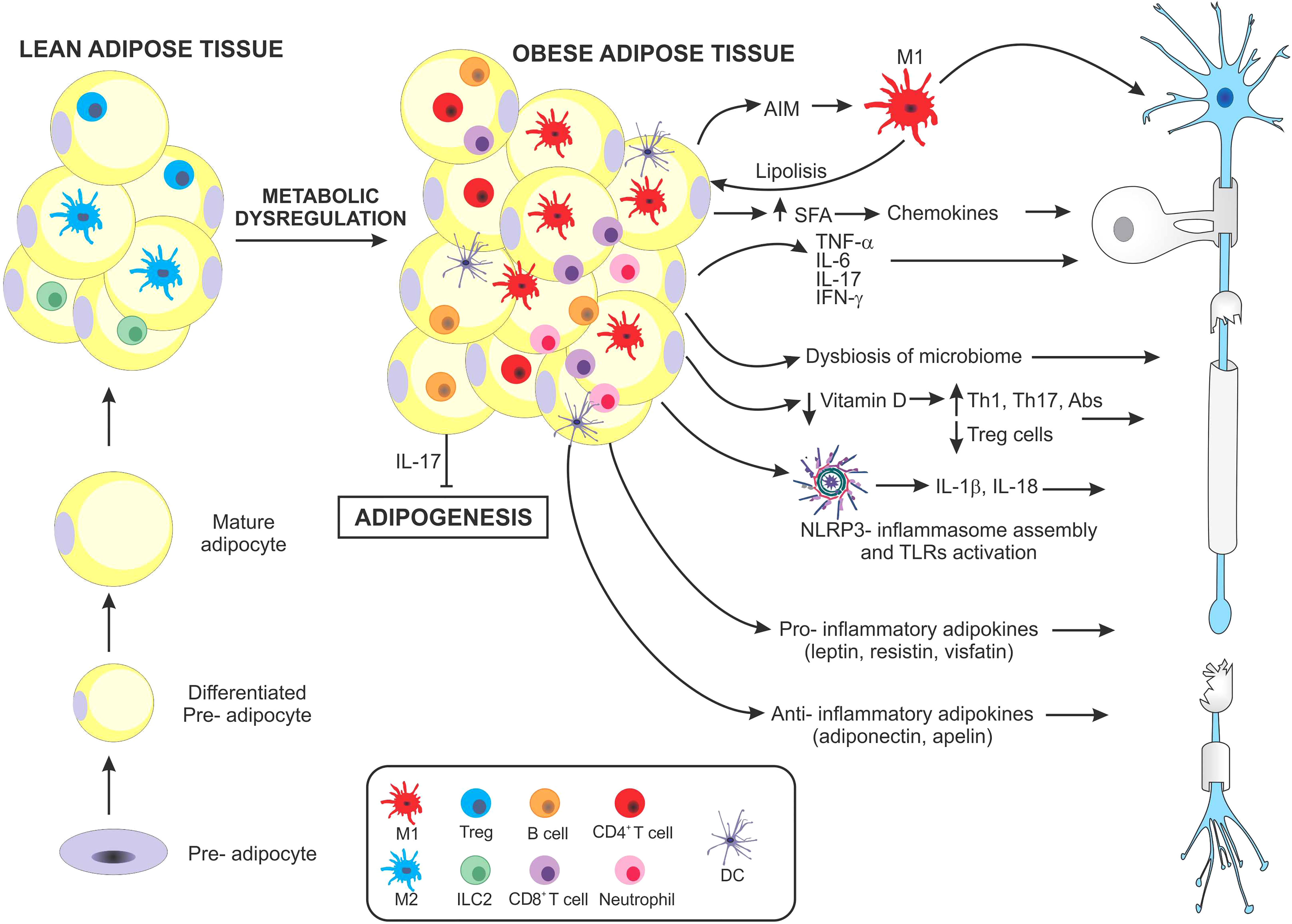
Adipose tissue expansion occurs through two distinct cellular mechanisms: hypertrophy, which is the increase in the size of existing fat cells, and hyperplasia, which is the increase in the number of new fat cells through the differentiation of preadipocytes. Understanding the balance between these two processes is fundamental to metabolic health, as the expansion strategy determines how effectively the body stores energy and manages insulin sensitivity.
The Biology of Adipose Tissue Expansion
Adipose tissue is not merely a passive energy storage depot; it is a complex, dynamic endocrine organ. When an individual experiences a positive energy balance—consuming more calories than they expend—the body must store this excess energy. The primary site for this storage is white adipose tissue (WAT). The physical expansion of this tissue is governed by the structural limits of adipocytes and the recruitment of new cell populations.
Adipocyte Hypertrophy: The First Response
Hypertrophy is the enlargement of mature adipocytes. In this state, the cell accumulates lipids within a large central vacuole, pushing the nucleus to the periphery of the cell membrane. This is often the initial response to caloric excess. While hypertrophy allows for rapid storage of triglycerides, it is associated with a physical limit. As a fat cell expands beyond its functional capacity, it encounters issues with oxygen diffusion and mechanical stress, leading to cellular dysfunction.
Adipocyte Hyperplasia: The Proliferative Response
Hyperplasia involves the recruitment of adipocyte precursor cells, known as preadipocytes, which reside in the stromal vascular fraction of adipose tissue. Through a process called adipogenesis, these precursors differentiate into mature, lipid-loading adipocytes. This process effectively increases the "storage capacity" of the adipose tissue by creating more containers rather than simply making existing ones larger. Hyperplasia is generally viewed as a healthier mode of expansion because it prevents the metabolic stress associated with overly large, hypertrophic cells.
The Relationship Between Cell Size and Metabolic Health
The mode of expansion—whether primarily hypertrophic or hyperplastic—has profound implications for systemic metabolism. Clinical research suggests that "healthy" obesity is characterized by the ability to continue recruiting and differentiating new adipocytes, which keeps individual cell size within a manageable range.
Metabolic Dysfunction in Hypertrophy
When hypertrophy reaches an extreme, the adipocytes become dysregulated. The cell membrane becomes stretched, and the blood supply may fail to keep pace with the massive cellular growth, leading to localized hypoxia. This hypoxic environment triggers the release of pro-inflammatory cytokines, such as TNF-alpha and IL-6. These signals promote systemic insulin resistance, disrupt glucose homeostasis, and increase the risk of developing type 2 diabetes and non-alcoholic fatty liver disease (NAFLD).
The Protective Nature of Hyperplasia
In contrast, hyperplasia allows for "healthy" adipose expansion. By keeping individual fat cells smaller, the tissue remains more flexible and insulin-sensitive. Adipocytes that are smaller in volume are better able to regulate the release of free fatty acids and adipokines, such as adiponectin—a protein hormone that improves insulin sensitivity and has anti-inflammatory properties. Individuals who possess a higher capacity for hyperplasia are often better protected against the metabolic complications of caloric surplus.
Mechanisms of Adipogenesis and Recruitment
The process of generating new adipocytes is strictly regulated by a suite of transcription factors and signaling pathways. Preadipocyte differentiation is a multi-stage process that requires specific hormonal and environmental cues.
- Commitment: Mesenchymal stem cells are committed to the adipogenic lineage.
- Clonal Expansion: The committed preadipocytes undergo a series of cell divisions.
- Terminal Differentiation: Through the activation of master regulators like PPAR-gamma and C/EBP-alpha, the cells begin accumulating lipids and acquiring the mature phenotype of a white adipocyte.
This process is influenced by genetics, age, and environmental factors. For example, some individuals have a genetically determined limit to their hyperplastic potential. Once this limit is reached, their adipose tissue is forced into a hypertrophic expansion mode, increasing their risk of metabolic syndrome regardless of their overall body fat percentage.
Comparative Overview of Adipose Expansion Modes
The following table summarizes the key physiological differences between the two primary modes of adipose tissue growth.
| Feature | Adipocyte Hypertrophy | Adipocyte Hyperplasia |
|---|---|---|
| Cellular Change | Increase in individual cell volume | Increase in total cell number |
| Primary Driver | Lipid droplet accumulation | Preadipocyte differentiation |
| Metabolic Risk | Higher (associated with insulin resistance) | Lower (associated with metabolic stability) |
| Endocrine Profile | Pro-inflammatory (e.g., TNF-alpha) | Anti-inflammatory (e.g., adiponectin) |
| Tissue Constraint | Limited by structural/hypoxic stress | Limited by stem cell availability |
Practical Clinical Implications
For medical professionals and researchers in 2026, managing adipose tissue health involves strategies that support healthy expansion or reduce the stress on hypertrophic cells.
Dietary and Lifestyle Interventions
Weight management is not solely about reducing the size of adipocytes; it is about improving their functional status. Interventions that favor gradual, sustainable caloric deficit are often more effective at reversing hypertrophic stress than extreme, rapid weight loss, which can cause significant fluctuations in adipokine secretion.
The Role of Physical Activity
Regular physical activity is known to influence the adipose environment. Exercise promotes angiogenesis (the formation of new blood vessels) within adipose tissue, which helps oxygenate the tissue and supports healthy cell dynamics. Furthermore, exercise can help modulate the endocrine profile of the tissue, encouraging the release of beneficial myokines and adipokines that counteract the negative effects of large, stressed fat cells.
Common Questions Regarding Adipose Expansion
Can adults still create new fat cells?
Yes, research confirms that adult humans undergo adipogenesis throughout their lifespan. While the rate of turnover and formation of new adipocytes slows with age, the capacity for hyperplasia remains an active, ongoing physiological process.
Why do some people gain fat in "healthier" areas than others?
Fat distribution is highly dependent on depot-specific expansion patterns. Subcutaneous fat (under the skin) often has a higher capacity for hyperplasia compared to visceral fat (around the organs). Visceral fat is more prone to hypertrophy, which is why it is more strongly linked to metabolic diseases like cardiovascular issues and insulin resistance.
Is there a medical test to determine if I am expanding through hyperplasia or hypertrophy?
There is no routine clinical test for individuals to measure their specific ratio of hyperplasia to hypertrophy. Determining this usually requires a biopsy of the adipose tissue, which is reserved for research settings. Clinicians typically rely on broader markers of metabolic health, such as insulin levels, glucose tolerance tests, and inflammatory markers, to assess the functional state of adipose tissue.
Can drugs influence the shift between these two states?
Certain pharmaceuticals, particularly the thiazolidinedione class of drugs, were developed to influence PPAR-gamma activity, which promotes the recruitment and differentiation of new, smaller adipocytes. This helps redistribute lipid storage and improve insulin sensitivity. However, all medical interventions must be managed under the strict guidance of a qualified healthcare provider.
Does rapid weight gain affect the ability to produce new fat cells?
Rapid weight gain often forces the body into rapid hypertrophy because the recruitment of new preadipocytes is a slower process than the immediate storage of lipids into existing cells. This rapid expansion can trigger an acute inflammatory response, which is one reason why steady, gradual weight management is recommended over cycles of rapid gain and loss.
Conclusion and Next Actions
The distinction between adipocyte hyperplasia and hypertrophy is central to the pathophysiology of metabolic disease. Adipose tissue expansion via hyperplasia provides a buffer that protects the systemic environment from the inflammatory stress of extreme lipid storage.
For those concerned about their metabolic health, the goal should be to maintain an environment that supports healthy tissue function. This involves prioritizing consistent, balanced nutrition and regular physical movement, both of which support adipose tissue health and vascularization. If you are concerned about metabolic markers, such as fasting insulin or blood glucose levels, consult with an endocrinologist or primary care physician to discuss your specific health profile and potential lifestyle modifications.