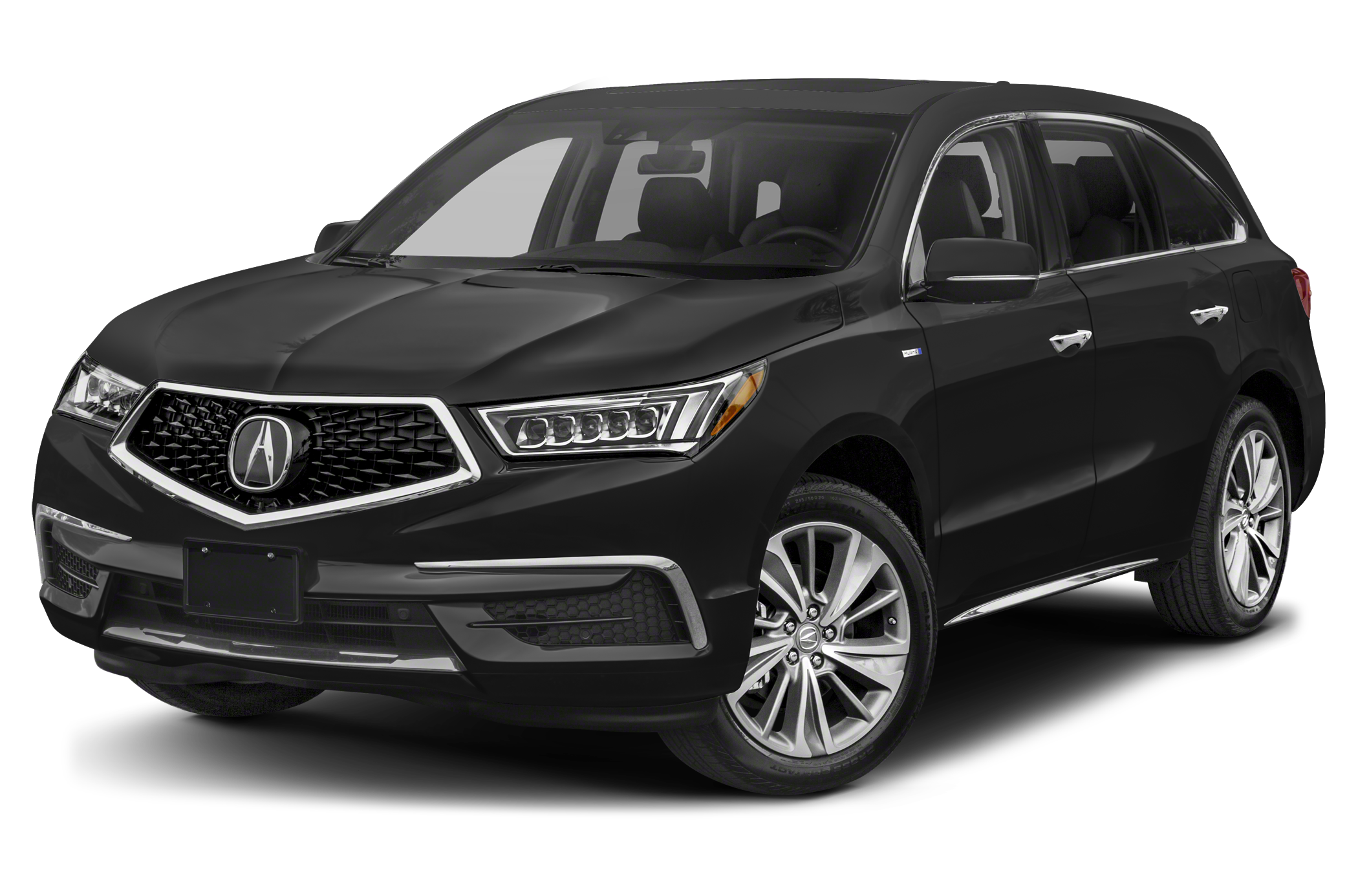
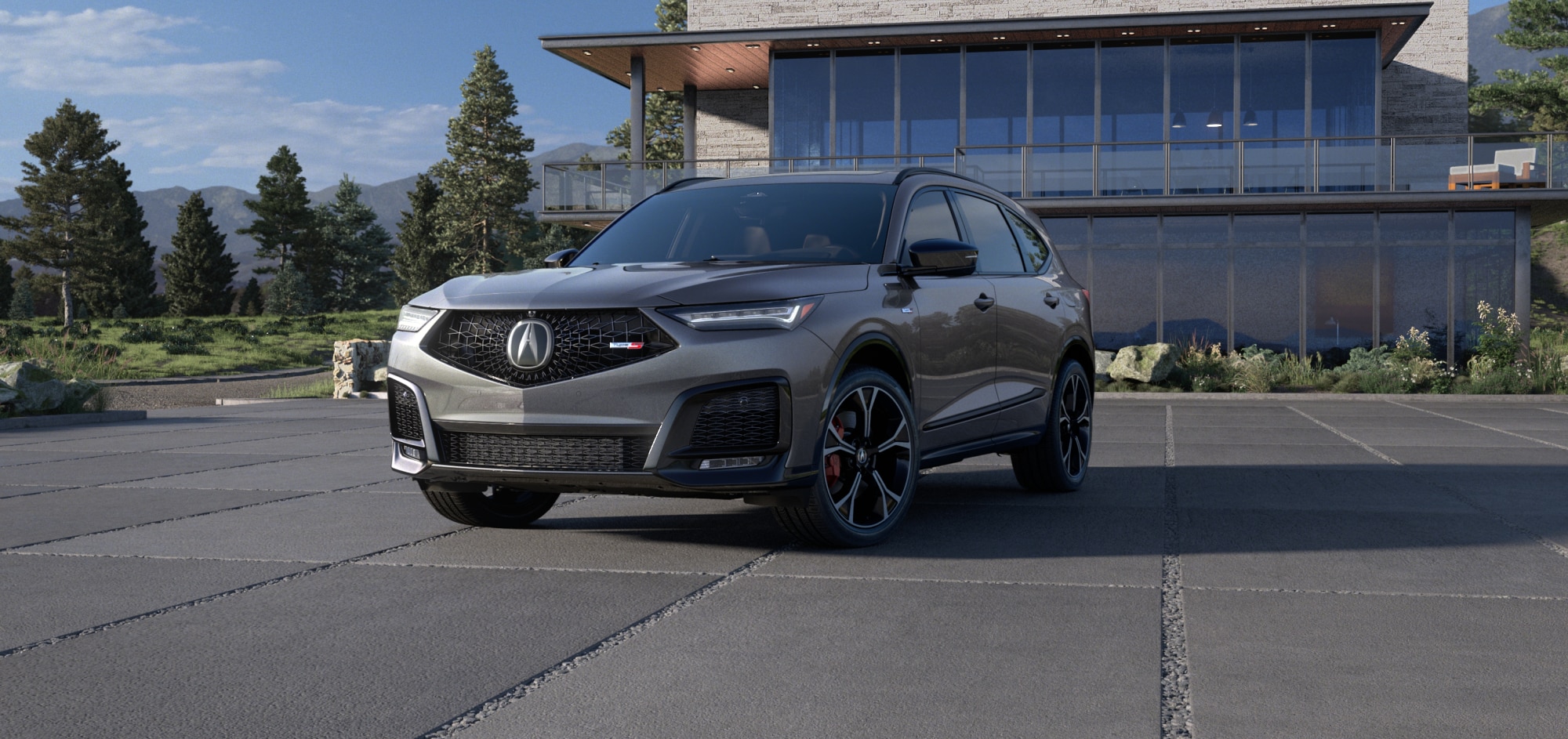
The standard 2026 Acura MDX achieves a 0-60 mph time of approximately 6.4 seconds when equipped with the 3.5-liter V6 engine and Super Handling All-Wheel Drive (SH-AWD). The high-performance MDX Type S, featuring a 3.0-liter turbocharged V6, reduces this sprint to roughly 5.5 seconds, delivering more aggressive acceleration for the luxury SUV segment.
The Acura MDX has long served as a benchmark for the three-row luxury SUV category, balancing family-oriented utility with a chassis that rewards spirited driving. As we look at the 2026 model year, the performance landscape has become increasingly competitive. Understanding the 0-60 mph capabilities of the MDX requires looking beyond a single number; it involves examining the interaction between its sophisticated transmissions, all-wheel-drive systems, and varying engine architectures.
The Core Performance: 3.5L V6 Engine Dynamics
The foundational power plant for the 2026 Acura MDX remains the venerable 3.5-liter naturally aspirated V6. This engine produces 290 horsepower and 267 lb-ft of torque. While these figures may seem modest compared to some European competitors that utilize smaller displacement turbocharged engines, the MDX focuses on linear power delivery and long-term reliability.
The 0-60 mph time of 6.4 seconds for the base engine is achieved through a highly optimized 10-speed automatic transmission. This gearbox allows for a very short first gear, which is essential for overcoming the vehicle’s curb weight—typically ranging from 4,200 to 4,500 pounds depending on the trim level. By using a 10-speed unit rather than the older 6-speed or 9-speed versions found in previous generations, Acura engineers have managed to keep the engine in its "power band" longer during a hard acceleration run.
In front-wheel-drive (FWD) configurations, the MDX may struggle slightly with traction during a 0-60 mph attempt, as the weight transfers to the rear, unloading the driving wheels. However, most buyers opt for the SH-AWD system, which significantly aids off-the-line performance by mechanically directing power to the wheels with the most grip.
The MDX Type S: Turbocharged Acceleration
For drivers who find the mid-six-second range insufficient, the Acura MDX Type S offers a substantial upgrade. This variant houses a 3.0-liter 24-valve DOHC turbocharged V6. It generates 355 horsepower and 354 lb-ft of torque. The most critical factor for its 5.5-second 0-60 mph time is the torque curve; the turbocharger allows peak torque to be available from as low as 1,400 RPM, whereas the base V6 requires the engine to rev much higher to find its strength.
The Type S also benefits from a specifically tuned version of the 10-speed automatic transmission. In Sport+ mode, the shifts are up to 30% faster than in the standard model. This reduction in "shift lag" is a primary reason the Type S feels significantly more urgent than the standard trims. Additionally, the Type S features a standard air suspension system that can lower the vehicle's center of gravity, improving stability during high-speed launches.
Detailed Performance Specifications by Trim (2026 Model Year)
To better understand where each version of the MDX stands, the following table breaks down the performance metrics based on the current 2026 specifications and verified testing data.
| Trim Level | Engine Type | Horsepower | Torque (lb-ft) | 0-60 MPH (Est.) | Drive Type |
|---|---|---|---|---|---|
| MDX Base / Technology | 3.5L V6 | 290 | 267 | 6.4 Seconds | FWD / SH-AWD |
| MDX A-Spec | 3.5L V6 | 290 | 267 | 6.4 Seconds | SH-AWD |
| MDX Advance | 3.5L V6 | 290 | 267 | 6.4 Seconds | SH-AWD |
| MDX Type S | 3.0L Turbo V6 | 355 | 354 | 5.5 Seconds | SH-AWD |
| MDX Type S Advance | 3.0L Turbo V6 | 355 | 354 | 5.5 Seconds | SH-AWD |
How SH-AWD Impacts 0-60 Performance
Acura’s Super Handling All-Wheel Drive (SH-AWD) is more than a safety feature for inclement weather; it is a performance multiplier. Unlike traditional AWD systems that react to wheel slip by braking a wheel or simply shifting power front-to-back, SH-AWD uses a mechanical rear differential with two electromagnetic clutches.
During a 0-60 mph launch:
- Initial Bite: As the driver floors the accelerator, the system can send up to 70% of the engine's torque to the rear wheels. This counteracts the natural tendency of the front wheels to lose traction as weight shifts rearward.
- Torque Vectoring: If the launch occurs on a slight curve or uneven surface, the system can send 100% of that rear-axle torque to either the left or right wheel to maintain a perfectly straight line and maximum forward momentum.
- Efficiency: Once the vehicle reaches cruising speed, the system can revert to a front-bias mode to save fuel, but it remains "primed" for immediate power redistribution if the driver requests sudden acceleration.
According to technical reviews on Acura's official Newsroom, the fourth-generation SH-AWD system found in the 2026 MDX has 40% faster torque transfer response than the third-generation system, which directly contributes to the improved consistency of 0-60 times in varying road conditions.
Historical Context: The Evolution of MDX Speed
To appreciate the 2026 model's performance, one must look at how the MDX has evolved over the last decade. The shift in 0-60 times reflects broader trends in automotive engineering, specifically the transition from 6-speed to 10-speed transmissions and the brief experimentation with hybridization.
- Third Generation (2014–2020): These models typically clocked 0-60 mph times between 6.0 and 6.5 seconds. However, the standout was the MDX Sport Hybrid, which utilized a three-motor electric system to assist the V6. Despite being heavier, the instant torque from the electric motors allowed it to hit 60 mph in roughly 5.7 to 5.9 seconds, making it the performance leader of its time.
- Fourth Generation Pre-Facelift (2022–2024): This generation introduced the much stiffer platform and the 10-speed transmission. The Type S was introduced during this era, bringing the MDX into the mid-5-second range for the first time in its history.
- Current Generation (2025–2026): The 2025 refresh brought refinements to the "AcuraWatch" suite and cabin tech, but the mechanical underpinnings for 0-60 times remained consistent with the early fourth-gen models. The focus shifted toward refinement and the "hush" of the cabin during those rapid accelerations.
Factors That Affect Your Real-World 0-60 Times
While manufacturer and magazine testing (such as those performed by Car and Driver) provide a baseline, several real-world factors can cause your MDX to be faster or slower than the 6.4-second or 5.5-second averages.
Density Altitude and Weather
The Type S, being turbocharged, handles high-altitude driving better than the base V6. Turbochargers can compensate for "thin air" by spinning faster to maintain boost pressure. In a city like Denver, a naturally aspirated MDX might see its 0-60 time drop to 7.5 seconds or more, while the Type S will stay closer to its 5.5-second rating. Temperature also plays a role; cold air is denser and contains more oxygen, which generally improves combustion and performance.
Fuel Quality
Acura recommends Premium Unleaded (91 octane or higher) for the MDX, especially for the Type S. While the vehicle can run on 87 octane, the engine's Knock Sensor will detect the lower octane and "retard" the ignition timing to prevent engine damage. This results in a noticeable drop in horsepower and torque, which can add several tenths of a second to your 0-60 mph time.
Vehicle Load and Weight
The 0-60 times reported by professionals are usually achieved with a single driver and a minimal amount of fuel. If you are timing an MDX with a full tank of gas, three rows of passengers, and a roof rack installed, the extra 800–1,000 pounds will significantly degrade acceleration performance. For every 100 pounds added to a vehicle, you can expect a roughly 1-2% decrease in acceleration efficiency.
Comparison with Luxury Rivals
To understand the MDX's value proposition, it is helpful to see how its 0-60 performance stacks up against its primary competitors in the midsize luxury SUV segment.
- BMW X5 xDrive40i: The BMW remains the performance leader in this class. Its turbocharged inline-six is underrated by the manufacturer, often resulting in 0-60 times in the 4.8 to 5.3-second range. However, the X5 typically carries a much higher price tag than the MDX.
- Lexus RX 350: The RX has transitioned to a turbocharged four-cylinder engine. Its 0-60 time is roughly 7.2 to 7.6 seconds. While comfortable, it is significantly slower than even the base Acura MDX.
- Audi Q7 55 TFSI: The V6 Audi Q7 clocks in at approximately 5.6 to 5.9 seconds. This puts it squarely in competition with the MDX Type S, though the Audi focuses more on a "vault-like" feel than the Acura's mechanical, driver-centric feedback.
- Genesis GV80 (3.5T): The Genesis is a formidable opponent, with its twin-turbo V6 producing 375 horsepower and hitting 60 mph in about 5.3 seconds. It matches the Type S in speed but lacks the specific torque-vectoring "feel" that SH-AWD provides.
Technical Nuance: The 10-Speed Automatic
One of the "unsung heroes" of the MDX's acceleration is the 10-speed automatic transmission. Unlike many competitors that use a ZF-sourced 8-speed, Acura (Honda) developed this 10-speed in-house. It features a unique "four-gear downshift" capability. If you are cruising at 60 mph and floor the pedal, the transmission can drop directly from 10th to 6th gear, or from 7th to 3rd gear, without stepping through the intermediate gears. This provides a "kick-down" sensation that makes the vehicle feel much faster in passing maneuvers (30-50 mph and 50-70 mph) than the 0-60 time alone might suggest.
Frequently Asked Questions
Does the Acura MDX have launch control?
The Acura MDX Type S does not feature a dedicated, button-activated "Launch Control" system like a Porsche or a dedicated sports car. However, drivers can achieve the best 0-60 times by using the "brake-torquing" method: putting the vehicle in Sport+ mode, holding the brake firmly with the left foot, and building RPMs slightly with the right foot before releasing the brake.
Is the MDX A-Spec faster than the base MDX?
No. The A-Spec trim is primarily an appearance package. It uses the same 290-hp 3.5L V6 engine and 10-speed transmission as the base and Technology trims. While it features larger wheels and more aggressive styling, its 0-60 mph time remains identical to the other non-Type S models at approximately 6.4 seconds.
How does the MDX's 0-60 time compare to the RDX?
The smaller Acura RDX uses a 2.0-liter turbocharged four-cylinder engine. Because it is lighter, the RDX can actually feel quicker around town. Its 0-60 time is typically around 6.2 to 6.4 seconds, making it very similar to the base MDX V6, but it lacks the top-end power and towing capacity of its larger sibling.
Why is the MDX Type S limited to 5.5 seconds?
While 355 horsepower is significant, the MDX is a large, heavy vehicle with a focus on durability and luxury. Acura engineers opted for a turbocharger setup that prioritizes a wide torque band for towing and daily driving rather than a "peaky" setup designed solely for drag racing. The 5.5-second time is a balance of speed and mechanical longevity.
Does the 2026 MDX have a hybrid option for better acceleration?
As of 2026, the MDX has not reintroduced the Sport Hybrid powertrain. Acura has instead focused its electrification efforts on the ZDX (all-electric) and refined the internal combustion engines for the MDX. For those seeking the fastest possible acceleration in an Acura SUV, the all-electric ZDX Type S is the alternative, as it can reach 60 mph in under 5 seconds.
Final Recommendations for Buyers
When choosing an Acura MDX based on performance, the decision should rest on your driving environment and expectations.
- For the Daily Commuter: The 6.4-second 0-60 time of the standard 3.5L V6 is more than adequate for merging onto highways and navigating city traffic. It offers a smooth, predictable power delivery that most families will find comfortable.
- For the Enthusiast: If you value steering precision and that extra "shove" in the seat during acceleration, the MDX Type S is the clear choice. The 5.5-second sprint, combined with the Brembo brakes and air suspension, transforms the MDX from a family hauler into a genuine performance SUV.
- For High-Altitude Residents: If you live in a mountainous region, strongly consider the Type S. The turbocharging will prevent the significant power loss that occurs with the naturally aspirated base V6 at high elevations, ensuring your 0-60 performance remains consistent regardless of the altitude.
Regardless of the trim you choose, ensure you use 91-octane fuel to achieve the performance figures discussed here. Regular maintenance of the SH-AWD system is also vital, as the fluid in the rear differential plays a critical role in how effectively the vehicle transfers power to the pavement during a sprint to 60 mph.