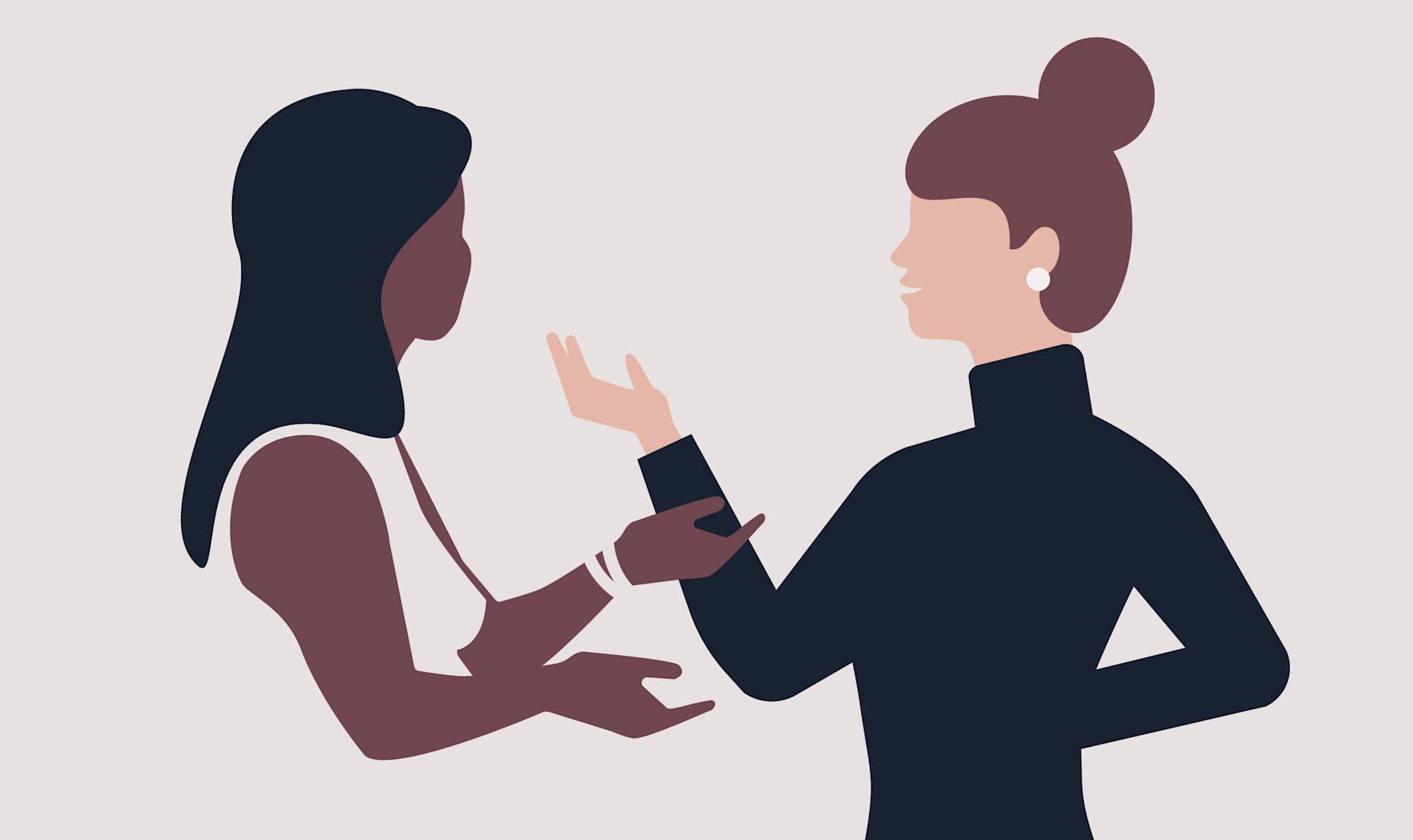
The power of an acting duo lies in the synergistic chemistry that transforms two individual performances into a single, cohesive narrative force. This partnership relies on a shared rhythmic understanding, emotional trust, and the ability to "ping-pong" dialogue and subtext, ultimately elevating the script beyond its written words to create an unforgettable audience connection.
The Mechanics of On-Screen Chemistry
In the realm of cinema and television, chemistry is often discussed as an ethereal, lightning-in-a-bottle phenomenon. However, from a technical and psychological perspective, the "power of partnership" is a craft-based achievement. When two actors share the screen, they are not merely performing their lines in proximity; they are engaging in a continuous feedback loop. This involves acute listening, where the reaction of one actor becomes the stimulus for the next.
Professional acting duos often speak of "The Third Entity." This is the invisible relationship that exists between two characters, which the actors must cultivate as if it were a third person in the room. In 2026, as performance capture and digital environments become more prevalent, this human-to-human connection remains the one element that technology cannot fully replicate. The nuances of a micro-expression in response to a partner's improvised breath or a slight shift in vocal tone are what ground a film in reality.
The Importance of the Chemistry Test
Casting directors prioritize the "chemistry test" as a critical stage of pre-production. Once individual leads are shortlisted, they are brought together to read scenes. The goal is to observe physical compatibility, vocal contrast, and what is known as "shared timing." If both actors have the same energy level or the same "beat," the scene can become static. The most powerful duos often feature a complementary contrast—one actor who is expansive and high-energy paired with one who is internal and grounded.
Archetypes of the Cinematic Duo
The history of film is structured around specific archetypal pairings that have defined entire genres. These partnerships work because they tap into fundamental human dynamics: friendship, rivalry, and romantic tension.
The "Straight Man" and the "Funny Man"
This is perhaps the oldest duo dynamic, originating in vaudeville and perfected in early cinema. The "Funny Man" provides the chaos, while the "Straight Man" provides the context and the audience's POV. Without the grounded nature of the straight man, the comedian’s antics would lack stakes. Iconic examples include Laurel and Hardy or Abbott and Costello. In modern contexts, this has evolved into "cringe comedy" or high-concept pairings where the roles may swap mid-film to keep the audience off-balance.
The Buddy Cop Dynamic
The "Buddy Cop" genre relies on friction. These duos are usually "reluctant partners" with diametrically opposed worldviews or methods. The power of this partnership comes from the gradual transition from animosity to mutual respect. This arc provides a secondary emotional narrative to the primary plot (usually a crime or mission). The chemistry here is built on "banter"—rapid-fire dialogue that masks underlying affection or professional admiration.
The Romantic "Slow Burn"
In romantic duos, the partnership is defined by tension and "unresolved sexual tension" (UST). The technical requirement for these actors is the ability to communicate intimacy without physical contact. Through eye contact, shared silence, and the invasion of personal space, a powerful romantic duo can sustain an entire multi-season series or a three-hour epic.
Historical Evolution of On-Screen Partnerships
The concept of the "star duo" has shifted alongside the business models of Hollywood and international cinema.
- The Studio System Era (1930s-1950s): During this time, studios would pair actors repeatedly to capitalize on their established rapport. Katherine Hepburn and Spencer Tracy, who made nine films together, are the gold standard. Their off-screen relationship fueled an on-screen authenticity that audiences found irresistible.
- The New Hollywood Era (1960s-1970s): Partnerships became more gritty and character-driven. The duo of Robert Redford and Paul Newman in Butch Cassidy and the Sundance Kid redefined the "male bond," blending vulnerability with traditional masculinity.
- The Blockbuster Era (1980s-2000s): The rise of high-concept action led to the dominance of the "mismatched pair." Whether it was Mel Gibson and Danny Glover or the comedic pairing of Chris Tucker and Jackie Chan, the focus was on cultural or personality clashes.
- The Modern/Digital Era (2010s-2026): Today, duos are often found within larger ensembles (like the Marvel Cinematic Universe), where specific pairings are teased out to satisfy fan engagement. However, standalone "power duos" like Emma Stone and Ryan Gosling continue to prove that audiences will follow a specific pair across different stories and genres simply to witness their unique energy.
The Technical Art of the "Double Act"
For an acting duo to succeed, certain technical elements must be aligned. This goes beyond "getting along" on set. In fact, some of the most famous on-screen duos famously disliked each other in real life. The power of the partnership is a professional alignment of technique.
- Rhythmic Synchronicity: Just like musicians, actors must find a shared tempo. If one actor is performing at the pace of a thriller while the other is performing at the pace of a period drama, the partnership fails.
- Trust and Safety: To take risks—especially in emotional or physical scenes—actors must trust that their partner will "catch" them. This allows for improvisation, which often produces the most memorable moments in a film.
- Vocal Contrast: A duo often sounds like a duet. Casting directors look for voices that sit in different registers (e.g., a gravelly baritone paired with a melodic tenor) to ensure the dialogue is aurally interesting.
Comparing Iconic Screen Duos and Their Impact
The following table analyzes how different types of acting duos utilize their partnership to drive the narrative and influence the audience's perception of the film.
| Duo Category | Key Example | Defining Characteristic | Narrative Function |
|---|---|---|---|
| Comedic Classic | Laurel & Hardy | Slapstick vs. Dignity | Creates a cycle of frustration and resolution. |
| Romantic Tension | Bogart & Bacall | Smoldering Subtext | Uses mystery and shared secrets to build intimacy. |
| Action Partners | Gibson & Glover | Generational Friction | Explores the themes of "old school" vs. "new school" methods. |
| Dramatic Rivals | De Niro & Pacino | Calculated Intensity | Uses the "mirror image" concept to explore morality. |
| Modern Synergy | Stone & Gosling | Whimsical Rapport | Revitalizes the classic Hollywood musical and romance. |
| Sci-Fi/Fantasy | Hamill & Ford | Naive Optimism vs. Cynicism | Provides a grounded emotional core to speculative worlds. |
The Director’s Role in Fostering Partnership
A director acts as the conductor of a duo’s chemistry. While the actors provide the raw material, the director shapes how that partnership is presented through framing and editing. For example, a director might use "two-shots"—where both actors are in the frame at the same time—to emphasize their connection. Conversely, cutting rapidly between close-ups can highlight the tension or distance between them.
In many cases, directors like Martin Scorsese or Greta Gerwig will work with the same duo across multiple projects because they understand the shorthand those actors have developed. By 2026, the trend of "creative clusters"—where a director and a duo form a semi-permanent creative unit—has become a hallmark of high-quality independent and prestige cinema.
Psychological Impact on the Audience
Why are we so drawn to acting duos? Psychologically, humans are social creatures who understand the world through relationships. A solo protagonist can be inspiring, but a duo provides a canvas for empathy and projection. We see our own friendships, marriages, and professional rivalries reflected in these on-screen partnerships.
Furthermore, a strong duo creates a sense of "safety" for the viewer. We become invested not just in whether the character survives the plot, but whether the relationship survives. This emotional stakes-raising is why the "breakup" scene in a buddy movie often feels more tragic than the actual climax of the action plot.
Common Pitfalls in On-Screen Partnerships
Not every pairing works, and "forcing" chemistry is one of the most common mistakes in modern production.
- Over-Saturation: If a duo is paired in too many films without a change in their dynamic, the audience may experience "chemistry fatigue."
- Power Imbalance: If one actor consistently upstages the other, the "partnership" dissolves into a lead and a sidekick. This weakens the overall narrative tension.
- Lack of Listening: When actors are simply waiting for their turn to speak rather than reacting to their partner, the connection feels "hollow" or "rehearsed," breaking the immersion.
Frequently Asked Questions
What is a "chemistry test" in acting?
A chemistry test is a specific audition where two actors are brought together to see how they interact. Casting directors and directors look for natural rapport, physical compatibility, and a shared rhythm. It is usually the final step before casting lead roles in a project that relies heavily on a relationship, such as a romance or a buddy-cop film.
Can two actors have chemistry if they don't like each other?
Yes. Professional acting is a craft, and many famous duos have delivered incredible performances despite personal friction. In some cases, real-life tension can actually enhance on-screen conflict, provided both actors remain professional and committed to the scene. The "power" of the partnership is technical and artistic, not necessarily social.
Why do some acting duos work together repeatedly?
When a duo discovers a unique "shorthand" or "energy," it becomes a bankable asset for studios and a creative joy for the actors. Working with a familiar partner reduces the time needed to build trust and allows the performers to take deeper creative risks. It also builds a "brand" that audiences recognize and trust.
How does the "Straight Man" role work in a duo?
The "Straight Man" is often the more difficult role in a comedic duo. Their job is to react realistically to the "Funny Man's" absurdity. This provides the audience with a surrogate on screen. The Straight Man sets the timing and "feeds" the comedian the lines they need to land the joke. Without a strong Straight Man, the comedy often feels untethered and loses its impact.
Has the rise of AI changed acting duos in 2026?
As of 2026, while AI can assist in de-aging or digital doubles, the core of an acting duo—the unpredictable, human emotional exchange—remains the gold standard. Audiences continue to value the "un-faked" nature of two humans reacting to one another in real-time, making the traditional acting duo more relevant as a counter-point to purely digital entertainment.
Summary of Next Actions for Aspiring Performers and Filmmakers
To harness the power of partnership on screen, focus on the following steps:
- Develop Active Listening: The best duos are made of the best listeners. Practice reacting to the way a line is said, not just the words themselves.
- Seek Contrast: If you are a high-energy performer, look for partners who challenge you with a more grounded, internal style.
- Prioritize Trust: In rehearsals, spend time building a rapport that allows for vulnerability. Use improvisation exercises to find your shared "rhythm."
- Study the Greats: Watch the films of Bogart and Bacall, Lemmon and Matthau, or Stone and Gosling. Pay attention to how they share the frame and how they "give" the scene to each other.
The power of an acting duo is ultimately about the generosity of performance. It is the willingness to let your partner shine, knowing that their success is the foundation of your own.