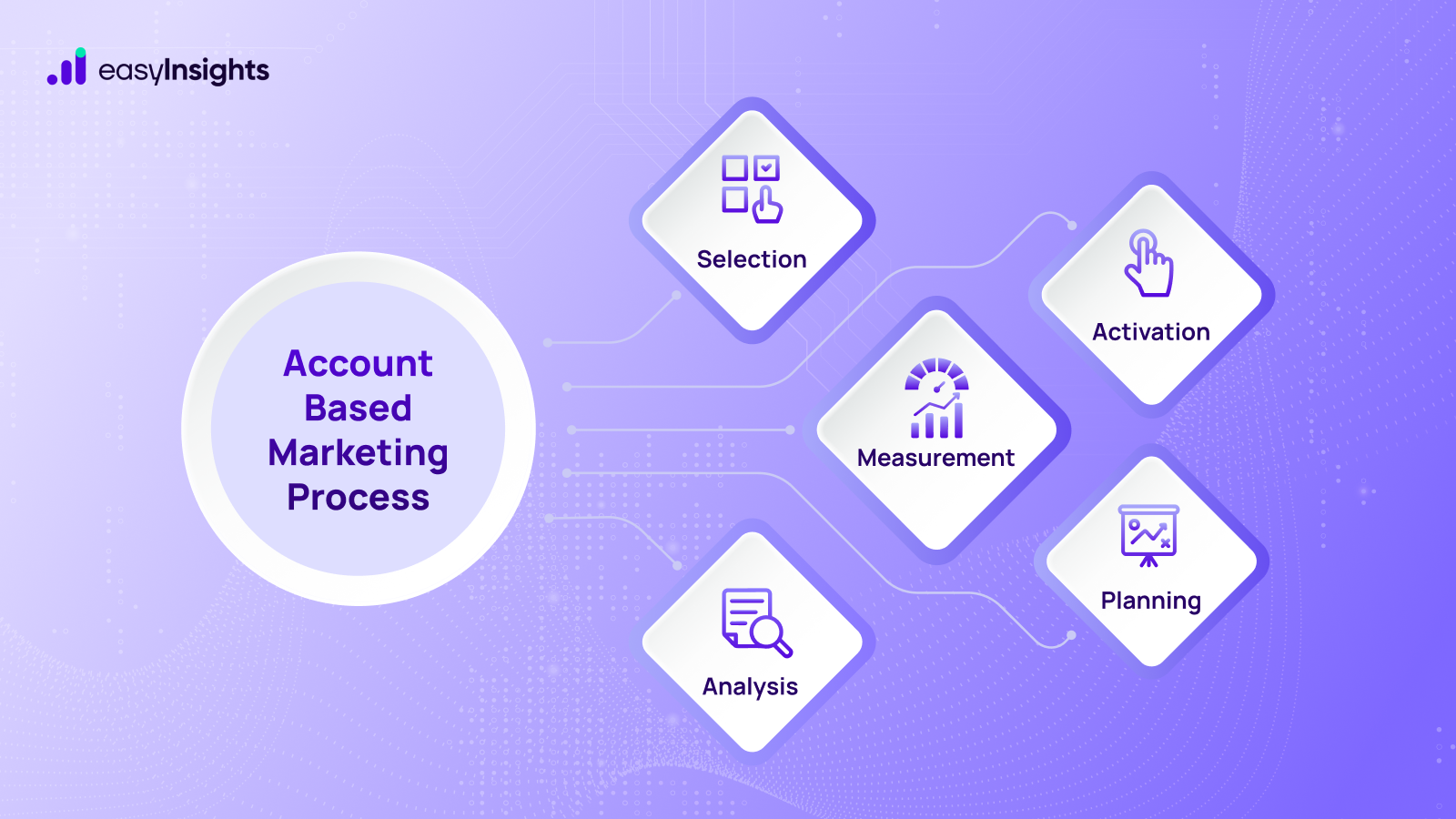
Account-based marketing (ABM) tactics focus on identifying high-value accounts and engaging them through highly personalized, multi-channel campaigns tailored to their specific pain points. By 2026, successful ABM has transitioned from a niche experiment to the primary revenue engine for B2B organizations, leveraging real-time intent data and AI-driven orchestration to synchronize sales and marketing efforts.
The Foundation of Modern Account Based Marketing Tactics
Before deploying specific tactics, a B2B organization must establish a rigorous framework for account selection and data hygiene. In 2026, the "spray and pray" methodology has been entirely replaced by precision targeting. The foundation of any ABM strategy rests on the Ideal Customer Profile (ICP) and the Target Account List (TAL).
An ICP is not merely a list of industries and company sizes; it is a complex data model that includes technographic data (the software they use), firmographic data (growth trajectory and funding), and psychographic data (company culture and risk appetite). Once the ICP is defined, organizations use predictive modeling to build a TAL. This list represents the accounts where the product-market fit is highest and the potential lifetime value (LTV) justifies the increased cost of personalized marketing.
Sales and Marketing Alignment (SMarketing)
The most critical "non-marketing" tactic is the absolute alignment between sales and marketing teams. In 2026, these departments often merge into a single Revenue Operations (RevOps) unit. Tactics fail when marketing targets accounts that sales has no intention of calling, or when sales follows up on leads with a message that contradicts the marketing narrative. Regular "squad" meetings, shared KPIs like pipeline velocity and account penetration, and unified CRM views are mandatory prerequisites for the tactics discussed below.
Tiered ABM Tactical Frameworks
Not all target accounts deserve the same level of investment. To manage resources effectively, marketers categorize their tactics into three distinct tiers based on account value and strategic importance.
Tier 1: One-to-One ABM (Strategic ABM)
This tier is reserved for the "whales"—the top 10 to 50 accounts that could redefine a company’s annual revenue.
- Hyper-Personalized Content Hubs: Instead of sending a generic whitepaper, marketers create bespoke digital portals for a single account. These portals feature the prospect's logo, case studies from their direct competitors, and video greetings from the account executive.
- Executive-to-Executive Outreach: Marketing facilitates peer-level connections between the vendor's C-suite and the prospect's C-suite. This might include private dinner invitations or exclusive access to proprietary research.
- Custom Research and Audits: Providing a "Value Realization Report" or a custom technical audit for a prospect before they even sign a contract demonstrates an unparalleled level of commitment and insight.
Tier 2: One-to-Few ABM (ABM Lite)
This tier targets clusters of accounts (usually 50 to 500) that share similar characteristics, such as industry vertical or specific business challenges.
- Vertical-Specific Webinars: Rather than a broad product demo, host a session specifically for "Security Challenges in Fintech Compliance."
- Account-Exclusive Direct Mail: In 2026, physical mail remains a powerful pattern-interrupter. Sending a high-quality, relevant book or a localized gift to a small group of stakeholders in a specific department creates a tangible touchpoint that digital ads cannot match.
- Personalized Landing Pages: Using dynamic content blocks, marketers can swap out headlines, images, and testimonials based on the visitor’s industry or company name, identified via IP address or cookie data.
Tier 3: One-to-Many ABM (Programmatic ABM)
This leverages automation to apply ABM principles to 1,000+ accounts.
- IP-Targeted Advertising: Display and social ads are served only to users at specific companies. This ensures that every ad dollar is spent on a member of the TAL.
- Automated Intent-Triggered Email: When an account shows a surge in research activity on a specific topic (monitored via third-party intent providers like 6sense or Demandbase), an automated, yet highly relevant, email sequence is triggered to the relevant personas within that account.
High-Impact Digital Execution Tactics
Once the tiers are established, the execution phase focuses on multi-channel orchestration. The goal is to surround the buying committee—which in 2026 often exceeds 12-15 individuals in enterprise deals—with a consistent and helpful presence.
AI-Driven Intent Orchestration
Intent data is the signal that an account is actively researching a solution. In 2026, the focus has shifted from "Who is visiting our site?" (First-party intent) to "Who is researching our category across the web?" (Third-party intent).
- Tactical Application: When a target account searches for "CRM migration risks" on independent review sites or industry forums, the ABM platform automatically shifts that account into a "High Awareness" campaign. The ads they see and the emails they receive change from "Brand Awareness" to "Migration Guides and Risk Mitigation."
Interactive and Immersive Experiences
The era of the static PDF is over. Modern ABM tactics utilize interactive content to keep stakeholders engaged.
- ROI Calculators: Allowing a prospect to input their own data to see projected savings or revenue gains is a high-conversion tactic.
- Self-Guided Tours: Using interactive walkthrough software (like Navattic or Walnut), prospects can explore product features relevant to their specific role without needing a live sales rep.
- AI Video Personalization: Using tools that can clone a salesperson’s voice and likeness, a company can send 500 "personalized" videos where the rep mentions the prospect by name and discusses their specific company news, all generated from a single master recording.
Comparing ABM Tactic Effectiveness and Resource Allocation
The following table compares the primary categories of ABM tactics to help organizations determine where to allocate their budget and personnel in 2026.
| Tactic Category | Typical Account Volume | Level of Personalization | Relative Cost per Account | Primary Goal |
|---|---|---|---|---|
| Strategic (1:1) | 1 - 50 | 100% Unique | Very High | Direct Revenue / Strategic Partnership |
| ABM Lite (1:Few) | 50 - 500 | Industry / Persona Based | Moderate | Pipeline Acceleration |
| Programmatic (1:Many) | 500 - 5,000+ | Segment Based | Low | Brand Awareness / Intent Capture |
| Direct Mail | Variable | High (Tactile) | High | Engagement / Meeting Booking |
| IP-Targeted Ads | High | Low to Moderate | Low | Top-of-Funnel / Air Cover |
| Executive Events | Very Low | Extremely High | Very High | Relationship Building / C-Suite Access |
The Role of the Buying Committee in ABM
A major mistake in traditional marketing is targeting a single lead. In 2026, ABM tactics must account for the Buying Committee. This group usually includes a Champion (the user), a Financial Buyer (the CFO), a Technical Buyer (IT/Security), and various Influencers.
Persona-Based Messaging within the Account: An effective ABM tactic involves "mapping" these personas. While the Champion receives content about ease of use and features, the Technical Buyer receives a security whitepaper and API documentation. Simultaneously, the Financial Buyer is served ads highlighting the 18-month ROI and total cost of ownership (TCO). This holistic approach ensures that when the committee meets to make a decision, every member has already been "warmed up" with information relevant to their specific concerns.
Measurement: Beyond the Lead
In 2026, measuring the success of account-based marketing tactics requires a shift from Lead-based metrics (MQLs) to Account-based metrics.
- Account Coverage: What percentage of the stakeholders within a target account have we engaged?
- Account Engagement Score: A weighted metric that combines website visits, email opens, ad clicks, and event attendance across the entire account.
- Pipeline Velocity: How much faster are ABM accounts moving through the sales stages compared to non-ABM accounts?
- Average Contract Value (ACV) Uplift: Are the targeted accounts signing larger deals than those that entered the funnel organically?
- Retention and Expansion: ABM does not end at the signature. Post-sale ABM tactics focus on cross-selling and up-selling within existing large accounts.
Common Pitfalls to Avoid in 2026
Even with advanced technology, ABM strategies can fail due to fundamental execution errors.
- Poor Data Quality: If your CRM is filled with "junk" data or outdated contacts, your personalized outreach will appear amateurish. Constant data cleansing is a tactical necessity.
- Over-Automation: While AI helps scale, a completely robotic approach is easily spotted. High-value accounts require a "human-in-the-loop" to ensure the tone and timing are appropriate.
- Lack of Patience: ABM is a long-game strategy. Tactics focused on the enterprise level may take 6-12 months to show a return in closed-won revenue. Organizations often abandon the strategy too early because they don't see immediate "leads."
- Static Account Lists: A TAL should be dynamic. If an account’s intent signals drop off or they sign with a competitor, they should be moved out of the active ABM funnel to save resources.
Frequently Asked Questions
What is the difference between ABM and Inbound Marketing?
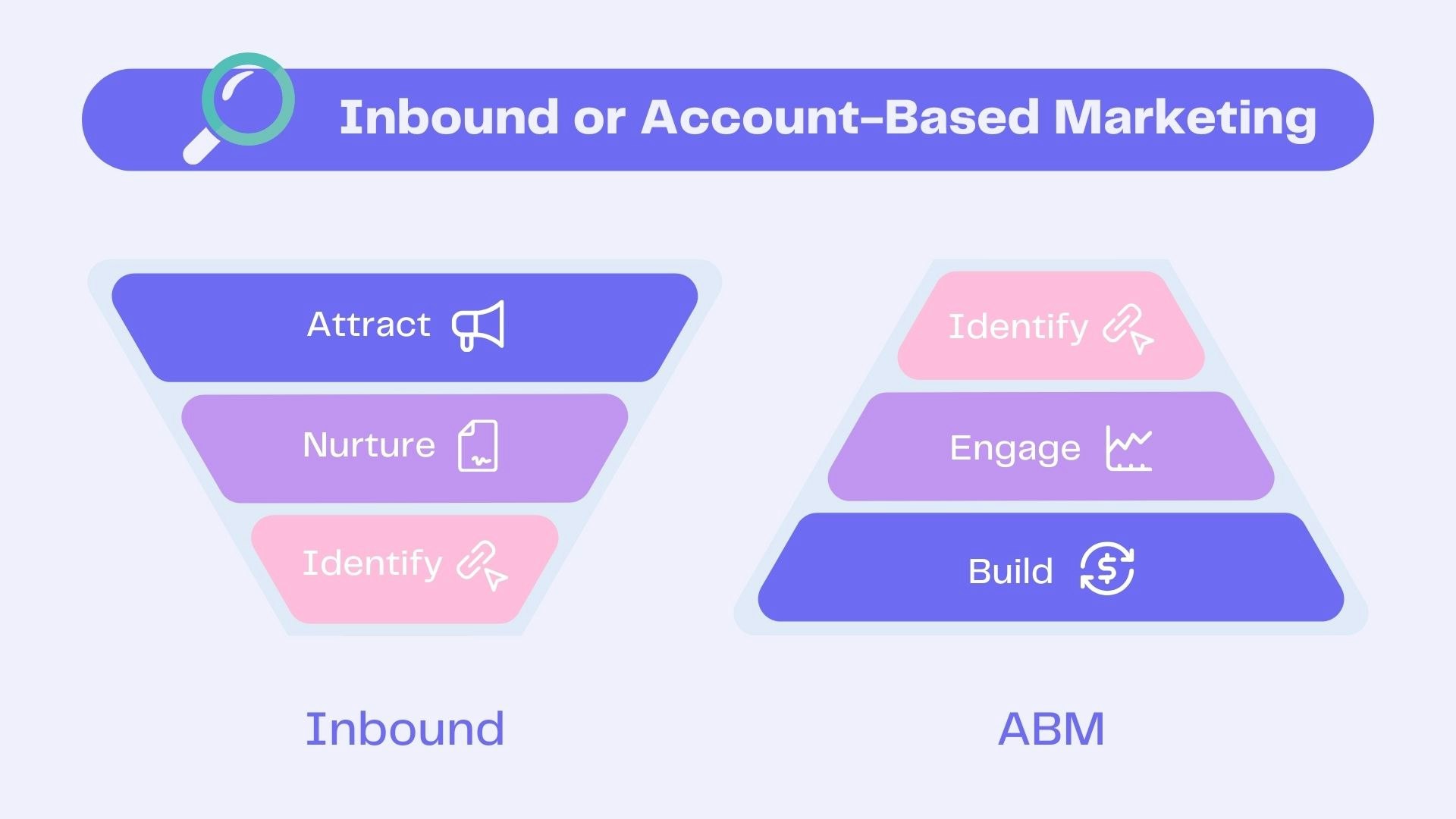
Inbound marketing focuses on creating content that attracts a broad audience, hoping that the right people will find it and "opt-in." ABM is the inverse; it identifies the "right people" first and then proactively reaches out to them with targeted content. While inbound is excellent for building a wide funnel, ABM is far more efficient for high-ticket B2B sales where the pool of potential buyers is small and well-defined.
How much does it cost to implement ABM tactics?
The cost varies significantly based on the tier. Programmatic ABM can be started with a few thousand dollars a month using IP-targeting and email automation. However, a full-scale Strategic 1:1 ABM program often requires significant investment in technology (like 6sense, Demandbase, or Terminus), high-quality content production, and dedicated personnel. Most mid-market firms spend between 15% and 30% of their total marketing budget on ABM-specific tactics.
Is ABM only for enterprise-level companies?
No. While ABM originated in the enterprise space, the democratization of AI and data tools in 2026 has made it accessible to small and medium-sized businesses. Any company that has a high Customer Acquisition Cost (CAC) and a long sales cycle can benefit from the efficiency of account-based tactics.
How do you identify the right accounts for ABM?
Selection is based on a combination of historical data (who has bought from you before?) and predictive signals. Look for companies that have the budget, are experiencing a "trigger event" (such as a new CEO or a round of funding), and are actively researching your category in the market.
Can ABM work for lead generation, or is it only for closing deals?
ABM is highly effective for lead generation within specific accounts. However, it is better described as "Account Generation." Instead of getting one lead from a company, ABM aims to create a "qualified account" where multiple stakeholders are engaged and moving toward a purchase.
What role does Social Selling play in ABM?
Social selling is a core tactical component of ABM. It involves sales reps building relationships on platforms like LinkedIn by sharing relevant content and engaging with the posts of stakeholders from target accounts. In 2026, this is often coordinated by marketing, which provides the "fuel" (content) for the sales team’s social activities.
Next Steps for Implementing ABM Tactics
To move forward, an organization should first audit its current data capabilities. Ensure your CRM and marketing automation platforms are integrated and capable of tracking account-level activity rather than just individual leads.
Start with a Pilot Program. Select 10-20 high-value accounts that are currently in your pipeline but have stalled. Apply Tier 1 tactics—such as a custom executive summary or a personalized video outreach—to these accounts. Measure the "lift" in engagement over 90 days. If the pilot demonstrates that you can re-engage these accounts more effectively than through standard follow-up, you have the proof of concept needed to scale your ABM tactics across the wider organization.