Accordia Life and Annuity Company is a subsidiary of Global Atlantic Financial Group, specializing in life insurance and annuity products designed for long-term wealth accumulation and financial protection. Understanding these products requires a clear grasp of how fixed, indexed, and variable life insurance policies function, as well as the underlying financial strength and administrative role that Global Atlantic plays in managing these specific contracts.
Corporate Structure and Brand Identity
Accordia Life and Annuity Company functions as a key operating entity within the Global Atlantic Financial Group. Following the acquisition of various blocks of business over the years, Accordia has become the primary issuer for several legacy and contemporary life insurance and annuity products. When you purchase or hold a policy under the Accordia name, you are dealing with a firm that adheres to the financial standards, underwriting guidelines, and administrative protocols established by Global Atlantic.
For consumers, the distinction between "Accordia" and "Global Atlantic" is primarily administrative. Most policy services, such as premium payments, beneficiary updates, and claim filings, are directed through the service centers managed by the broader corporate entity. Recognizing this relationship is essential for navigating the company’s digital portals and customer support channels effectively.
Core Product Categories
Accordia focuses on products that emphasize risk management and capital preservation. Their catalog is generally divided into life insurance—designed to provide a death benefit—and annuity products, which are primarily tools for retirement income and tax-deferred growth.
Life Insurance Offerings
Accordia’s life insurance portfolio typically includes universal life (UL) and indexed universal life (IUL) insurance. These products are often characterized by their flexibility. Unlike traditional term insurance, which expires after a set period, universal life policies are permanent, provided the premiums are paid and the policy values remain sufficient to cover the cost of insurance.
- Universal Life: These policies offer adjustable premiums and death benefits. The cash value within the policy earns interest based on the company’s declared crediting rates.
- Indexed Universal Life (IUL): These are perhaps the most complex offerings. The cash value growth is tied to the performance of an external market index, such as the S&P 500, but is protected by a "floor"—a guaranteed minimum interest rate that prevents the cash value from declining due to negative market performance. However, these policies also carry a "cap" or a "participation rate" that limits the maximum potential gain in a given year.
Annuity Products
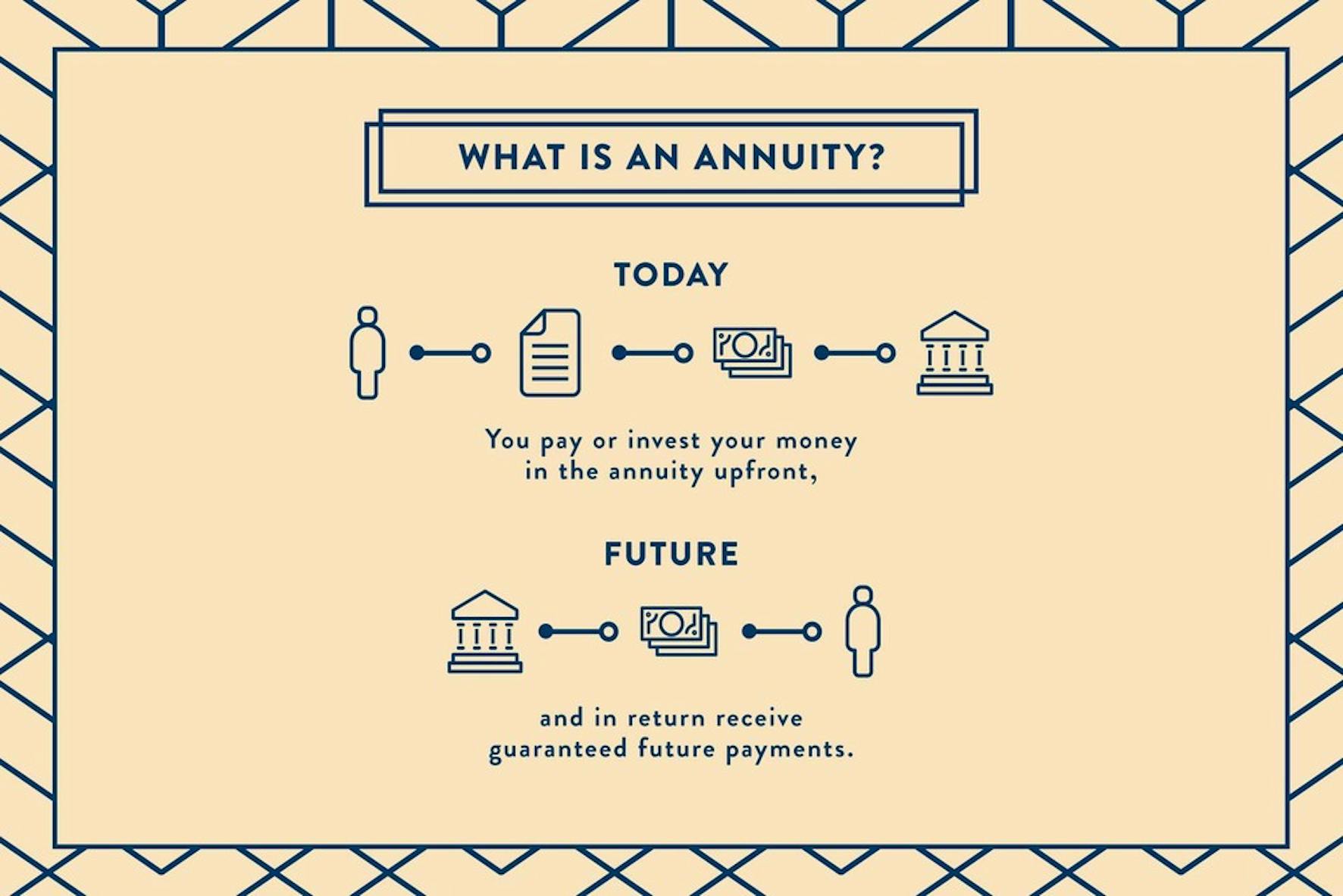
Annuities from Accordia act as financial vehicles that accept a lump sum or series of contributions, providing either immediate or deferred income.
- Fixed Annuities: These provide a guaranteed interest rate for a specific period, offering a stable growth environment.
- Fixed Index Annuities (FIAs): Similar to IUL insurance, these link interest earnings to an index while providing principal protection. They are favored by those seeking to participate in market growth without the risk of losing their initial principal to market volatility.
How Accordia Products Work: Key Mechanisms
To evaluate an Accordia policy, one must understand the interaction between premium payments, policy expenses, and crediting strategies.
- Premium Flexibility: Many Accordia policies allow for varying premium payments. While this provides utility, it also increases the risk of "lapse" if the cash value is insufficient to cover the monthly insurance costs as the insured person ages.
- Crediting Strategies: In indexed products, the "strategy" you choose determines how your cash value grows. You must balance the desire for high potential returns against the security of the floor.
- Surrender Charges: These are fees applied if you cancel an annuity or withdraw significant portions of your cash value within a specified number of years (often 5 to 10 years). This is a critical factor for liquidity planning.
Comparative Analysis of Product Features
The following table provides a high-level comparison of the common product types managed under the Accordia brand to assist in identifying the purpose of different policy structures.
| Feature | Universal Life | Indexed Universal Life | Fixed Index Annuity |
|---|---|---|---|
| Primary Goal | Permanent Death Benefit | Death Benefit + Growth | Retirement Income |
| Growth Driver | Fixed Interest Rate | Market Index (with Cap) | Market Index (with Cap) |
| Principal Risk | Low (Internal fees) | Low (Floor protection) | Low (Floor protection) |
| Liquidity | Higher (Via Withdrawals) | Medium | Lower (Surrender charges) |
| Tax Status | Tax-deferred growth | Tax-deferred growth | Tax-deferred growth |
Administrative Requirements and Managing Your Policy
Managing an Accordia policy requires proactive engagement with the provider's administrative systems. Because these policies are often long-term contracts, maintaining accurate records is vital.
Prerequisites for Policy Management:
- Digital Access: Accordia and Global Atlantic provide online portals for policyholders. Registering for these portals is the first step in ensuring you receive annual statements, prospectus updates, and billing notices.
- Beneficiary Maintenance: Life insurance policies are contractual, meaning the beneficiary named on the document overrides a will or trust. Periodically verifying that your beneficiary information is current is one of the most important administrative tasks a policyholder can perform.
- Annual Reviews: With indexed products, it is wise to review your indexing strategies annually. Market conditions change, and the strategy that worked in a high-interest environment may not be optimal during periods of market volatility.
Common Troubleshooting:
- Premium Shortfalls: If you receive a notice that your policy is in danger of lapsing, it is usually because the internal cash value has fallen below the amount required to cover the monthly cost of insurance. Contact a licensed financial professional or the service center immediately to discuss payment options or adjustments to the death benefit.
- Index Strategy Confusion: If your account statements show lower growth than expected, check whether your funds are allocated in a strategy that is currently being capped or one that has a lower participation rate.
Financial Strength and Regulatory Oversight
Accordia Life and Annuity Company is subject to state-level insurance regulation. Every state has a Department of Insurance that oversees the solvency and conduct of life insurers operating within its borders.
When evaluating the stability of an insurance company, financial professionals look at ratings from independent agencies such as AM Best, Moody’s, or Standard & Poor’s. While Accordia operates under the umbrella of Global Atlantic, you should verify the financial strength ratings assigned to the specific issuing company listed on your policy declarations page. Ratings reflect the company's ability to pay future claims; however, these ratings are subject to change and should not be construed as a guarantee of individual policy performance.
Essential Considerations Before Purchasing or Maintaining
Before entering into or maintaining a contract with Accordia, consider the following:
- Cost of Insurance (COI): In universal life products, the COI generally increases as you age. Ensure that your policy projections account for these rising costs so that the policy does not lapse in your later years.
- Complexity of Indexed Products: Do not buy an IUL or an FIA if you do not understand how the cap and the floor affect your specific policy. Always ask for an "illustration" that shows a "conservative" or "worst-case" scenario.
- Professional Consultation: Insurance is a financial product that interacts with your tax situation and estate plan. Consult with a qualified financial advisor who is not tied to a single carrier to ensure that an Accordia product fits into your broader financial picture.
Frequently Asked Questions
1. Is Accordia Life and Annuity still issuing new policies? Accordia continues to support existing policies and may issue new products through the broader Global Atlantic distribution network. Always check the official website or a licensed agent to confirm if specific product series are currently open for new applications.
2. How do I change the beneficiary on my Accordia policy? You must submit a formal Change of Beneficiary form. These forms are typically available on the policyholder portal. Do not rely on oral instructions to an agent; the request must be processed by the home office to be legally binding.
3. What happens if I stop paying premiums on my Accordia universal life policy? Unless the policy has enough accumulated cash value to pay the monthly costs through a mechanism called "Cost of Insurance Deduction," the policy will lapse. If a policy lapses, the death benefit is lost.
4. Are the returns on my indexed product guaranteed? The principal is generally protected by a floor (often 0%), meaning you will not lose value due to market downturns. However, the gains are never guaranteed; they depend on the performance of the index and the specific caps/participation rates defined in your contract.
5. How do I verify if my policy is "in force"? You can verify the status of your policy by logging into the Global Atlantic/Accordia policyholder portal or by calling the customer service number listed on your most recent annual statement.
Final Recommendation
The most important action you can take as an Accordia policyholder is to conduct an annual "policy audit." Request an updated illustration from the company to see if your policy is performing according to your original expectations. Compare your actual cash value against the projections you were given at the time of purchase. If you find discrepancies or if the projected premiums needed to keep the policy in force have increased, discuss these changes immediately with your financial advisor to explore your options before the policy approaches a critical lapse point.