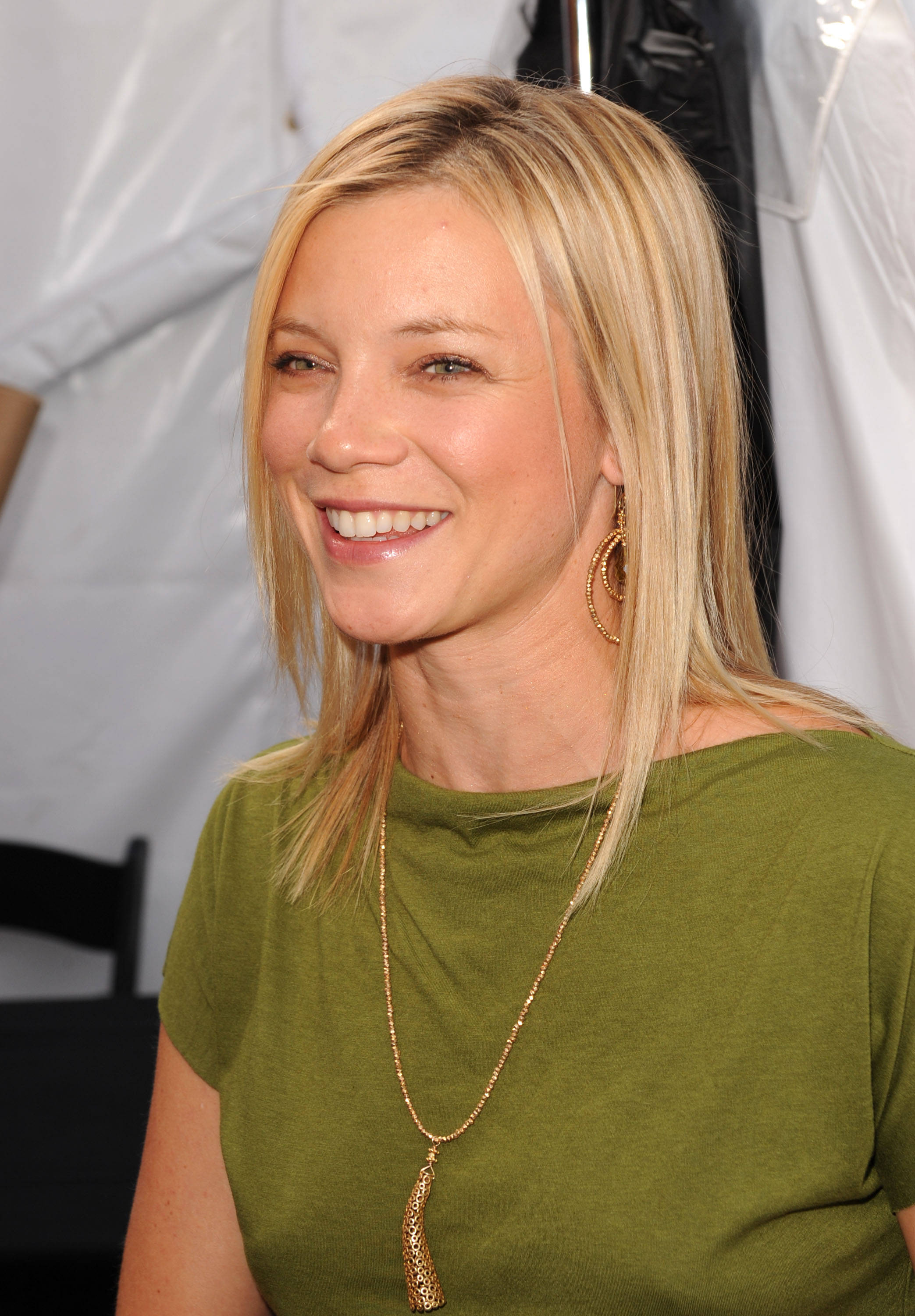
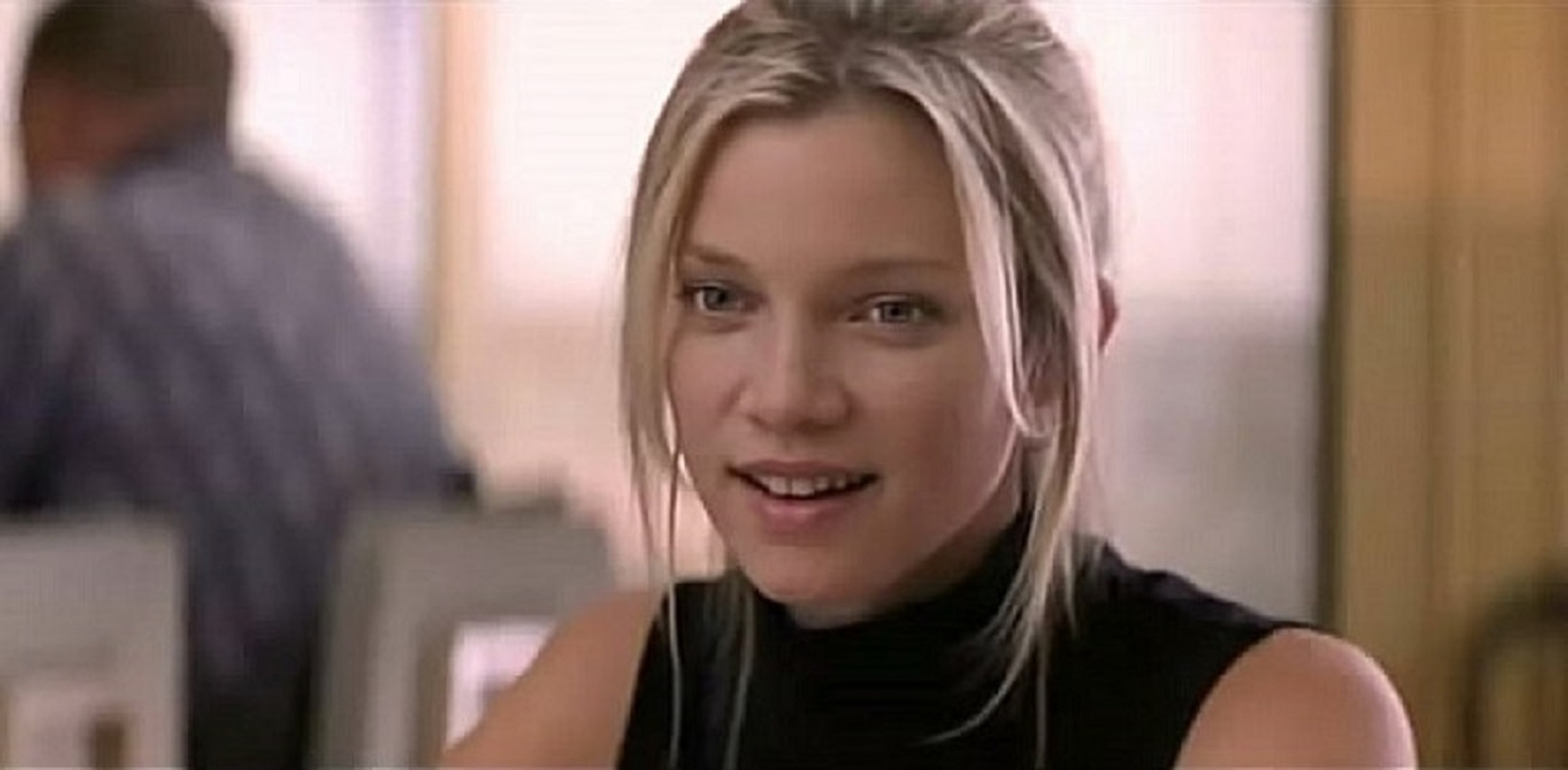
Amy Smart’s career in the 1990s transitioned from international fashion modeling to becoming a quintessential face of the late-decade teen cinema boom. Her rise was defined by her breakout role in Varsity Blues (1999) and a recurring part on Felicity, establishing her as a versatile talent who balanced blockbuster appeal with indie sensibility during the Y2K era.
The Foundation: From Milan Modeling to Hollywood Casting
Before Amy Smart became a household name in the late 1990s, her professional journey began in the world of high fashion. Throughout the mid-90s, Smart worked extensively as a model, primarily in Italy. This period was instrumental in developing the poise and camera presence that would later define her screen acting. It was during this time in Italy that she met fellow aspiring actress Ali Larter. The two formed a friendship that would eventually lead them both to Los Angeles and, coincidentally, to the same breakout project years later.
The transition from modeling to acting in the 90s was a well-trodden path, but Smart differentiated herself by seeking out roles that required more than just a physical presence. She began studying acting seriously in Los Angeles, aiming to bypass the "model-turned-actress" stigma that was prevalent in the industry at the time. Her early work consisted of small television appearances and minor film roles that served as a proving ground for her range.
1997: The First Wave of Film Appearances
The year 1997 marked Smart’s official entry into the cinematic landscape. She appeared in three distinct projects that showcased her ability to move between genres, a trait that would characterize her entire career.
Campfire Tales and the Horror Entry
In the anthology horror film Campfire Tales (1997), Smart appeared in the segment "The Hook." Playing the character of Jenny, she navigated the classic urban legend tropes with a level of sincerity that elevated the material. While the film was a modest production, it gained a significant cult following on home video, introducing Smart to a demographic of young horror fans who would follow her career into the next decade.
The Last Time I Committed Suicide
Smart also appeared in the independent biographical drama The Last Time I Committed Suicide in 1997. Starring alongside Thomas Jane and Keanu Reeves, she played the character Jean. The film, based on a letter written by Neal Cassady, was a stylistic departure from the mainstream. Her involvement in this project demonstrated an early interest in character-driven narratives and the "Beat Generation" aesthetic, proving she could hold her own in ensembles featuring established dramatic actors.
Starship Troopers: A Brief but Iconic Role
Perhaps the most high-profile appearance for Smart in 1997 was her role as Stack Lumbreiser in Paul Verhoeven’s satirical sci-fi epic Starship Troopers. Although her screen time was relatively brief, she played a pilot trainee and friend to the protagonist, Johnny Rico. Her presence in such a massive production, known for its groundbreaking visual effects and biting social commentary, placed her on the radar of major studio casting directors. Even in 2026, Starship Troopers is frequently cited as a masterclass in satire, and Smart’s participation remains a notable "before they were stars" moment for fans of the franchise.
1998: Building Momentum and Genre Diversity
By 1998, Amy Smart was beginning to secure more substantial supporting roles. She appeared in Strangeland, a techno-horror film written by and starring Dee Snider of Twisted Sister. Smart played Angela Stravelli, a teenager kidnapped by a sadistic predator who uses the early internet to lure victims.
Strangeland was notable for its exploration of the burgeoning "modern primitive" movement and the dangers of online chat rooms—a very specific 90s anxiety. Smart’s performance required a high level of emotional intensity and physical vulnerability, further distancing her from her modeling roots and establishing her as a capable dramatic performer in the thriller genre.
1999: The Year of the Breakout
If 1997 and 1998 were about building a resume, 1999 was the year Amy Smart became a star. This year saw the release of two films that defined her public persona and a television role that solidified her place in the "WB era" of pop culture.
Varsity Blues and Jules Harbor
Varsity Blues (released January 1999) was a cultural phenomenon. While much of the media attention at the time focused on the "whipped cream bikini" scene featuring Ali Larter, Amy Smart provided the film’s emotional core as Jules Harbor. As the girlfriend of the star quarterback and sister to the rebellious Mox (James Van Der Beek), Smart’s character represented the conflict between small-town expectations and personal ambition.
The film was a massive commercial success, grossing over $52 million domestically on a modest budget. It tapped into the late-90s obsession with high school sports and the pressures of youth. Smart’s portrayal of Jules was grounded and empathetic, making her the "girl next door" that audiences rooted for. This role is arguably her most enduring legacy from the 1990s.
Outside Providence: Transitioning to the 70s
Later in 1999, Smart starred in Outside Providence, a coming-of-age comedy written by the Farrelly brothers. Set in the 1970s, the film featured Smart as Jane Weston, the love interest of the main character, Timothy Dunphy.
Outside Providence allowed Smart to showcase a more naturalistic, understated acting style. The film received positive reviews for its authentic portrayal of the era and its heartfelt narrative. Playing opposite Shawn Hatosy and Alec Baldwin, Smart proved she could be the female lead in a romantic dramedy, expanding her appeal beyond the "teen movie" niche.
Felicity and the WB Influence
Television in the late 90s was dominated by The WB network, and Smart became a key part of its ecosystem when she joined the cast of Felicity. Playing the character Ruby, a student and aspiring actress who becomes a love interest for Noel Crane (Scott Foley), Smart appeared in a recurring capacity starting in 1999.
Her role in Felicity was significant because it connected her to the "J.J. Abrams/Matt Reeves" school of television, which emphasized character depth and interpersonal relationships over melodrama. Ruby was a complex character—ambitious, sometimes flawed, and deeply relatable. This role ensured that Smart was a weekly presence in the living rooms of millions of viewers, further cementing her status as a 90s icon.
Technical Career Analysis: Why Smart Succeeded in the 90s
The 1990s were a unique period for young actors. The rise of the "Teen Movie" as a viable commercial genre meant there was a high demand for talent that could appeal to both the MTV demographic and older audiences. Amy Smart succeeded where others failed due to several key factors:
- Versatility in Tone: Smart could move from the satirical sci-fi of Starship Troopers to the gritty horror of Strangeland without appearing out of place.
- Relatability: Unlike the hyper-glamorous stars of the 80s, Smart possessed a grounded, approachable quality that fit the "alt-90s" aesthetic.
- Collaborative Network: Her early association with rising stars like James Van Der Beek, Ali Larter, and Scott Foley placed her at the center of the decade's most influential creative circles.
- Professional Transition: By focusing on acting craft rather than just visual appeal, she successfully navigated the transition from modeling to a legitimate film career, a move that is historically difficult to execute.
Comparative Filmography of the Late 90s
The following table outlines the key projects that defined Amy Smart’s trajectory during the final years of the millennium.
| Year | Title | Role | Key Significance |
|---|---|---|---|
| 1997 | Campfire Tales | Jenny | Established her in the cult horror genre. |
| 1997 | The Last Time I Committed Suicide | Jean | Showcased her ability to handle indie/biographical material. |
| 1997 | Starship Troopers | Stack Lumbreiser | First major studio blockbuster experience. |
| 1998 | Strangeland | Angela Stravelli | Proved her range in intense, high-stakes thrillers. |
| 1999 | Varsity Blues | Jules Harbor | Major commercial breakout and career-defining role. |
| 1999 | Outside Providence | Jane Weston | Demonstrated leading-lady potential in period dramedies. |
| 1999 | Felicity (TV) | Ruby | Integrated her into the influential WB television landscape. |
The 90s "It Girl" Aesthetic
Beyond her filmography, Amy Smart embodied the fashion and cultural vibe of the late 90s. Her look—often characterized by minimalist makeup, athletic builds, and effortless blonde hair—matched the "California Cool" trend that dominated the era. She frequently appeared in fashion spreads and teen magazines like YM and Seventeen, bridging the gap between her modeling past and her acting future.
Her presence at 90s red carpet events typically featured the slips, spaghetti straps, and chokers that have seen a massive resurgence in the mid-2020s. For modern fashion historians, Smart serves as a primary reference point for the high-end "Teen Star" style of 1998–1999.
Frequently Asked Questions
What was Amy Smart's first movie?
Amy Smart's first significant film role was in the 1997 horror anthology Campfire Tales, where she played Jenny in the segment titled "The Hook." Before this, she had minor appearances in television movies and commercials, but Campfire Tales marked her debut in theatrical-style narrative film.
Did Amy Smart and Ali Larter work together in the 90s?
Yes, Amy Smart and Ali Larter were close friends before they became famous, having met while modeling in Italy. They famously co-starred in the 1999 hit Varsity Blues. Their real-life chemistry helped make the social dynamics of the film feel more authentic to audiences.
Who did Amy Smart play in the TV show Felicity?
In the 90s, Amy Smart played the recurring character Ruby in the hit series Felicity. She joined the show during its second season in 1999. Her character was an actress and a student who became involved in a significant romantic arc with the character Noel Crane.
Was Amy Smart considered a "Scream Queen" in the 90s?
While she didn't focus exclusively on horror, her roles in Campfire Tales (1997) and Strangeland (1998) earned her a reputation as a capable performer in the genre. She is often associated with the late-90s horror revival that followed the success of Scream, though her career quickly expanded into comedy and drama.
What is Amy Smart's most famous role from the 1990s?
Her most famous role from the 90s is undoubtedly Jules Harbor in Varsity Blues (1999). The film was a cultural touchstone for the decade and remains a staple of the "teen sports movie" genre, largely due to its cast and its depiction of small-town Texas football culture.
Summary and Next Steps for Fans
Amy Smart’s work in the 1990s represents a specific moment in Hollywood history when teen-oriented media began to treat its subjects with more complexity and commercial weight. From her early days in sci-fi and horror to her definitive breakout in 1999, she built a foundation of work that allowed her to transition into a long-lasting career in the 2000s (with hits like Road Trip and The Butterfly Effect).
For those looking to explore her 90s filmography today, the best starting point is Varsity Blues, followed by Outside Providence. These two films provide the clearest picture of her range and the "girl-next-door" charisma that defined her early stardom. Many of these titles are available on major streaming platforms as of 2026, often found within "90s Nostalgia" or "Coming of Age" curated collections.