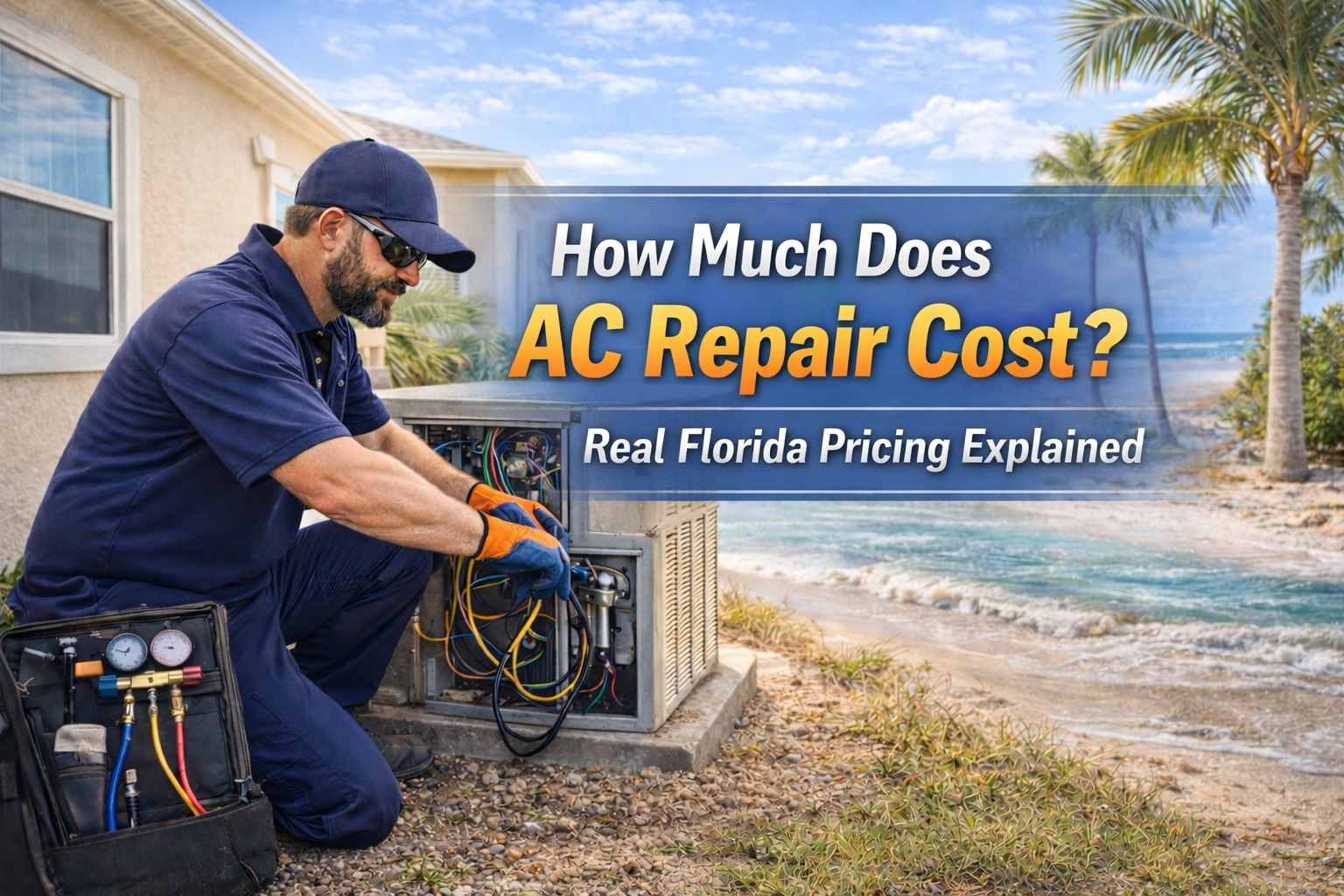
In Melbourne, Florida, professional AC repair involves diagnosing and fixing cooling failures caused by high humidity, salt-air corrosion, and extreme thermal stress. Reliable service providers in Brevard County offer emergency repairs, refrigerant leak detection, and component replacements to ensure systems withstand the 2026 tropical climate while maintaining energy efficiency standards and indoor air quality.
Understanding the Melbourne Cooling Challenge
Melbourne residents face a unique set of environmental factors that dictate the frequency and type of air conditioning repairs required. Unlike inland regions, the proximity to the Atlantic Ocean introduces salt spray into the atmosphere, which can significantly accelerate the deterioration of outdoor condenser units. By 2026, the local HVAC industry has shifted heavily toward high-efficiency systems that comply with updated federal standards, yet many older homes in neighborhoods like Eau Gallie or Suntree still rely on legacy hardware that requires specialized maintenance.
The primary driver for AC repair in this region is the sheer volume of operation. In Central Florida, air conditioners often run for ten to twelve months a year. This constant cycling leads to mechanical wear on motors, compressors, and capacitors. Furthermore, the high humidity levels (often exceeding 80%) mean that the evaporator coil must work overtime to dehumidify the air. When the system fails to remove moisture effectively, it not only compromises comfort but can also lead to structural issues like mold growth or "dirty sock syndrome" within the ductwork.
Common AC Issues Specific to Brevard County
When an air conditioner fails in Melbourne, the root cause is often linked to the local environment. Technicians frequently encounter specific failures that are less common in drier or cooler climates.
Salt-Air Corrosion (Pitting)
For homes located east of the Indian River Lagoon or near the beaches, salt-air corrosion is a leading cause of premature system failure. Salt particles settle on the aluminum fins and copper tubing of the condenser. This leads to "pitting," where the metal thins and eventually develops microscopic leaks. By 2026, many repair services recommend specialized coatings for new coils, but for existing units, repair often involves intensive cleaning or complete coil replacement.
Condensate Line Clogs
Florida’s humidity creates a breeding ground for algae and "slime" within the PVC drain lines that carry water away from the indoor air handler. If these lines are not regularly treated, the backup can trigger a float switch—shutting down the system—or cause water damage to the home's ceiling or flooring. Melbourne AC repair calls frequently involve clearing these blockages and installing modernized UV lights or biological treatments to prevent recurrence.
Electrical Component Stress
The intense heat of a Melbourne summer causes electrical components to run at higher temperatures. Start capacitors, which provide the initial jolt of energy to kickstart the compressor, are prone to "bulging" or exploding during heatwaves. Additionally, the frequent afternoon thunderstorms common in Brevard County can lead to power surges that damage sensitive inverter boards in modern, high-SEER2 units.
The Professional Diagnostic Process
A reputable HVAC technician in Melbourne follows a systematic approach to identify the failure. Understanding this process helps homeowners verify they are receiving thorough service rather than a "quick fix" that ignores underlying issues.
- Thermostat and Control Verification: The technician first checks the communication between the thermostat and the unit. In many cases, a "broken" AC is simply a dead battery in a smart thermostat or a blown low-voltage fuse.
- Airflow Analysis: Before checking refrigerant levels, the technician must ensure the system can breathe. This involves inspecting the air filter, the blower motor speed, and the cleanliness of the evaporator coil. Restricted airflow often mimics the symptoms of low refrigerant.
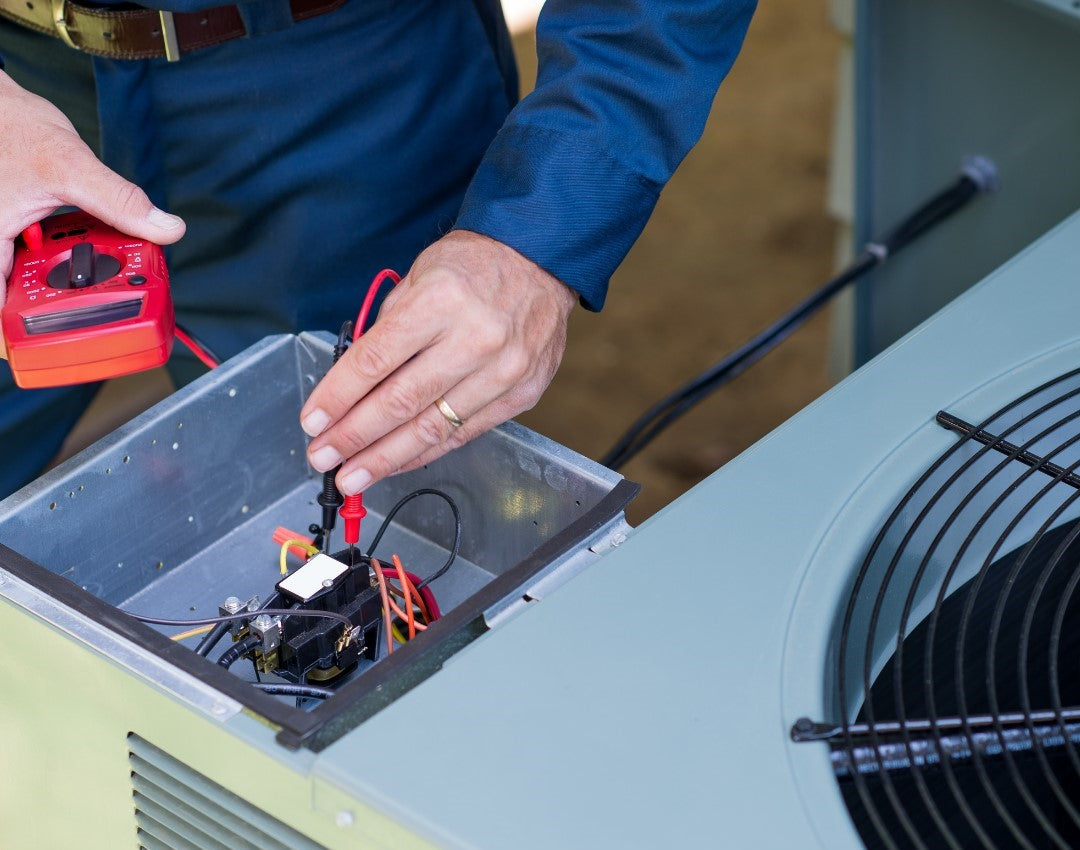
- Electrical Testing: Using a multimeter, the technician measures the "draw" (amperage) of the compressor and fan motors. They also check the capacitance of the start and run capacitors against their rated microfarads.
- Refrigerant Pressure and Temperature Check: Utilizing digital manifolds, the tech measures the subcooling and superheat. This tells them if the system has a leak, a restriction in the expansion valve, or an overcharge.
- Safety Switch Inspection: Technicians verify that high-pressure switches and float switches are operational, ensuring the system shuts down before causing catastrophic damage or flooding.
Cost of AC Repair in Melbourne, Florida (2026 Estimates)
Repair costs can vary based on the age of the unit, the type of refrigerant it uses (R-410A vs. the newer R-454B or R-32 common in 2026), and the complexity of the labor. Below is a breakdown of typical costs for common repairs in the Melbourne area.
| Repair Type | Estimated Cost Range (Labor & Parts) | Primary Factor Influencing Cost |
|---|---|---|
| Service Call / Diagnostic Fee | $85 – $160 | Usually waived if repair is performed. |
| Capacitor Replacement | $175 – $350 | Type of capacitor (start vs. run) and brand. |
| Contactor Replacement | $150 – $300 | Amperage rating and accessibility. |
| Blower Motor (Standard) | $450 – $900 | Horsepower and mounting complexity. |
| Blower Motor (ECM/Variable) | $900 – $1,800 | Sophistication of the motor's control board. |
| Refrigerant Recharge (R-410A) | $300 – $800 | Amount of gas needed (per pound pricing). |
| Evaporator Coil Replacement | $1,200 – $2,800 | Tonnage of unit and warranty status. |
| Compressor Replacement | $1,800 – $3,500 | System capacity and labor hours required. |
| Condensate Line Flush | $125 – $250 | Severity of the clog and access to the line. |
Navigating SEER2 and Energy Standards in 2026
By 2026, the HVAC landscape in Florida has fully integrated the SEER2 (Seasonal Energy Efficiency Ratio 2) standards that were implemented in 2023. For Melbourne homeowners, this means that if a repair for an older unit exceeds 50% of the cost of a new system, replacement is often the more fiscally responsible choice.
The U.S. Department of Energy (DOE) mandates specific efficiency minimums for the Southeast region. Modern systems installed in Melbourne are designed to handle the "latent load" (humidity) much better than units from a decade ago. If your current unit requires frequent repairs and was manufactured before 2015, it likely operates at a SEER rating of 13 or 14. Moving to a SEER2-compliant system can reduce monthly cooling bills from Florida Power & Light (FPL) by 20% to 40%, depending on the unit's configuration.
Choosing the Right HVAC Contractor in Melbourne
Florida has strict licensing requirements for HVAC contractors. When seeking AC repair in Melbourne, it is vital to verify the credentials of the company to ensure your warranty remains valid and the work meets the Florida Building Code.
- Licensure: Ensure the contractor holds a current license from the Florida Department of Business and Professional Regulation (DBPR). A "Certified Air Conditioning Contractor" (Class A or Class B) is authorized to work statewide.
- Insurance: The company should carry both General Liability and Workers’ Compensation insurance. This protects the homeowner from liability if a technician is injured on the property.
- Load Calculations: If the repair involves replacing a major component like a compressor or an entire coil, the contractor should be able to explain how they are ensuring the component is correctly sized for your home’s square footage and insulation levels.
- Emergency Availability: Given Melbourne’s heat, a contractor who offers 24/7 emergency service is preferable, as temperatures inside a closed Florida home can reach dangerous levels (above 90°F) within hours of a system failure.
Maintenance vs. Repair: The Prevention Strategy
Many AC repairs in Melbourne are preventable through biannual maintenance. Because of the "high-use" nature of the Florida climate, a "set it and forget it" mentality leads to early system mortality.
The Importance of the Coil Clean
A dirty evaporator coil (indoor) or condenser coil (outdoor) forces the compressor to run hotter and longer. In Melbourne, the outdoor coil often becomes "blanketed" with lawn debris, dust, and salt. A professional maintenance visit should include a chemical or pressurized water cleaning of these coils to maintain heat transfer efficiency.
Refrigerant Level Monitoring
Systems do not "consume" refrigerant; they are closed loops. If a technician finds your system is low on gas, there is a leak. Small leaks can sometimes be managed for a season, but in the long term, they cause the compressor to overheat. In 2026, with the phase-down of high-GWP (Global Warming Potential) refrigerants under the EPA's AIM Act, the cost of older refrigerants like R-410A has risen. Fixing leaks promptly is now a significant financial priority.
Troubleshooting Before You Call a Pro
Before paying for a service call, Melbourne homeowners should perform these basic checks:
- Check the Breaker: Air conditioners have two breakers—one for the indoor air handler and one for the outdoor condenser. Ensure neither has tripped.
- Inspect the Filter: A heavily soiled filter can cause the evaporator coil to freeze into a block of ice, stopping all cooling. If you see ice on the copper lines, turn the system off, change the filter, and wait 4-6 hours before restarting.
- Clear the Drain Pan: Look at the secondary drain pan under your indoor unit (if applicable). If it is full of water, the safety float switch has likely cut power to the unit. Siphoning this water out may temporarily restore cooling, but the line still needs professional clearing.
- Thermostat Settings: Ensure the thermostat is set to "Cool" and "Auto" rather than "Fan On," which can circulate humid air without cooling it.
Frequently Asked Questions
Why is my AC running but not cooling my Melbourne home?
This is usually caused by either a refrigerant leak or a failed compressor capacitor. If the indoor blower is blowing air but that air isn't cold, the outdoor unit may not be engaging. In the Melbourne climate, this can also happen if the outdoor condenser coil is so dirty that it cannot dissipate heat.
How often should I change my AC filter in Florida?
In Melbourne, due to year-round operation and high pollen counts, filters should be checked every 30 days. If you use a standard 1-inch pleated filter, replace it every 1 to 3 months. High-efficiency media filters (4-inch) may last 6 to 12 months, but their performance should be monitored during peak summer months.
Is it worth repairing a 10-year-old AC unit?
Generally, if the repair costs more than $1,000 and the unit is over 10 years old, replacement is recommended. In Florida, the lifespan of an AC unit is typically 10-12 years due to the heavy workload and salt-air exposure. Newer units are significantly more efficient and use modern refrigerants that are cheaper to maintain.
Why does my AC smell like "dirty socks"?
This is known as Dirty Sock Syndrome, caused by bacteria and mold buildup on the evaporator coil. It is common in humid areas like Melbourne. A professional cleaning of the coil with an antimicrobial solution, or the installation of a UV air purifier, usually resolves the issue.
Can salt air really break my AC?
Yes. Salt air causes galvanic corrosion, where the bond between the aluminum fins and copper tubes of your condenser degrades. This reduces the unit's ability to release heat and eventually causes refrigerant leaks. Homeowners within five miles of the coast should rinse their outdoor units with fresh water (low pressure) monthly to remove salt deposits.
What are the signs that my AC compressor is failing?
Common signs include loud "clunking" or "grinding" noises upon startup, the unit tripping the circuit breaker repeatedly, or the fan running while the compressor remains silent and hot to the touch. A failing compressor is a major repair that often warrants a full system replacement.
Final Recommendations for Melbourne Residents
To ensure reliable cooling in 2026, Melbourne homeowners should prioritize a relationship with a licensed HVAC provider before an emergency occurs. Annual maintenance agreements often include priority scheduling, which is invaluable during the "peak" months of July and August when wait times for repairs can exceed 48 hours.
If your system is currently failing, request a comprehensive diagnostic report that includes "static pressure" and "amperage" readings. This data-driven approach ensures the technician is addressing the cause, not just the symptom. Finally, always verify that any replacement parts or new systems are registered for warranty with the manufacturer (such as Carrier, Trane, or Rheem) to protect your investment against the harsh Florida elements.