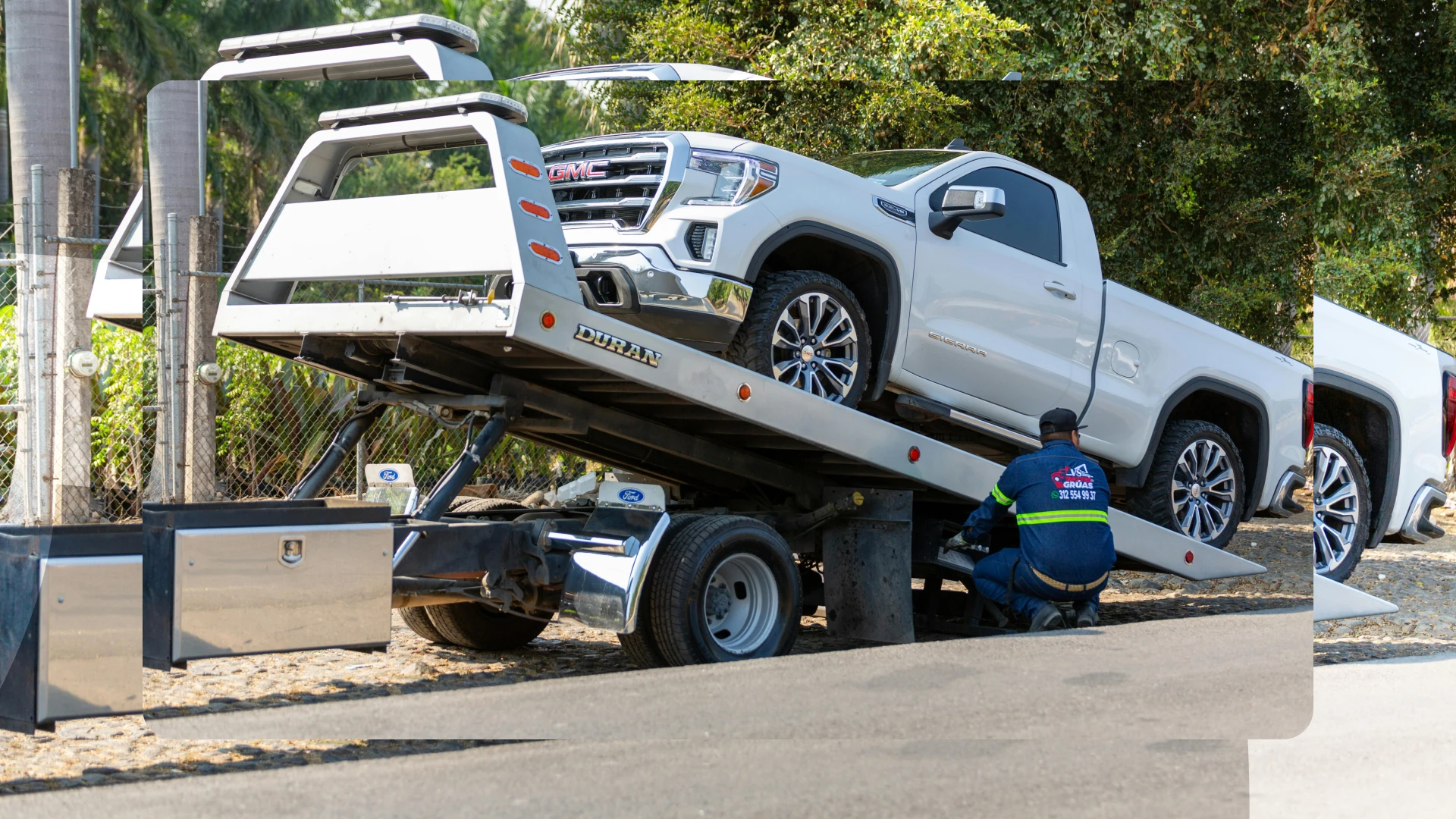
AAA roadside assistance typically provides towing for the covered vehicle, but coverage for a towed trailer is distinct and often requires a specific membership tier or an add-on policy. While basic AAA membership covers the member in the vehicle they are driving, towing a trailer—such as a boat trailer, camper, or utility trailer—often falls outside standard passenger vehicle roadside assistance, requiring advanced membership levels or supplemental RV coverage to ensure you are not left responsible for the full cost of a separate tow.
Understanding the Scope of AAA Membership Tiers
To determine if your AAA membership covers your trailer, you must first distinguish between standard roadside assistance and specialized RV coverage. AAA is a federation of regional clubs, meaning policies can vary slightly by location, but the overarching structure remains consistent across the United States.
Most base-level AAA memberships (often labeled "Classic" or "Basic") are designed to provide roadside assistance—including towing, battery service, and lockout service—exclusively for the primary vehicle you are operating. These plans usually explicitly exclude trailers. If your vehicle breaks down while pulling a trailer, a standard plan will cover the towing of your car, but the tow truck operator is under no obligation to tow the trailer. This often leaves members in a precarious position, as they must arrange for a separate service or be forced to abandon the trailer in a secure location.
To mitigate this, AAA offers "Plus RV" and "Premier RV" membership tiers. These tiers are specifically designed to include roadside assistance for motorcycles, motorhomes, and travel trailers. When you carry an RV-level membership, the service typically extends to the trailer itself, ensuring that if you experience a flat tire on the trailer or a mechanical failure that requires the trailer to be towed, the service is included within your annual allotment.
The Difference Between Insurance and Roadside Assistance
A critical point of confusion for many drivers is the distinction between an auto insurance policy—which covers financial liability for accidents—and AAA roadside assistance, which is a membership-based service for vehicle maintenance emergencies.
If you are asking about "AAA Auto Insurance," you are likely referring to the insurance products sold through AAA’s various regional insurance agencies. It is important to note that a standard auto insurance policy generally provides liability coverage for trailers while they are being towed (meaning if you cause an accident with the trailer, your insurance covers the damage to others). However, standard auto insurance does not provide roadside assistance. If you have an insurance policy with AAA, you must still maintain a separate AAA membership to access the towing and roadside benefits that cover a trailer.
Why Standard Towing Excludes Trailers
Towing a trailer requires specialized equipment. A standard light-duty flatbed or wheel-lift truck is rarely equipped to secure a heavy boat, a fifth-wheel camper, or even a large utility trailer safely. When a call center receives a request for service, they dispatch equipment based on the vehicle type registered in their system. If you attempt to use standard assistance for a trailer, you may find that the driver arrives, realizes they cannot legally or safely transport your specific trailer, and must decline the service.
Determining Your Current Coverage
Before you find yourself stranded, you must verify your specific coverage status. You can do this by following these steps:
- Check Your Membership Card: Look for the "Plus RV" or "Premier RV" designation. If your card only says "Classic" or "Plus," your trailer is likely not covered for towing.
- Review the Membership Agreement: Log in to your regional AAA club’s member portal. Every club has a unique "Member Guide" or "Evidence of Coverage" document that explicitly outlines the dimensions and weight limits for covered trailers.
- Call Member Services: Because regional clubs operate independently, a quick call to the number on the back of your card is the most reliable way to confirm if your specific trailer type (e.g., horse trailer vs. cargo trailer) qualifies under your current plan.
Comparative Overview of Towing Coverage
| Feature | Classic/Basic Membership | Plus RV / Premier RV |
|---|---|---|
| Primary Vehicle Towing | Included | Included |
| Trailer Towing | Generally Excluded | Included |
| Flat Tire Assistance | Vehicle Only | Vehicle and Trailer |
| Lockout Service | Vehicle Only | Vehicle and Trailer |
| Fuel Delivery | Vehicle Only | Vehicle and Trailer |
Note: Availability and specific weight limits for trailers vary by regional club. Always verify with your specific branch.
Factors That Influence Coverage Eligibility
Even if you hold an RV-tier membership, there are operational limitations that can lead to denied service. Understanding these is essential for proactive planning.
Weight and Dimension Limits
AAA services are bound by the capability of the dispatched equipment. Most "RV" plans have a maximum length and weight for the trailers they will service. If your trailer exceeds these limits, the dispatcher will inform you that it is beyond the scope of their roadside provider network. In such cases, you may be required to hire a private heavy-duty towing company, and you would then need to contact AAA to see if a reimbursement process is available for the out-of-pocket costs.
Load Status
Roadside assistance providers almost universally refuse to tow a trailer that is loaded with commercial cargo or hazardous materials. Furthermore, if you are moving and your trailer is fully loaded, many service providers will require you to unload the trailer before they can attach it to a tow vehicle for safety and liability reasons.
Accessibility
Roadside assistance is intended for public roadways. If you are parked at a campsite, a private off-road trail, or an unmaintained dirt road, the tow truck operator may decline to retrieve your trailer. Ensuring you are on a paved or reasonably maintained thoroughfare is a prerequisite for standard AAA service requests.
What to Do If You Are Not Covered
If you find that your current membership does not cover your trailer, you have three primary options:
- Upgrade Your Membership: In many regions, you can upgrade your account to an RV-inclusive tier mid-cycle by paying a prorated fee. This is often the most cost-effective solution if you have multiple trips planned.
- Purchase Standalone Trailer Insurance: Some insurance providers offer "Roadside Assistance Add-ons" specifically for trailers. These often have higher weight limits than club memberships and can be a viable alternative for heavy campers.
- Third-Party Roadside Services: Several specialized RV roadside assistance clubs exist that focus exclusively on trailers and motorhomes. These are often better equipped to handle large, heavy, or unconventional trailer setups than a standard auto club.
Common Mistakes to Avoid
Many motorists assume that because their primary car is covered, the "package" is covered. This is the most common error that leads to stranded travelers.
- Assuming Coverage: Never assume your trailer is covered based on hearsay. Always confirm your membership tier provides "RV/Trailer" protection.
- Waiting Until the Emergency: Roadside assistance plans often have a "waiting period" (typically 48 to 72 hours) after an upgrade before the new benefits take effect. If you upgrade on the day of your trip, you may not be covered.
- Failure to Report the Trailer: When you call for help, you must explicitly state that you are towing a trailer. If you call for a tow for your truck and the driver arrives to find you also have a trailer, they may be forced to leave you behind because they did not bring the necessary equipment to tow both items.
Expert Recommendations for Trailer Owners
For those who frequently tow, the most reliable strategy is a tiered approach to preparedness. First, ensure your vehicle insurance includes liability coverage for towed items. Second, maintain a top-tier AAA RV membership to handle the logistics of mechanical failures on the road. Finally, carry a basic emergency kit—including a spare tire, a jack rated for the trailer’s weight, and a tire pressure gauge—as even with a membership, wait times for specialized towing equipment can be significant in remote areas. By being self-reliant for minor fixes, you save your "service calls" for the events that truly require professional heavy-duty assistance.