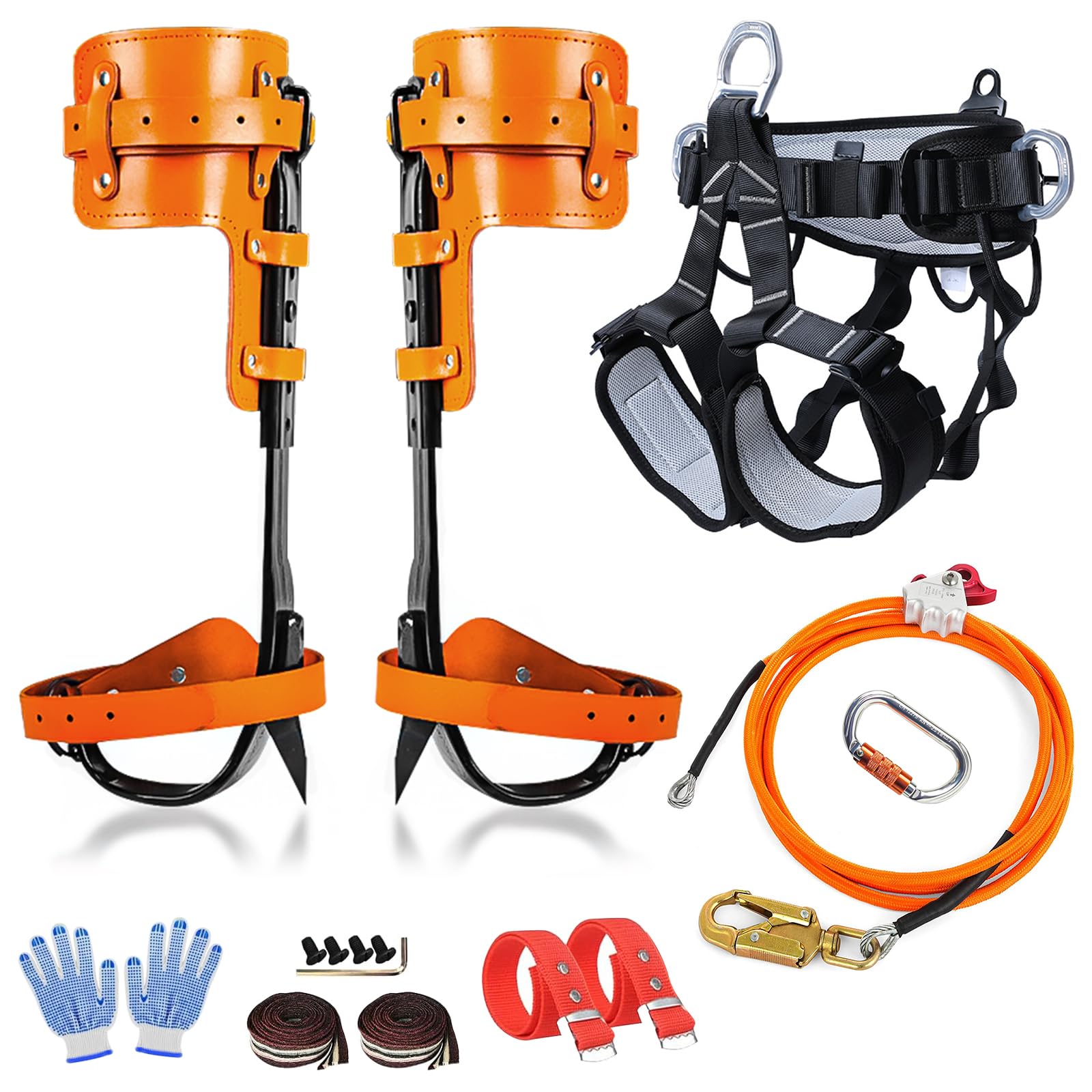
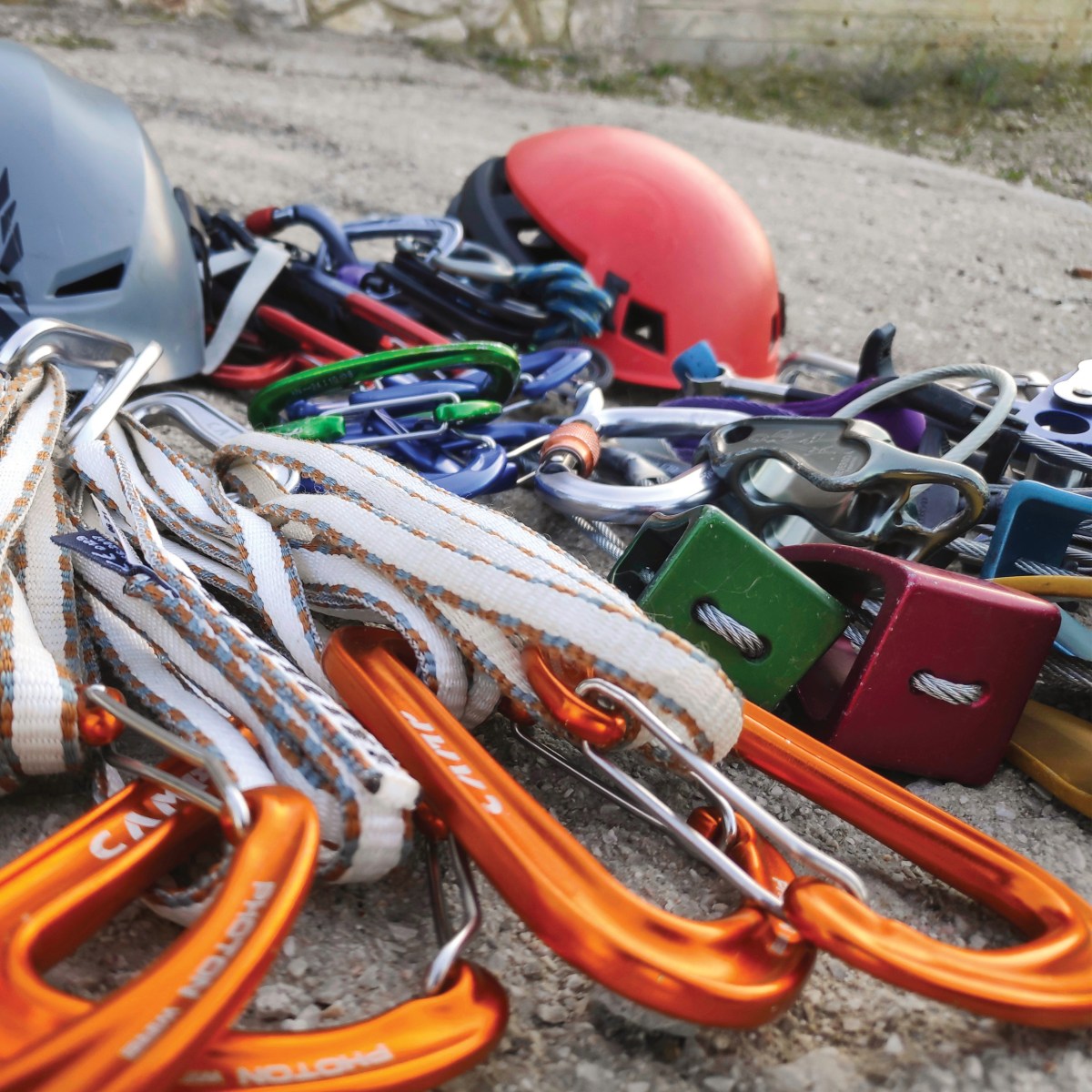
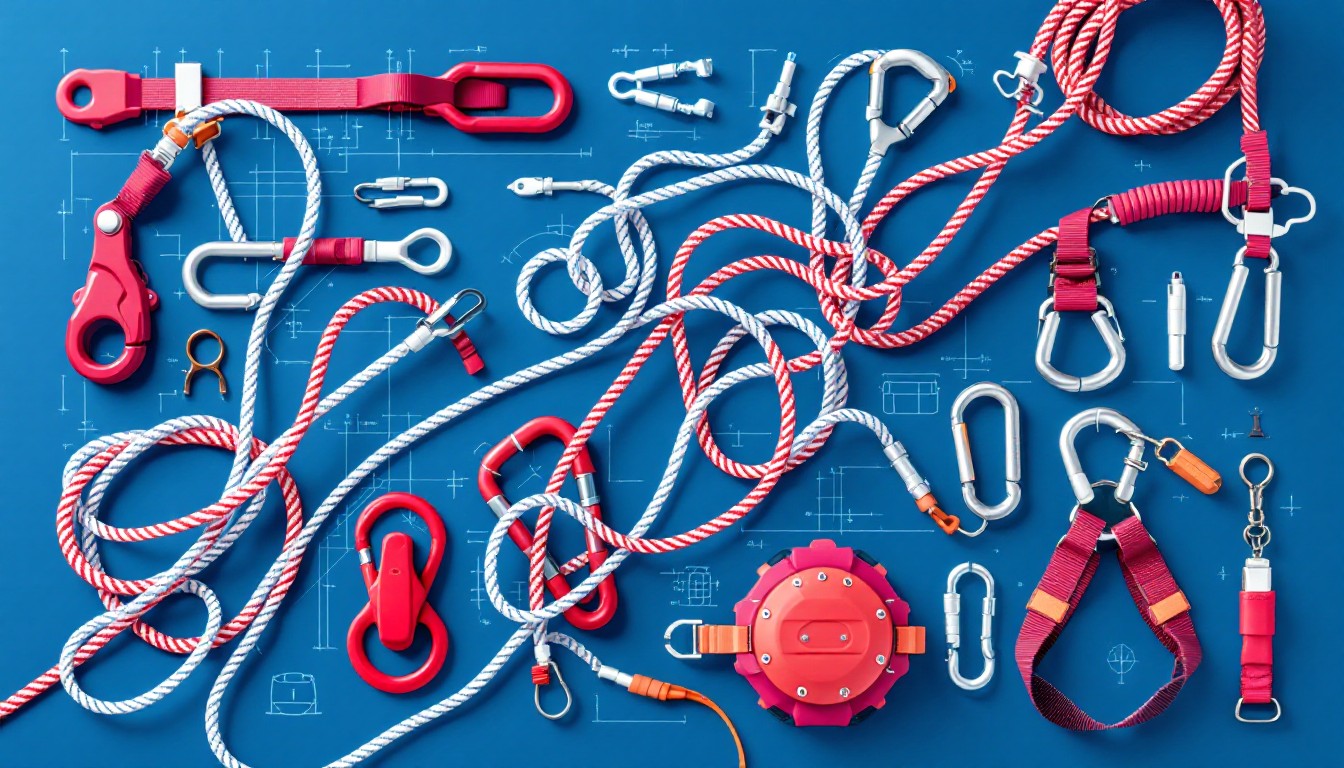
Essential 6-letter climbing gear includes the anchor, chocks, friend, Grigri, pitons, slings, pulley, and swivel. These tools range from passive protection like chocks to complex mechanical devices like the Grigri, each playing a critical role in fall arrest, rope management, and climber safety across various disciplines of the sport.
Whether you are solving a crossword puzzle or outfitting a rack for a traditional multi-pitch ascent, understanding climbing equipment categorized by word length reveals a surprising amount of the sport's history and technical evolution. From the "clean climbing" revolution of the 1970s to the high-tech assisted braking devices of 2026, these six-letter components represent the backbone of modern vertical systems.
The Evolution of Passive Protection: Chocks
In the context of climbing, chocks (often referred to as "nuts" or "stoppers") are the most fundamental form of passive protection. A chock is a simple wedge of metal—usually aluminum—attached to a wire cable. It is designed to be wedged into a narrowing crack in the rock. When a climber falls, the force pulls the chock deeper into the constriction, creating a secure point of attachment to the cliff face.
The History of the Chock
The use of chocks revolutionized climbing in the late 1960s and early 1970s. Before this era, climbers primarily used pitons, which were hammered into the rock. This practice caused significant damage to the stone. The introduction of chocks allowed for "clean climbing," where gear could be placed and removed without leaving a permanent mark.
Technical Design and Application
Modern chocks in 2026 are precision-engineered. Most feature a "transverse taper," meaning they are shaped to fit in two different orientations. A single set of chocks can cover a wide range of crack widths.
- Materials: High-grade 6061 or 7075 aluminum alloys provide the best balance between weight and durability.
- Curvature: Many chocks feature a slight curve on one or more faces, allowing them to "seat" more securely in irregular rock features.
- Strength: While sizes vary, most medium-to-large chocks are rated to withstand forces of 10 to 12 kilonewtons (kN).
The Revolution of Active Protection: The Friend
The word friend holds a legendary status in the climbing world. It refers specifically to the first commercially successful Spring-Loaded Camming Device (SLCD), invented by Ray Jardine in the late 1970s and manufactured by Wild Country. While many climbers now use the generic term "cam," the "Friend" remains the definitive 6-letter term for this category of active protection.
How a Friend Works
Unlike a passive chock, a Friend is an active device. It uses internal springs to push four (or sometimes three) cam lobes outward against the walls of a crack. This allows the device to stay in place even in parallel-sided cracks where a passive wedge would simply fall out. When a load is applied to the stem of the device, the geometry of the lobes converts that downward pull into outward pressure against the rock, a concept known as the "logarithmic spiral."
The Importance of the Logarithmic Spiral
The genius of the Friend lies in its constant camming angle. No matter how much the device is retracted or expanded (within its operating range), the angle at which the lobes contact the rock remains the same. This ensures that the outward force generated is always sufficient to hold the device in place without fracturing the rock or causing the device to "walk" out of position.
Assisted Braking and Safety: The Grigri
Manufactured by the French company Petzl, the Grigri is perhaps the most famous assisted braking device (ABD) in history. Since its introduction in 1991, it has become the gold standard for sport climbing belaying. In 2026, the current iterations of the Grigri continue to lead the market in reliability and ease of use.
Mechanics of Assisted Braking
The Grigri uses a camming mechanism inside the device. When a sudden force is applied to the rope—such as when a climber falls—the rope accelerates, causing an internal cam to pivot and pinch the rope against the device body. This assists the belayer in stopping the fall. It is important to note that the Grigri is assisted braking, not automatic braking; the belayer must always maintain a hand on the brake side of the rope.
Why Use a Grigri?
- Reduced Fatigue: On long projects where a climber might hang on the rope frequently, the assisted braking feature significantly reduces the physical strain on the belayer’s hands.
- Increased Safety Margin: While it does not replace proper technique, it provides an extra layer of security in the event of belayer distraction or an external incident (such as being hit by a falling rock).
- Controlled Lowering: The handle on the side of the device allows for a highly modulated descent, giving the belayer precise control over the speed at which the climber is lowered.
Connecting the System: Slings and Webbing
Slings, also known as runners, are loops of high-strength webbing used for a variety of purposes. They are arguably the most versatile 6-letter item in a climber's kit.
Material Differences: Nylon vs. Dyneema
Slings are generally made from one of two materials:
- Nylon (Polyamide): These are thicker, heavier, and have a higher melting point. Nylon slings have a slight amount of elasticity, which can help absorb a small portion of the energy in a fall.
- Dyneema (UHMWPE): These are much thinner and lighter. Dyneema is incredibly strong for its weight but has almost zero elasticity and a much lower melting point than nylon. In 2026, hybrid weaves that combine these materials are common to optimize for both weight and durability.
Common Uses for Slings
- Extending Protection: If a route wanders sideways, a climber can use a sling to "extend" a piece of gear. This keeps the rope running in a straight line, reducing friction (rope drag) and preventing the rope from pulling the gear out of position.
- Building Anchors: Slings are used to connect multiple pieces of protection together to create a centralized master point.
- Aiding in Rescues: They can be fashioned into foot loops (prusiks) or used in mechanical advantage systems.
Foundational Safety: The Anchor
An anchor is the terminal point of a climbing system. Whether it is at the top of a single-pitch sport route or at the end of a long pitch on a big wall, the anchor is what secures the rope and the climbers to the mountain.
Qualities of a Good Anchor
In 2026, the climbing community continues to emphasize the "SERENE" or "ERNEST" acronyms for anchor building. A safe anchor must be:
- Strong/Solid: Every component must be able to withstand the potential forces of a fall.
- Equalized: The load should be distributed as evenly as possible across all pieces of protection.
- Redundant: If one piece of the anchor fails, the others must be sufficient to hold the load.
- No Extension: If one piece fails, the anchor should not drop significantly, which would shock-load the remaining pieces.
Types of Anchors
- Natural Anchors: Utilizing large trees or stable rock horns.
- Fixed Anchors: Using expansion bolts drilled into the rock, common in sport climbing.
- Removable Anchors: Built using gear like chocks and Friends in traditional climbing.
Mechanical Advantage and Rescue: Pulley and Swivel
While less common on a standard sport climbing rack, the pulley and swivel are essential for big wall climbing, hauling gear, and search and rescue (SAR) operations.
The Role of the Pulley
A pulley reduces the friction involved in moving a rope through a system. In hauling scenarios, a high-efficiency pulley can mean the difference between successfully moving 100 pounds of gear and being stuck. Pulleys are often integrated into "haul bags" or used in "Z-drag" systems to rescue a fallen climber.
The Function of the Swivel
A swivel is a device that allows two connected components to rotate independently of one another. When hauling heavy bags up thousands of feet of rock, the rope naturally wants to twist. Without a swivel, this twisting would create knots and tangles (pigtails) that could jam the system. By 2026, ball-bearing swivels have become standard, offering incredibly smooth rotation even under heavy loads.
Traditional Roots: The Piton
The piton is a 6-letter gear item that represents the history of the sport. It is a metal spike that is hammered into a crack. While rarely used in modern "clean" rock climbing, they remain vital for certain types of alpinism, aid climbing, and ice climbing.
Piton Varieties
- Knifeblades: Thin pitons for very narrow cracks.
- Lost Arrows: Mid-sized, durable pitons.
- Angles: V-shaped pitons designed for wider cracks.
The decline of the piton was driven by environmental ethics. Every time a piton is hammered in and pulled out, it damages the rock, eventually turning small cracks into large "pin scars." Modern climbers generally only use pitons in situations where no other form of protection is possible.
Ancillary Gear: Gloves and Brushes
Not all climbing gear is designed to hold a fall. Some 6-letter items are used for maintenance and comfort.
Gloves
Belay gloves are essential for protecting the hands from rope burn, especially when lowering a climber on a long route or rappelling. They are typically made of leather with reinforced palms. In aid climbing, gloves are used to protect the hands from the constant friction of handling gear and ropes.
Brushes
Climbing brushes are used to clean excess chalk, dirt, or lichen from holds. Keeping holds clean is not just about ethics; it is about safety and performance. Excess chalk can actually become slippery over time, and a quick brush can restore the natural friction of the rock.
Comparison of 6-Letter Climbing Gear
The following table compares the primary functions, materials, and typical strength ratings of the gear discussed above.
| Gear Name | Primary Function | Common Material | Standard Strength (Approx.) | Category |
|---|---|---|---|---|
| Anchor | System Foundation | Mixed (Bolts/Webbing) | 22+ kN | Terminal Safety |
| Chocks | Passive Protection | Aluminum / Steel | 2 - 12 kN | Traditional |
| Friend | Active Protection | Aluminum / Steel | 8 - 14 kN | Traditional |
| Grigri | Assisted Belaying | Aluminum / Stainless | N/A (Device Rating) | Mechanical |
| Pitons | Fixed Protection | Chromoly Steel | Variable | Alpine/Aid |
| Slings | Extension/Anchors | Nylon / Dyneema | 22 kN | Textile |
| Pulley | Friction Reduction | Aluminum / Stainless | 20 - 36 kN | Mechanical |
| Swivel | Twist Prevention | Aluminum Alloy | 23 - 36 kN | Mechanical |
| Gloves | Hand Protection | Leather / Synthetic | N/A | Accessory |
| Brushes | Hold Cleaning | Plastic / Boar Hair | N/A | Accessory |
Frequently Asked Questions
Which 6-letter climbing gear is most important for a beginner?
For a beginner, the Grigri and gloves are often the most relevant. The Grigri provides an added layer of safety during the learning phase of belaying, while gloves protect the hands from the friction of the rope during rappelling or long belay sessions. As a beginner transitions to outdoor climbing, understanding how to use slings for various tasks becomes equally critical.
Are "Chocks" and "Nuts" the same thing?
Yes, in the climbing community, "chocks" is the technical name for the category of gear that includes nuts, stoppers, and rocks. While "nuts" is a 4-letter word and more commonly used in casual conversation, "chocks" is the formal 6-letter term frequently found in technical manuals and word games.
How often should I replace my slings?
In 2026, manufacturers generally recommend replacing textile gear like slings every 3 to 5 years, even if they appear undamaged. UV exposure, dirt, and microscopic internal friction degrade the fibers over time. If a sling shows signs of fraying, heavy fading, or has been involved in a major fall, it should be retired immediately regardless of age.
Is the "Friend" still used today?
Absolutely. While many companies now manufacture SLCDs (cams), the Friend remains a top-tier piece of equipment manufactured by Wild Country. Its design has been refined over the decades, and many climbers still prefer the specific lobe geometry and trigger feel of the authentic Friend over other camming devices.
Can a swivel be used for personal safety?
While a swivel is rated for high loads (often exceeding 22kN), it is rarely used as a personal attachment point. Its primary purpose is to prevent rope twisting in hauling systems or when hanging specialized equipment. For personal safety, climbers rely on locking carabiners and specialized hitches or knots.
Final Recommendations for Gear Maintenance
Regardless of the length of the word, every piece of climbing gear requires meticulous care. For mechanical items like the Grigri, pulley, or swivel, regular cleaning and occasional lubrication with a dry-film lubricant are necessary to ensure the moving parts operate smoothly. For passive and active protection like chocks and Friends, inspect the cables and lobes for kinks, cracks, or corrosion after every trip.
Your safety in the vertical world depends on the integrity of these tools. Always refer to the manufacturer’s specific guidelines for retirement and maintenance to ensure that your gear performs exactly when you need it most.