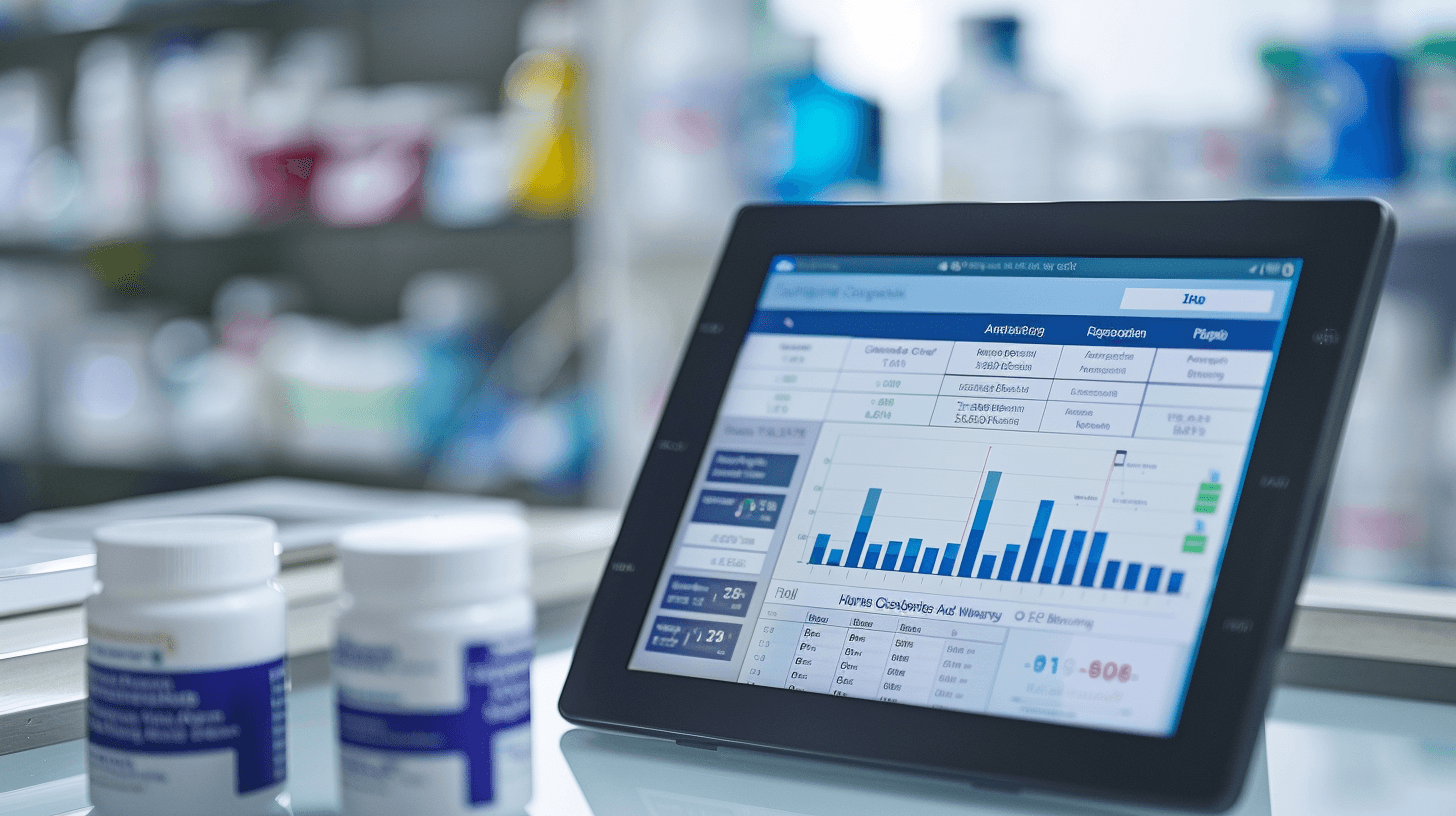
Rx30 pharmacy software stands out by integrating advanced clinical service documentation, highly customizable workflow stages, and robust multi-store management into a single ecosystem. As pharmacies transition into clinical care hubs, Rx30 facilitates this shift through automated medication synchronization, seamless eCare plan integration, and data-driven insights that improve both patient outcomes and pharmacy profitability.
The landscape of community pharmacy has undergone a radical transformation. No longer just a point of distribution for medications, the modern pharmacy functions as a primary care destination, offering immunizations, point-of-care testing, and chronic disease management. To navigate this complexity, pharmacists require more than just a labeling tool; they need a comprehensive Pharmacy Management System (PMS) that acts as a central nervous system for their business. Rx30, developed by Transaction Data Systems (now part of the Outcome ecosystem), has consistently evolved to meet these demands.
In 2026, the criteria for "standing out" in the pharmacy software market are rigorous. Platforms must balance high-volume dispensing efficiency with the nuanced requirements of clinical billing and patient engagement. Here are five primary reasons why Rx30 remains a preferred choice for modern pharmacies.
1. Highly Adaptive and Customizable Workflow
One of the most significant challenges in a busy pharmacy is the "bottleneck"—the moment when prescription volume outpaces the staff's ability to process, verify, and dispense safely. Rx30 addresses this through a modular workflow that can be tailored to the specific physical layout and staffing levels of any pharmacy.
Granular Stage Management
Rx30 allows managers to define specific stages of the prescription lifecycle, such as Intake, Data Entry, Pre-Verification, Filling, and Final Verification. This granularity ensures that every team member knows exactly where a prescription stands at any given second. In 2026, where staffing shortages continue to impact the industry, the ability to "load balance" work across different stations—or even across multiple locations via a virtual pharmacist model—is a critical advantage.
Safety and Accuracy Checks
The software incorporates multiple layers of safety protocols. Barcode scanning is integrated at every step of the filling process to ensure the NDC (National Drug Code) of the product matches the prescription record. For modern pharmacies utilizing automated dispensing robots, Rx30 offers seamless bidirectional communication, ensuring that the software and the hardware are always in sync. This reduces the risk of human error and allows the pharmacist to focus on clinical review rather than manual counting.
2. Advanced Clinical Services and eCare Plan Integration
The shift from a "fee-for-product" model to a "fee-for-service" model is the most significant trend in pharmacy today. Rx30 has stayed ahead of this curve by building clinical documentation tools directly into the dispensing path.
Pharmacist eCare Plans (PeCP)
Rx30 was an early adopter of the Pharmacist eCare Plan standard. This allows pharmacists to document clinical interventions—such as identifying a drug-drug interaction or providing nutrition counseling—in a format that can be easily shared with other healthcare providers and payers. By using standardized SNOMED-CT and LOINC codes, Rx30 enables pharmacies to participate in clinically integrated networks like the Community Pharmacy Enhanced Services Network (CPESN).
Immunization and Point-of-Care Testing (POCT)
As of 2026, immunizations remain a core revenue driver for community pharmacies. Rx30 simplifies the reporting requirements for state registries (IIS). When a vaccine is administered, the software can automatically transmit the necessary data to the state, saving the staff hours of manual entry. Furthermore, for pharmacies performing point-of-care testing for COVID-19, flu, or Strep A, Rx30 provides the documentation framework to record results and bill the appropriate medical insurance, rather than just the pharmacy benefit manager (PBM).
3. Seamless Medication Synchronization (Med Sync)
Adherence is the cornerstone of patient health and pharmacy revenue. A patient who picks up their maintenance medications every 30 days is significantly more valuable to a pharmacy—and healthier—than one who misses doses or forgets refills. Rx30’s Medication Synchronization (Med Sync) module is designed to solve this problem systematically.
Logical Cycle Management
The Rx30 Med Sync tool allows pharmacists to align all of a patient’s maintenance medications to a single "anchor" date. The software calculates the necessary "short-fills" to get the patient on schedule. This creates a predictable workload for the pharmacy, as staff can proactively fill these synchronized prescriptions during slow periods rather than reacting to walk-in traffic.
Impact on Star Ratings
For pharmacies concerned with PBM performance metrics and Star Ratings, Med Sync is an essential tool. By automating the refill process and ensuring patients stay on therapy, Rx30 helps pharmacies avoid the "DIR fee" penalties (now restructured as performance-based adjustments) that can plague less-organized operations. The software identifies "at-risk" patients—those who have not refilled their medications on time—allowing the pharmacy to reach out before the patient falls out of compliance.
4. The Power of the Outcome Ecosystem
In recent years, Rx30 has been integrated into the Outcome ecosystem. This partnership has transformed the software from a localized tool into a portal for broader healthcare opportunities.
Targeted Clinical Opportunities
Through the Outcome platform, Rx30 users receive real-time notifications for clinical opportunities. For example, a payer might be looking for a pharmacist to conduct a Medication Therapy Management (MTM) review for a specific patient. These opportunities appear directly within the Rx30 workflow, making it easy for the pharmacist to perform the service and claim the associated fee without leaving the primary software environment.
Data-Driven Insights
Being part of a larger network means Rx30 can offer sophisticated benchmarking tools. Pharmacy owners can see how their store performs compared to state or national averages on metrics like generic dispensing rates, gross margin per script, and patient retention. In the competitive environment of 2026, these data points are not just "nice to have"—they are essential for survival.
5. Robust Multi-Store and Enterprise Management
For independent owners who have expanded to multiple locations, managing each store as an "island" is inefficient. Rx30’s central site functionality provides a unified view of the entire enterprise.
Centralized Data and Reporting
With Rx30, owners can access reports for all locations from a single login. This includes inventory levels, financial summaries, and employee performance metrics. If one store is overstocked on an expensive specialty medication while another store has a pending prescription for it, the software facilitates an easy inventory transfer, preserving cash flow.
Shared Patient Profiles
A patient visiting "Pharmacy A" on Monday and "Pharmacy B" on Friday should have a seamless experience. Rx30’s centralized database ensures that clinical notes, allergy information, and insurance details are consistent across all locations. This not only improves patient safety but also builds brand loyalty, as the patient feels recognized and cared for regardless of which branch they visit.
Comparative Feature Analysis
The following table compares the standard requirements of a modern pharmacy against the specific solutions provided by Rx30 in 2026.
| Feature Requirement | Rx30 Solution in 2026 | Impact on Pharmacy Operations |
|---|---|---|
| Workflow Efficiency | Customizable stages with virtual pharmacist support. | Reduces wait times and maximizes staff utility. |
| Clinical Billing | Integrated eCare plans and 1500-form medical billing. | Opens new revenue streams beyond dispensing. |
| Patient Adherence | Automated Med Sync and "Cycle Filling" logic. | Improves Star Ratings and stabilizes workload. |
| Inventory Control | Perpetual inventory with EDI wholesaler integration. | Minimizes "dead stock" and optimizes cash flow. |
| Security/Compliance | Role-based permissions and full HIPAA audit trails. | Protects the pharmacy from legal and regulatory risks. |
| Patient Communication | Integrated SMS, email, and mobile app notifications. | Increases patient engagement and refill rates. |
Implementation and Transition Considerations
Switching to or upgrading a pharmacy management system is a significant undertaking. For pharmacies considering Rx30 in 2026, the transition involves several key steps:
- Data Conversion: Migrating patient records, prescription history, and doctor databases from a legacy system requires precision. Rx30 has a dedicated conversion team to map data from competing platforms to ensure continuity of care.
- Hardware Requirements: While Rx30 is increasingly cloud-compatible, many pharmacies prefer local server redundancy. Modern setups typically require high-speed thermal printers, 2D barcode scanners for driver's license verification, and signature pads that integrate with the point-of-sale (POS) system.
- Staff Training: The depth of Rx30 means that a "plug-and-play" approach rarely works. Pharmacies should invest in comprehensive training for their "Super Users" who can then guide the rest of the staff through the new workflow.
- Integration with Third Parties: Modern pharmacies rely on various vendors for IVR (Interactive Voice Response), delivery services, and automation. Rx30 maintains a wide array of interfaces to ensure these tools communicate effectively with the core PMS.
Common Pitfalls and How to Avoid Them
Even with powerful software like Rx30, pharmacies can struggle if they do not utilize the system to its full potential.
- Ignoring the Dashboard: Rx30 provides real-time dashboards showing "scripts waiting" and "rejected claims." Failure to monitor these leads to missed revenue and unhappy patients.
- Manual Inventory Overrides: The perpetual inventory system is only as good as the data entered. Pharmacies that bypass the receiving process in the software will quickly find their inventory counts (and their balance sheets) are inaccurate.
- Neglecting Clinical Tools: Many pharmacists still use Rx30 primarily for dispensing. By not exploring the eCare plan and MTM modules, they are essentially leaving money on the table that payers are already willing to provide for clinical interventions.
Practical Expert Guidance
For a modern pharmacy to truly stand out using Rx30, the focus should be on automation and delegation. Use the software to automate everything that doesn't require a pharmacist's clinical judgment—refill requests, wholesaler ordering, and patient notifications. This frees up the pharmacist to operate at the "top of their license," engaging in the high-value clinical activities that Rx30 is built to support.
Frequently Asked Questions
Does Rx30 support specialty pharmacy requirements? Yes. While Rx30 is a leader in community pharmacy, it includes modules for handling the complex documentation and reporting required for specialty medications, including prior authorization tracking and limited distribution drug (LDD) reporting.
Is Rx30 HIPAA compliant? Absolutely. Rx30 is built with security as a priority, featuring encrypted data transmission, role-based access controls, and comprehensive audit logs to help pharmacies meet HIPAA and HITECH requirements.
Can Rx30 manage 340B inventory? Yes, Rx30 has robust 340B management capabilities. It can track 340B-eligible dispenses and maintain separate virtual inventories to ensure compliance with federal regulations and prevent duplicate discounts.
How does Rx30 handle multi-state regulations? The software is updated regularly to reflect changes in state-specific laws, such as Prescription Monitoring Program (PMP) reporting requirements and differing technician-to-pharmacist ratios, ensuring that pharmacies remain compliant regardless of their location.
Can patients use a mobile app with Rx30? Yes, Rx30 integrates with mobile applications that allow patients to request refills, view their medication history, and receive notifications when their prescriptions are ready for pickup, which significantly enhances the patient experience.
What kind of support does Rx30 offer for hardware troubleshooting? Rx30 provides comprehensive technical support for both their software and the certified hardware they sell. This "single point of contact" approach simplifies troubleshooting for busy pharmacy owners who don't have time to call multiple vendors.
Final Recommendation
For independent and small-chain pharmacies looking to remain competitive in 2026, the goal is to become more than a dispenser of pills. By leveraging Rx30’s advanced clinical documentation, medication synchronization, and enterprise management tools, pharmacies can build a sustainable business model focused on patient health. The next logical step for any pharmacy owner is to conduct a workflow audit to identify which of Rx30’s automated features are currently underutilized.