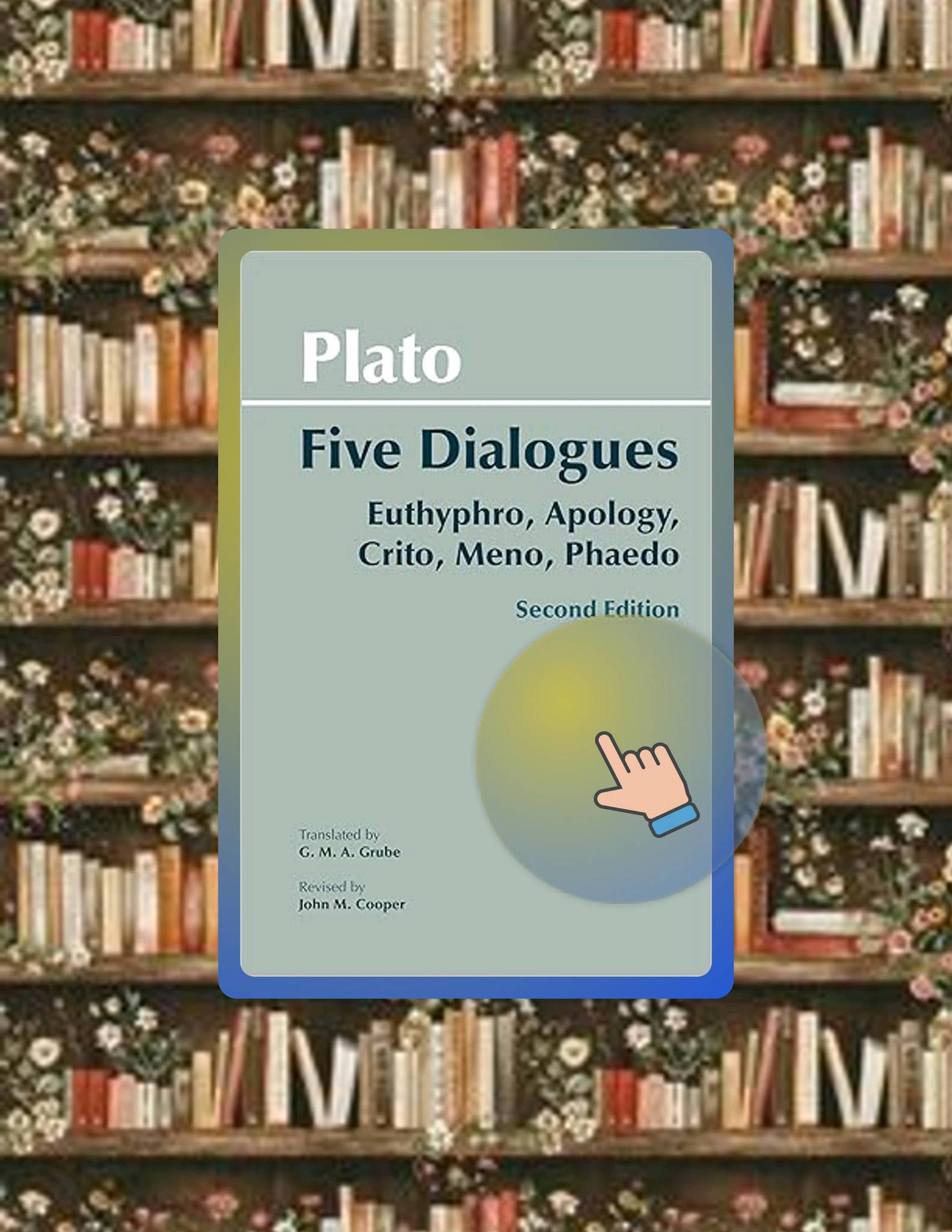
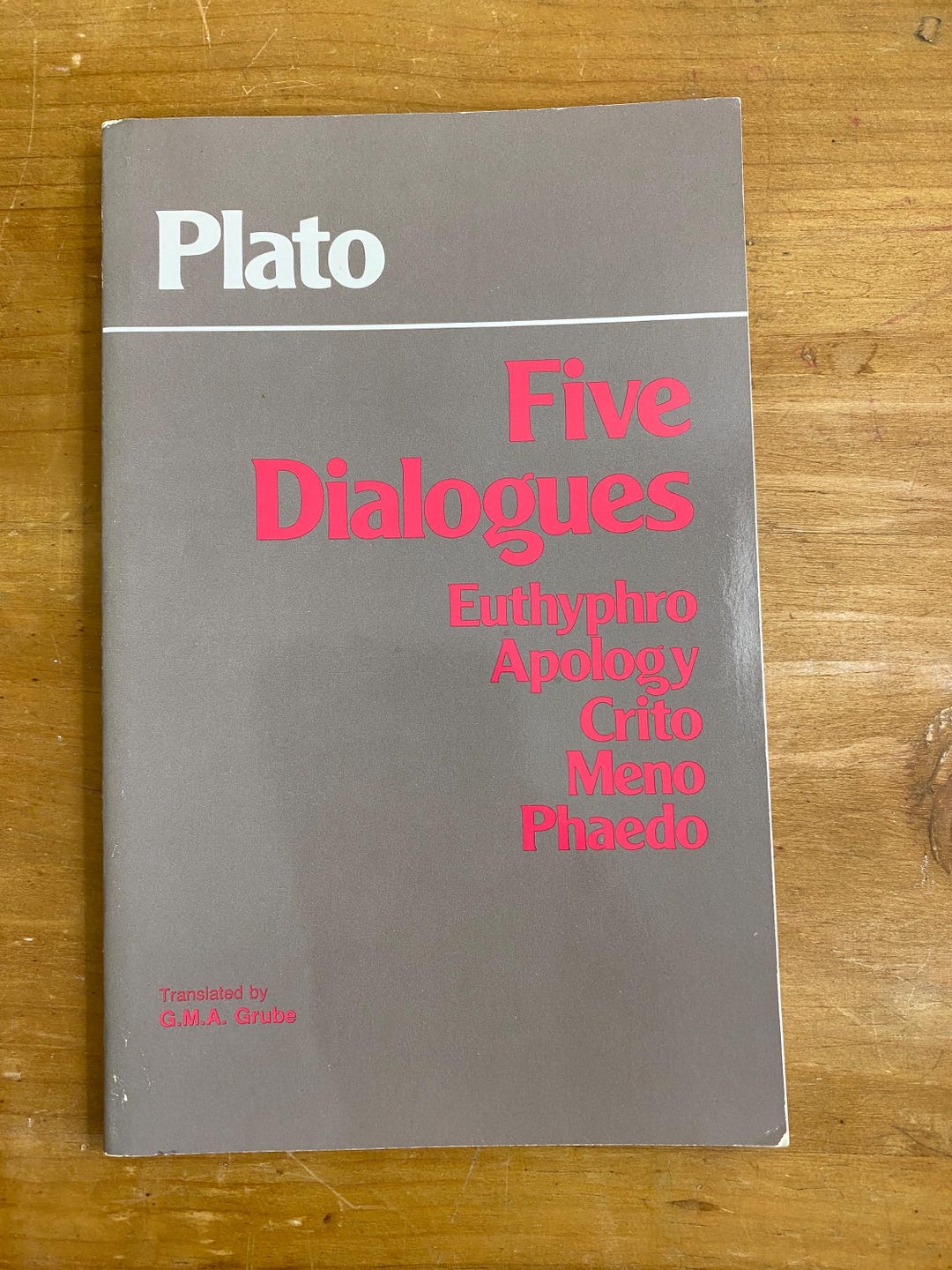
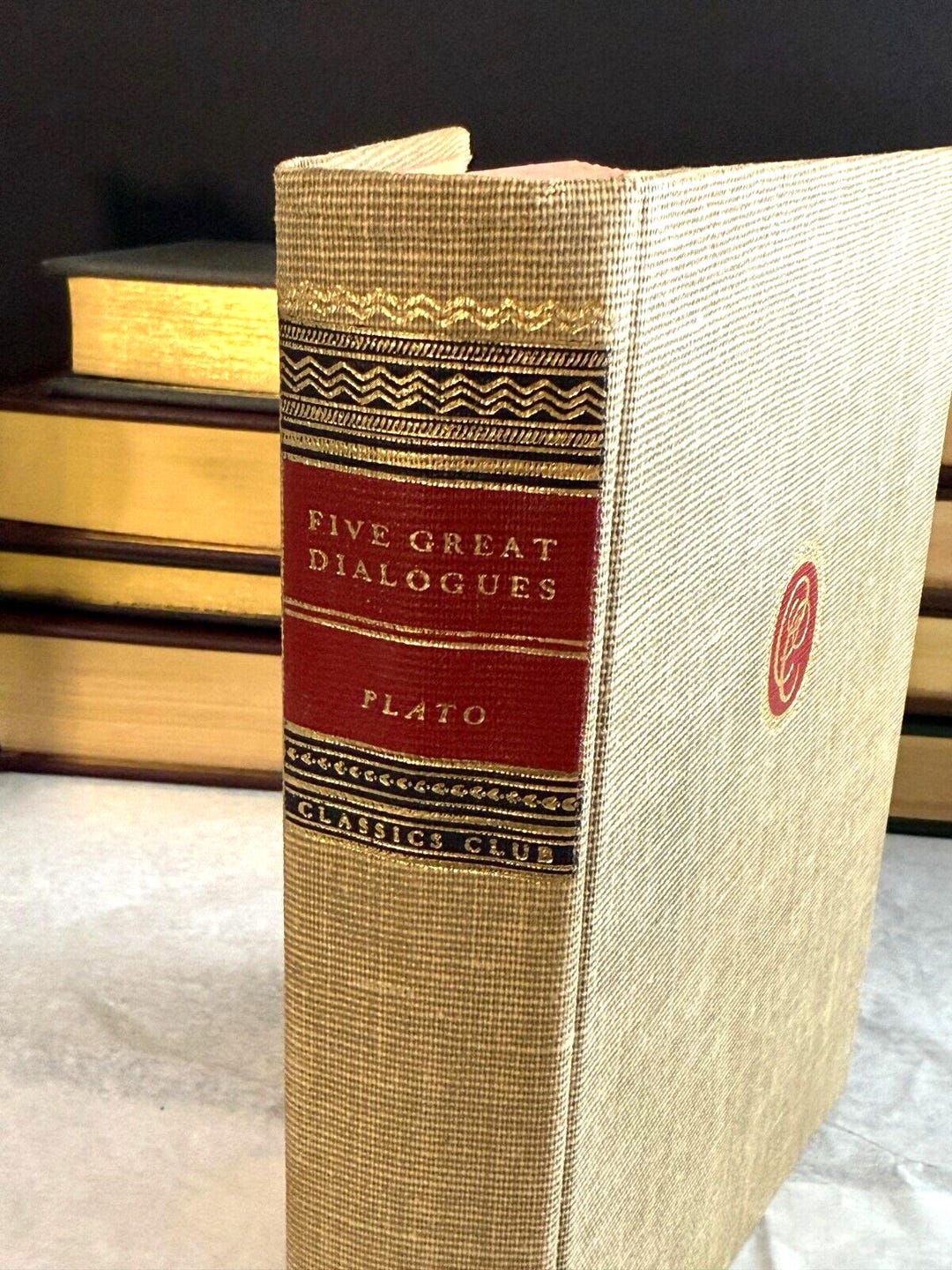
Plato’s "Five Dialogues" typically refers to the seminal collection of Euthyphro, Apology, Crito, Meno, and Phaedo, most famously translated by G.M.A. Grube. This compilation serves as the primary gateway into Socratic philosophy, documenting the trial and death of Socrates alongside fundamental inquiries into virtue and the soul. Accessing these texts via PDF allows students and scholars to engage with the foundational pillars of Western thought through portable, searchable, and annotatable digital formats.
Understanding the "Five Dialogues" Collection
The "Five Dialogues" is not a title Plato himself gave to his work; rather, it is a curated selection that has become a staple of undergraduate philosophy curricula worldwide. The collection is designed to provide a chronological and thematic arc regarding the life of Socrates and the development of Platonic theory. While Plato wrote dozens of dialogues, these five are grouped because they bridge the gap between "early" Socratic thought—focused on definitions and ethics—and "middle" Platonic thought, which introduces the metaphysical Theory of Forms.
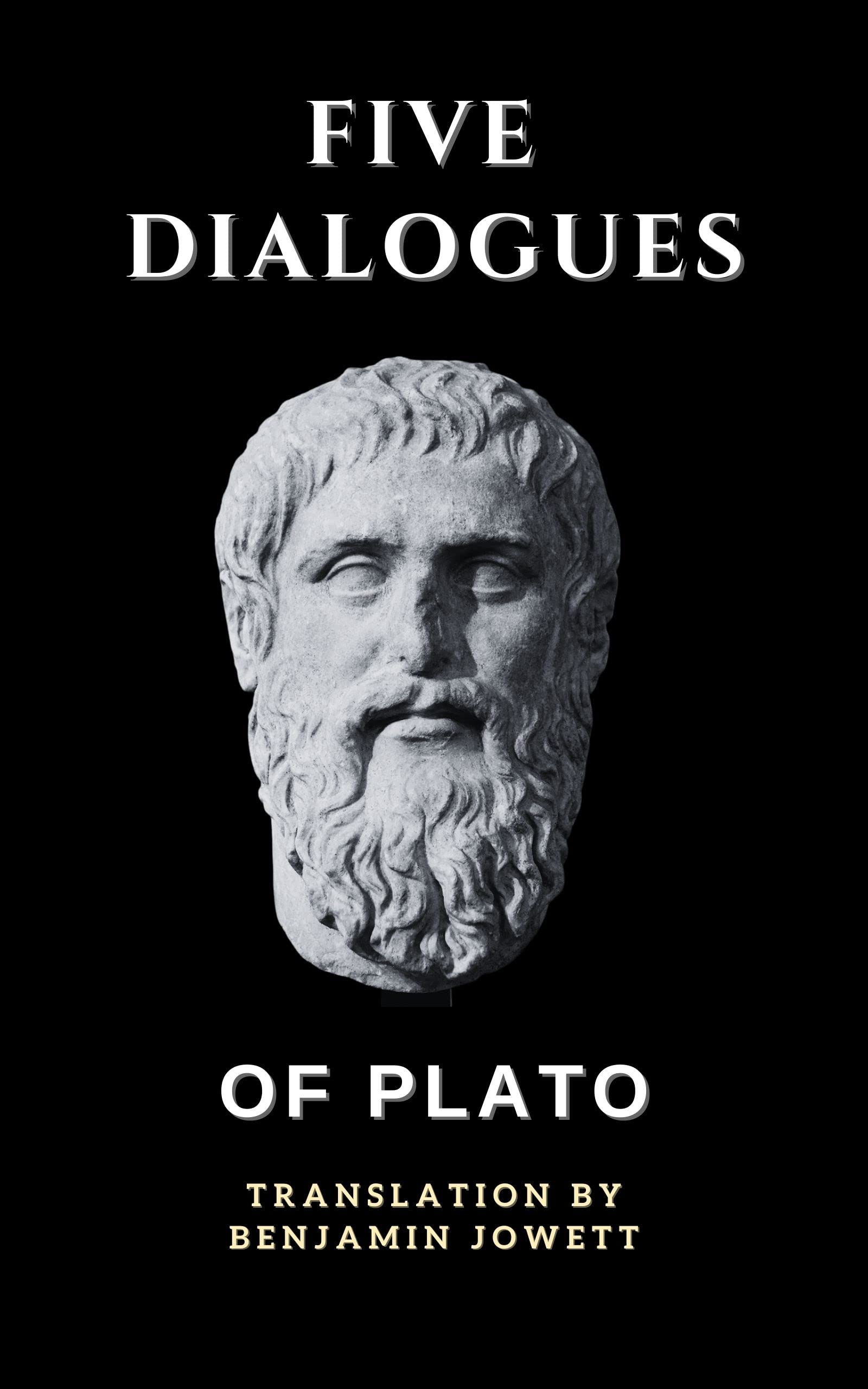
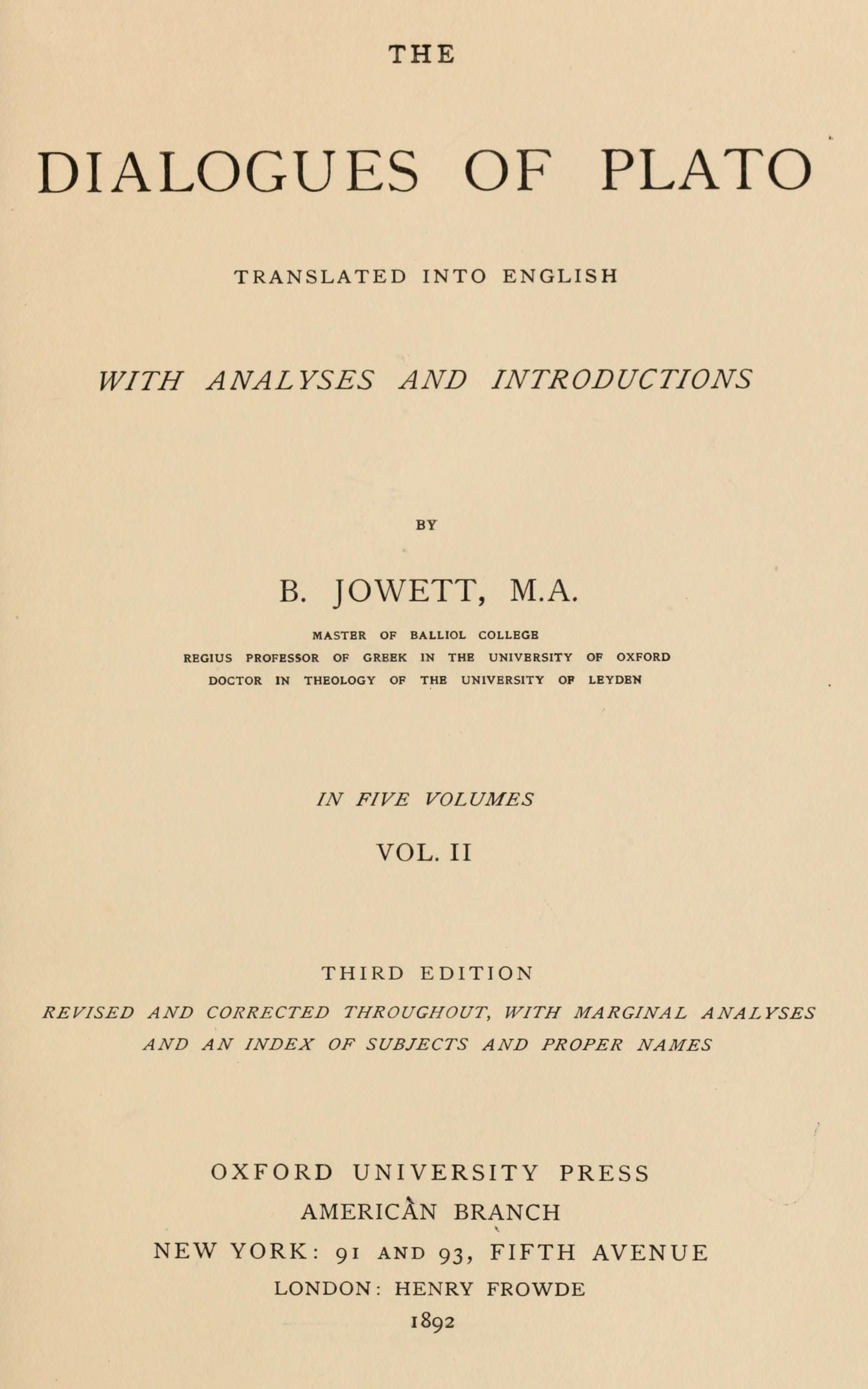
In 2026, the most sought-after version remains the Grube translation, revised by John M. Cooper and published by Hackett Publishing Company. This version is prized for its clarity, contemporary language, and academic rigor. When searching for a "5 dialogues Plato PDF," it is essential to distinguish between the copyrighted Grube/Cooper translation and public domain versions, such as those by Benjamin Jowett. While Jowett’s 19th-century translations are widely available for free, they often use archaic language that can obscure the technical nuances of the Greek philosophical terms.
Detailed Breakdown of the Five Dialogues
Each dialogue in this collection serves a specific pedagogical and philosophical purpose. To understand why this specific PDF is a cornerstone of education, one must examine the progression of arguments presented across the five texts.
Euthyphro: The Nature of Piety
Setting the stage just before Socrates’ trial, the Euthyphro is an "aporetic" dialogue, meaning it ends in a state of philosophical confusion (aporia). Socrates encounters Euthyphro, a self-proclaimed expert on religion, and asks him to define "piety" or "holiness." The dialogue is famous for the "Euthyphro Dilemma": Is the pious loved by the gods because it is pious, or is it pious because it is loved by the gods?
This question challenges the foundation of divine command theory. If the gods love something because it is inherently good, then "goodness" exists independently of the gods. If something is good merely because the gods love it, then morality is arbitrary. For the modern reader, this PDF serves as an introduction to the Socratic method (elenchus), where Socrates uses cross-examination to expose the inconsistencies in his interlocutor's beliefs.
Apology: The Defense of Socrates
The Apology is not an apology in the modern sense of expressing regret; it is a transcript of Socrates’ legal defense (apologia) before the Athenian jury. Charged with corrupting the youth and impiety against the state gods, Socrates defends his life’s mission of questioning those who claim to be wise.
This text contains some of the most famous lines in Western history, including the assertion that "the unexamined life is not worth living." Socrates argues that his "wisdom" lies solely in the fact that he knows nothing, whereas others are ignorant of their own ignorance. The Apology is a masterclass in rhetoric and ethics, asserting that the soul's health is more important than physical safety or social status.
Crito: Justice and the Social Contract
While Socrates awaits execution in prison, his wealthy friend Crito arrives with a plan for escape. The Crito explores the relationship between the individual and the state. Socrates refuses to flee, arguing that by living in Athens and enjoying its benefits, he has entered into a "social contract" with its laws.
He posits that to break one law is to threaten the integrity of the entire legal system. This dialogue provides a nuanced view of civil obedience and the moral imperative to follow the law even when the outcome is personally disadvantageous. It serves as a counterpoint to the Apology, showing that while Socrates would not stop philosophizing for the state, he would not subvert the state’s legal authority to save his own life.
Meno: Virtue and Recollection
The Meno marks a transition. It begins with the question of whether virtue can be taught but quickly moves into deeper epistemological territory. This dialogue introduces the "Doctrine of Recollection" (anamnesis), suggesting that the soul is immortal and already possesses all knowledge; "learning" is simply the process of remembering.
To prove this, Socrates guides an uneducated slave boy through a complex geometric proof, showing that the boy "knows" the answers despite never having been taught. The Meno also introduces the distinction between "true belief" and "knowledge," a fundamental concept in epistemology. In 2026, this text remains a vital resource for those interested in the philosophy of education and cognitive science.
Phaedo: The Immortality of the Soul
The collection concludes with the Phaedo, which recounts Socrates' final hours before drinking the hemlock. Unlike the earlier, more grounded dialogues, the Phaedo is deeply metaphysical. It introduces the Theory of Forms—the idea that non-material abstract ideas (like Beauty, Justice, and Equality) are the most fundamental reality.
Socrates provides several arguments for the immortality of the soul, including the Argument from Opposites and the Affinity Argument. He characterizes philosophy as a "preparation for death," a process of detaching the soul from the distractions of the physical body. The Phaedo provides the emotional and intellectual climax of the collection, offering a vision of the philosopher’s life as a journey toward transcendent truth.
Why the Grube Translation is the Academic Standard
When users search for "5 dialogues Plato PDF," they are often specifically looking for the G.M.A. Grube translation. Grube, a 20th-century classicist, was lauded for his ability to translate ancient Greek into a "plain" English style that avoided the Victorian flourishes of Benjamin Jowett.
- Technical Accuracy: Grube captures the specific meaning of Greek terms like eidos (Form/Idea) and arete (Virtue/Excellence) without over-simplifying them.
- Readability: The dialogue format feels natural and conversational, which is how Plato intended his works to be consumed.
- Revised Editions: The 2002 revision by John M. Cooper corrected minor errors and updated the notes to reflect modern scholarship, making it the preferred text for university students in 2026.
- Consistency: Having all five dialogues translated by the same hand ensures that recurring terms and philosophical concepts remain consistent throughout the reading experience.
Comparison of Key Concepts in the Five Dialogues
| Dialogue | Central Question | Primary Philosophical Concept | Outcome |
|---|---|---|---|
| Euthyphro | What is piety? | The Socratic Elenchus (Method) | Aporia (No definition found) |
| Apology | What is the wise life? | The Unexamined Life / Socratic Ignorance | Condemnation and Death Sentence |
| Crito | Why obey the law? | The Social Contract / Moral Integrity | Refusal to escape prison |
| Meno | Can virtue be taught? | Anamnesis (Recollection) / Theory of Knowledge | Virtue is a "divine gift" (tentatively) |
| Phaedo | Is the soul immortal? | Theory of Forms / Metaphysical Dualism | Death of Socrates; Soul's release |
How to Legally Access and Use the PDF in 2026
Finding a PDF of these dialogues involves navigating copyright laws and digital library resources. Because these works are ancient, the Greek text is in the public domain, but modern translations are protected by copyright.
Public Domain Sources (Free)
If you are looking for a free PDF and do not require the Grube translation, the Benjamin Jowett translations are readily available.
- Project Gutenberg: Offers the complete works of Plato in various digital formats, including PDF and EPUB.
- Internet Archive: Hosts scanned copies of older editions of the "Five Dialogues" from various publishers.
- The Perseus Digital Library: An excellent resource for those who want to compare the English translation side-by-side with the original Greek.
Academic and Licensed Access (Paid/Institutional)
In 2026, most students access the Hackett/Grube version through institutional licenses.
- University Libraries: Most academic institutions provide access to the "Five Dialogues" via platforms like JSTOR, ProQuest, or EBSCOhost.
- VitalSource or Chegg: These platforms offer digital rentals or purchases of the Hackett edition, allowing for highlighting and note-taking within a proprietary PDF reader.
- Hackett Publishing: The publisher offers direct digital purchases of the Grube translation for those who need the specific text for a syllabus.
Troubleshooting PDF Issues
If you have downloaded a PDF and are experiencing issues:
- Searchability: Ensure the PDF has undergone OCR (Optical Character Recognition). This allows you to search for specific terms like "Forms" or "Piety."
- Pagination: Verify that the PDF page numbers match the "Stephanus numbers" (the standard reference system for Plato, e.g., 24a, 82b). Most academic citations use Stephanus numbers rather than book page numbers.
Practical Study Tips for Philosophical Texts
Reading Plato is different from reading a modern textbook. The dialogue format requires active participation from the reader.
- Track the Interlocutors: Pay attention to who Socrates is talking to. Euthyphro is a dogmatist; Meno is an aristocrat; Crito is a loyal friend. Their personalities often dictate the direction of the argument.
- Map the Definitions: In the Euthyphro and Meno, keep a list of the various definitions proposed and how Socrates refutes them. This helps you understand the logical flaws he is trying to highlight.
- Watch for Socratic Irony: Socrates often praises his opponents' "great wisdom" while actually setting them up to fail. Recognizing this tone is key to understanding the humor and the sting of the dialogues.
- Focus on the Transition: Pay close attention to the end of the Meno and the beginning of the Phaedo. This is where Plato moves from questioning others' beliefs to asserting his own theories about reality and the soul.
Frequently Asked Questions
Is the Grube translation better than the Jowett translation?
For academic purposes, the Grube translation is generally considered superior because it is more precise and uses modern English. Jowett’s 19th-century translation is more "literary" and poetic but can be difficult for modern students to parse during complex logical arguments.
What are Stephanus numbers?
Stephanus numbers are the standard way of citing Plato’s works. They refer to the page and section numbers in the 1578 edition by Henricus Stephanus. Regardless of which PDF or book version you use, these numbers (found in the margins) remain consistent across all editions, allowing scholars to communicate across different translations.
Why is the "Meno" included in this set?
While the other four dialogues deal directly with the trial and death of Socrates, the Meno is included because it provides the essential bridge between Socrates' early ethical inquiries and the more advanced metaphysical theories (like the immortality of the soul) found in the Phaedo.
Can I find a PDF of the "Five Dialogues" with Greek and English?
Yes, the Loeb Classical Library editions provide the original Greek on the left page and the English translation on the right. Many academic libraries provide digital PDF access to these versions, which are invaluable for those studying the original terminology.
Is it legal to download a PDF of the Hackett edition for free?
Unless provided through an official university library or a platform like the Internet Archive (via their lending program), downloading a PDF of the Grube/Hackett edition for free usually violates copyright law. Users should stick to public domain versions like Jowett's if they do not wish to purchase the Grube translation.
Final Recommendation
For those beginning their journey into philosophy in 2026, the "Five Dialogues" remains an indispensable resource. If you are a student, your first action should be to check your university’s digital library for the Grube translation (Hackett Publishing) to ensure you have the version used in most academic discussions. For casual readers, a public domain PDF from Project Gutenberg is a sufficient and legal way to engage with the timeless wisdom of Socrates. Regardless of the version, focus on the Stephanus numbers in the margins to help you navigate the text and participate in the broader philosophical conversation.