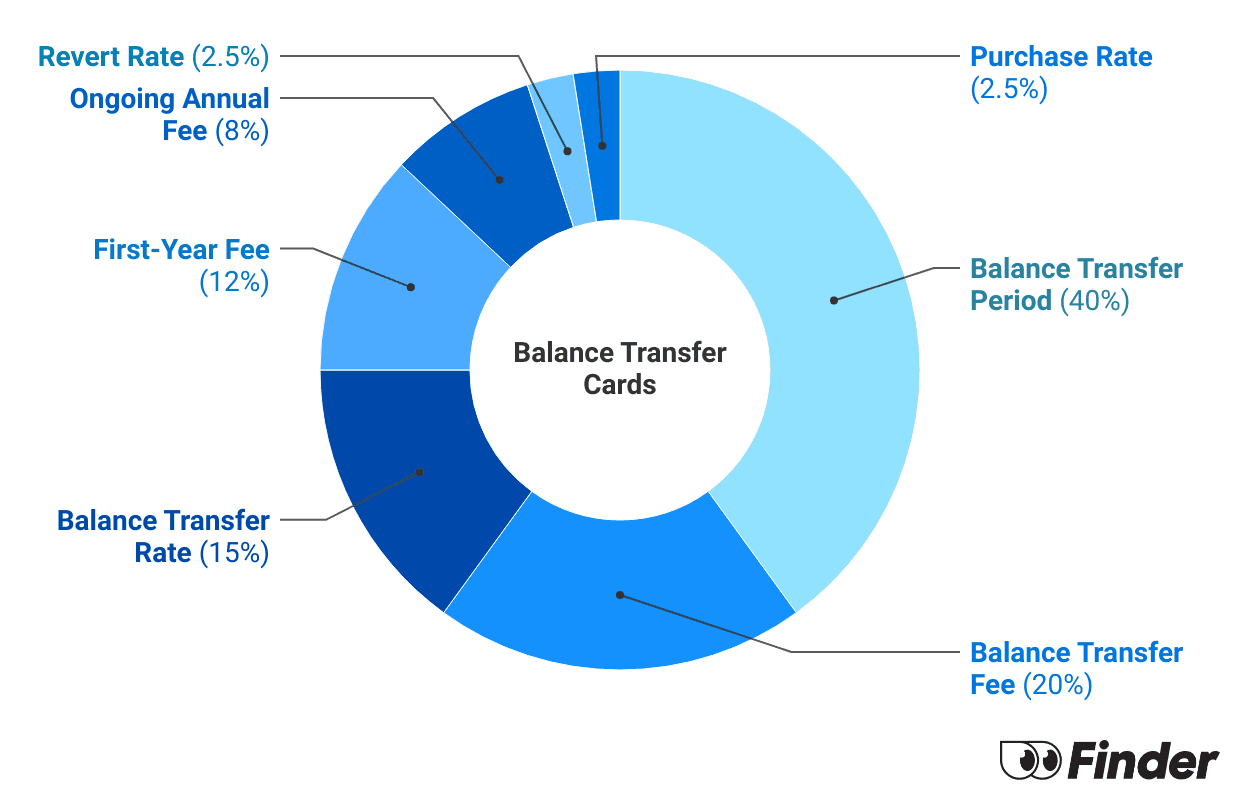
Choosing the right zero interest transfer credit card in 2026 requires balancing the length of the introductory period against the upfront balance transfer fee. The best options currently offer between 18 and 21 months of 0% Intro APR on transferred debt, typically charging a 3% to 5% fee. These cards serve as essential tools for consolidating high-interest debt into a single, manageable monthly payment without the burden of accumulating interest.
The Evolution of Balance Transfer Cards in 2026
As we navigate the financial landscape of 2026, the utility of balance transfer credit cards remains at an all-time high. With market interest rates having stabilized following the fluctuations of the mid-2020s, many consumers find themselves managing residual high-interest debt from previous years. A zero-interest balance transfer card is specifically designed to provide a "breathing room" period, where 100% of your monthly payment goes toward the principal balance rather than being consumed by interest charges.
The mechanism is straightforward but requires discipline. When you move a balance from a card charging 20%–29% APR to a card with 0% APR, you effectively freeze the debt. In the current 2026 market, the primary differentiator between the "best" cards is no longer just the 0% rate—which is standard across these products—but the duration of that window and the secondary benefits offered once the introductory period expires.
Key Criteria for Comparing 0% APR Offers
To determine the top five cards for 2026, we analyzed over 30 different products based on four critical pillars: the length of the introductory period, the cost of the transfer fee, the "transfer window" (the timeframe in which you must move the debt), and the credit score requirements for approval.
- Introductory Period Length: This is the number of billing cycles where interest is waived. In 2026, the "gold standard" is 21 months.
- Balance Transfer Fee: Most cards charge a percentage of the total amount moved. A 3% fee is considered excellent, while 5% is standard for longer-term cards.
- The Transfer Window: Most issuers require you to complete the transfer within the first 60 to 120 days of account opening to qualify for the 0% rate.
- Post-Introductory APR: The variable rate that kicks in after the 0% period ends. This is vital for those who might not pay off the full balance in time.
1. Wells Fargo Reflect® Card: The Duration Leader
The Wells Fargo Reflect® Card remains a top contender in 2026 for those seeking the maximum possible time to eliminate debt. It is frequently cited for its straightforward approach to interest-free periods without the distraction of rewards programs that might encourage further spending.
Introductory Offer and Features In 2026, the Reflect card typically offers a 0% introductory APR for 21 months from account opening on both purchases and qualifying balance transfers. This long runway is particularly beneficial for large balances that require nearly two years to pay down comfortably.
Fees and Requirements The balance transfer fee for this card is generally 5%, or a minimum of $5. While this is on the higher end of the spectrum, the extra three to six months of 0% interest compared to "standard" cards often offsets the 2% difference in fees for those with significant debt. Transfers must be made within the first 120 days to qualify for the introductory rate.
2. Citi® Diamond Preferred® Card: Consistent Long-Term Value
The Citi® Diamond Preferred® Card is a perennial favorite for debt consolidation. Like the Wells Fargo Reflect, its primary focus is the duration of the 0% window rather than cash-back incentives.
Performance and Benefits For 2026, this card provides 0% Intro APR on balance transfers for 21 months. It also offers a 0% Intro APR on purchases for 12 months, though the primary draw is the transfer utility. One of the standout features of Citi's offering is access to Citi Entertainment®, which provides specialized access to tickets for concerts and sporting events—a rare perk for a dedicated "utility" card.
Financial Considerations The balance transfer fee is 5% ($5 minimum). It is important to note that the 0% rate only applies to balances transferred within the first 4 months of account opening. For consumers who have a clear 21-month repayment plan, the Diamond Preferred offers one of the most stable platforms in the industry.
3. BankAmericard® credit card: The "No Frills" Champion
Bank of America’s premier balance transfer product, the BankAmericard®, is often preferred by those who already have a banking relationship with the institution. In 2026, it remains a competitive option for those who want a simple, effective tool without an annual fee.
Terms and Comparison This card generally offers a 0% introductory APR for 18 to 21 billing cycles on balance transfers made within the first 60 days. While the window for making the transfer is shorter than some competitors (60 days vs. 120 days), the card is known for a highly intuitive mobile app that makes tracking the remaining "interest-free" balance very simple.
Strategic Advantage One of the key advantages of the BankAmericard in 2026 is the lack of a penalty APR. While we never recommend missing a payment, some cards will instantly revoke your 0% intro rate if you are late. The BankAmericard is historically more forgiving in this specific area, though late fees still apply.
4. Discover it® Balance Transfer: The Rewards Hybrid
For many consumers, the biggest downside of a balance transfer card is that it becomes "dead weight" in their wallet once the debt is paid off. The Discover it® Balance Transfer solves this by combining a robust intro period with a high-earning rewards structure.
The Offer Structure In 2026, Discover typically offers 0% Intro APR on balance transfers for 18 months. While this is shorter than the 21-month leaders, the card also earns 5% cash back on everyday purchases at different places each quarter (up to a quarterly maximum) when you activate. This makes it a viable "long-term" card even after the debt is cleared.
Fee Transparency Discover is well-known for its "no annual fee" and "no late fee on the first late payment" policies. The balance transfer fee is usually 3%, making it one of the most affordable options for those who can commit to an 18-month repayment schedule.
5. U.S. Bank Visa® Platinum Card: The Reliable Alternative
The U.S. Bank Visa® Platinum Card consistently ranks among the best due to its long introductory windows on both purchases and balance transfers, making it an excellent choice for someone facing a large upcoming expense while simultaneously paying down old debt.
Market Position in 2026 The card offers 0% Intro APR for 21 billing cycles on both purchases and balance transfers. This "dual threat" is rare; many cards offer 21 months for transfers but only 12 months for purchases. For a consumer who needs to move $5,000 in debt but also needs to buy a new appliance or pay for a car repair, this card provides the longest total safety net.
The Fine Print The balance transfer fee is 5%. Like its competitors, you must initiate the transfer within the first 60 to 90 days. U.S. Bank also provides a free credit score through their mobile app, which is helpful for monitoring your score's recovery as your credit utilization ratio drops.
2026 Balance Transfer Comparison Table
| Card Name | Intro 0% Period (Transfers) | Balance Transfer Fee | Intro 0% Period (Purchases) | Annual Fee |
|---|---|---|---|---|
| Wells Fargo Reflect® | 21 Months | 5% | 21 Months | $0 |
| Citi® Diamond Preferred® | 21 Months | 5% | 12 Months | $0 |
| BankAmericard® | 18-21 Months | 3% | 18-21 Months | $0 |
| Discover it® Balance Transfer | 18 Months | 3% | 6 Months | $0 |
| U.S. Bank Visa® Platinum | 21 Months | 5% | 21 Months | $0 |
How to Execute a Successful Balance Transfer
Simply opening a card is not enough to solve a debt problem; the process must be handled with precision to avoid unnecessary fees or the loss of the introductory rate.
Step 1: Calculate the Total Cost
Before applying, calculate if the interest you will save is greater than the transfer fee. For example, if you are transferring $10,000 with a 5% fee, you will immediately add $500 to your balance. If your current card's interest would have cost you $2,000 over the next 21 months, the transfer is a wise financial move.
Step 2: Check Your Credit Limit
You cannot transfer a balance that exceeds the credit limit of your new card. In fact, many issuers only allow you to transfer up to 75% or 90% of your new limit to leave room for the transfer fee. If you have $10,000 in debt but are only approved for a $5,000 limit, you will only be able to move a portion of your debt.
Step 3: Initiate the Transfer Immediately
Introductory offers have expiration dates. Most 2026 offers require the transfer request to be submitted within 60 to 120 days of account opening. Waiting too long can result in the transfer being processed at the standard, high APR.
Step 4: Continue Making Payments on the Old Card
A balance transfer can take anywhere from 7 to 21 days to complete. Do not stop making payments on your old card until you see a $0 balance. A single missed payment during the transition can damage your credit score and result in late fees.
Common Pitfalls to Avoid
Even with the best 0% interest cards, consumers often fall into traps that negate the benefits of the transfer.
- The "New Purchase" Trap: Unless your card specifically offers 0% APR on purchases (like the Wells Fargo Reflect or U.S. Bank Visa Platinum), avoid using the new card for everyday spending. Payments are often applied to the 0% balance first, allowing the new purchases to accrue high-interest charges immediately.
- The Minimum Payment Delusion: Paying only the minimum amount required on your new 0% card will rarely result in the debt being paid off by the end of the intro period. Divide your total balance by the number of interest-free months and make that your fixed monthly payment.
- Missing a Payment: In 2026, credit card agreements remain strict. Missing a single payment on your new card can cause the issuer to revoke your 0% introductory rate, immediately applying the standard variable APR (often 20%+) to your entire remaining balance.
The Impact on Your Credit Score
Opening a new balance transfer card has a twofold effect on your credit score. Initially, your score may dip slightly due to the "hard inquiry" from the application and the reduction in the "average age of accounts."
However, in the long term, a balance transfer card usually helps your score. By increasing your total available credit, it lowers your overall credit utilization ratio—the amount of debt you owe compared to your total limits. As you pay down the principal balance without new interest being added, your utilization will continue to drop, which is one of the most significant factors in credit score calculation.
For more information on how credit scores are calculated, the Consumer Financial Protection Bureau (CFPB) provides extensive documentation on consumer rights and credit health.
Eligibility and Credit Requirements
To qualify for the cards listed above in 2026, most issuers require a "Good" to "Excellent" credit score. This typically means a FICO score of 690 or higher. If your score is currently in the "Fair" range (580–669), you may still be approved, but you might receive a lower credit limit or a shorter introductory period.
Before applying, it is advisable to check your credit report for errors. Under federal law, you are entitled to free credit reports from the major bureaus. Maintaining a clean report ensures you get the highest possible limit on your new zero-interest card.
Frequently Asked Questions
Can I transfer a balance between two cards from the same bank?
No. Almost all major issuers, including Chase, Citi, and American Express, prohibit "intra-bank" transfers. You cannot move debt from one Chase card to another Chase card to get a 0% rate. You must move the balance to a card issued by a different financial institution.
What happens if I don't pay off the balance before the 0% period ends?
Once the introductory period expires, the remaining balance will begin accruing interest at the card's standard variable APR. Unlike "deferred interest" offers often found at furniture or electronics stores, you are usually not charged "back-interest" on the amount you already paid off; you only pay interest on the remaining principal.
Is there a limit to how much I can transfer?
Yes. Your transfer is limited by the credit line the new issuer grants you. Additionally, many banks cap balance transfers at a specific dollar amount (e.g., $15,000) or a percentage of your total credit limit (e.g., 95%), whichever is lower.
Does a balance transfer fee get added to my debt?
Yes. The fee is typically added to the balance of the new card. If you transfer $5,000 with a 3% fee, your starting balance on the new card will be $5,150. You must account for this when calculating your monthly repayment plan.
Can I do multiple balance transfers to one card?
Yes, as long as you remain within your credit limit and perform the transfers within the issuer's allowed timeframe (usually the first 60–120 days). You can consolidate debt from several different high-interest cards onto a single 0% interest card.
Final Recommendation for 2026
If your primary goal is to secure the longest possible window to pay off a massive debt, the Wells Fargo Reflect® Card or the U.S. Bank Visa® Platinum Card are your best options due to their 21-month introductory periods. However, if you anticipate being able to pay off your debt within 18 months and want a card that provides long-term value through rewards, the Discover it® Balance Transfer is the superior choice.
Before applying, ensure you have a strict budget in place. A balance transfer is a powerful tool for debt elimination, but it is only effective if it is paired with a commitment to stop accruing new debt on the original accounts.