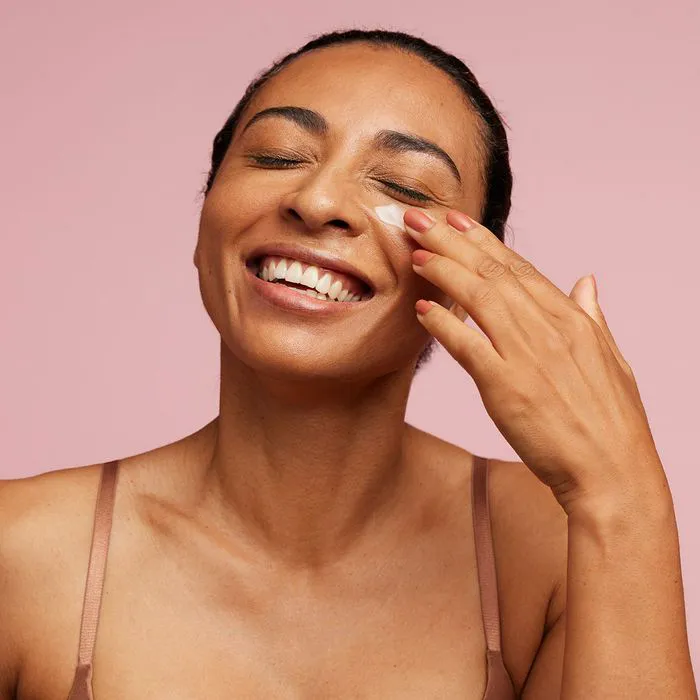
Finding an effective tightening face cream involves looking for targeted formulations featuring proven active ingredients like peptides, retinol, and hyaluronic acid that support skin elasticity and moisture retention. While individual results vary depending on skin type and consistency of use, top-performing options balance immediate smoothing effects with long-term structural support for firmer-looking skin.
The market for anti-aging skincare is saturated with products promising miraculous transformations overnight. However, achieving visible improvements in skin firmness and elasticity requires a scientific understanding of how topical formulations interact with the skin's dermal matrix. As we examine the landscape of skincare treatments, sorting through marketing hype to identify formulations backed by dermatological science is essential for making an informed investment in your daily regimen.
Understanding Skin Laxity and Topical Tightening
Skin firmness is primarily maintained by two structural proteins produced within the dermis: collagen and elastin. Collagen provides structural support and strength, while elastin grants the skin its ability to snap back into place after stretching. As individuals age, the intrinsic rate of collagen and elastin synthesis slows down significantly. Concurrently, extrinsic factors such as ultraviolet (UV) radiation, environmental pollution, and lifestyle habits accelerate the degradation of these vital proteins through oxidative stress.
Topical tightening face creams cannot replace surgical interventions or professional dermatological procedures like laser therapy or microneedling. However, a well-formulated cream can significantly improve the skin's surface texture, enhance moisture retention, and support the epidermal barrier. By plumping the upper layers of the skin and delivering targeted active ingredients that stimulate cellular turnover or protect existing protein fibers, these creams create a firmer, more resilient appearance.
When evaluating any product marketed for skin tightening, it is helpful to look past the brand name and examine the ingredient deck. The position of an ingredient on the list—determined by concentration in descending order—often dictates its efficacy. Understanding these components allows consumers to select products tailored to their specific skin concerns, whether those concerns involve loss of jawline definition, fine lines, or overall textural slackening.
Key Active Ingredients to Look For
The effectiveness of any tightening cream hinges on its active ingredients. Dermatologists frequently recommend specific compounds known for their ability to influence skin structure and appearance positively.
Peptides
Peptides are short chains of amino acids that act as building blocks for proteins like collagen and elastin. When applied topically, certain signal peptides can trick the skin into believing that collagen has been broken down, stimulating the fibroblasts to produce fresh collagen fibers. This process helps restore density and firmness over time without the irritation often associated with stronger retinoids.
Retinoids and Retinol
Retinoids, derivatives of vitamin A, remain the gold standard in anti-aging skincare. They accelerate cellular turnover, stimulate collagen production, and help fade hyperpigmentation. Regular use of a retinol-infused cream can smooth the skin's surface and improve elasticity. However, retinoids can cause dryness and flaking initially, making a gradual introduction essential for most skin types.
Hyaluronic Acid and Humectants
While humectants do not rebuild collagen, they play a crucial role in immediate skin tightening through hydration. Hyaluronic acid can hold up to 1,000 times its molecular weight in water. By drawing moisture into the epidermis, it plumps the skin instantly, smoothing out fine lines and creating a tauter, more vibrant surface appearance.
Antioxidants (Vitamin C, Niacinamide, and E)
Oxidative stress caused by free radicals degrades collagen and elastin fibers prematurely. Antioxidants neutralize these unstable molecules, protecting the skin's structural matrix from ongoing environmental damage. Ingredients like niacinamide also help strengthen the skin barrier and improve elasticity concurrently.
Comparative Overview of Leading Cream Categories
To help navigate the vast array of choices available, the following comparison breaks down the primary categories of tightening creams based on their active mechanisms, primary benefits, and ideal use cases.
| Category | Primary Active Ingredients | Main Skin Benefit | Ideal For | Potential Drawback |
|---|---|---|---|---|
| Peptide-Infused Creams | Matrixyl, Copper Peptides | Collagen support & barrier repair | Sensitive skin & daily anti-aging | Slower visible results |
| Retinol Formulations | Retinol, Retinyl Propionate | Cellular turnover & firming | Fine lines & loss of firmness | Potential dryness & peeling |
| Hydration-Focused Tighteners | Hyaluronic Acid, Ceramides | Instant plumping & moisture locking | Dehydrated or mature skin | Temporary surface-only effect |
| Antioxidant Blends | Vitamin C, Niacinamide, Ferulic Acid | Brightening & environmental protection | Daytime wear & uneven tone | Product degradation if exposed to light/air |
Criteria for Selecting a Quality Tightening Cream
Choosing the right product involves assessing more than just the ingredient label. Several practical factors influence how a cream will perform within a daily routine.
- Skin Type Compatibility: Formulations vary widely in texture, ranging from rich, occlusive balms suitable for dry skin to lightweight, oil-free gels designed for combination or oily skin types. Selecting a texture that matches your skin type ensures proper absorption and prevents clogged pores.
- Formulation Stability: Active ingredients like pure vitamin C and retinol degrade rapidly when exposed to air and light. Look for products packaged in airless pumps, opaque containers, or dropper bottles that protect the integrity of the active compounds.
- Fragrance and Irritants: Artificial fragrances and essential oils are common causes of contact dermatitis and skin sensitivity. For long-term anti-aging routines, fragrance-free formulations are generally safer and less likely to cause chronic, low-grade inflammation.
- Value and Cost-Per-Ounce: Skincare is a long-term commitment. A product must be financially sustainable for consistent, daily use over several months to yield noticeable results.
Establishing Realistic Expectations and Usage Guidelines
Incorporating a new tightening cream into your regimen requires patience and consistency. Skin cells typically complete a renewal cycle every 28 days, though this process slows with age. Consequently, most clinical studies on anti-aging formulations evaluate results over an 8- to 12-week period.
Step-by-Step Application Best Practices
- Cleanse Gently: Start with a gentle, non-stripping cleanser to prepare the skin barrier for active ingredient absorption.
- Layer from Thinnest to Thickest: Apply water-based serums or lightweight treatments first, followed by your targeted tightening cream to lock in the active components.
- Never Skip Sunscreen: Daily application of a broad-spectrum sunscreen with an SPF of 30 or higher is non-negotiable. UV radiation is the primary driver of collagen breakdown; using anti-aging creams without sun protection counteracts their benefits.
- Patch Test New Products: Apply a small amount of the cream to the inner forearm or behind the ear for 48 hours to check for adverse allergic reactions before applying it to the face.
Disclaimer: This information is for educational purposes and should not replace professional dermatological advice. Individuals with chronic skin conditions or severe skin laxity should consult a board-certified dermatologist to explore personalized treatment plans.
Frequently Asked Questions
How long does it take to see results from a tightening face cream?
While hydrating formulas containing hyaluronic acid offer an immediate plumping effect within minutes, products designed to stimulate collagen production—such as those containing peptides or retinol—typically require eight to twelve weeks of consistent daily use before visible improvements in firmness become apparent.
Can tightening creams replace professional procedures like fillers or surgery?
No topical cream can replicate the structural lifting and volume restoration achieved through surgical facelifts, thread lifts, or dermal fillers. Topicals work primarily on the epidermis and upper dermis to improve surface texture, moisture levels, and minor elasticity loss.
Can I use a retinol tightening cream every day right from the start?
Beginning daily use of a retinol product often leads to excessive dryness, redness, and flaking. Dermatologists generally recommend starting by applying the product two or three times a week, gradually increasing frequency as the skin builds tolerance.
Are expensive luxury face creams inherently more effective than drugstore options?
Price does not always correlate with clinical efficacy. Many affordable drugstore brands utilize the same concentration of active ingredients, such as retinol or niacinamide, as high-end luxury lines. Evaluating the ingredient deck and formulation stability is far more important than looking at the price tag.
Should I apply my tightening cream before or after my facial oil?
Facial oils are typically occlusive, meaning they form a seal over the skin to prevent moisture loss. Therefore, tightening creams containing active ingredients should be applied directly to clean skin or after lighter serums, with facial oils applied as the final step to lock everything in.
Conclusion and Next Action
Investing in a quality tightening face cream requires balancing active ingredient efficacy with your specific skin type and daily routine. Begin by auditing your current skincare regimen to identify gaps in hydration, antioxidant protection, or collagen support. Select a single, well-formulated product that addresses your primary concern, commit to consistent application alongside daily sun protection, and evaluate your skin's progress after twelve weeks.