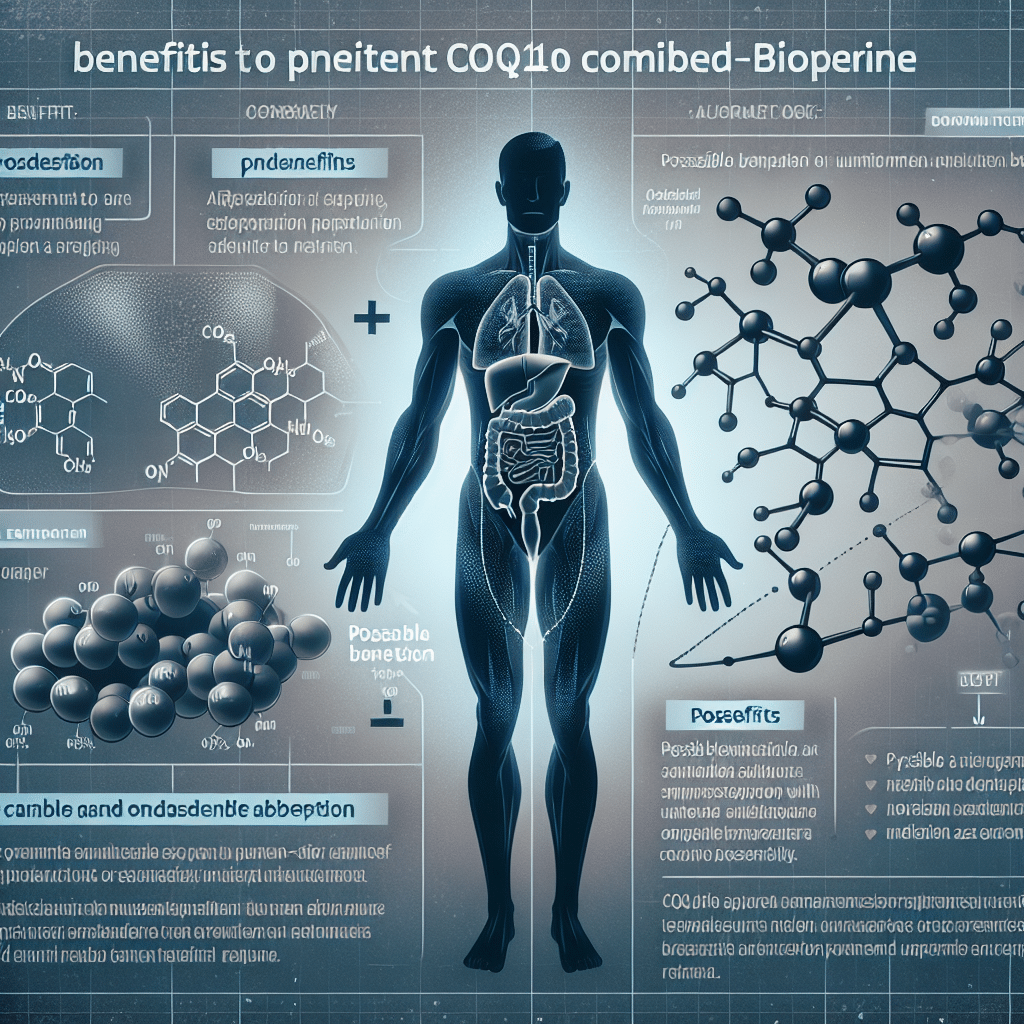
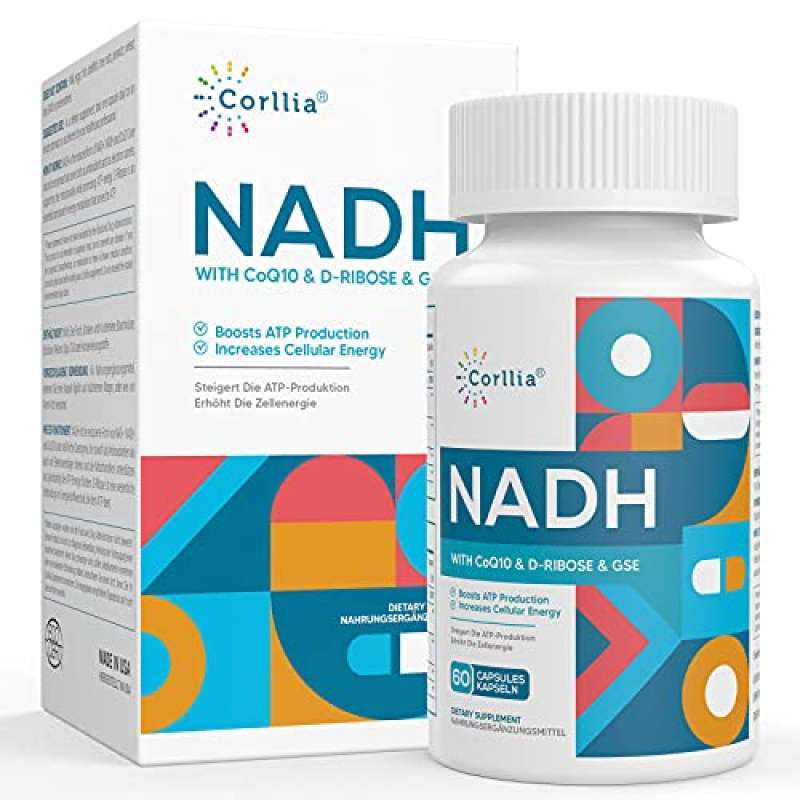
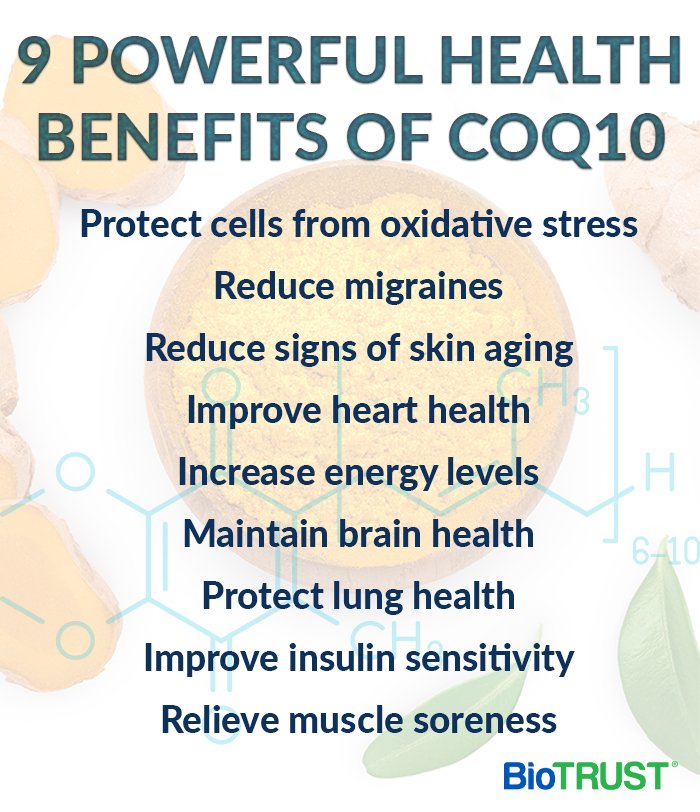
The combination of NADH (Nicotinamide Adenine Dinucleotide + Hydrogen) and Coenzyme Q10 (CoQ10) offers a synergistic approach to supporting cellular energy production, combating oxidative stress, and promoting mitochondrial health. By pairing a primary electron donor for the cellular respiration chain with a vital lipid-soluble antioxidant and membrane stabilizer, this dual-supplement strategy addresses energy metabolism and protection at the microscopic level.
Understanding Cellular Energy and Mitochondrial Health
To appreciate the value of a nadh coq10 combination, one must first understand how human cells generate energy. Mitochondria, commonly referred to as the powerhouses of the cell, convert the nutrients we consume into Adenosine Triphosphate (ATP), the chemical currency that drives almost every physiological process. This intricate transformation relies on a sequence of protein complexes embedded within the inner mitochondrial membrane, known as the electron transport chain.
Energy production is not a passive process; it requires precise coordination, abundant raw materials, and robust defense mechanisms against free radicals. When mitochondrial efficiency declines—due to aging, chronic stress, poor nutrition, or genetic factors—cellular energy drops, manifesting as physical fatigue, cognitive sluggishness, and accelerated cellular wear. Pairing NADH and CoQ10 targets this exact bioenergetic bottleneck from two complementary angles: supplying electrons for the transport chain while protecting the mitochondrial machinery from oxidative degradation.
What is NADH?
NADH is the reduced form of nicotinamide adenine dinucleotide, a vital coenzyme derived from vitamin B3 (niacin). In cellular metabolism, NADH functions primarily as an electron carrier. During glycolysis and the Krebs cycle, NAD+ picks up electrons and protons to become NADH.
Inside the mitochondria, NADH delivers these high-energy electrons directly to Complex I of the electron transport chain. This donation initiates the cascade of proton pumping that ultimately drives ATP synthesis. Without a steady supply of bioavailable NADH, the electron transport chain stalls, starving the cell of usable energy. Supplemental NADH is designed to bypass upstream metabolic steps, providing a direct influx of reducing equivalents to jump-start cellular respiration.
What is CoQ10?
Coenzyme Q10, also known as ubiquinone, is a fat-soluble, vitamin-like substance found naturally in almost every cell of the human body, with the highest concentrations in high-energy organs like the heart, liver, and kidneys. Like NADH, CoQ10 is an indispensable component of the mitochondrial electron transport chain, shuttling electrons from Complex I and Complex II to Complex III.
Beyond its role in ATP synthesis, CoQ10 acts as a potent endogenous antioxidant. As electrons flow through the respiratory chain, stray electrons can leak and interact with oxygen to form reactive oxygen species (ROS), which damage mitochondrial DNA, lipids, and proteins. CoQ10 neutralizes these free radicals directly at their site of production, preserving the structural integrity of the mitochondrial membranes.
The Synergy of the NADH and CoQ10 Combination
While both substances are independently critical for mitochondrial function, combining NADH and CoQ10 creates a biochemical partnership that enhances overall efficacy. NADH acts upstream by delivering electrons to the beginning of the transport chain, while CoQ10 functions as a mobile electron carrier bridging multiple complexes while scavenging oxidative byproducts.
Taking these compounds together ensures that the supply of reducing equivalents (NADH) is matched by the transport capacity and antioxidant defense provided by CoQ10. This dual action helps optimize the metabolic throughput of the mitochondria, supporting high-demand tissues without overwhelming the cellular antioxidant defense system.
5 Benefits of NADH CoQ10 Combination
| Benefit Area | Primary Mechanism | Target Tissue / System |
|---|---|---|
| 1. Enhanced Cellular Energy Production | Direct electron donation and transport chain optimization | Systemic (Muscles, Brain) |
| 2. Superior Mitochondrial Antioxidant Defense | Neutralization of ROS and membrane lipid protection | Cardiovascular System |
| 3. Cognitive Support and Mental Clarity | Increased ATP synthesis in high-demand neurons | Central Nervous System |
| 4. Exercise Performance and Recovery | Reduced oxidative stress and optimized lactate threshold | Skeletal Muscle Tissue |
| 5. Cardiovascular Health and Myocardial Support | Improved energy metabolism in heart muscle cells | Heart and Vascular Walls |
1. Enhanced Cellular Energy Production
The most prominent advantage of a nadh coq10 combination is the systemic enhancement of ATP synthesis. Fatigue is frequently a downstream consequence of inefficient mitochondrial electron transport. By supplying exogenous NADH, cells receive an immediate influx of electrons for Complex I, while CoQ10 ensures smooth electron transit down the line.
This dual input is particularly beneficial for organs with high metabolic turnover, such as skeletal muscle and neural tissue. Rather than relying solely on the body's internal synthesis—which declines steadily with age—this combination provides the foundational cofactors required to maintain optimal baseline cellular energy, helping to mitigate chronic fatigue and lethargy.
2. Superior Mitochondrial Antioxidant Defense
Energy production inherently generates oxidative stress. As metabolic rate increases, so does the production of free radicals within the mitochondrial matrix. Unchecked, these molecules trigger lipid peroxidation, damaging the very membrane structures required for ATP synthesis.
CoQ10 serves as a primary lipid-soluble antioxidant, while NADH helps maintain the cellular redox balance. Together, they form a defensive shield around the mitochondria. By neutralizing reactive oxygen species precisely where they are generated, the combination protects mitochondrial DNA and structural proteins from oxidative degradation, promoting long-term cellular longevity.
3. Cognitive Support and Mental Clarity
The human brain consumes roughly twenty percent of the body’s total resting energy despite accounting for only a small fraction of its mass. Neurons depend entirely on continuous, uninterrupted mitochondrial respiration to maintain membrane potentials, fire action potentials, and support neurotransmission.
When neuronal ATP levels dip, individuals experience brain fog, difficulty concentrating, and mental exhaustion. The nadh coq10 combination supports cerebral bioenergetics by crossing or supporting metabolic pathways that fuel high-demand cognitive tasks. Clinical studies investigating NADH and CoQ10 independently have noted improvements in cognitive performance, alertness, and mental endurance, suggesting that their combination offers pronounced neuroenergetic support.
4. Exercise Performance and Physical Recovery
Physical exertion places an immense demand on muscular mitochondria. During intense activity, muscle cells rapidly deplete their ATP reserves and accumulate metabolic byproducts that induce localized fatigue and oxidative stress.
Supplementing with NADH and CoQ10 helps athletes and active individuals optimize their muscular energy output and accelerate post-exercise recovery. By streamlining electron transport, muscles can sustain higher work outputs with less oxidative damage. Furthermore, minimized free radical accumulation translates to reduced muscle soreness and faster tissue repair following strenuous training sessions.
5. Cardiovascular Health and Myocardial Support
The heart is the hardest-working muscle in the human body, beating over 100,000 times a day and requiring an uninterrupted, dense population of functioning mitochondria. Myocardial cells contain the highest concentration of CoQ10 in the body, underscoring its vital role in cardiac function.
As people age, myocardial CoQ10 and NAD+/NADH levels naturally decline, reducing the heart's pumping efficiency and resilience to stress. The nadh coq10 combination provides essential support to cardiac tissue by reinforcing myocardial energy metabolism and protecting vascular endothelial cells from oxidative stress. This supports healthy blood pressure regulation, overall cardiac output, and long-term cardiovascular resilience.
Practical Considerations and Supplementation Guidelines
When integrating a nadh coq10 combination into a wellness routine, several practical factors should be considered to maximize efficacy, ensure safety, and avoid common pitfalls.
Bioavailability and Formulations
Both NADH and CoQ10 present unique formulation challenges. Standard NADH is highly sensitive to moisture, light, and stomach acid, meaning unprotected oral forms degrade rapidly before reaching systemic circulation. Consequently, high-quality NADH supplements often utilize enteric coatings or sublingual delivery methods. Similarly, traditional CoQ10 (ubiquinone) has low water solubility and poor intestinal absorption. Utilizing the reduced form of CoQ10, known as ubiquinol, or advanced liposomal delivery systems significantly enhances bioavailability.
Dosage and Timing
While dosages vary depending on individual health goals and product specifications, standard clinical studies typically examine daily intakes ranging from 5 mg to 20 mg of NADH and 100 mg to 300 mg of CoQ10. Because NADH can have an energizing effect, it is generally recommended to take the combination in the morning or early afternoon to prevent sleep disturbances.
Safety, Side Effects, and Professional Guidance
Both compounds exhibit strong safety profiles with minimal reported side effects, which may occasionally include mild gastrointestinal discomfort or insomnia if taken too late in the day. However, individuals taking prescription medications—particularly blood thinners (such as warfarin) or blood pressure medications—should consult a qualified healthcare professional before starting new supplements, as CoQ10 can interact with anticoagulant therapies. This information is for educational purposes and does not constitute medical advice.
Frequently Asked Questions
Can I take NADH and CoQ10 together safely?
Yes, taking NADH and CoQ10 together is safe for most healthy adults. Because they operate at different stages of the mitochondrial electron transport chain, they complement one another without causing metabolic conflict or redundancy.
How long does it take to notice the effects of a nadh coq10 combination?
Individual responses vary based on baseline nutritional status, age, and lifestyle factors. While some users report subtle improvements in mental clarity and physical energy within a few days, measurable mitochondrial adaptations and sustained systemic benefits typically require consistent daily supplementation over two to four weeks.
Is ubiquinol better than ubiquinone when combined with NADH?
Ubiquinol is the active, reduced antioxidant form of CoQ10, offering superior absorption compared to traditional ubiquinone, especially in older adults. Pairing NADH with ubiquinol ensures maximum bioavailability for both components of the mitochondrial support stack.
Does the body produce enough NADH and CoQ10 naturally?
The human body synthesizes both compounds internally. However, endogenous production peaks in early adulthood and declines steadily thereafter. Chronic stress, poor diet, specific medications (such as statins), and normal aging further deplete internal stores, making supplementation beneficial for maintaining optimal cellular energy.
Conclusion and Next Actions
The nadh coq10 combination provides a scientifically grounded approach to cellular rejuvenation, directly supporting mitochondrial energy synthesis and systemic antioxidant defense. To explore this supplement effectively, begin by evaluating your personal wellness goals—such as fatigue mitigation, cognitive support, or athletic recovery—and consult with a healthcare professional to determine appropriate dosages. Look for pharmaceutical-grade, stabilized, and bioavailable formulations to ensure maximum potency and absorption.