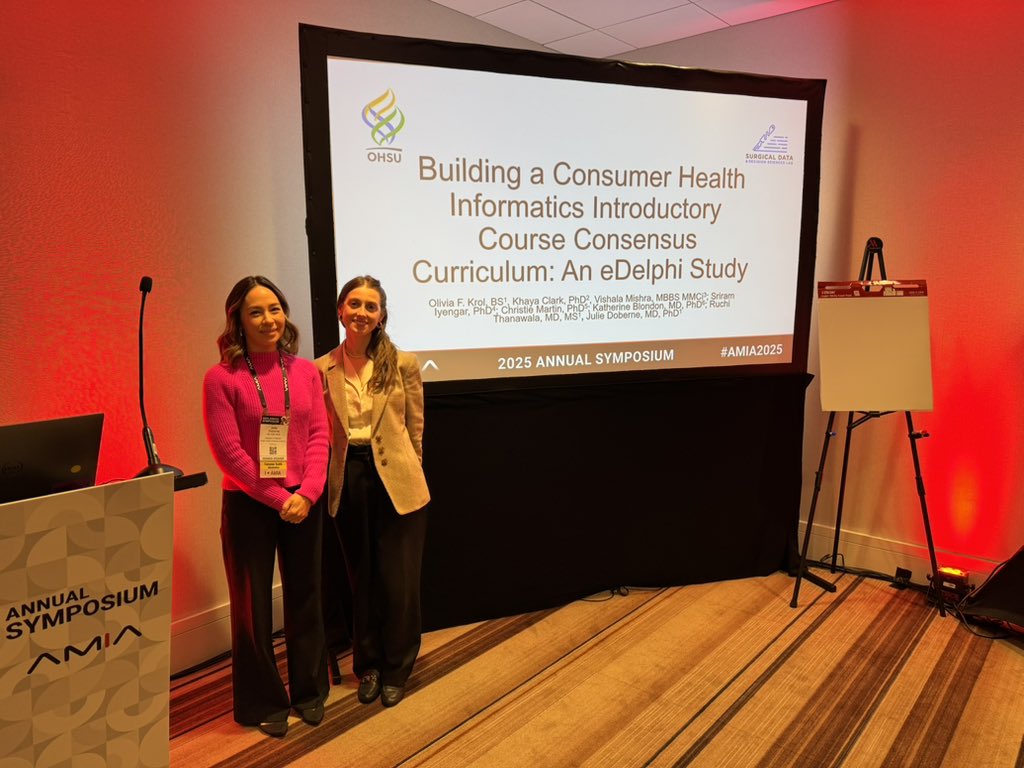
The 2026 AMIA Annual Symposium is the premier global convening for professionals in biomedical informatics, health IT, and digital health. Held annually by the American Medical Informatics Association (AMIA), this event serves as a central hub for researchers, clinicians, data scientists, and policy experts to exchange cutting-edge findings, establish professional standards, and shape the future of healthcare technology through high-impact evidence and collaborative networking.
Understanding the Scope and Purpose of the AMIA Annual Symposium
The AMIA Annual Symposium is not merely a conference; it is the definitive gathering for the scientific discipline of biomedical and health informatics. The event is designed to bridge the gap between theoretical research and clinical application. Attendees include professionals ranging from academic researchers and software developers to clinical informaticians and public health officials.
The symposium typically spans several days and offers a comprehensive program that includes peer-reviewed scientific papers, oral presentations, expert panels, and interactive workshops. By focusing on the transformation of health data into actionable knowledge, the symposium addresses the most pressing challenges in patient care, diagnostic accuracy, and operational efficiency within the healthcare sector.
Essential Logistics and Planning
For those planning to attend, staying ahead of administrative requirements is vital. The AMIA organization coordinates the event, and registration, abstract submissions, and housing arrangements are handled through the official AMIA portal.
Registration Tiers and Access
AMIA provides tiered registration structures that generally differentiate between members and non-members. Early-bird registration windows are critical for attendees looking to secure discounted pricing. Membership in AMIA not only grants access to these reduced rates but also provides year-round access to the Journal of the American Medical Informatics Association (JAMIA) and various working groups, which are often cited during the sessions at the symposium.
Professional Development and CE Credits
A significant draw for clinicians and health IT professionals is the opportunity to earn Continuing Education (CE) credits. The symposium is structured to meet various accreditation standards, covering medical, nursing, and pharmacy continuing education requirements. Attendees must document their session attendance via the provided mobile app or web portal to ensure accurate reporting for their respective boards.
Core Program Tracks and Research Focus Areas
The scientific program at the AMIA Annual Symposium is categorized into specific tracks that cater to different dimensions of informatics. Understanding these tracks helps attendees maximize their time by aligning their schedules with their specific professional interests.
1. Clinical Informatics
This track focuses on the integration of data and technology into clinical workflows. Sessions typically cover decision support systems, the optimization of electronic health records (EHRs), and the reduction of clinician burnout through improved usability and automated data entry.
2. Translational Bioinformatics
This area addresses the intersection of molecular data and clinical practice. Discussions revolve around precision medicine, genomic data management, and the pathways through which biological discoveries are translated into personalized therapeutic interventions.
3. Public Health Informatics
As global health landscapes evolve, this track provides a platform for discussing disease surveillance, population health analytics, and the application of informatics to address health inequities and social determinants of health.
4. Implementation Science and Evaluation
This focus area analyzes how informatics solutions are successfully deployed in complex healthcare environments. It includes methodologies for evaluating the efficacy of new technologies, ensuring sustainable adoption, and managing organizational change.
Comparison of Participation Methods
| Participation Format | Target Audience | Primary Benefit |
|---|---|---|
| Full Scientific Program | Researchers and Academics | Deep-dive into original research and methodology. |
| Workshops and Tutorials | Practitioners and Developers | Hands-on skill building with specific software or data tools. |
| Industry Exhibits | Vendors and Tech Leads | Exposure to emerging enterprise-grade informatics solutions. |
| Working Group Meetings | Policy and Interest Groups | Collaborative networking and long-term project planning. |
Maximizing the Experience: Practical Tips for Attendees
Success at the AMIA Annual Symposium requires preparation before arriving at the venue. With hundreds of sessions, the primary risk is "information overload." To mitigate this, consider these strategic approaches:
Utilize the Mobile Portal
AMIA provides a dedicated digital platform to manage your schedule. Use the search functions to identify sessions tagged with your specific sub-specialty or interest area. Syncing this to your calendar is essential for managing the tight transitions between oral presentations and networking sessions.
Prepare for Networking
The symposium is a massive networking opportunity. It is where multi-institutional research collaborations are often formed. Prepare a brief "elevator pitch" regarding your current projects or research interests. Many of the most valuable insights occur during the "hallway track"—the informal conversations that happen outside of formal sessions.
Engaging with Working Groups
AMIA’s working groups are specialized communities that meet throughout the year and hold dedicated sessions during the symposium. These groups—focused on topics like Artificial Intelligence, Nursing Informatics, or Cybersecurity—are excellent venues for finding mentors or peers working on similar technical problems.
Scientific Integrity and Abstract Submission Requirements
For those presenting research, the symposium adheres to rigorous standards of scientific integrity. Abstract submissions undergo a peer-review process where clarity, innovation, and clinical or technical significance are evaluated.
- Originality: Submissions must reflect original research that has not been previously published.
- Methodology: A clear description of the data, the informatic methodology, and the evaluation metrics is mandatory.
- Conflict of Interest: All presenters must disclose financial or institutional relationships that could be perceived as biasing their research, ensuring that the symposium maintains its status as an objective scientific forum.
Common Pitfalls and How to Avoid Them
Even seasoned attendees can encounter challenges during the symposium. Below are common mistakes and how to navigate them effectively:
- Over-scheduling: Attempting to attend back-to-back sessions in different buildings can lead to exhaustion. Factor in travel time between rooms and leave time for reflection or networking.
- Neglecting the Poster Hall: While oral presentations get high visibility, the poster sessions often feature the most granular, hands-on data analysis and allow for direct one-on-one conversation with the primary investigator. Do not skip these sessions.
- Ignoring Technical Prerequisites: If you sign up for a hands-on workshop, ensure you have checked the requirements regarding hardware or software proficiency. Some sessions may require you to bring a laptop with specific software already installed.
Frequently Asked Questions
How do I verify my registration status?
You can verify your registration status by logging into your AMIA member account on the official association website. A confirmation email is typically sent immediately upon successful payment processing.
Can I earn CME/CNE credits for every session?
Most sessions are eligible for continuing education credits, but not all. Check the session description in the program guide for the "CE Eligible" designation. Requirements for claiming credit include completing a post-session evaluation for each activity.
How is the location determined for the symposium?
The AMIA Annual Symposium rotates between various major convention centers in the United States to ensure geographic accessibility. Locations are typically announced at least two years in advance on the AMIA website.
What should I do if I have accessibility needs?
AMIA is committed to providing an inclusive environment. Attendees should reach out to the organization's logistics team well in advance of the symposium to request accommodations such as sign language interpretation, mobility assistance, or dietary requirements.
Are presentations archived after the event?
Yes, AMIA provides resources for members to view recordings and slide decks from past symposia. Access is generally provided through the AMIA online learning portal, though availability may depend on your membership level or specific event access package.
How can I get involved in the organizing committee?
Participation in the planning of future symposia is highly encouraged. Members interested in serving on the Scientific Program Committee or as a track chair should monitor the AMIA newsletter and volunteer call-outs, which are usually distributed to the membership base in the winter or early spring.
Next Steps for Prospective Attendees
To ensure a productive and successful experience at the 2026 AMIA Annual Symposium, prioritize the following actions:
- Verify your membership status: Ensure your AMIA membership is active to qualify for the best registration rates.
- Monitor the official communications: Subscribe to the AMIA newsletter to receive timely notifications regarding abstract submission deadlines, housing block openings, and preliminary program announcements.
- Define your learning objectives: Before registration opens, identify two or three core topics you want to master during the event. This will guide your session selection and help you prioritize your attendance at workshops versus plenary sessions.
By engaging with the symposium through these structured steps, you position yourself to leverage the vast knowledge and community expertise that define the AMIA experience.