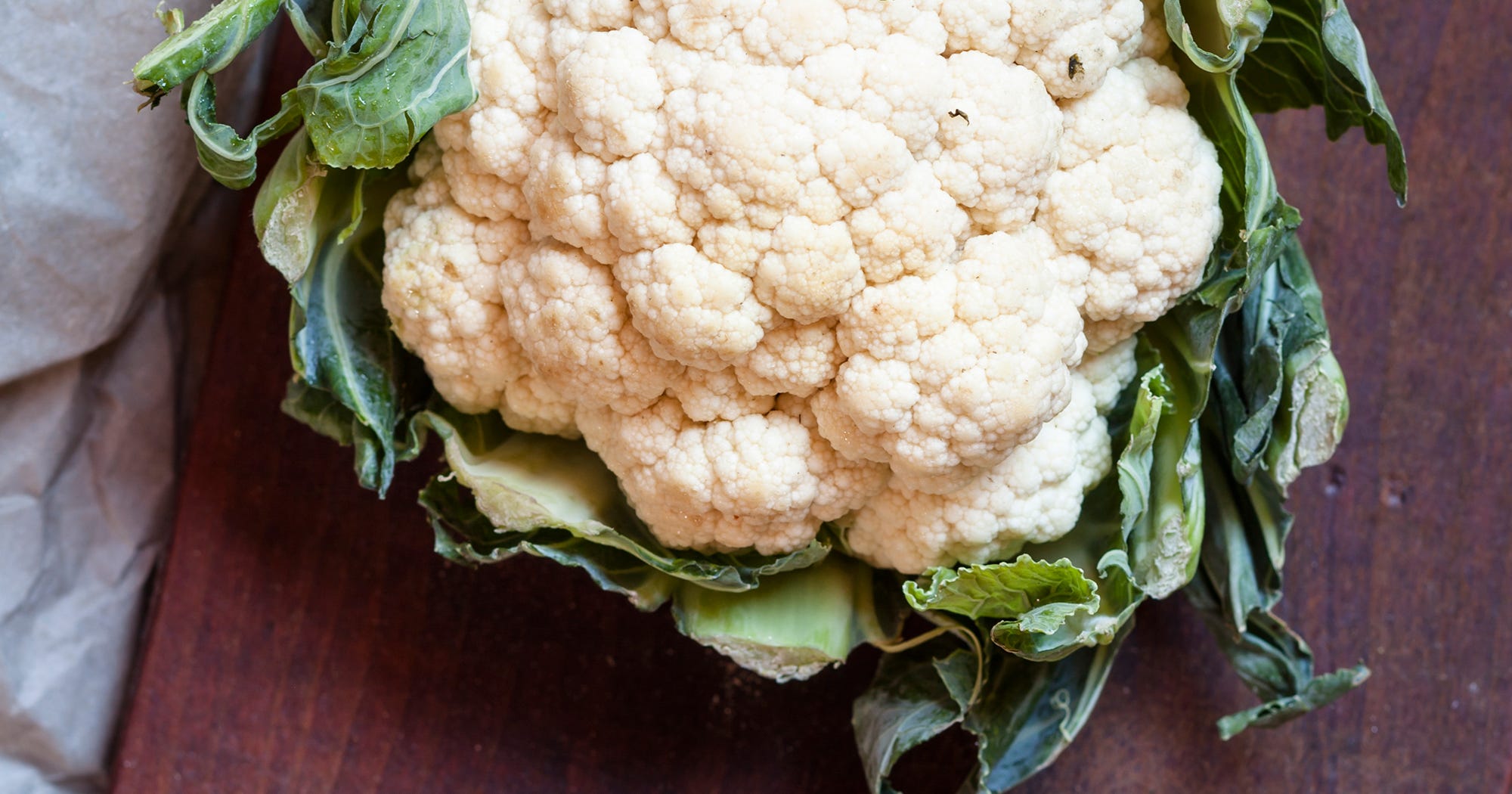
If you suspect your fresh, pre-cut, or frozen cauliflower is subject to a 2025 recall, immediately stop consuming it, check the package lot code and "Best If Used By" date against official regulatory notices, and either dispose of the product in a sealed bag or return it to the place of purchase for a full refund.
Produce recalls involving Brassica vegetables such as cauliflower typically arise from routine testing or surveillance that detects foodborne pathogens—most commonly Listeria monocytogenes, Salmonella, or Shiga toxin-producing Escherichia coli (E. coli)—or, less frequently, undeclared allergens and foreign physical contaminants. Because cauliflower is frequently eaten raw in salads, processed into raw riced cauliflower, or incorporated into pre-packaged vegetable medleys, microbial contamination presents a direct threat to consumer health.
Understanding how to navigate food safety alerts, trace commercial packaging codes, and sanitize domestic kitchen environments ensures that you protect your household from potential infection while avoiding unnecessary food waste.
Understanding Cauliflower Recalls in the Food Supply Chain
Commercial cauliflower distribution relies on high-throughput processing facilities, complex cold chains, and cross-docking logistics. Raw heads of cauliflower (Brassica oleracea var. botrytis) are harvested from agricultural fields, cooled rapidly via hydrocooling or forced-air cooling, and distributed either as whole naked heads, wrapped fresh heads, or channeled into value-added processing lines.
Value-added processing includes washing, chopping into florets, shredding into "cauliflower rice," and flash-freezing individually quick-frozen (IQF) products. While these processes increase convenience, every additional processing step introduces mechanical touchpoints where bacteria can proliferate if sanitation protocols lapse.
When public health agencies like the U.S. Food and Drug Administration (FDA), the Centers for Disease Control and Prevention (CDC), or the Canadian Food Inspection Agency (CFIA) announce a produce recall, it is classified based on the relative degree of health hazard:
- Class I Recall: A situation in which there is a reasonable probability that the use of, or exposure to, a violative product will cause serious adverse health consequences or death. Pathogens like Listeria monocytogenes or Shiga toxin-producing E. coli on ready-to-eat cauliflower almost universally trigger Class I actions.
- Class II Recall: A situation where exposure may cause temporary or medically reversible adverse health consequences, or where the probability of serious adverse consequences is remote.
- Class III Recall: A situation where use or exposure is not likely to cause adverse health consequences, such as minor labeling defects or aesthetic irregularities not tied to allergens or pathogens.
Most fresh vegetable recalls occurring across retail channels are voluntary actions initiated by growers, packers, or distributors in close coordination with regulatory agencies after routine internal environmental sampling or retail surveillance yields a positive pathogen culture.
Primary Contaminants Associated with Cauliflower
Consumers evaluating food recalls must understand the specific biological mechanisms and health implications of the target pathogens. Unlike hearty produce that is uniformly peeled before eating, cauliflower’s dense, branched structure provides abundant microscopic crevices that can harbor moisture, agricultural run-off, and microbial biofilms.
- Agricultural Water / Field Soil / Wildlife Intrusion
- Cauliflower Surface Contamination (Curds & Leaves)
- Post-Harvest Processing Points
- Coring & Trimming Knives
- Flotation & Wash Water flumes
- Shredding / Ricing blades & Conveyor belts
- Fresh Packaged Florets / Rice (Refrigerated shelf-life: 10-18 days)
- Microbial Biofilm Survival (Listeria multiplies at 34°-40°F)
- Frozen IQF Cauliflower (Freezer shelf-life: 12-24 months)
- Cryotolerant Pathogen Survival (Listeria survives sub-zero temps)
Listeria monocytogenes
Listeria monocytogenes is an environmentally resilient bacterium that represents the most frequent trigger for leafy green and cruciferous vegetable recalls. Unlike many enteric bacteria that require warm environments to divide, Listeria is a psychrotrophic organism—meaning it can continue to survive and multiply at normal refrigeration temperatures (34°F to 40°F, or 1°C to 4°C).
In healthy adults, listerial infection (listeriosis) may cause mild gastroenteritis with diarrhea, low-grade fever, and fatigue. However, for vulnerable demographics—including pregnant women, adults aged 65 and older, and individuals with immunocompromising medical conditions—the organism can cross the intestinal barrier into the bloodstream and central nervous system.
Invasive listeriosis can result in septicemia, meningitis, encephalitis, and miscarriage or stillbirth in pregnant women. Symptoms may take anywhere from 1 to 70 days to manifest following ingestion, complicating contact tracing.
Shiga Toxin-Producing Escherichia coli (STEC)
Escherichia coli strains carrying Shiga toxin genes (such as E. coli O157:H7 or non-O157 strains like O26, O103, and O121) enter agricultural environments through contaminated irrigation water, wild or domestic animal intrusion, or contaminated agricultural equipment.
STEC infections manifest with severe abdominal cramping, sudden onset of watery diarrhea that frequently progresses to bloody diarrhea (hemorrhagic colitis), and mild fever. Symptoms typically present within 2 to 8 days post-exposure. A primary clinical concern, particularly in young children and the elderly, is Hemolytic Uremic Syndrome (HUS), a systemic complication characterized by microangiopathic hemolytic anemia, thrombocytopenia, and acute kidney injury.
Salmonella enterica
Salmonella species contaminate produce through animal feces, bird droppings, or contaminated processing equipment. When introduced into wash water systems without adequate antimicrobial sanitizers (such as chlorine, peracetic acid, or ozone), Salmonella can transfer from a single infected head across entire processing batches.
Salmonellosis causes acute diarrhea, abdominal tenderness, fever, vomiting, and dehydration. In most healthy individuals, symptoms arise 6 hours to 6 days after ingestion and resolve without antimicrobial intervention within 4 to 7 days. However, severe cases require fluid resuscitation and targeted antibiotics to prevent endovascular seeding and systemic infection.
How to Verify if Your Cauliflower Is Recalled
When an active recall notice is issued, determining whether the produce in your pantry, refrigerator, or freezer is part of the affected supply requires specific packaging identification. Produce packaging contains precise traceability data mandated by food safety regulations.
Step 1: Examine the Product Brand and Format
Determine the exact presentation of the cauliflower:
- Whole Bulk Heads: Often distributed with a simple PLU (Price Look-Up) sticker (e.g., PLU 4079 for conventional white cauliflower or 4566 for organic). Bulk produce recalls usually rely on store-level signage and purchase dates rather than individual package stamps.
- Bagged Fresh Florets / Slaw: Packaged in micro-perforated plastic bags or clear clamshells under national labels or store private brands.
- Cauliflower Rice (Fresh or Frozen): Sealed in polybags, microwavable steam bags, or meal-prep trays.
- Multi-Vegetable Medleys: Mixed blends containing cauliflower, broccoli florets, carrots, and snap peas.
Step 2: Locate the Traceability Block
Turn the packaging to the rear or bottom panel. Search for the printed ink-jet matrix, which is typically stamped near the barcode or along the sealed crimp of the bag. This block contains three critical markers:
- UPC (Universal Product Code): The 12-digit numeric code positioned below the linear barcode stripes.
- Lot Code / Batch Number: An alphanumeric string generated by the packaging facility (e.g.,
LOT 25-A104orB250819). - Use By / Best Before / Pack Date: The expiration or packaging timestamp (e.g.,
BEST IF USED BY 03/15/25orPACKED ON 02/20/25).
Step 3: Decode the Julian Date (If Applicable)
Many industrial packaging lines use the Julian date format instead of a standard calendar date. A Julian date expresses the packaging day as a three-digit day of the year:
001corresponds to January 1.045corresponds to February 14.180corresponds to late June.
A code reading L25045-2 indicates that the lot was produced in the year 2025 (25), on the 45th day of the year (045), on packaging line two (2). Cross-referencing this specific number against official recall announcements allows you to confirm whether your item originates from the quarantined production shift.
Comparative Assessment: Product Categories and Recall Risk
The physical state of your cauliflower affects its vulnerability to contamination, its shelf-life in your home, and the appropriate steps you should take.
| Product Category | Common Packaging Types | Primary Pathogen Risk | Latent Home Storage Life | Verification Strategy |
|---|---|---|---|---|
| Fresh Bulk Cauliflower | Unwrapped or open-banded heads (PLU 4079/4566) | Field-derived E. coli, Salmonella | 1 to 2 weeks (Refrigerated) | Match purchase receipts and store notification dates. |
| Fresh Pre-Cut Florets | Sealed plastic film bags, vented clamshells | Listeria monocytogenes, Salmonella | 7 to 14 days (Refrigerated) | Compare UPC, bag lot code, and "Best By" timestamp. |
| Fresh Cauliflower Rice | Gusseted bags, micro-perforated pouches | Listeria monocytogenes | 5 to 10 days (Refrigerated) | Inspect front/back stamped expiration codes against notice. |
| Frozen Cauliflower / Medleys | Polyethylene pillow pouches, steam-in bags | Listeria monocytogenes (cryotolerant) | 12 to 24 months (Freezer) | Match UPC and long-term Julian lot numbers; check freezer stock. |
| Pre-Packaged Salad Kits | Polybags containing dressings and toppings | E. coli, Listeria, Salmonella | 5 to 8 days (Refrigerated) | Check overall kit lot code; dressing packs alone are rarely the source. |
Action Plan: What to Do If You Have Recalled Cauliflower
Discovering that you possess recalled food requires immediate, decisive containment to eliminate ingestion and cross-contamination risks.
- Recalled Cauliflower Identified in Refrigerator / Freezer
- Step 1: Quarantine & Containment — DO NOT TASTE
- Seal original package inside two plastic grocery bags.
- Step 2: Decision Path
- Dispose Immediately
- Place into outdoor trash bin; ensure pets/wildlife cannot access it.
- Return for Refund
- Take package/receipt to retailer customer service desk for reimbursement.
- Clean Contact Zones
- Shelves, crisper bins, prep surfaces, knives.
- Hot soapy water + bleach solution.
- Dispose Immediately
1. Quarantine the Item Immediately
Never perform a "taste test" or "smell test" to evaluate whether the cauliflower is contaminated. Pathogenic bacteria like Listeria and Salmonella do not alter the texture, scent, or appearance of the vegetable curds.
- Remove the product from your refrigerator or freezer without tearing or puncturing the packaging.
- Place the item inside a secondary sealable plastic bag (such as a gallon zip-top bag or double plastic grocery bags).
- Clearly label the exterior "RECALLED – DO NOT EAT" if other individuals have access to the kitchen.
2. Choose Disposal or Retail Return
Retailers are legally and contractually obligated to process refunds for products subject to active manufacturer or public health recalls.
- Returning to Retailer: Bring the quarantined package, or in many instances simply your digital/paper receipt showing the transaction, to the customer service counter where the purchase took place.
- Domestic Disposal: If returning the product is inconvenient or poses handling risks, dispose of the sealed package directly into an outdoor trash receptacle. Ensure the container is closed securely so domestic pets, stray animals, or wildlife cannot scavenge the contaminated matter.
3. Decontaminate Kitchen Surfaces and Storage Zones
Because Listeria monocytogenes survives and spreads readily across cold surfaces, simply tossing the bag is insufficient if it sat unsealed in your crisper drawer or touched kitchen counters.
- Empty Surrounding Produce: Remove any unpackaged produce that was stored directly adjacent to or beneath the recalled cauliflower. If exposed to dripping condensation or direct contact, discard those items as well.
- Wash Removable Components: Remove refrigerator crisper drawers, glass shelving, and wire racks. Wash them thoroughly with hot, soapy water using a dedicated washcloth or disposable sponge.
- Sanitize: Prepare a sanitizing solution using one tablespoon of liquid unscented household chlorine bleach mixed into one gallon of cool water. Wipe down all interior refrigerator walls, door handles, drawer runners, and preparation counters.
- Air Dry: Allow surfaces to air dry completely before returning clean shelves, drawers, and uncontaminated groceries to the unit. Wash your hands thoroughly with warm water and soap for at least 20 seconds following the cleaning process.
Medical Considerations: What to Do if You Consumed the Product
If you or a household member consumed cauliflower that was subsequently identified as part of a recall, take a structured, non-panicked approach. Consumption does not guarantee that infection has occurred, but it necessitates careful health monitoring.
- Recalled Cauliflower Consumed
- Establish Ingestion Date & Monitor
- Record date, lot code, and quantity eaten.
- Watch for incubation window:
- STEC / Salmonella: 1 to 8 days
- Listeria: up to 70 days
- No Symptoms Emerge:
- Continue normal monitoring.
- No prophylactic antibiotics are indicated or prescribed.
- Symptoms Develop:
- Contact healthcare provider.
- Disclose pathogen exposure.
- Avoid anti-diarrheal meds (Loperamide) if STEC is suspected.
Determining Exposure Risk and Symptoms
Document the date of consumption, the quantity consumed, and whether the cauliflower was eaten raw or fully cooked. Heat is an effective pathogen-reduction step: cooking produce to an internal temperature of 165°F (74°C) reliably inactivates vegetative cells of Listeria, Salmonella, and E. coli. If the cauliflower was thoroughly boiled, steamed, roasted, or baked, the probability of viable bacterial transmission drops significantly.
If the product was consumed raw or lightly blanched, monitor your physical condition over the established incubation windows:
- Gastrointestinal Distress: Persistent diarrhea, nausea, severe abdominal pain, or vomiting within 12 hours to 7 days.
- Systemic Infection Signs: Unexplained fever, muscle aches (myalgia), stiff neck, confusion, loss of balance, or extreme lethargy within 1 to 10 weeks (indicative of invasive listeriosis).
When to Seek Immediate Medical Attention
Healthy adults experiencing mild gastrointestinal upset that resolves within 24 to 48 hours generally require rest and oral rehydration. However, clinical consultation is essential if you observe:
- A high fever exceeding 102°F (38.8°C).
- Diarrhea lasting more than 3 days without improvement.
- Stools that appear bloody, black, or tarry.
- Persistent vomiting that prevents fluid retention, leading to signs of dehydration (dry mouth, dizziness upon standing, minimal or dark urination).
- Any symptoms occurring in an individual who is pregnant, elderly, or undergoing chemotherapy or immunosuppressive therapy.
Medical Disclaimer: This information is intended for educational purposes and does not substitute for individualized medical diagnosis or treatment. If you suspect you have contracted a foodborne illness, contact a licensed physician or your local department of public health.
Navigating Regulatory Portals and Verifying Active Alerts
To confirm whether a specific batch of cauliflower is under active recall, rely exclusively on official state, federal, and regulatory monitoring dashboards. Social media posts and aggregated discussion forums often omit precise lot dates or misinterpret distributor alerts.
- U.S. Food & Drug Administration (FDA): Maintain access to the FDA Recalls, Market Withdrawals, & Safety Alerts database. The FDA manages all domestic produce safety under the Food Safety Modernization Act (FSMA) and posts company press releases alongside high-resolution packaging photographs.
- Centers for Disease Control and Prevention (CDC): The CDC Food Safety Alerts platform tracks multistate outbreak investigations, providing epidemiologic curves, case counts, and clinical testing criteria.
- Canadian Food Inspection Agency (CFIA): Canadian residents should consult the CFIA Food Recall Warnings portal to evaluate imports originating from U.S. or international growing districts.
- Retailer Consumer Notification Networks: Many modern supermarket chains (such as Kroger, Walmart, Costco, and Target) utilize automated digital notification systems. If you purchase groceries using an associated loyalty card or digital account, check your email inbox or mobile app notifications for direct recall alerts linked to your transaction history.
Frequently Asked Questions
Can I wash recalled cauliflower with vinegar, soap, or produce wash to make it safe?
No. Chemical washes, vinegar rinses, or commercial vegetable cleansers cannot eliminate systemic bacterial contamination from produce curds. Bacteria such as Listeria and Salmonella can internalize within plant tissue through micro-fissures and stomata, where surface sanitizers cannot penetrate. Furthermore, never wash produce with soap or detergent, as ingestion of soap residue can cause gastrointestinal toxicity.
Does boiling or roasting recalled cauliflower kill the bacteria?
While cooking produce to an internal temperature of 165°F (74°C) inactivates organisms like Listeria and Salmonella, food safety regulators strongly advise against cooking recalled food. Handling contaminated raw produce in the home creates widespread cross-contamination risks across cutting boards, knives, hands, and counter surfaces before cooking is completed. Recalled food must always be discarded.
How long does frozen cauliflower remain dangerous if contaminated with Listeria?
Listeria monocytogenes can survive sub-zero freezer environments (-4°F / -20°C) for the entire shelf-life of the frozen vegetable (often 12 to 24 months). Freezing puts bacterial growth in stasis but does not destroy the cell walls or neutralize the pathogen. Once thawed at room temperature or inside the refrigerator, the bacteria resume normal cellular activity and replication.
What is the difference between an FDA public health alert and an official recall?
A recall is formally initiated when a manufacturer or distributor coordinates with the FDA to pull a specific product from commerce. A Public Health Alert is issued by regulatory agencies when a contaminated product is believed to be in consumer hands, but a formal voluntary recall cannot be completed immediately (e.g., if the producing company has ceased operations, or if the product cannot be tied to a specific commercial lot). Both alerts carry the same health precautions.
Are organic cauliflower products less likely to be recalled than conventional ones?
No. Organic certification regulates the types of pesticides, fertilizers, and agricultural inputs permitted during farming; it does not confer immunity to microbiological pathogens. In fact, organic practices frequently utilize composted manure, which requires stringent heating and curing protocols to ensure biological pathogens are neutralized. Both conventional and organic cauliflower are equally subject to environmental contamination from irrigation water and post-harvest handling.
Practical Next Steps for Consumers
- Audit Your Storage: Check your crisper drawers, refrigerator shelves, and freezer compartments for any cauliflower products purchased during the targeted recall window.
- Match Identifiers: Cross-reference the 12-digit UPC and stamped packaging lot codes with the verified notices published on the FDA Recalls Portal.
- Contain and Sanitize: If your code matches, double-bag the item for immediate disposal or return, and complete a sanitizing scrub down of any storage areas using hot soapy water followed by a diluted bleach solution.