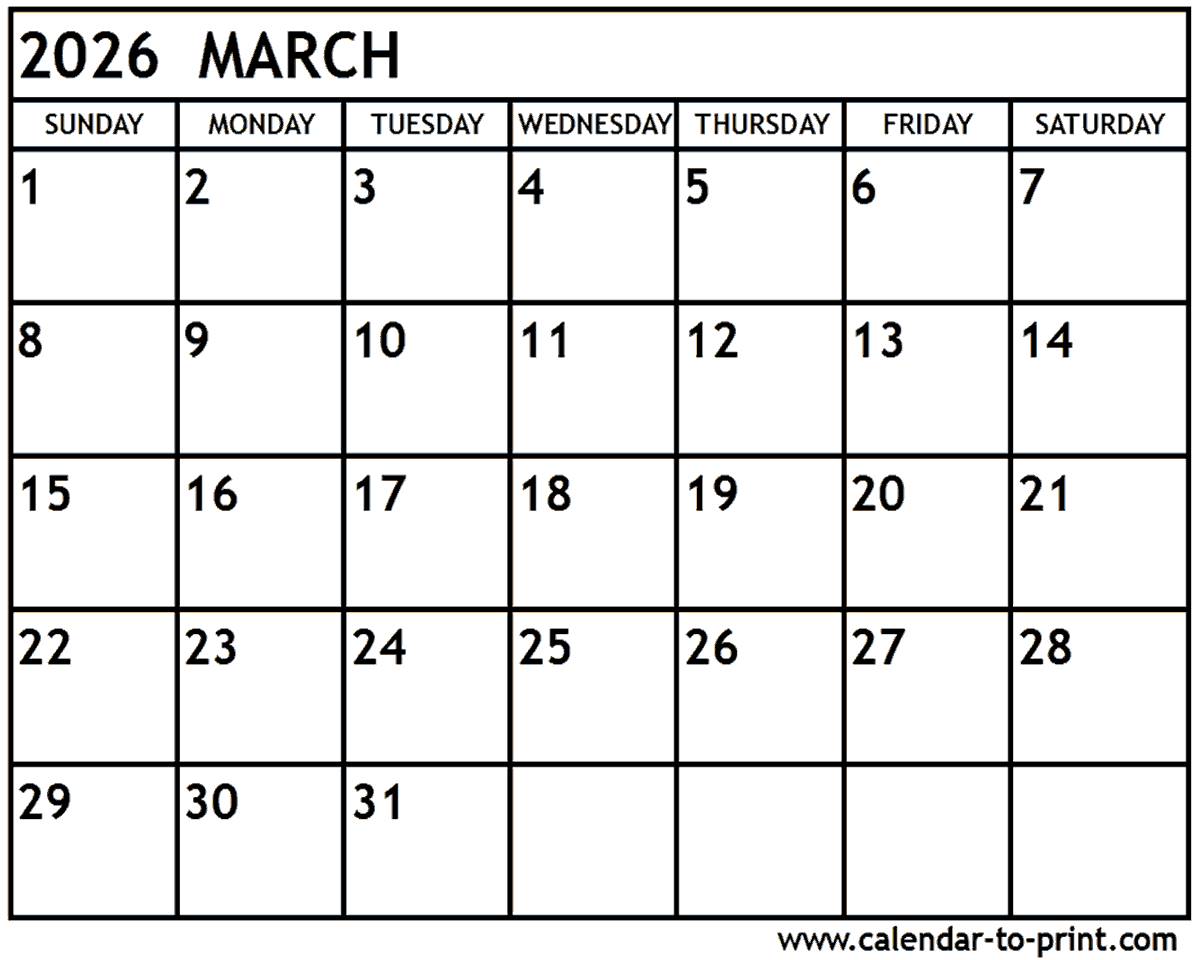
Obtaining a 2024 or 2026 printable calendar requires selecting a reliable PDF source that offers high-resolution, standardized formatting compatible with home and office printers. By utilizing standardized PDF files, you ensure that your margins, date alignment, and layout remain consistent, allowing for efficient time management and archival planning across both historical and current fiscal years.
Understanding the Demand for Archived and Current Calendars
In the professional and academic world, the need for a "2024 free printable March 2026 calendar" is rarely about a single document. Instead, it represents a search for two distinct types of temporal organization: the ability to reference past project data from 2024 and the necessity of mapping the current 2026 calendar year.
The year 2024 serves as a critical baseline for historical reconciliation. Many businesses, freelancers, and students maintain "paper trails" of their productivity, billing cycles, and milestone tracking. When you search for a 2024 calendar in 2026, you are essentially looking for a tool to audit past performance, verify historical meeting dates, or align project timelines. Conversely, the search for a March 2026 calendar is a forward-looking action, often driven by the need to manage immediate deadlines, tax obligations, or seasonal project planning during the current year.
Technical Specifications of Printable PDF Calendars
When sourcing calendars, the Portable Document Format (PDF) is the gold standard for several technical reasons. Unlike image files (such as JPEGs or PNGs) or word-processing documents (such as DOCX files), PDFs are designed to preserve the layout, fonts, and vector graphics regardless of the device or software used to open them.
Why PDF Remains the Preferred Format
- Vector Consistency: PDF files utilize vector graphics for lines and text. This means that if you print a PDF calendar, the grid lines and date numbers remain crisp and clear even if you scale the document from a standard letter size (8.5 x 11 inches) to an A4 size or even a larger ledger sheet.
- Printer Compatibility: Most consumer and commercial printers are optimized to interpret PDF commands. Using this format minimizes the risk of "shifting" columns or truncated margins, which is a common issue when printing web pages directly from a browser.
- Document Integrity: A PDF file is inherently non-editable by standard users without specific software. This ensures that the structure you download is the structure you print, preventing accidental modifications to the dates or grid layout.
How to Successfully Source and Print Your Files
To obtain high-quality, free printable calendars, you must navigate the distinction between dynamic generators and static archives.
1. Identify Your Requirements
Before downloading, determine the orientation you require. Landscape orientation is typically best for wall-mounted calendars and desks, providing a wider view for notes. Portrait orientation, however, is often superior for binders and vertical organizers, as it leaves more space for task lists and memos.
2. Verify Data Accuracy
For any calendar year, always verify the leap year status and the placement of federal holidays. While March is consistent in its day count, checking the start date of the week (Sunday vs. Monday) is essential for your specific workflow.
3. Execution Steps
- Selection: Access a reliable digital repository that provides clean, unbranded, or minimalist calendar layouts. Avoid sites that require invasive software installations.
- Download: Save the file to a local drive rather than printing directly from the web browser's preview window. This gives you more control over print settings.
- Print Configuration: Open the file in a dedicated PDF reader (such as Adobe Acrobat or an equivalent). Select "Actual Size" in the print dialogue box rather than "Scale to Fit." Scaling can sometimes distort the geometry of the calendar grid.
- Quality Selection: If you intend to write on the calendar with ink pens, select a printer setting that utilizes a higher DPI (Dots Per Inch) to ensure the paper does not bleed excessively.
Comparison of Calendar Formats for Planning
To determine which layout is most effective for your specific needs, consider the following table regarding common calendar configurations:
| Layout Type | Best Use Case | Primary Advantage | Typical Constraint |
|---|---|---|---|
| Grid Monthly | Broad scheduling | Easy to view entire month | Limited space per day |
| Linear/List | Project milestones | High readability of dates | Hard to visualize gaps |
| Full Year | Long-term planning | Single-page overview | Very small text |
| Vertical | Task-based planning | Space for daily notes | Less intuitive structure |
Addressing the Historical Context: Using 2024 Data in 2026
If you are pulling a 2024 calendar in 2026, you are likely performing an audit. To make this data useful, consider the following methodology:
- Standardization: Use the same printer and paper type you currently use for 2026. This makes side-by-side comparisons of project velocity easier on the eye.
- Annotation: When auditing 2024 records, use a different color ink or a digital overlay to mark events. This prevents you from confusing historical data with current 2026 planning.
- Storage: File these documents in a dedicated folder or physical binder marked "Historical Reference: 2024" to keep your current 2026 workspace uncluttered.
Troubleshooting Common Printing Issues
Even with the reliability of PDFs, technical issues can occur during the printing process.
1. Cropped Edges: This usually occurs because your printer's "printable area" is smaller than the digital margin of the file. To fix this, look for the "Fit to Page" option in the print dialogue. While this shrinks the total size slightly, it ensures that no dates or grid lines are cut off.
2. Low Contrast: If the lines appear faint, ensure you are using the "High Quality" or "Photo" setting in your printer properties. Using "Draft" or "Eco" mode often reduces ink usage to a degree where grid lines become illegible.
3. Incorrect Paper Size: If you live in an area that uses A4 paper but you download a US Letter-sized file, you may encounter alignment issues. Most reputable sites offer toggle options for A4 vs. Letter. Always confirm your regional paper standard before initiating the print command.
Frequently Asked Questions
Are these calendars legally binding? No. Printable calendars are tools for personal organization and scheduling. They are not official legal documents, nor do they supersede government-issued schedules or tax deadlines.
Can I edit these PDFs to add my own events? Most standard PDF calendars are "flat" files, meaning they are images of a calendar. If you require a calendar where you can type in events before printing, look for "fillable" or "editable" PDF templates. Standard printable PDFs require manual, handwritten entries.
Why does my 2024 calendar look different from my 2026 calendar? Designers often update their templates over two years. If you want a consistent look, search for a "template family" or "series" from the same provider so that the fonts, line weights, and borders match across different years.
Is there a cost associated with printing these? The digital files are typically free. However, your costs will involve paper, toner, or ink. If you are printing large quantities, using a local print shop or an office supply store's self-service printing station is often more cost-effective than using a home inkjet printer.
What if the March calendar shows the wrong day of the week? This indicates the file is from a different year. Ensure the file name specifically references the year you are targeting, as calendars are unique to their specific year—March 2024 and March 2026 do not share the same alignment of days and dates.
Final Recommendation for Effective Planning
To maximize your efficiency in 2026, combine your historical 2024 reviews with a forward-looking digital-physical hybrid system. Use your 2026 printable calendar for immediate, high-level milestone tracking, where you can see the month at a glance, and use digital tools for granular daily tasks. By keeping a physical copy of your March 2026 schedule in a visible location, you reduce "cognitive load"—the mental effort required to recall dates and deadlines—thereby increasing your overall productivity throughout the year.