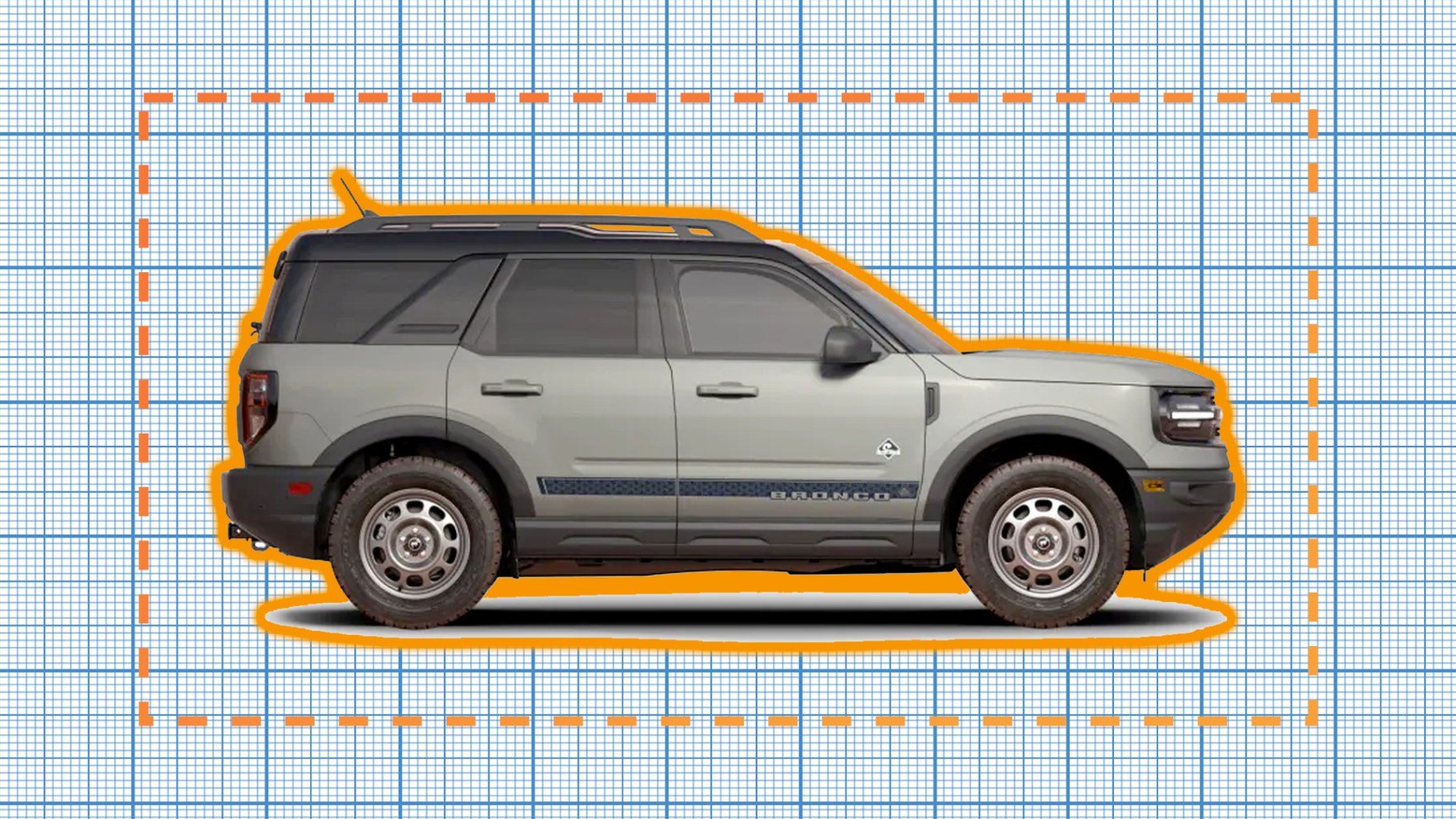
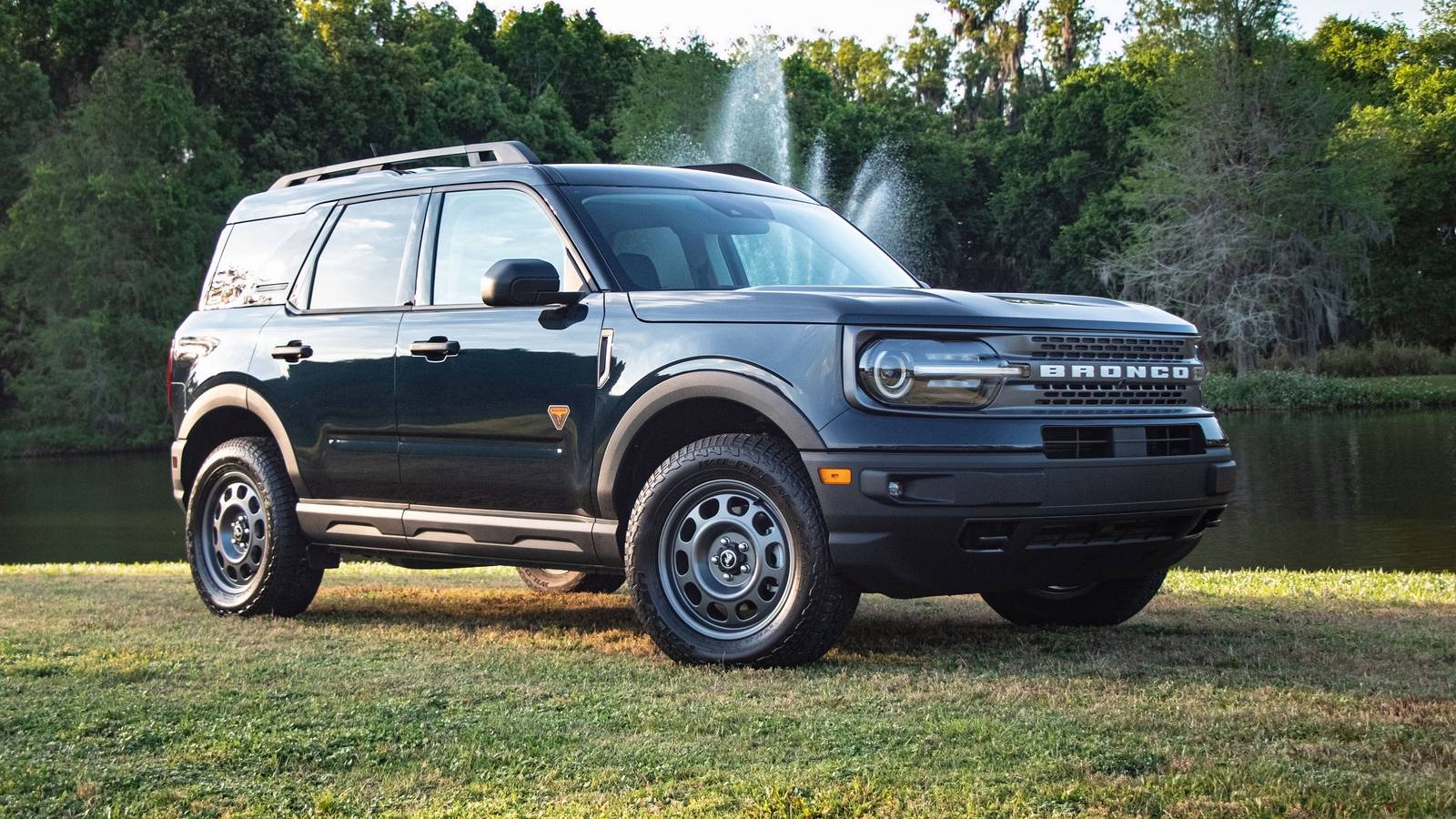
The 2023 Ford Bronco Sport remains a competitive choice in the compact SUV segment today, offering a balanced mix of off-road capability and daily drivability. While early models faced scrutiny regarding powertrain recalls and electronic glitches, most 2023 units have proven resilient by 2026, provided that critical safety recalls were addressed and scheduled maintenance was strictly followed.
Understanding the 2023 Ford Bronco Sport Landscape in 2026
As we look at the 2023 Ford Bronco Sport from the perspective of 2026, the vehicle has transitioned from a showroom newcomer to a staple of the used car market. For many buyers, the 2023 model year represented a "sweet spot" in production—it was far enough into the first generation (which launched in 2021) to have corrected some initial assembly line growing pains, yet it preceded some of the more aggressive cost-cutting measures seen in later refreshes.
The Bronco Sport is built on the Ford C2 platform, which it shares with the Ford Escape and the Maverick pickup. This shared DNA is both a blessing and a curse for reliability. On one hand, parts are plentiful and mechanics are intimately familiar with the architecture. On the other hand, the Bronco Sport inherited some of the platform's known weaknesses, particularly regarding the cooling systems and small-displacement turbocharged engines.
To accurately assess reliability today, we must distinguish between the two primary powertrains: the 1.5L EcoBoost three-cylinder and the 2.0L EcoBoost four-cylinder. By 2026, the divergence in their long-term durability has become more apparent, influencing everything from resale value to total cost of ownership.
Powertrain Reliability: 1.5L vs. 2.0L EcoBoost
The engine is the heart of any reliability discussion. In the 2023 Bronco Sport, the choice of engine often dictates the long-term satisfaction of the owner.
The 1.5L EcoBoost Three-Cylinder
Standard on the Base, Big Bend, Heritage, and Outer Banks trims, the 1.5L engine was designed for efficiency. In 2026, we see that these engines generally hold up well under light-to-moderate use. However, the three-cylinder design inherently produces more vibration than a balanced four-cylinder. This NVH (Noise, Vibration, and Harshness) can lead to premature wear on engine mounts and secondary components over time.
A significant reliability milestone for this engine involved the fuel injector recall. In units manufactured during the 2023 window, some injectors were prone to cracking, which could lead to fuel leaks onto hot engine surfaces. By now, most 2023 models on the road should have received the "drain tube" and software update fix, but any prospective buyer in 2026 must verify this via the NHTSA Recall Lookup.
The 2.0L EcoBoost Four-Cylinder
Found exclusively in the Badlands and Heritage Limited trims, the 2.0L engine is widely considered the more robust option for long-term ownership. It offers a more traditional power delivery and handles the weight of the Bronco Sport with less strain than the 1.5L. Owners who frequently engage in light towing or off-roading have found the 2.0L to be more "bulletproof" as it nears the 60,000 to 80,000-mile mark.
Transmission and Drivetrain Endurance
The 2023 Bronco Sport utilizes an 8-speed automatic transmission across all trims. In 2026, feedback suggests that while the transmission is generally reliable, it can exhibit "hunting" behavior or harsh shifts if the fluid is not changed according to a rigorous schedule.
The Badlands trim features a more sophisticated Advanced 4x4 with a Twin-Clutch Rear Drive Unit. This system allows for torque vectoring, sending power to individual rear wheels. While this enhances off-road performance, it also introduces more complexity. We have observed that units driven hard in off-road environments require more frequent differential fluid changes to prevent overheating and premature wear of the clutch packs.
For the average commuter, the standard 4x4 system is less complex and has shown fewer mechanical failures over the first three years of service life.
Common Issues and Known Problem Areas
By 2026, a clear pattern of "known issues" has emerged for the 2023 model year. Understanding these can help owners and buyers stay ahead of repairs.
1. Braking System Noise
One of the most frequent complaints regarding the 2023 Bronco Sport involves a high-pitched squeal when braking in reverse, particularly in cold or damp conditions. While Ford issued various Technical Service Bulletins (TSBs) to address this with updated brake pad materials, many vehicles still exhibit this trait. It is generally considered a nuisance rather than a safety failure, but it remains a point of frustration for many.
2. Infotainment and Connectivity (SYNC 3)
While the larger Bronco moved to SYNC 4, the 2023 Bronco Sport retained the SYNC 3 system. By 2026 standards, the 8-inch screen feels somewhat small, but the software is actually more stable than some newer systems. Common reliability issues here are typically limited to "frozen" screens or Bluetooth pairing drops, which are often resolved by a simple soft reset (holding the power and "seek forward" buttons).
3. Battery Longevity
The 2023 model year uses an AGM (Absorbent Glass Mat) battery to support its start-stop technology. However, we have found that the factory batteries often struggle to last beyond the three-year mark, especially in vehicles that sit for several days at a time. Many owners in 2026 are finding that replacing the OEM battery with a high-quality aftermarket unit solves various "ghost" electronic issues, such as flickering lights or erratic sensor readings.
| Feature/Component | 1.5L EcoBoost (Base/Big Bend) | 2.0L EcoBoost (Badlands) |
|---|---|---|
| Engine Configuration | 3-Cylinder Turbocharged | 4-Cylinder Turbocharged |
| Horsepower | 181 hp | 250 hp |
| Common Issue (2026) | Engine Mount Vibration | Differential Fluid Heat |
| Transmission | 8-Speed Automatic | 8-Speed SelectShift w/ Paddles |
| 4x4 System | Standard 4x4 | Advanced 4x4 w/ Twin-Clutch |
| Recalls Noted | High (Fuel Injector focus) | Moderate |
| Longevity Outlook | Good for Commuting | Excellent for Utility |
Real-World Maintenance Costs in 2026
Maintaining a 2023 Ford Bronco Sport today requires a proactive approach. Because these vehicles often utilize turbocharged engines and complex AWD systems, skipping oil changes is not an option.
- Oil Changes: Ford recommends a "Smart Oil-Life Monitor," but expert consensus in 2026 suggests changing the synthetic oil every 5,000 to 7,500 miles rather than waiting for the 10,000-mile alert. This protects the turbocharger bearings.
- Tires: Due to the 4x4 system, tire rotations are critical. Uneven wear can put undue stress on the transfer case. Expect to replace the factory Continental or Falken tires between 35,000 and 45,000 miles.
- Coolant System: There have been reports of minor coolant leaks at the water pump or hose connections. Regular inspections every 15,000 miles can prevent a catastrophic overheat event.
Comparing Reliability to Competitors
To understand where the 2023 Bronco Sport stands today, we must compare it to its primary rivals in the 2023–2026 timeframe.
- Toyota RAV4 (2023): The RAV4 remains the benchmark for mechanical longevity. While the Bronco Sport offers more "character" and better off-road capability, the RAV4 generally has fewer electronic gremlins and higher resale value.
- Mazda CX-50 (2023): The CX-50 offers a more premium interior and a traditional 6-speed automatic that some find more reliable than Ford's 8-speed. However, the Bronco Sport’s G.O.A.T. (Goes Over Any Type of Terrain) modes make it a superior choice for weekend adventurers.
- Subaru Crosstrek (2024/Early 2023): Subaru’s CVT (Continuously Variable Transmission) is a point of contention for some, whereas the Bronco Sport’s traditional automatic is often preferred for those who plan to keep the car beyond 100,000 miles.
Safety and Structural Integrity
The 2023 Ford Bronco Sport performed exceptionally well in crash testing, earning a Top Safety Pick+ from the Insurance Institute for Highway Safety (IIHS) at the time of its release. In 2026, the structural integrity of these vehicles remains a high point. The use of high-strength steel in the A and B pillars ensures that even as the vehicle ages, its ability to protect occupants in a rollover or side-impact collision does not diminish.
The Ford Co-Pilot360 suite of driver-assist technologies—including Pre-Collision Assist and Blind Spot Information Systems—has proven reliable over the years. We have seen very few reports of sensor failure, though the windshield-mounted camera may require recalibration if the windshield is replaced due to rock chips, a common occurrence given the Bronco Sport’s upright glass profile.
Expert Verdict: Is the 2023 Bronco Sport Reliable Today?
In 2026, the 2023 Ford Bronco Sport is categorized as a "Fairly Reliable" vehicle with the caveat that ownership history matters immensely. It is not a vehicle that tolerates neglect as well as a naturally aspirated sedan might.
If you are looking at a used 2023 model today, the Badlands trim with the 2.0L engine is the preferred choice for long-term reliability. For those with the 1.5L engine, ensuring that the fuel injector recall was completed is the single most important step in guaranteeing the vehicle's safety and longevity.
Frequently Asked Questions
Has the 2023 Ford Bronco Sport fuel injector recall been solved?
Yes, by 2026, Ford has implemented a comprehensive fix. For the 1.5L engines, the remedy involved installing a fuel drain tube to prevent fuel from pooling on hot engine parts and a software update that detects a drop in fuel rail pressure. If the software detects a leak, it reduces engine power and triggers a dashboard warning, allowing the driver to reach safety.
What is the average lifespan of a 2023 Bronco Sport?
With meticulous maintenance, a 2023 Bronco Sport is expected to last between 150,000 and 200,000 miles. The 2.0L engines are more likely to reach the upper end of this spectrum, while the 1.5L engines may require more significant component replacement (such as turbochargers or engine mounts) after the 120,000-mile mark.
Does the 2023 Bronco Sport have transmission problems?
While there have been no widespread mechanical failures of the 8-speed automatic, some owners report "jerky" shifting at low speeds. This is often a software calibration issue rather than a physical defect. Ensuring the Transmission Control Module (TCM) has the latest Ford updates usually resolves these concerns.
How does the 2023 model compare to the 2021/2022 models?
The 2023 model is generally more reliable than the 2021 "launch year" models. By 2023, Ford had addressed several assembly issues regarding interior rattles, weather stripping leaks, and early-stage suspension squeaks that plagued the initial 2021 run.
Are there any "deal-breaker" issues with the 2023 Bronco Sport in 2026?
There are no definitive deal-breakers, but the potential for head gasket issues on high-mileage 1.5L engines and the recurring brake noise are the two most significant points of caution. A pre-purchase inspection (PPI) is highly recommended to check for coolant consumption and turbocharger health.
Next Steps for Owners and Buyers
If you currently own a 2023 Ford Bronco Sport, your best path to continued reliability is to follow the "Severe Weather" maintenance schedule found in your owner's manual, even if you live in a temperate climate. This involves more frequent fluid changes which can significantly extend the life of the PTU (Power Transfer Unit) and rear drive unit.
For those looking to buy a 2023 model in 2026, prioritize vehicles with a documented service history and those that have spent their lives in salt-free environments, as the underbody components of the C2 platform can be susceptible to surface rust. Always verify the VIN for outstanding recalls via the Official Ford Support Site.