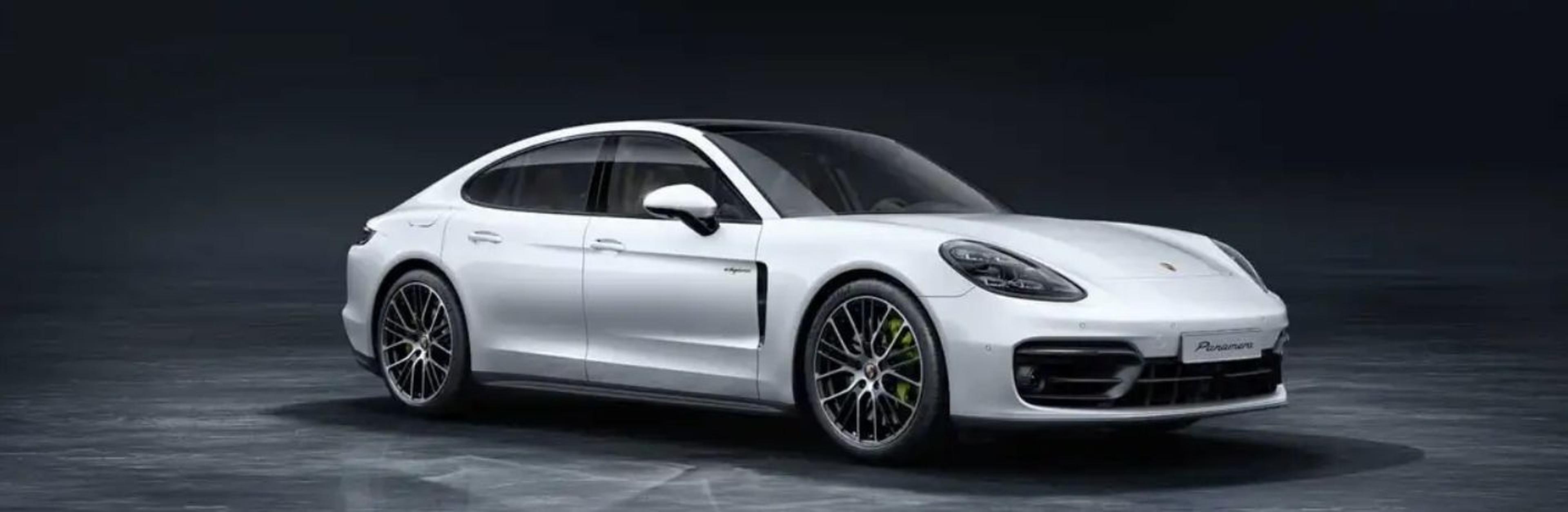
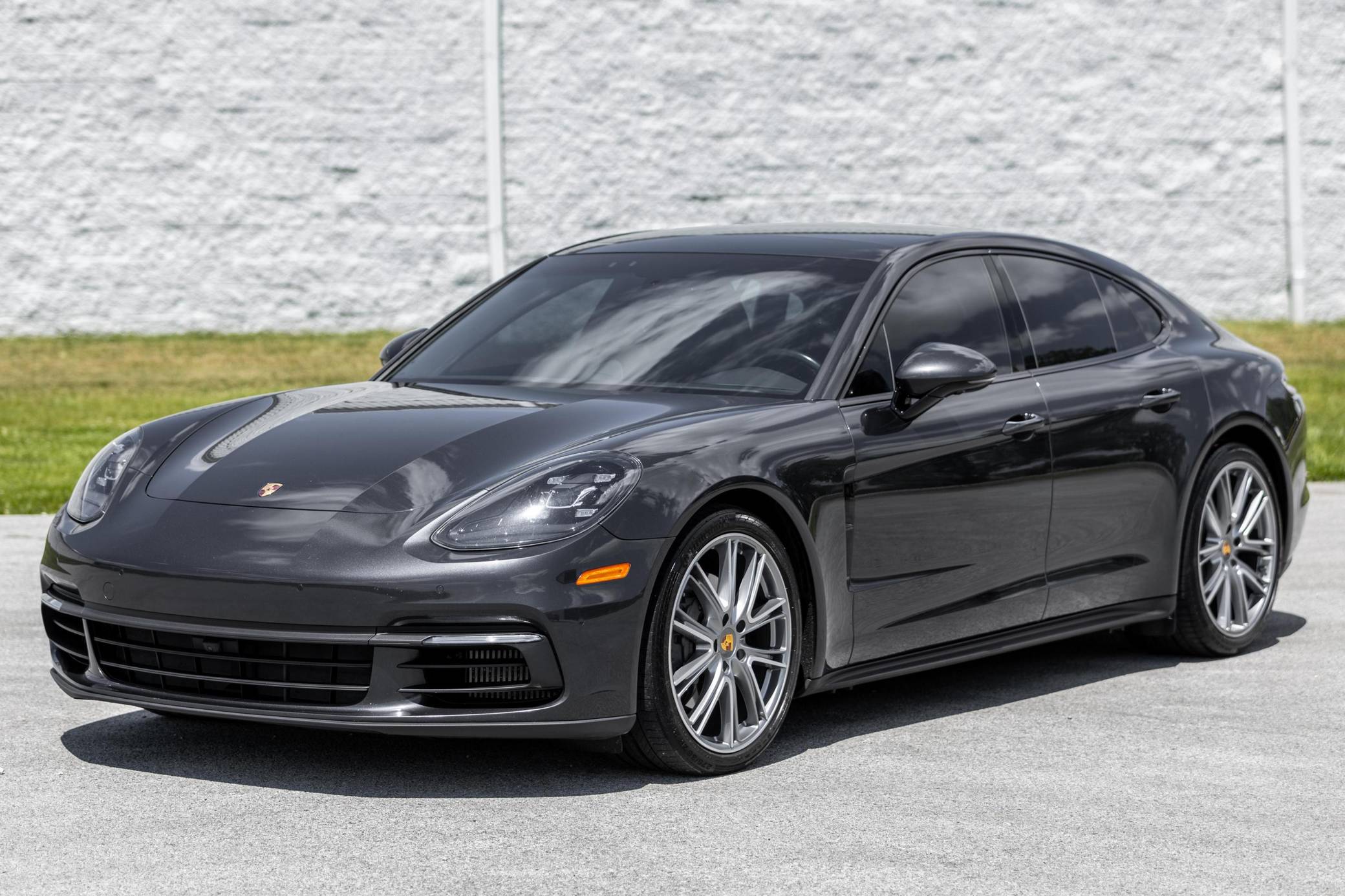
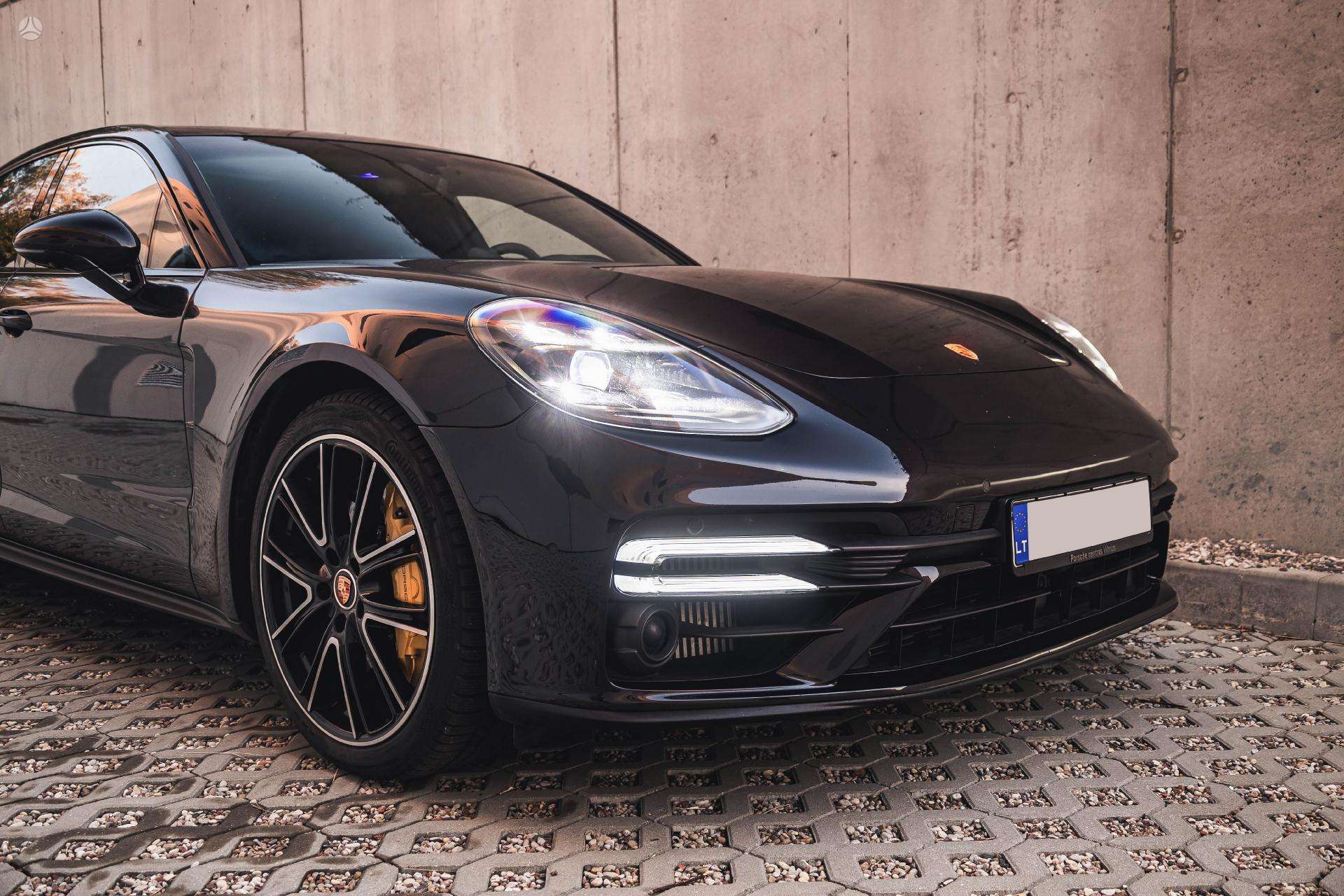
The 2018 Porsche Panamera 4 delivers a 0-60 mph acceleration time of approximately 5.2 seconds when equipped with the Sport Chrono Package, or 5.4 seconds in standard configuration. As part of the second-generation G2 platform, this model utilizes an all-wheel-drive system paired with a 3.0-liter turbocharged V6, balancing executive sedan comfort with Porsche’s signature longitudinal performance capabilities.
The Engineering Evolution of the Second-Generation Panamera
The 2018 model year represents a critical juncture in the Panamera’s history. Following the model's complete redesign in 2017, the 2018 Porsche Panamera 4 entered the market as a refined iteration of the G2 platform. This generation shifted from the polarizing aesthetic of the original Panamera toward a more cohesive, 911-inspired design language. Under the hood, the engineering focus was on modularity and efficiency, utilizing the Porsche-Audi developed MSB (Modularer Standardantriebs-Baukasten) platform.
The Panamera 4 variant acts as the entry-level all-wheel-drive (AWD) trim. Unlike its rear-wheel-drive sibling, the Panamera 4 leverages an active all-wheel-drive system with an electronically controlled multi-plate clutch. This system is essential for achieving the quoted 0-60 mph times, as it allows for superior power distribution during launch, mitigating the wheel spin that naturally occurs with the turbocharged engine's torque delivery.
Factors Influencing Acceleration Performance
When analyzing 0-60 mph data, it is vital to understand that these figures are not static. They are the result of specific testing conditions and optional equipment configurations. For the 2018 Panamera 4, three primary factors dictate the final acceleration measurement:
1. The Sport Chrono Package The most significant variable in achieving the manufacturer's best acceleration time is the inclusion of the Sport Chrono Package. This option adds the "Sport Plus" drive mode, which remaps the engine and transmission behavior for maximum responsiveness. More importantly, it enables "Launch Control," a software feature that pre-loads the transmission and allows the engine to reach an optimal RPM range before releasing the brakes, ensuring the quickest possible start.
2. Transmission Efficiency (PDK) The 2018 Panamera 4 uses the 8-speed PDK (Porsche Doppelkupplung) dual-clutch transmission. This transmission is a marvel of efficiency, offering near-instantaneous shifts that are physically impossible to replicate with a manual gearbox. The speed of these shifts keeps the 3.0-liter engine in the heart of its power band, ensuring consistent acceleration through the first and second gears.
3. Environmental and Surface Variables Technical specifications provided by Porsche are typically recorded under ideal conditions: sea level, low humidity, moderate temperatures, and a high-friction surface. In real-world driving during 2026, owners may see slight variations based on tire compound, fuel quality (Porsche mandates premium unleaded), and the presence of any added weight, such as optional luxury interior features that can increase the curb weight of the vehicle.
Comparative Performance Metrics
To contextualize the performance of the 2018 Panamera 4, it is useful to view it alongside other variants in the 2018 lineup. The performance hierarchy of this era was strictly segmented by engine displacement and hybridization.
| Model Trim | Engine | Drivetrain | 0-60 mph (Est.) |
|---|---|---|---|
| Panamera | 3.0L V6 Turbo | RWD | 5.4s |
| Panamera 4 | 3.0L V6 Turbo | AWD | 5.2s (with SC) |
| Panamera 4S | 2.9L V6 Twin-Turbo | AWD | 4.0s |
| Panamera Turbo | 4.0L V8 Twin-Turbo | AWD | 3.4s |
The data table above highlights the impact of the AWD system versus the base rear-wheel-drive setup. While the Panamera 4 and the base Panamera share the same 330-horsepower engine, the added traction of the Panamera 4 allows for a more aggressive launch, shaving crucial tenths off the acceleration time.
Maintenance Requirements for Peak Performance
By 2026, many 2018 Panamera 4 units have crossed the 50,000 to 80,000-mile threshold. Maintaining the ability to hit the manufacturer-rated 0-60 time requires strict adherence to Porsche’s maintenance schedule. Acceleration is highly sensitive to the health of the vehicle's "brain" and its mechanical peripherals.
- PDK Service: The dual-clutch transmission fluid and filter service is typically recommended every 40,000 to 60,000 miles. Neglecting this leads to "clutch slip" or sluggish engagement, which will directly degrade acceleration times.
- Engine Performance: Turbocharged engines rely heavily on clean air intake and consistent fuel delivery. Replacing spark plugs at the specified intervals and ensuring the mass airflow sensors are clean is necessary to ensure the engine generates the full 330 horsepower.
- Tire Health: As an AWD vehicle, the Panamera 4 requires all four tires to be replaced in sets. Using non-N-spec (Porsche-approved) tires can alter the rolling diameter or grip characteristics, potentially triggering the traction control system prematurely during hard acceleration.
Troubleshooting Performance Lag
If a 2018 Panamera 4 owner finds that their vehicle is consistently failing to reach expected acceleration benchmarks, several common issues should be investigated:
- Launch Control Failure: If the vehicle does not initiate launch, it may be due to the transmission fluid temperature being too cold or too hot. Porsche engineers programmed safety buffers to prevent drivetrain damage; if the car is "cold," it will restrict high-torque launches.
- Boost Leaks: The 3.0L engine relies on a single twin-scroll turbocharger. Even a minor vacuum leak in the intake piping can lead to a drop in boost pressure, which will feel like a "soft" launch.
- Software Updates: Throughout the life of the G2 platform, Porsche released various ECU and TCU (Transmission Control Unit) software updates. Ensuring the vehicle has the latest factory firmware can resolve minor timing delays in the throttle mapping.
Frequently Asked Questions
Does the Panamera 4 0-60 time change if I use regular gasoline? No, you should not use regular gasoline. The engine’s knock sensors will detect the lower octane and retard the ignition timing to prevent engine damage. This significantly reduces horsepower and will make the car feel slower than its factory-rated acceleration times.
How does the weight of the Panamera 4 affect its 0-60 time? The Panamera 4 is an executive-class sedan, weighing over 4,000 pounds. While the 330-horsepower engine is sufficient, the car’s mass means that carrying passengers or heavy cargo will noticeably increase the 0-60 time. Each additional 100 pounds can add roughly 0.1 to 0.2 seconds to the sprint.
Is it possible to make the 2018 Panamera 4 faster with aftermarket parts? Yes, companies offer ECU tuning, which can increase the power output of the 3.0L V6. However, be aware that modifying the engine management system will void any remaining powertrain coverage and may impact the longevity of the PDK transmission if the torque limits are exceeded.
Why is there a difference between the "Panamera 4" and the "Panamera 4S"? The 4S utilizes a more sophisticated 2.9-liter twin-turbocharged V6 engine, which produces 440 horsepower compared to the 330 horsepower in the standard Panamera 4. The extra 110 horsepower is the primary reason the 4S is significantly faster, achieving 0-60 in approximately 4 seconds.
Can I retrofit the Sport Chrono Package? Retrofitting the genuine Porsche Sport Chrono Package after the vehicle has left the factory is notoriously difficult and expensive. It requires new hardware, software coding at the dealer level, and integration with the vehicle’s existing instrument cluster. It is generally advised to purchase a vehicle that already includes this option.
Final Recommendations for Owners
For those aiming to preserve the performance of their 2018 Porsche Panamera 4, focus on proactive maintenance. The vehicle’s ability to achieve its 5.2-second 0-60 time is entirely dependent on the synergy between the AWD system, the PDK transmission, and the engine's turbo efficiency. If your vehicle is not performing as expected, start by ensuring the tires are within specification and the transmission fluid has been serviced. For those looking to enjoy the vehicle as a daily driver, remember that while these acceleration numbers are impressive for a sedan of this size, the true character of the Panamera lies in its balance of power and composure on long-distance journeys.