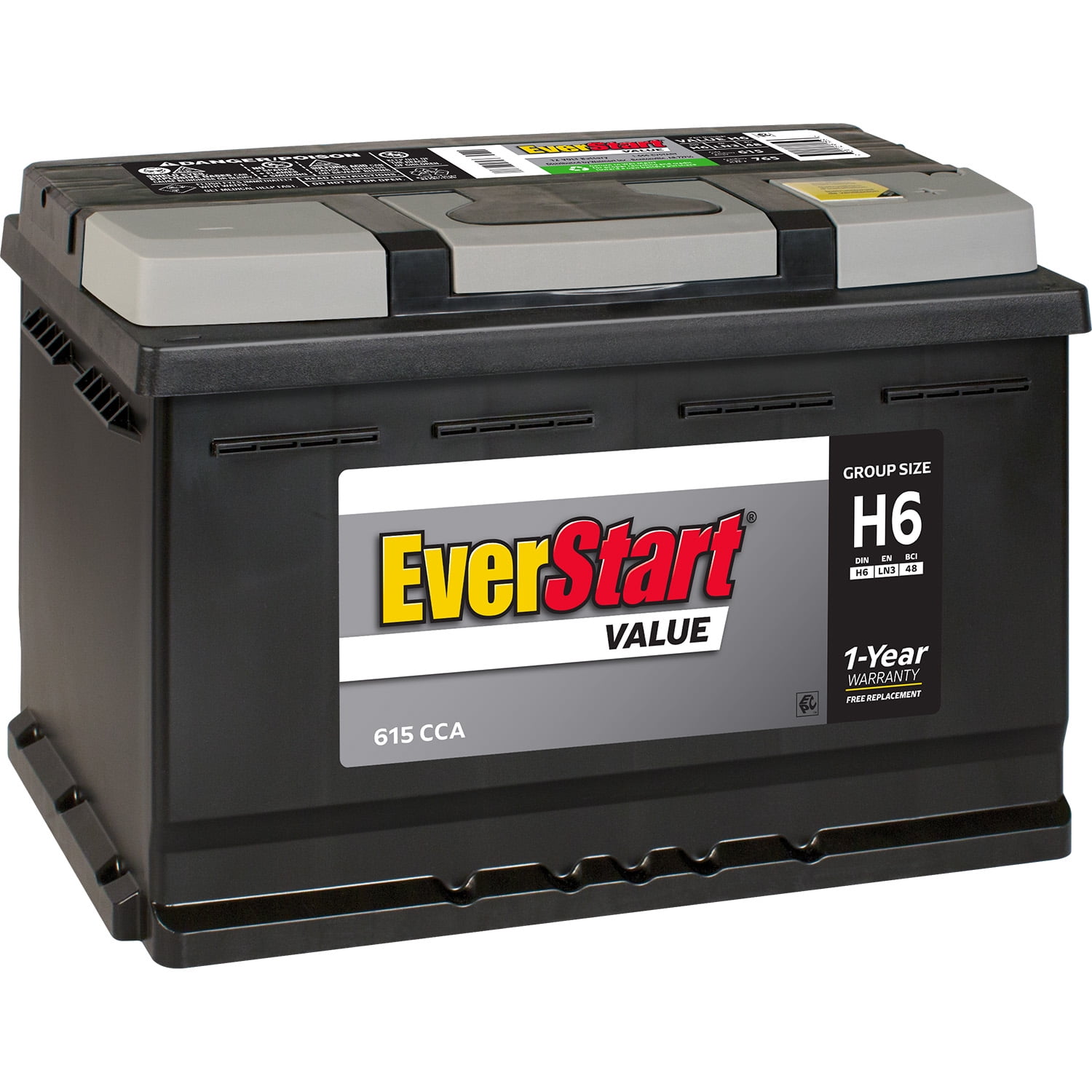
The 2018 Jeep Compass typically uses a Group Size H6 (LN3 / 48) battery for its main 12-volt power source, though vehicles equipped with the Engine Stop-Start (ESS) system also feature a smaller auxiliary battery (Group Size 140R / AUX12) to support electrical accessories during idle periods.
Choosing the correct battery size for your 2018 Jeep Compass is essential for reliable engine cranking, optimal electrical performance, and maintaining the complex onboard computer networks that govern modern vehicles. Because modern compact sport utility vehicles rely heavily on stable electrical architecture, selecting a replacement battery that matches or exceeds original equipment manufacturer (OEM) specifications prevents starting failures, diagnostic trouble codes, and premature component wear. Whether your vehicle is stranded with a dead battery or you are proactively planning preventative maintenance, understanding the physical dimensions, terminal configurations, and chemistry requirements ensures a seamless replacement process.
Understanding the 2018 Jeep Compass Electrical Architecture
The 2018 Jeep Compass represents the second generation of this popular compact SUV platform. Unlike older vehicles that relied on simple electrical systems, this generation incorporates sophisticated body control modules, advanced safety sensors, infotainment systems, and optional fuel-saving technologies.
For standard models without the Engine Stop-Start (ESS) feature, the primary energy storage device is a single, robust under-hood battery. However, models equipped with ESS utilize a dual-battery setup. This dual configuration separates the primary engine-cranking responsibilities from the auxiliary power requirements of accessories like the radio, climate control blower, and lighting system when the engine automatically shuts off at a traffic light.
Recognizing whether your vehicle has a single battery or a dual battery setup is the critical first step before purchasing replacement parts. Popping the hood and inspecting the physical layout eliminates guesswork and ensures you buy the correct components on your first trip to the auto parts store.
Primary Battery Specifications: Group Size H6 (48)
The main 12-volt battery for the 2018 Jeep Compass is universally classified under Group Size H6, which is also frequently referenced as Group Size 48 or LN3. This standardized sizing metric dictates the physical exterior dimensions, terminal placement, and hold-down style required to fit securely into the vehicle's engine bay tray.
Physical Dimensions and Fitment
An H6 battery measures approximately 10.9 inches in length, 6.9 inches in width, and 7.5 inches in height (roughly 278 mm x 175 mm x 190 mm). These exact proportions ensure that the battery slides cleanly into the designated plastic battery box and locks down securely using the base retention clamp. Installing an incorrect group size—such as a smaller Group 35 or a larger Group H7—can result in terminal misalignment, cable stretching, or a loose battery that shifts during driving, posing a severe safety hazard.
Performance Ratings: CCA and RC
Beyond physical dimensions, you must evaluate electrical performance metrics when selecting a replacement:
- Cold Cranking Amps (CCA): This rating measures a battery's ability to start an engine in cold temperatures. It indicates the amount of current a battery can deliver at 0°F (-18°C) for 30 seconds while maintaining at least 7.2 volts. A quality replacement for the 2018 Jeep Compass should offer a minimum of 680 to 730 CCA.
- Reserve Capacity (RC): This metric defines how many minutes the battery can continuously power essential vehicle electrical systems if the alternator fails. A standard H6 battery typically provides an RC rating of roughly 115 to 120 minutes.
| Battery Specification | Standard Main Battery (H6 / 48) | Auxiliary Battery (ESS Models Only) |
|---|---|---|
| Group Size | H6 (LN3 / 48) | 140R (AUX12) |
| Approximate Dimensions | 10.9" x 6.9" x 7.5" | 5.9" x 3.4" x 5.8" |
| Primary Function | Engine cranking & system power | Accessory power during Stop-Start events |
| Typical Cold Cranking Amps | 680 – 760 CCA | 200 – 250 CCA |
| Technology Type | AGM or Flooded Lead-Acid | Typically AGM |
The Auxiliary Battery Role in Stop-Start Systems
If your 2018 Jeep Compass features the Engine Stop-Start (ESS) technology—designed to reduce fuel consumption and emissions by turning off the engine when the vehicle comes to a complete stop—it incorporates a secondary auxiliary battery.
The auxiliary battery, commonly designated as Group Size 140R or AUX12, is typically mounted near the main battery or tucked lower in the engine compartment fender well. Its sole purpose is to maintain electrical voltage for sensitive computer modules and accessories while the main engine is temporarily shut down. When the driver releases the brake pedal, the auxiliary battery ensures that infotainment screens do not reboot and headlights do not flicker as the starter motor re-engages the engine.
When replacing a Compass equipped with ESS, technicians strongly recommend replacing both the main and auxiliary batteries simultaneously. If an older auxiliary battery is left in place alongside a brand-new main battery, the degraded auxiliary unit will quickly drain voltage from the system, accelerating wear on the primary battery and triggering dashboard warning lights.
Battery Technology: AGM vs. Flooded Lead-Acid
When browsing replacement options at retail stores or automotive service centers, buyers face a choice between conventional Flooded Lead-Acid (FLA) batteries and Absorbent Glass Mat (AGM) batteries.
Flooded Lead-Acid Batteries
Flooded batteries are traditional automotive batteries containing liquid electrolyte (a mixture of sulfuric acid and water) free to slosh around lead plates. They are generally more affordable upfront. However, if your 2018 Jeep Compass is equipped with factory start-stop technology, a standard flooded battery will degrade rapidly under the constant cycling demands of the ESS system.
Absorbent Glass Mat (AGM) Batteries
AGM batteries utilize a specialized fiberglass mat that absorbs and immobilizes the electrolyte solution. This design offers profound operational advantages:
- Vibration Resistance: The compressed glass matting holds plates firmly in place, making AGM units highly resistant to rough road conditions and off-road vibrations typical of Jeep vehicles.
- Deep Cycle Resilience: AGM technology handles repetitive draining and recharging cycles much better than flooded counterparts, making it mandatory for vehicles with active start-stop systems.
- Maintenance-Free and Spill-Proof: Because the acid is fully absorbed, AGM batteries cannot leak, even if the outer casing is cracked during an accident.
For optimal longevity and reliability, installing an AGM battery is heavily recommended for all 2018 Jeep Compass trims, and it is strictly required for models utilizing auxiliary start-stop configurations.
Signs Your 2018 Jeep Compass Battery Needs Replacement
Recognizing the early warning signs of a failing battery prevents unexpected roadside breakdowns. Automotive batteries typically last between three to five years, depending on regional climate extremes, driving habits, and maintenance. Look for the following indicators:
- Sluggish Engine Cranking: If the starter motor sounds tired, turns over slowly, or hesitates before catching when you press the ignition button, the battery's available Cold Cranking Amps have dropped significantly.
- Dim Headlights and Interior Lighting: Noticeable dimming of headlights while idling or flickering dashboard lights when operating power windows indicate that the battery is struggling to supply adequate voltage.
- Electrical Glitches and Warning Messages: Modern Jeep vehicles feature sensitive computers that log fault codes when system voltage dips below optimal thresholds. You may notice erratic behavior from the Uconnect touchscreen, intermittent power steering warnings, or stability control error lights.
- Physical Deformation: Pop the hood and inspect the battery case. Swelling, bulging, cracking, or visible powder-like corrosion buildup around the positive and negative terminals are clear signs that the internal chemistry has failed.
- Ageing Out: If the battery stamp or installation sticker reveals the unit is over four years old, proactive replacement is advised before winter weather or summer heat finishes it off.
Step-by-Step Battery Replacement Overview
Replacing the battery in a 2018 Jeep Compass is a straightforward DIY project that requires basic hand tools, safety gear, and careful attention to procedure.
Tools and Equipment Needed
- New Group H6 (48) battery (and auxiliary 140R battery if applicable)
- 10mm and 13mm sockets with a ratchet and extension bar
- Flathead screwdriver
- Safety glasses and heavy-duty work gloves
- Terminal brush and corrosion-cleaning spray
- Memory saver (optional, to retain radio presets and computer calibrations)
Safe Removal and Installation Procedure
- Park and Secure the Vehicle: Ensure the vehicle is parked on a flat surface, the ignition is completely turned off, and the parking brake is firmly engaged. Remove the key fob from the proximity of the vehicle to prevent accidental electrical activation.
- Access the Battery: Open the hood and locate the battery on the driver side of the engine compartment. Remove any plastic engine covers or air intake ducting that obstructs clear access to the battery box.
- Disconnect the Negative Terminal First: Using a 10mm socket, loosen the nut on the negative (-) cable terminal. Carefully lift the terminal away from the post and tuck it aside, ensuring it cannot spring back and accidentally touch bare metal.
- Disconnect the Positive Terminal: Open the protective plastic cover on the positive (+) terminal. Loosen the retaining nut with your 10mm socket, lift the cable away, and secure it safely.
- Remove Hardware and Retainers: Disconnect any attached sensor wiring harnesses (such as the Intelligent Battery Sensor on the negative post). Use a 13mm socket with an extension to remove the bolt and wedge clamp securing the base of the battery to the mounting tray.
- Lift the Old Battery Out: Carefully lift the heavy battery straight up and out of the engine bay. Note: H6 batteries weigh approximately 40 to 50 pounds; lift with your legs to avoid back strain.
- Clean the Tray and Terminals: Inspect the metal battery tray for debris or acid corrosion. Clean any residue using a mixture of baking soda and water or a specialized terminal cleaning spray. Wipe dry with a clean shop towel.
- Install the New Battery: Lower the new Group H6 battery securely into the tray, ensuring proper orientation so the positive and negative posts align correctly with their respective cables. Reinstall the base clamp bolt and tighten it snugly.
- Reconnect Terminals: Attach the positive (+) cable first and tighten the terminal clamp firmly. Next, attach the negative (-) terminal along with any electronic sensor plugs.
- Test and Verify: Start the vehicle to verify that the engine cranks strongly and all dashboard systems initialize correctly. Reset clock times and radio presets if a memory saver was not used.
Conclusion and Next Actions
Selecting and replacing the battery in a 2018 Jeep Compass is a manageable task once you verify your vehicle's exact electrical configuration. Confirm whether your model utilizes a single Group H6 (48) battery or requires the secondary auxiliary battery for stop-start functionality. Prioritize AGM battery technology for superior vibration resistance and extended lifespan under demanding operating conditions. If you are uncertain about testing procedures or electrical resets, visit a certified automotive service center to have your charging system professionally evaluated.