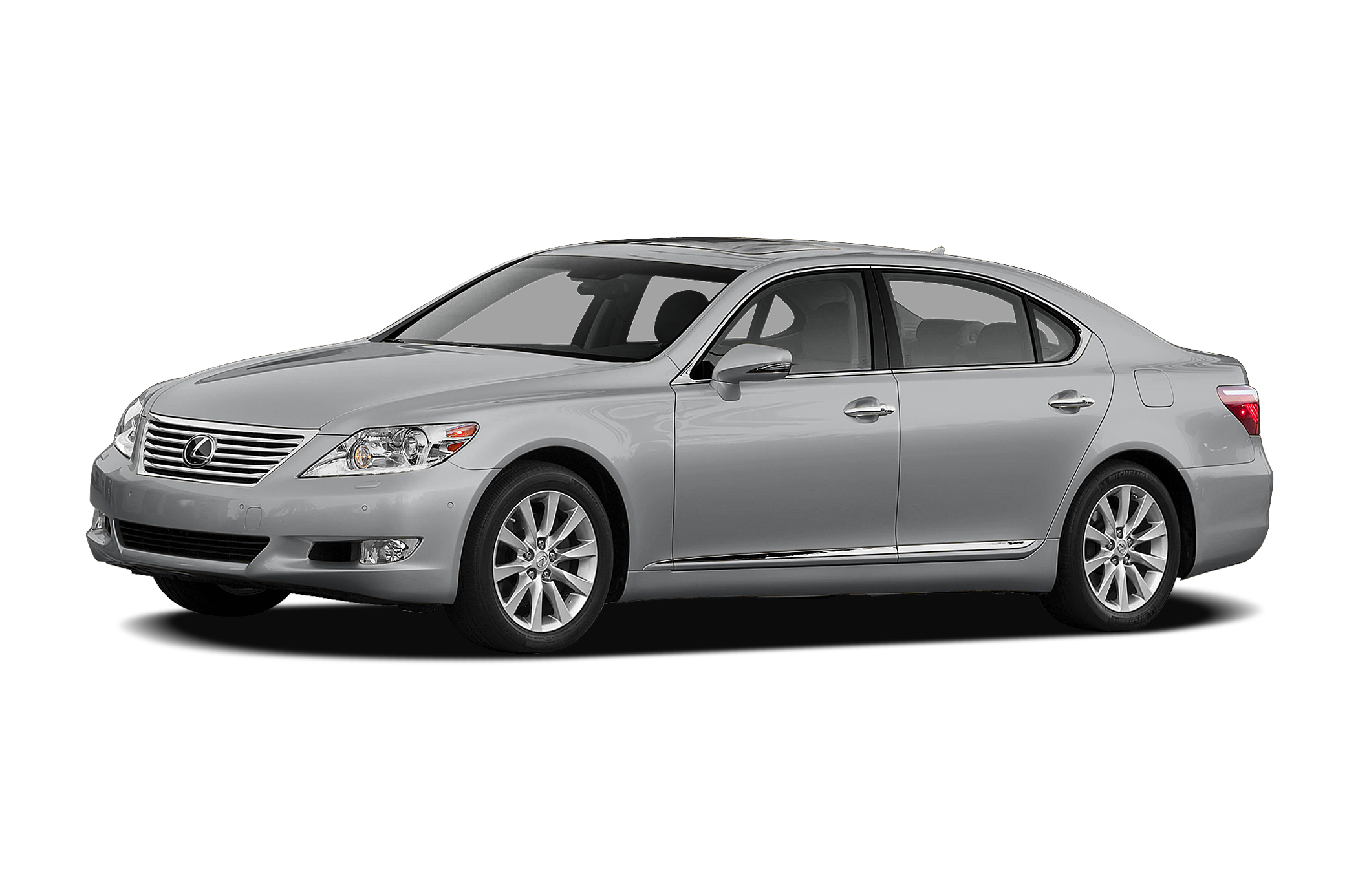
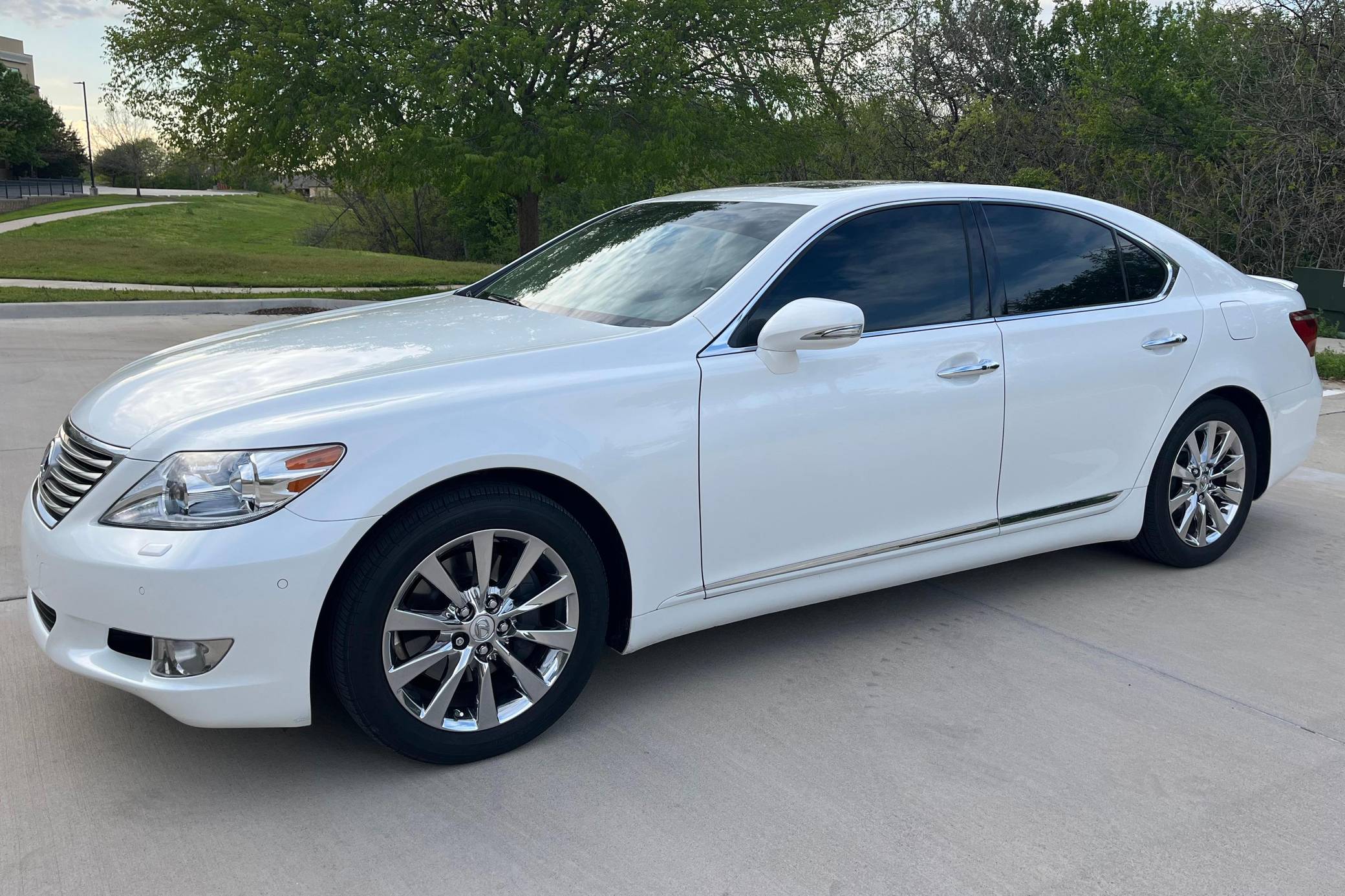
The 2010 Lexus LS 460 is widely regarded as an pinnacle of luxury sedan engineering, known for its extreme reliability, quiet cabin, and sophisticated V8 powertrain. While it remains a highly dependable vehicle even years after its production, owners should be aware of specific technical challenges including premature control arm bushing wear, potential timing chain cover oil leaks, and the occasional electronic nuance associated with the complex air suspension systems.
Overview of the 2010 Lexus LS 460 Platform
The 2010 model year falls into the fourth generation of the LS lineup (XF40). By 2010, Lexus had implemented significant refinements to the platform, addressing many of the early production grievances found in the 2007–2009 models. However, the complexity of the vehicle—featuring an 8-speed automatic transmission, a high-output 4.6L V8 engine (1UR-FSE), and an available air suspension system—means that maintenance requirements are more stringent than those of a standard passenger car.
When evaluating a 2010 LS 460, it is essential to distinguish between catastrophic mechanical failures and expected wear-and-tear items. Because this vehicle was built to prioritize silence and comfort, its components are engineered with specific tolerance levels that, when exceeded, can lead to noticeable degradation in ride quality or performance.
Suspension and Chassis Reliability
The most frequently discussed issue regarding the 2010 LS 460 is the front suspension geometry. The vehicle utilizes a complex multi-link setup that is notorious for wearing out the rubber bushings on the front control arms.
- Symptoms: Owners often report a "clunking" or "rattling" sound when driving over minor road imperfections or speed bumps. Additionally, as the bushings degrade, the steering may lose its trademark precision, leading to a "wandering" sensation at highway speeds.
- The Cause: The sheer weight of the LS 460, combined with the soft compound of the factory rubber bushings designed for maximum vibration isolation, causes them to fail significantly sooner than the bushings on lighter vehicles.
- Resolution: Many owners opt for aftermarket polyurethane bushings or high-durability rubber alternatives. While this may slightly increase road feel—slightly reducing the "cloud-like" ride—it significantly improves the longevity of the suspension components.
For models equipped with the optional Air Suspension, the concern shifts from bushings to the air struts themselves. Over time, the rubber bellows on the air struts can dry rot or crack, leading to air leaks. If the compressor has to run constantly to maintain the ride height, it will eventually burn out. It is recommended to inspect these bags for dry rot during every oil change.
The 1UR-FSE Engine: Oil Leaks and Carbon Build-up
The 4.6-liter V8 engine is a masterpiece of Japanese engineering, but it features a direct-injection system (D-4S) that introduces specific maintenance considerations.
Timing Chain Cover Leaks
A well-documented issue for this engine involves the sealant used on the front timing cover. Over time, the factory-applied FIPG (Formed-In-Place Gasket) can degrade, leading to a slow oil leak. Because the leak occurs behind the accessory drive components, it is labor-intensive to repair. While this is rarely a "catastrophic" leak, it can cause oil accumulation on the frame rails and, in rare instances, reach the alternator, causing electrical faults.
Direct Injection and Carbon Accumulation
Unlike traditional port-injected engines, direct-injection engines spray fuel directly into the combustion chamber. This means that fuel does not wash over the back of the intake valves to clean away carbon deposits. Over high mileage, these deposits can build up, potentially leading to a rough idle or a slight loss of fuel efficiency. Most specialists recommend a professional induction cleaning service every 30,000 to 50,000 miles to maintain engine performance.
Transmission Performance and Shift Quality
The 2010 LS 460 utilizes a pioneering 8-speed automatic transmission. Early in its lifespan, some owners experienced harsh shifting, particularly between the second and third gears.
Lexus released multiple Technical Service Bulletins (TSBs) regarding the transmission control module (TCM) software. Often, a simple dealer-performed software update can recalibrate the shift points, smoothing out the power delivery significantly. Before assuming there is a mechanical failure within the transmission, verify with a Lexus service center whether your vehicle’s software is up to date. Furthermore, while the transmission is labeled "sealed for life," long-term owners typically perform a transmission fluid exchange every 60,000 to 80,000 miles to extend the life of the internal solenoids.
Comparative Maintenance Requirements
| Component | Common Issue | Typical Interval/Sign | Complexity of Repair |
|---|---|---|---|
| Front Control Arms | Bushing wear | Clunking/Steering play | Moderate |
| Air Suspension | Strut/Bellows leak | Car sags when parked | High |
| Timing Cover | Sealant degradation | Oil seepage at front | Very High |
| Intake Valves | Carbon buildup | Rough idle/Loss of power | Moderate |
| 8-Speed Auto | Harsh shifting | Jerky gear changes | Low (Software/Fluid) |
Electrical and Interior Electronics
The LS 460 is famously technology-dense. While the electronics are robust, the sheer number of control modules means that battery health is critical. A dying or weak battery will often cause "ghost codes" in the vehicle’s CAN bus system. If you see multiple warning lights appear on the dashboard simultaneously, the first step is almost always to have the battery and alternator load-tested.
The Mark Levinson audio system is another highlight of the 2010 model. However, the amplifier can be sensitive to voltage fluctuations. Ensure the battery terminals are clean and tight to prevent unnecessary strain on the amplifier’s circuitry.
Practical Maintenance Strategy for 2026
In 2026, the youngest 2010 LS 460s are sixteen years old. At this age, rubber, plastic, and electronic components are reaching the end of their design life regardless of mileage.
- Prioritize Fluids: Change the brake fluid, coolant, and transmission fluid. Old fluids become acidic and can corrode seals from the inside out.
- Inspect Rubber: Focus on suspension bushings, engine mounts, and the serpentine belt. If these have never been replaced, they are likely compromised.
- Monitor Oil Consumption: With the 1UR-FSE engine, keep a strict eye on oil levels between changes. If you notice consumption, ensure the PCV valve is functioning correctly, as a stuck valve can mimic more severe engine issues.
Frequently Asked Questions
Does the 2010 LS 460 have a timing belt or chain? The 4.6L V8 uses a timing chain. Unlike a belt, which requires periodic replacement, a timing chain is designed to last the life of the engine. However, you must maintain regular oil change intervals, as the timing chain tensioners rely on clean oil pressure to maintain proper chain tension.
Is the air suspension worth the extra maintenance cost? The air suspension provides an unparalleled ride quality, but it is expensive to repair if a strut fails. Many owners who intend to keep the vehicle for many years eventually convert to a traditional coil-over suspension system once the factory air struts fail, as it provides a more permanent, lower-cost solution.
Are there known issues with the 8-speed transmission? The primary concern is shift quality rather than mechanical failure. Software updates from authorized service centers have largely mitigated the "harsh shift" complaints. Always start with a software calibration before pursuing mechanical repairs.
Why does my car have a rough idle? A rough idle on a 2010 LS 460 is often related to carbon buildup on the intake valves or an aging mass airflow (MAF) sensor. These are simple to clean or replace and are rarely indicative of serious internal engine damage.
What is the "must-do" service for this vehicle? Beyond standard oil changes, the most critical service is monitoring and replacing the front control arm bushings. Allowing these to remain degraded can cause uneven tire wear and stress other parts of the steering rack.
Final Recommendation
The 2010 Lexus LS 460 remains one of the best luxury vehicles ever produced for the price point in 2026. The key to successful ownership is proactive maintenance rather than reactive repair. If you are considering purchasing one, prioritize finding a unit with a documented service history that shows regular maintenance of the suspension and a recent cooling system flush. When treated with respect and serviced by technicians familiar with the 1UR-FSE platform, this vehicle is capable of exceeding 300,000 miles with relative ease.