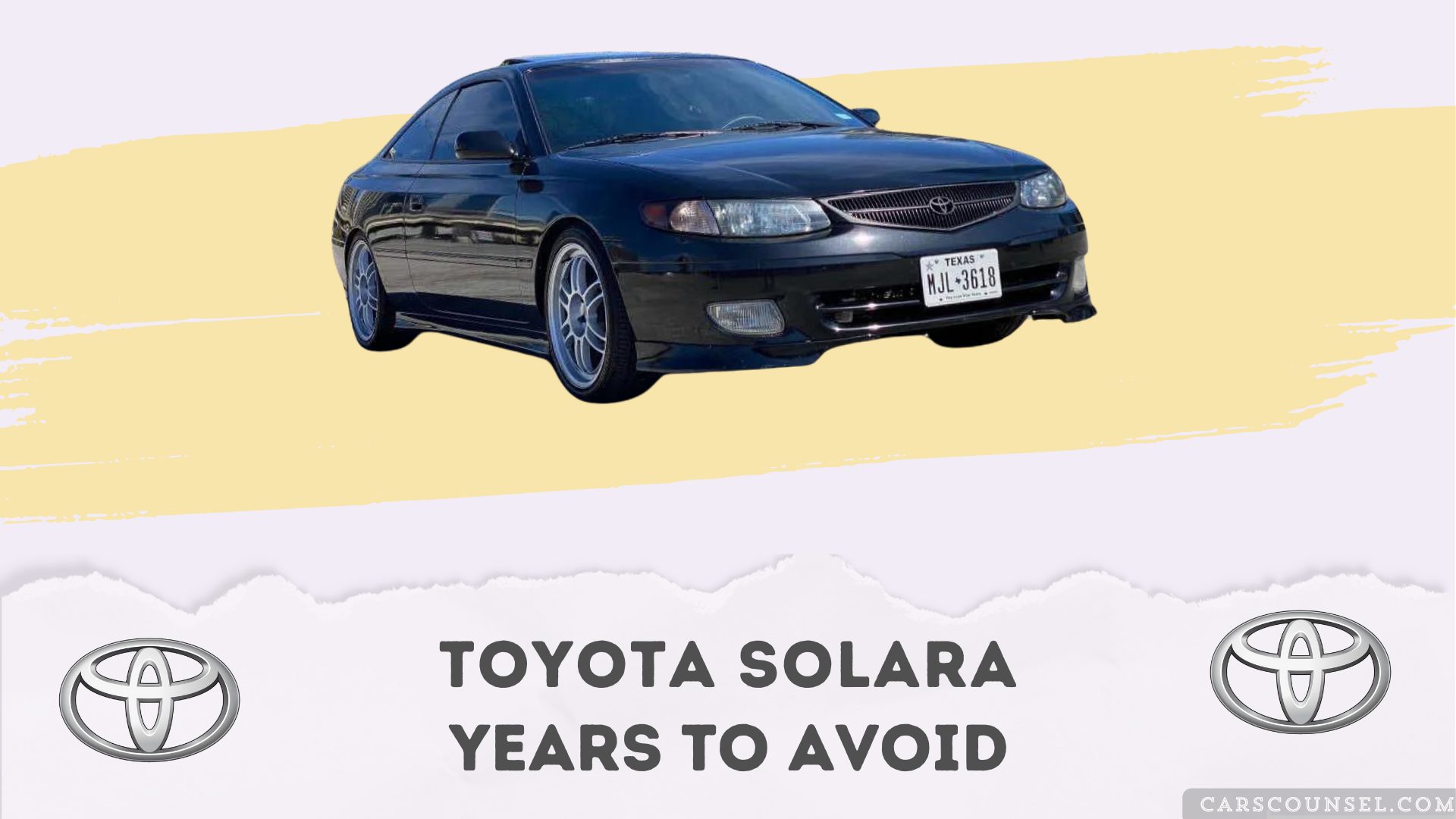
The 2004 Toyota Solara is generally regarded as a reliable, comfortable mid-size coupe and convertible, but it does have notable mechanical weak points. Common issues include dashboard melting or stickiness, automatic transmission shifting delays or failures, engine oil leaks from the VVT-i lines and valve cover gaskets, and premature wear of suspension components such as struts and control arm bushings.
The 2004 Toyota Solara marked the debut of the vehicle's second generation, transitioning the model to a bolder, more aerodynamic design built upon an extended Camry platform. While sharing much of its mechanical DNA with the immensely popular Toyota Camry of the same era, the Solara’s coupe and convertible body styles introduced unique ownership quirks and component failures. Understanding these mechanical vulnerabilities is essential for prospective buyers evaluating a used model or current owners looking to diagnose lingering drivability symptoms. This comprehensive technical guide analyzes the most frequent problems reported for the 2004 Toyota Solara, outlining their symptoms, underlying causes, preventative measures, and estimated repair considerations.
Overview of the 2004 Toyota Solara Powertrain Options
To understand the problems associated with the 2004 Toyota Solara, one must first examine the two engine and transmission configurations offered during this model year. Toyota provided a 2.4-liter inline-four engine (the 2AZ-FE) and a 3.3-liter V6 engine (the 3MZ-FE). Each powerplant comes with its own set of engineering characteristics and distinct failure modes.
The 2.4-liter four-cylinder engine is paired with either a 5-speed manual or a 5-speed automatic transmission, while the 3.3-liter V6 is exclusively mated to a 5-speed automatic transmission. Although both engines are fundamentally durable when subjected to routine maintenance, they suffer from age-related accessory and internal wear patterns that frequently manifest as mileage climbs past the 150,000-mile threshold.
2.4L 2AZ-FE Inline-Four Characteristics
- Displacement: 2,362 cc
- Valvetrain: DOHC with VVT-i (Variable Valve Timing with intelligence)
- Common Vulnerabilities: Head bolt thread stripping in early production blocks, oil consumption, and alternator failure due to oil leaks from the upper engine area.
3.3L 3MZ-FE V6 Characteristics
- Displacement: 3,311 cc
- Valvetrain: DOHC with VVT-i
- Common Vulnerabilities: Rubber oil supply hose degradation, exhaust manifold cracking, and sticky or melting dashboard materials caused by chemical breakdown in the interior plastics.
Interior Material Degradation: Sticky and Melting Dashboards
One of the most widespread and frustrating cosmetic complaints regarding the 2004 Toyota Solara involves the upper dashboard material. Over time, exposure to ultraviolet (UV) radiation and high cabin temperatures causes the polyurethane dashboard material to undergo chemical reversion, turning soft, shiny, and extremely sticky to the touch.
Symptoms and Causes
Drivers typically notice that the dashboard reflects heavily in the windshield, creating a dangerous glare during bright daylight. Furthermore, touching the surface leaves black residue on fingers, and airborne dust particles permanently adhere to the melting material. This issue stems from a manufacturing formulation involving a specific chemical plasticizer and adhesive combination that breaks down under sustained heat.
Resolution and Mitigation
Toyota previously offered extended warranty coverage and goodwill replacements for affected vehicles during the decade following production, but those campaigns have long since expired. Current owners have limited options:
- Professional Replacement: Sourcing an unwarped dashboard from a salvage yard or purchasing remaining new-old-stock components, though parts are increasingly scarce.
- Surface Treatment: Applying specialized industrial cleaner or covering the dash with a custom-fitted carpet dash mat to eliminate glare and prevent direct physical contact with the degraded material.
Engine Mechanical and Oil Leak Concerns
Oil leaks are a standard point of failure for aging vehicles, but the 2004 Toyota Solara features specific architectural weak points that merit close inspection during routine maintenance.
V6 Rubber Oil Cooler Line Failure
The 3.3-liter V6 engine originally utilized a factory oil cooler line constructed partly of synthetic rubber clamped to metal tubing. Over years of thermal cycling, the rubber portion becomes brittle, develops micro-cracks, and can rupture catastrophically while driving. A sudden rupture causes massive engine oil loss within seconds, frequently resulting in catastrophic engine seizure if the driver does not immediately shut off the motor. Toyota issued a technical service bulletin and a voluntary safety campaign to replace this rubber line with an all-metal assembly. Any Solara V6 that has not received this upgrade requires immediate replacement.
Valve Cover Gaskets and Timing Cover Seeps
Both the 2.4L and 3.3L engines utilize rubberized gaskets for the valve covers and silicone sealants for the timing chain covers. As vehicles reach advanced age, these seals harden, shrink, and lose elasticity. Oil begins to seep outward, often pooling in the spark plug tube wells of the 2.4L engine (causing intermittent misfires) or dripping down onto the exhaust manifolds, producing a distinct burning oil odor inside the cabin.
Transmission Performance and Shifting Anomalies
The 5-speed automatic transmissions (U151E for the V6 and U240E/U250E for the four-cylinder) utilized in the 2004 Solara are generally robust, but electronic and mechanical wear can lead to distinct operational issues.
Shift Lag and Harsh Engagement
Some owners report delayed engagement when shifting from Park to Drive or Reverse, or a noticeable hesitation and clunk when the transmission downshifts during deceleration. In many cases, these symptoms are tied to outdated Engine Control Module (ECM) calibration or degraded transmission fluid that has lost its friction-modifying properties.
Internal Component Wear
High-mileage units can suffer from solenoid wear within the valve body, leading to erratic gear selection or slipping between gears. Regular fluid drain-and-fill services using Toyota-specified Type T-IV or WS fluid (depending on the exact sub-model specification) are critical to preventing premature valve body wear.
Suspension and Steering System Wear
Because the Solara shares its chassis architecture with the Camry, it inherits suspension geometry optimized for ride comfort rather than aggressive track handling. The weight of the vehicle—particularly the heavier convertible variant—places significant stress on front-end components.
- Strut and Mount Degradation: Factory strut assemblies lose damping efficiency between 100,000 and 150,000 miles, resulting in a floating ride quality, excessive nose-dive during braking, and knocking noises over speed bumps.
- Control Arm Bushings: The rubber bushings in the lower control arms tear over time, causing loose steering response, uneven front tire wear, and front-end vibrations at highway speeds.
- Power Steering Pump Seeps: Hydraulic power steering pumps on these models frequently develop shaft seal leaks, leading to whining noises during tight turns and low fluid levels in the reservoir.
| Component System | Common Failure Mode | Primary Symptom | Estimated Repair Complexity |
|---|---|---|---|
| Interior | Dashboard plastic breakdown | Sticky surface, heavy windshield glare | Moderate (Replacement or Mat) |
| V6 Engine | Rubber oil line rupture | Sudden oil pressure loss, catastrophic leak | Low to Moderate (Metal line upgrade) |
| Suspension | Worn strut assemblies & mounts | Clunking noises, floating ride, body roll | Moderate to High (Specialty spring compressors) |
| Electrical | Power window regulator failure | Window drops down or refuses to move | Moderate (Door panel removal required) |
| Exhaust | Manifold cracking (V6/I4) | Ticking noise on cold start, exhaust smell | High (Labor-intensive bolt access) |
Electrical and Convertible Top Quirks
Electrical gremlins in the 2004 Solara are generally limited to age-related accessory failures rather than complex wiring harness faults.
Power Window Regulators
The power window motors and cable mechanisms—especially in the longer doors of the coupe model—frequently fail. A snapped cable or stripped plastic gear inside the door panel results in the window glass dropping into the door cavity or failing to seal properly against weatherstripping.
Convertible Top Malfunctions
For owners of the Solara Convertible, the electro-hydraulic roof mechanism can occasionally fail due to low hydraulic fluid levels, microswitch misalignment, or worn electric latch motors. Diagnosing these issues requires verifying that the luggage partition safety switch is fully engaged, as the top will refuse to operate if the vehicle senses that cargo is interfering with the storage well.
Preventive Maintenance Checklist for Prospective Buyers
Purchasing a used 2004 Toyota Solara requires a methodical inspection protocol to identify lingering neglect or pending mechanical repairs. Before finalizing a purchase, verify the status of the following maintenance milestones:
- Verify Oil Cooler Line Status: Inspect the V6 engine bay to confirm whether the vulnerable rubber oil supply line has been replaced with the updated OEM all-metal pipe.
- Check Fluid Conditions: Pull the transmission dipstick to check for dark fluid or a burnt odor, which indicates deferred maintenance.
- Examine Suspension Boots: Inspect CV axles, steering rack bellows, and lower control arm bushings for tears, grease leakage, and excessive play.
- Test All Electronics: Cycle the air conditioning compressor, power windows, seat adjustment motors, and convertible top mechanism through multiple operational cycles.
- Inspect Underbody for Rust: While Toyota used high-grade galvanized steel, vehicles operated in northern salt-belt regions should be inspected thoroughly for subframe and rocker panel corrosion.
Conclusion
The 2004 Toyota Solara remains a stylish, comfortable, and fundamentally dependable grand tourer when maintained properly. While it is susceptible to specific age-related issues such as melting dashboards, V6 oil line degradation, and worn suspension bushings, most of these problems are well-documented and preventable with timely intervention. By prioritizing models with comprehensive service histories and addressing known weak points proactively, owners can enjoy many years of reliable operation from this classic Toyota platform.