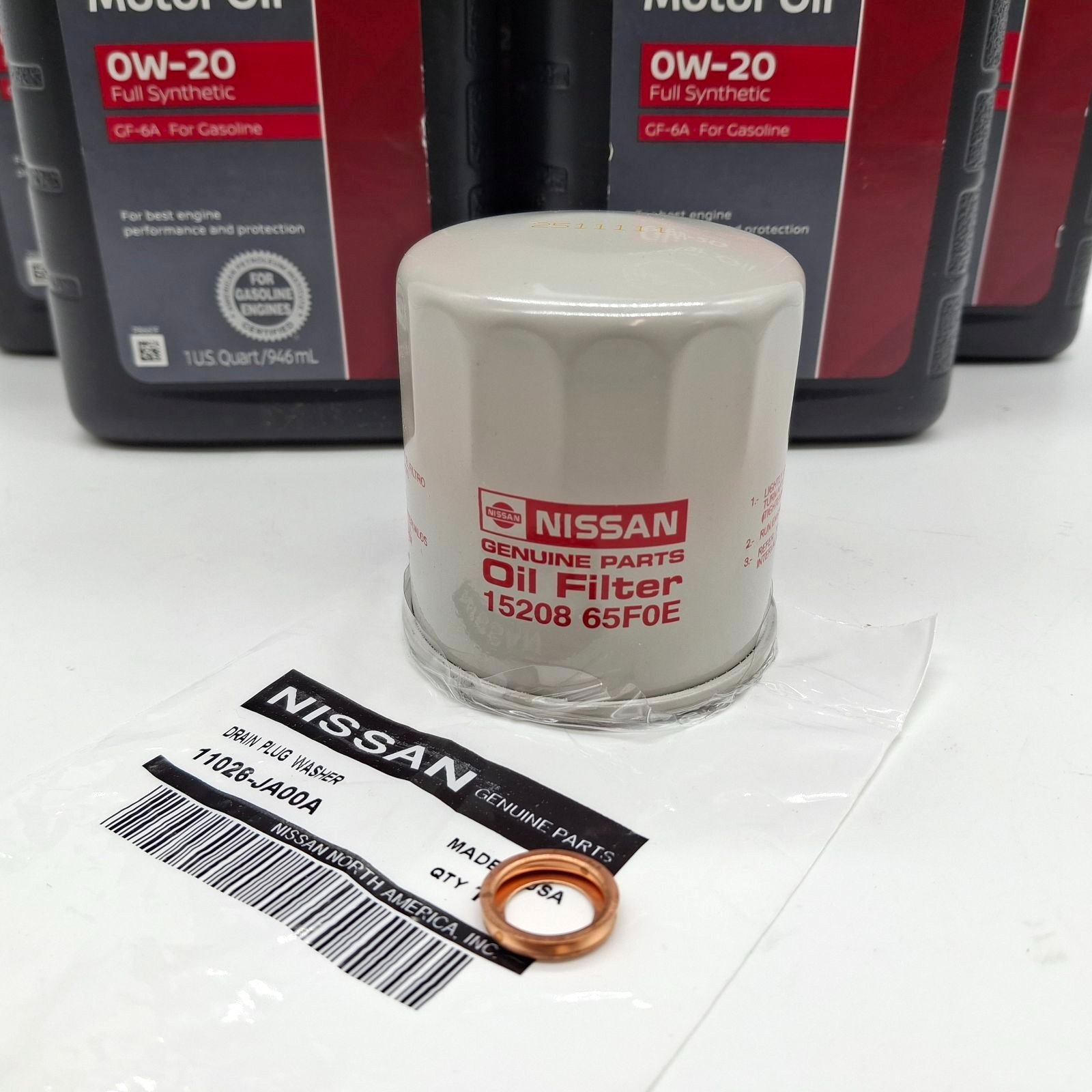
The Nissan part number 15208-65F0E is an original equipment manufacturer (OEM) spin-on oil filter engineered specifically for a wide array of Nissan vehicles equipped with VQ-series and other legacy engines. When applied to the 2011 Nissan Maxima—which features the robust 3.5-liter VQ35DE V6 engine—this filter provides the exact media density, internal bypass valve pressure, and anti-drainback functionality required by Nissan's powertrain engineering standards. Selecting the correct oil filter maintains optimal oil pressure, protects critical internal components from particulate wear, and ensures seamless sealing against the engine block mounting pad.
Understanding the 15208-65F0E Part Number and Nissan Oil Filter History
Nissan utilizes specific part numbers to denote factory-standard components across its global supply chain. The part number 15208-65F0E has a long operational history within Nissan and Infiniti dealerships. Over the decades, Nissan has manufactured or sourced this filter through trusted suppliers like Mahle, Filtech, and Toyo Roki to meet strict internal specifications.
It is worth noting that Nissan's North American service network frequently transitions between part numbers for overlapping vehicle applications. For instance, the shorter 15208-9E00A and the alternative 15208-31U0B or modern 15208-ED00A (though the latter is typically for smaller 4-cylinder engines) often appear in cross-reference charts. However, the 15208-65F0E remains a classic heavy-duty spin-on option with a larger internal filtration surface area compared to some of the compact aftermarket alternatives.
When servicing a 2011 Nissan Maxima (Generation A35), maintaining compatibility with the engine's lubrication specifications is paramount. The VQ35DE engine inside the 2011 Maxima operates with tight tolerances within the timing chain guides, variable valve timing (VTC) actuators, and journal bearings. An incorrectly specified filter with improper bypass valve opening pressure can lead to oil starvation during cold starts or unfiltered oil bypass during high-rpm operation.
Technical Specifications of the 2011 Nissan Maxima 3.5L V6 Lubrication System
To appreciate why using an OEM-spec filter like the 15208-65F0E matters for a 2011 Nissan Maxima, one must examine the operational parameters of the VQ35DE engine. The lubrication system relies on a heavy-duty timing-chain-driven inner-rotor oil pump capable of generating high volumetric flow rates.
| Feature / Specification | Detail for 2011 Nissan Maxima (3.5L V6) |
|---|---|
| Engine Type | VQ35DE, 3.5-Liter DOHC 24-Valve V6 |
| Recommended Oil Capacity | 5.1 US Quarts (4.8 Liters) with filter change |
| Recommended Oil Viscosity | SAE 5W-30 (Synthetic or Conventional API Certified) |
| OEM Oil Filter Part Number | 15208-65F0E (or approved supersessions) |
| Thread Pitch | M20 x 1.5 |
| Bypass Valve Setting | Factory calibrated (typically ~10–14 PSI) |
| Anti-Drainback Valve | Integrated Nitrile/Silicone internal flap |
The inclusion of an anti-drainback valve within the 15208-65F0E filter is critical for the VQ35DE architecture. Because the oil filter mounts in a horizontal or semi-horizontal orientation on many Nissan V6 blocks, oil has a natural tendency to gravity-drain back into the oil pan when the engine is shut off. The internal rubberized anti-drainback valve acts as a one-way check valve, keeping the filter housing primed with oil. This ensures that upon subsequent engine cranking, oil pressure builds almost instantaneously, shielding the valvetrain from dry-start friction.
OEM Part 15208-65F0E vs. Aftermarket Equivalents
Vehicle owners and DIY mechanics frequently debate whether to purchase genuine Nissan filters from a dealership or select aftermarket alternatives from auto parts retailers (such as Fram, WIX, K&N, or Mobil 1). While many high-end aftermarket filters offer exceptional filtration efficiency, understanding the physical and operational differences helps prevent premature engine wear.
Physical Size and Media Capacity
The 15208-65F0E is characterized by a relatively robust canister size compared to tiny aftermarket filters that cross-reference multiple vehicle platforms. A larger canister generally translates to more square inches of pleated paper or synthetic blend filter media. Increased media area reduces restriction (pressure drop) across the filter and extends the particle holding capacity over a standard 3,750-to-7,500-mile oil change interval.
Bypass Valve Calibration
Every full-flow oil filter requires an internal pressure relief valve (bypass valve) to safeguard the engine in the event that the filter media becomes saturated with debris or when the oil is thick and cold during winter conditions. If the pressure differential across the filter exceeds the calibrated threshold—usually measured between 10 and 14 PSI for Nissan applications—the valve opens to allow unfiltered oil to flow to the engine rather than starving the bearings. Using an aftermarket filter with an incorrectly rated bypass valve can cause oil to bypass prematurely or restrict flow when protection is needed most.
Prerequisites and Tools for Replacing the Oil Filter on a 2011 Nissan Maxima
Performing a routine oil and filter change on a 2011 Nissan Maxima requires basic hand tools, safety equipment, and proper waste disposal provisions. Gathering these items before starting ensures the task proceeds efficiently without unnecessary delays.
- Replacement Oil Filter: Genuine Nissan 15208-65F0E or a verified equivalent matching the thread pitch (M20 x 1.5) and gasket dimensions.
- Engine Oil: 5.1 US quarts of SAE 5W-30 motor oil meeting API certification standards.
- Wrenches and Sockets: A 14mm socket or box-end wrench for the oil pan drain plug.
- Oil Filter Wrench: A cap-style or band-style filter wrench, as factory filters can sometimes be overtightened during previous services.
- Drain Pan and Rags: A clean catch basin with a capacity of at least 6 quarts.
- Safety Gear: Nitrile gloves and safety glasses to protect against hot engine oil.
- Lifting Equipment: A reliable hydraulic floor jack and heavy-duty jack stands. Never crawl under a vehicle supported only by a hydraulic jack.
Step-by-Step Replacement Procedure
Replacing the oil filter on a 2011 Nissan Maxima is straightforward due to the accessible placement of the filter housing near the front-bottom section of the engine block. Follow these structured steps to execute the replacement safely and correctly.
1. Prepare and Elevate the Vehicle
Run the engine for 3 to 5 minutes to warm the oil, allowing contaminants to suspend within the fluid. Turn off the ignition, engage the parking brake, and safely elevate the front of the Maxima using a hydraulic floor jack. Secure the chassis firmly on certified jack stands. Wheel chocks should be placed behind the rear tires.
2. Drain the Engine Oil
Position your drain pan beneath the oil pan drain plug. Loosen the 14mm drain plug counterclockwise using your socket wrench. Carefully remove the plug by hand, stepping back to avoid the initial rush of warm oil. Inspect the crush washer on the drain plug for flattening or cracking; replace it if necessary. Allow the oil to drain completely until it drops to a slow drip, then reinstall and torque the drain plug to factory specification (typically around 25-29 lb-ft).
3. Locate and Remove the Old Oil Filter
Locate the oil filter on the engine block. Position your drain pan directly underneath it to catch any residual oil contained within the filter housing. Using your filter wrench, loosen the old filter counterclockwise about one-quarter to one-half turn until it spins freely by hand. Carefully spin the filter off, keeping the open end facing upward to minimize spills.
4. Inspect the Mounting Base (Crucial Step)
Examine the old filter remove-site to ensure the old rubber O-ring gasket came off with the filter. Occasionally, an old rubber gasket sticks to the engine mounting pad (known as a "double gasket"). Installing a new 15208-65F0E filter over an old gasket will cause catastrophic oil blow-out and rapid engine failure within seconds of startup. Wipe the mounting surface clean with a lint-free shop rag.
5. Prepare and Install the New 15208-65F0E Filter
Dip a clean gloved finger into a small amount of fresh engine oil and smear a thin film across the rubber gasket of the new 15208-65F0E filter. This lubricates the seal, prevents the rubber from sticking during the next service, and ensures an even torque distribution. Thread the new filter clockwise onto the center stud. Ensure the threads engage smoothly without cross-threading. Spin it by hand until the rubber gasket firmly contacts the mounting pad, then tighten it an additional three-quarters to one full turn by hand. Do not use a wrench to tighten the new filter, as overtightening can crush the gasket or ruin the threads.
6. Refill Oil and Verify Operation
Remove your tools, lower the vehicle safely back to the ground, and remove the oil filler cap under the hood. Insert a clean funnel and pour in approximately 5 quarts of fresh SAE 5W-30 motor oil. Reinstall the oil filler cap securely. Start the engine and let it idle; do not rev the engine. Observe the dashboard oil pressure warning light, which should extinguish within 3 to 5 seconds. Look underneath with a flashlight to verify there are no leaks around the drain plug or the new filter. Shut off the engine, wait two minutes for oil to settle back into the pan, pull the dipstick, and top off the remaining fluid until the level reaches the upper full mark.
Common Mistakes to Avoid During Oil Filter Service
Even experienced DIYers can encounter pitfalls when servicing modern passenger vehicles. Avoiding these frequent errors protects your 2011 Nissan Maxima from unnecessary mechanical strain:
- Failing to Check for the Old O-Ring: As noted previously, leaving the old rubber gasket adhered to the engine block leads to immediate, high-volume oil loss upon startup. Always visually inspect both the old filter and the mounting pad.
- Overtightening the Filter: Using a wrench to crank down a spin-on oil filter compresses the rubber gasket beyond its elasticity limits, causing tears and leaks. Hand-tightening is sufficient to maintain a proper seal under operating pressures.
- Running Low-Quality or Mismatched Fluids: Pairing a high-grade OEM filter like the 15208-65F0E with degraded, sludge-laden oil defeats the purpose of maintenance. Stick to regular 5,000-mile or 6-month service intervals for optimal engine longevity.
- Skipping Post-Startup Inspection: Never walk away from a vehicle immediately after an oil change. Always idle the engine while inspecting underneath for drips before taking the car for a test drive.
Frequently Asked Questions
Can I use the 15208-65F0E filter on Nissan models other than the 2011 Maxima?
Yes. The 15208-65F0E is designed to fit a wide range of Nissan and Infiniti vehicles equipped with VQ-series V6 engines (such as the Altima V6, Murano, Pathfinder, and 350Z/370Z depending on model year), as well as older KA and QR engine variants that utilize the standard M20 x 1.5 spin-on thread pattern. Always verify individual fitment using an official parts catalog.
How often should I change the oil filter on my 2011 Nissan Maxima?
Best practices dictate replacing the oil filter during every standard oil change interval. For conventional oil, this is typically every 3,750 to 5,000 miles. If you utilize high-quality synthetic oil, intervals can be extended to 7,500 miles or once per year, depending on driving conditions and severity of use (such as heavy stop-and-go city commuting).
What causes an oil filter to leak after replacement?
An oil filter leak is almost always caused by one of three issues: a double-gasket scenario where the old O-ring remained stuck to the block; an under-tightened or cross-threaded filter; or a damaged/defective rubber gasket on the new filter unit. If a leak occurs, shut down the engine immediately, check the filter seating, and inspect the gasket integrity.
Is a genuine OEM Nissan filter better than an aftermarket filter?
Genuine OEM filters, such as the 15208-65F0E, are engineered precisely to Nissan's internal quality standards for burst pressure, flow rate, and bypass valve activation. While premium aftermarket brands (such as WIX or Mobil 1) meet or exceed these specifications, budget aftermarket filters can sometimes feature inferior anti-drainback valves or incorrect bypass pressures. Sticking to OEM parts removes guesswork.
What tools do I need if the old filter is stuck?
If a previous service overtightened the oil filter, a metal cap-style wrench that fits over the end of the filter canister or an adjustable band wrench can provide the mechanical leverage needed to break it loose. Avoid driving a screwdriver through the filter body, as this creates a severe mess and can shear the mounting stud if the canister tears rather than turns.
Conclusion and Next Actions
Maintaining the lubrication system of a 2011 Nissan Maxima is one of the most effective ways to preserve the performance and lifespan of its 3.5-liter VQ35DE engine. Utilizing the genuine OEM 15208-65F0E oil filter ensures your vehicle operates with factory-specified filtration media, bypass pressure thresholds, and anti-drainback protection. For your next service, gather your supplies, adhere strictly to proper hand-tightening procedures, and perform a thorough post-installation inspection to enjoy miles of reliable driving.